
Is your cat scratching the furniture, knocking things off shelves, or waking you up at odd hours? You’re not alone.
Unwanted cat behavior can be frustrating and stressful, but the good news is you can change it. Imagine a calm, happy cat that respects your space and routines. You’ll discover simple, effective ways to stop those pesky habits for good.
Keep reading, because your peaceful home—and your cat’s happiness—are just a few steps away.
Common Unwanted Cat Behaviors
Cats can show behaviors that their owners do not want. These actions can cause damage or stress at home.
Understanding these behaviors helps in finding ways to stop them. Here are some common unwanted cat actions.
Scratching Furniture
Cats scratch to keep their claws sharp and mark territory. This can ruin sofas, chairs, and curtains.
Provide scratching posts or pads to give cats a proper place to scratch. Use catnip to attract them.
- Place scratching posts near favorite furniture
- Use double-sided tape on furniture edges
- Trim your cat’s claws regularly
Aggression And Biting
Some cats bite or act aggressively when scared or excited. This can hurt people and cause problems.
Stay calm and avoid rough play. Give your cat space if it feels threatened or stressed.
- Use toys for play, not hands
- Watch for signs of stress or fear
- Reward calm behavior with treats
Litter Box Issues
Cats may avoid the litter box because it is dirty or in a bad place. This causes unwanted messes.
Clean the box daily and place it in a quiet, easy-to-reach spot. Use the right litter type for your cat.
- Keep litter box clean and odor-free
- Use multiple boxes for several cats
- Try different litter materials
Excessive Meowing
Some cats meow too much to get attention or food. This can be annoying, especially at night.
Ignore constant meowing to avoid encouraging it. Give attention and food at set times only.
- Feed your cat on a schedule
- Provide toys and activities
- Give attention when the cat is quiet
Jumping On Counters
Cats jump on counters to explore or find food. This can cause accidents or dirty surfaces.
Make counters less attractive by removing food and using safe deterrents. Provide climbing trees instead.
- Keep counters clean and clear
- Use aluminum foil or double-sided tape
- Offer cat trees for climbing and play
Reasons Behind Unwanted Behaviors
Cats show unwanted behaviors for many reasons. Understanding these reasons helps solve problems.
Unwanted behaviors can harm your cat or your home. It is important to find what causes them.
Stress And Anxiety
Stress and anxiety often cause bad behaviors in cats. Loud noises, new people, or changes can stress them.
Signs of stress include hiding, scratching, or biting. Reducing stress can stop these actions.
Lack Of Stimulation
Cats need play and exercise. Without enough activity, they get bored and act out.
- Provide toys and climbing spaces
- Play with your cat daily
- Give puzzles to challenge their mind
- Rotate toys to keep interest
Health Problems
Sometimes cats act badly because they feel pain or are sick. Look for changes in eating or bathroom habits.
| Health Issue | Behavior Signs |
| Urinary Tract Infection | Frequent urination, accidents |
| Dental Problems | Drooling, bad breath, irritability |
| Arthritis | Less movement, grumpiness |
Territorial Instincts
Cats mark territory to feel safe. They may scratch furniture or spray urine to claim space.
To reduce territorial behavior:
- Keep your cat’s space clean
- Use pheromone diffusers to calm them
- Limit new animals entering the home
- Provide separate feeding areas
Preventing Scratching Damage
Cats scratch to mark their space and keep their claws healthy. Scratching can damage furniture and walls. You can stop this behavior by guiding your cat to scratch in the right places.
Use simple tools and training to protect your home. Teach your cat where it is okay to scratch.
Providing Scratching Posts
Give your cat scratching posts made from rough materials. Posts help cats stretch and clean their claws safely.
Place scratching posts near your cat’s favorite spots. Encourage your cat to use them by adding catnip or toys.
- Use sisal or cardboard posts for good claw grip
- Make sure posts are tall and stable
- Put posts in living rooms and near resting areas
Using Deterrents
Deterrents stop cats from scratching where they should not. Use safe sprays or tapes on furniture and walls.
Make areas uncomfortable for scratching without hurting your cat. Change textures or add scents cats dislike.
- Apply double-sided tape on furniture edges
- Use citrus or lavender scents as repellents
- Cover scratched spots with plastic protectors
Regular Nail Trimming
Trim your cat’s nails often to reduce damage from scratching. Short nails cause less harm to furniture and skin.
Use special nail clippers for cats. If you are unsure, ask a vet or groomer for help.
- Trim nails every two to three weeks
- Only cut the sharp tip, avoid the pink quick
- Use treats to keep your cat calm during trimming
Managing Aggression And Biting
Unwanted aggression and biting can cause stress for cats and owners. Understanding why cats act this way helps reduce problems. You can teach your cat better ways to interact.
This guide shows how to read cat body language, redirect play aggression, and avoid triggers that cause biting or scratching.
Reading Cat Body Language
Cats use their bodies to tell you how they feel. Watching their signals helps you stop aggression before it starts.
- Tail Position:A twitching tail means irritation.
- Ears:Flattened ears show fear or anger.
- Eyes:Narrowed eyes can mean stress.
- Body Posture:A stiff body often shows readiness to attack.
- Vocal Sounds:Hissing or growling warns of aggression.
Redirecting Play Aggression
Cats may bite or scratch during play. Redirecting this energy stops harm and keeps play fun.
- Use toys like wand teasers to keep hands safe.
- Stop play if your cat gets too rough.
- Give your cat time to calm down after play.
- Provide scratching posts and climbing areas.
- Reward calm behavior with treats or praise.
Avoiding Triggers
Some things make cats act aggressively. Avoiding these helps keep peace in your home.
| Trigger | How to Avoid |
| Sudden loud noises | Keep the environment quiet and calm |
| Rough handling | Handle your cat gently and calmly |
| Overstimulation | Watch for signs and stop petting early |
| Other aggressive pets | Separate cats during tense moments |
| Strange people or animals | Introduce new guests slowly and carefully |
Improving Litter Box Habits
Unwanted cat behavior can often be linked to litter box issues. Helping your cat use the litter box properly is key to stopping these problems. You can improve litter box habits by choosing the right litter, keeping the box clean, and placing it correctly.
Each of these steps helps your cat feel comfortable and encourages good habits. Let’s look at how to do this in simple ways.
Choosing The Right Litter
Your cat may refuse the litter box if the litter is not to their liking. Some cats prefer fine grains while others like coarser texture. Scented litters might bother sensitive noses.
- Try unscented, clumping litter for easy cleaning
- Use litter made from natural materials like corn or wood
- Avoid dusty litters that can irritate your cat’s nose
- Offer a few litter types to see what your cat prefers
Maintaining Cleanliness
A dirty litter box discourages cats from using it. Clean the box daily and change the litter fully once a week. This keeps smells and bacteria away.
| Cleaning Task | Frequency |
| Scoop waste | Every day |
| Change litter | Once a week |
| Wash box with mild soap | Every 2 weeks |
Proper Box Placement
Where you place the litter box matters. Cats want privacy but also easy access. Avoid noisy or busy spots. Keep the box away from their food and water.
- Place the box in a quiet, low-traffic area
- Make sure the box is easy for your cat to reach
- Do not put the box near loud machines or noisy places
- Use multiple boxes if you have several cats

Credit: smart.dhgate.com
Reducing Excessive Vocalization
Excessive vocalization in cats can be tiring for owners. It often signals a need or discomfort.
Understanding why your cat meows too much helps you reduce this behavior effectively.
Meeting Attention Needs
Cats meow to get attention from their owners. They want play, petting, or company.
- Set aside daily playtime with toys.
- Pet your cat gently when it seeks you.
- Use interactive toys to keep your cat busy.
- Give your cat quiet time after play.
Ensuring Health Checkups
Sometimes cats vocalize more due to pain or illness. Regular vet visits catch problems early.
| Health Issue | Possible Vocal Signs |
| Dental Pain | Frequent meowing when eating |
| Urinary Problems | Loud cries during litter box use |
| Arthritis | Crying when moving or jumping |
Creating A Calm Environment
Stress can cause cats to vocalize a lot. A calm space helps them feel safe and quiet.
- Provide a cozy bed in a quiet spot.
- Use pheromone diffusers to reduce stress.
- Keep a regular feeding and play schedule.
- Limit loud noises and sudden movements.
Discouraging Counter Surfing
Cats often jump on counters to find food or explore. This behavior can be unsafe and annoying. Stopping counter surfing needs patience and the right steps.
We will cover ways to remove temptations, use deterrents, and give cats better places to go.
Removing Temptations
Clear counters of food and crumbs. Cats jump up when they smell tasty treats. Keep counters clean and dry. Store food in sealed containers. Remove items like bags or papers cats might like to play with.
- Put away snacks and leftovers promptly
- Wipe counters after cooking or eating
- Keep trash cans covered and out of reach
- Remove dishes and utensils after meals
- Store food in closed cabinets or the fridge
Using Deterrent Methods
Use safe ways to discourage cats from jumping up. Try sticky tape on edges or aluminum foil on counters. Cats dislike the feel and sound. Another idea is a motion-activated air spray or sound device. These tools startle cats gently and teach them to stay off counters.
| Method | Description | Effect on Cats |
|---|---|---|
| Sticky Tape | Place sticky tape on counter edges. | Cats avoid sticky feeling on paws. |
| Aluminum Foil | Cover counters with foil sheets. | Cats dislike noisy texture under paws. |
| Air Spray | Motion-activated harmless air bursts. | Startles cat to discourage jumping up. |
Providing Alternative Spaces
Cats need high spots to feel safe and watch their world. Offer cat trees, shelves, or window perches. Place these near windows or busy rooms. This gives cats fun and safe places to climb and rest.
- Set up tall cat trees in living areas
- Install wall shelves for climbing
- Place cozy beds on window sills
- Use treat puzzles on cat furniture
- Spend time playing near these spots
Training Techniques That Work
Stopping unwanted cat behavior takes clear and gentle training. Using the right methods helps cats learn good habits.
Training techniques rely on patience and understanding how cats think. This guide covers three key methods.
Positive Reinforcement
Positive reinforcement rewards your cat for good behavior. This encourages them to repeat it more often.
- Give treats when your cat behaves well
- Use gentle petting and praise to show approval
- Avoid punishment, which can cause fear and stress
- Offer toys or playtime as a reward
Clicker Training
Clicker training uses a small device that makes a clicking sound. The click marks the exact moment your cat does something right.
Pair the click with a treat to help your cat link the sound to a reward. This method teaches clear communication.
| How to Use Clicker Training |
| Press the clicker when your cat does the desired behavior. |
| Immediately give a treat after the click. |
| Repeat consistently to build learning. |
| Use clicker training for tricks or stopping bad habits. |
Consistency And Patience
Training cats takes time. Being consistent helps your cat understand what is expected.
Use the same commands and rewards every time. Stay calm and patient even if progress is slow.
- Set clear rules for your cat’s behavior
- Reward good behavior consistently
- Ignore or redirect unwanted behavior without yelling
- Practice training daily for short sessions
- Be patient; cats learn at their own pace
When To Seek Professional Help
Sometimes, cats show unwanted behaviors that are hard to fix. Knowing when to get help can save time and stress.
If your cat’s behavior causes harm or lasts a long time, it is a good idea to ask an expert. They can find the real cause and suggest solutions.
Behavioral Specialists
Behavioral specialists study animal actions and can help with tough problems. They understand why cats act in certain ways.
You should see a specialist if your cat shows aggression, fear, or strange habits that disrupt your home. They use training and behavior plans to help.
- Cat suddenly bites or scratches a lot
- Repeated urination outside the litter box
- Excessive hiding or fearfulness
- Destructive scratching or chewing
Veterinary Consultation
Some behaviors come from health problems. A vet can check your cat’s health to find medical causes.
Take your cat to the vet if you see sudden changes or if your cat seems in pain. Illness can cause changes in behavior.
- Sudden aggression or withdrawal
- Change in eating or drinking habits
- Frequent licking or biting of a body part
- Unexplained weight loss or gain
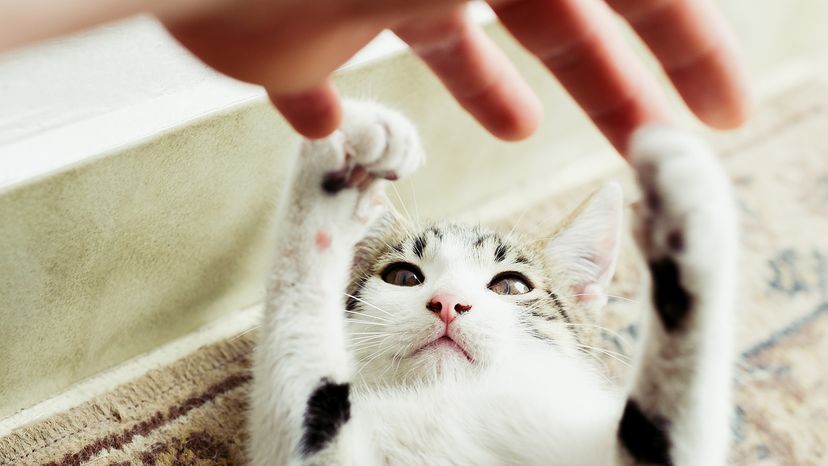
Credit: animals.howstuffworks.com
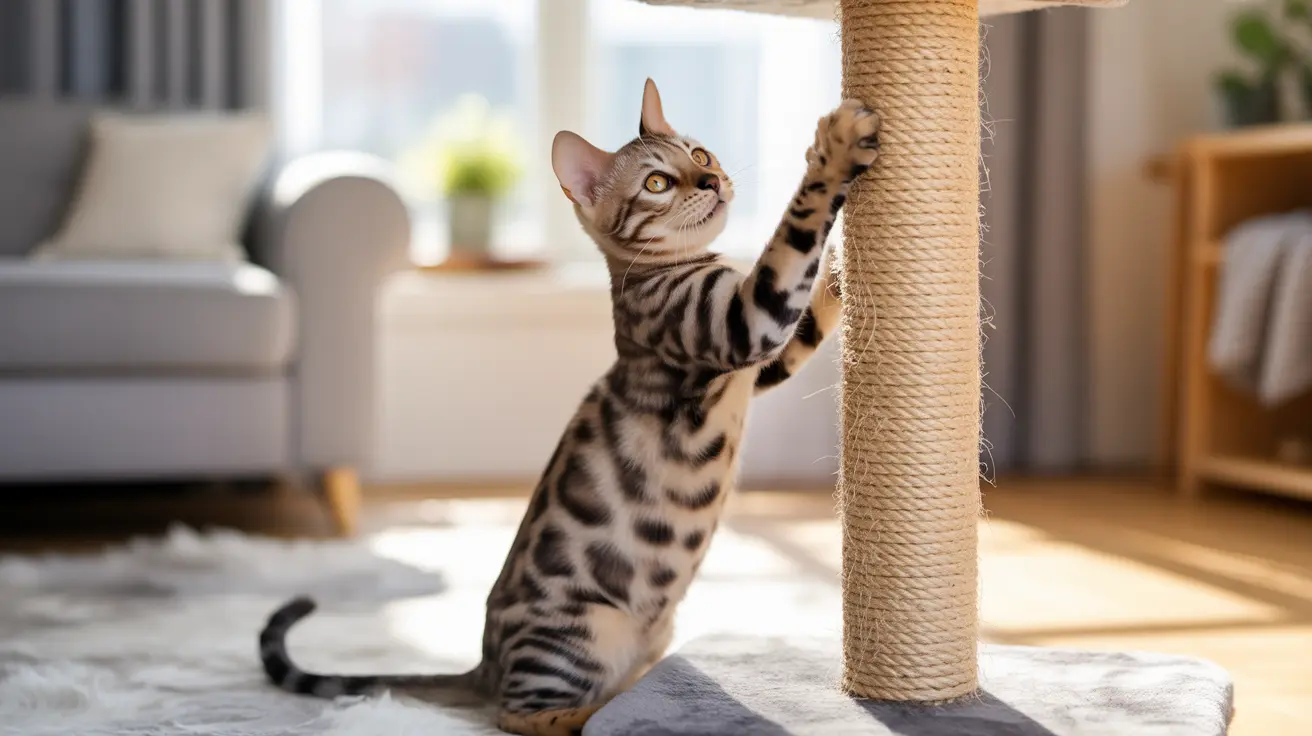
Credit: www.petscare.com
Frequently Asked Questions
How Can I Stop My Cat From Scratching Furniture?
Provide scratching posts near favorite spots. Use deterrents like double-sided tape on furniture. Trim your cat’s nails regularly. Reward positive behavior with treats and praise to encourage use of appropriate scratching areas.
Why Does My Cat Spray Indoors And How To Stop It?
Indoor spraying often signals stress or marking behavior. Clean marked areas thoroughly. Use synthetic pheromone diffusers to calm your cat. Ensure litter boxes are clean and in quiet locations. Spaying or neutering can reduce spraying tendencies.
What Are Effective Ways To Prevent Cat Biting?
Avoid rough play that encourages biting. Redirect biting with toys instead of hands. Use a firm “no” and stop interaction when biting occurs. Consistently reward gentle play to reinforce good behavior.
How Do I Discourage My Cat From Jumping On Counters?
Make counters unappealing using aluminum foil or double-sided tape. Provide alternative high perches like cat trees. Reward your cat for using approved areas. Keep counters clean of food to reduce temptation.
Conclusion
Helping your cat behave well requires patience and understanding. Use positive reinforcement to encourage good habits. Remember, consistency is key in training. Stay calm and avoid punishment, as it can cause stress. Offer toys and activities to keep your cat entertained.
Observe your cat’s behavior to understand its needs. Adjust your approach as necessary. Consulting a vet can provide additional insights. With time and effort, unwanted behaviors can be reduced. Your cat will be happier, and your home will be peaceful.