
Are you struggling with your cat’s annoying behavior problems? You’re not alone.
Whether it’s scratching your furniture, biting, or constant meowing, these issues can be frustrating and stressful. But what if you could understand why your cat acts this way and learn simple steps to stop these problems for good? You’ll discover easy, practical tips that can change your cat’s behavior and bring peace back to your home.
Keep reading—you’re just moments away from turning your cat into the well-behaved companion you’ve always wanted.
Common Cat Behavior Issues
Cats sometimes show behaviors that can be hard for owners to manage. These behaviors may cause stress or damage at home.
Understanding common cat problems helps owners find good ways to stop or reduce these behaviors.
Aggression And Biting
Cats may bite or act aggressive when scared or annoyed. This can hurt people and cause fear.
To reduce aggression, give cats a safe space. Avoid rough play that encourages biting.
Scratching Furniture
Scratching is natural for cats. They do it to mark their space and keep claws sharp.
Provide scratching posts and trim your cat’s nails. Cover furniture with protective materials.
- Place scratching posts near favorite spots
- Use catnip on posts to attract cats
- Use double-sided tape on furniture edges
Litter Box Problems
Cats may avoid the litter box if it is dirty or hard to reach. This causes accidents outside the box.
Clean the litter box daily. Place it in a quiet, easy-to-access spot.
- Use unscented, clumping litter
- Have one more box than the number of cats
- Change litter brand slowly to avoid dislike
Excessive Meowing
Cats meow to communicate. Too much meowing can mean hunger, boredom, or stress.
Give your cat enough food, toys, and attention. Ignore meows that ask for extra treats.
Destructive Chewing
Some cats chew on cords or plants. This is dangerous and can damage your home.
Provide safe chew toys. Hide or cover cords and keep harmful plants out of reach.
- Use bitter sprays on cords
- Offer rubber or soft chew toys
- Keep plants that are toxic away from cats
Causes Behind Behavior Problems
Cats show behavior problems for many reasons. Understanding these causes helps you fix issues.
Some problems come from stress, health, or how cats live. Let’s explore common causes.
Stress And Anxiety
Stress makes cats act out. Changes in the home or loud noises can upset them.
Stress signs include hiding, scratching furniture, or aggression. Keep a calm space for your cat.
Medical Conditions
Health problems can cause bad behavior. Pain or sickness makes cats grumpy or restless.
| Condition | Behavior Change |
| Urinary tract infection | Frequent urination outside litter box |
| Arthritis | Less movement, irritability |
| Dental pain | Aggression or hiding |
Lack Of Stimulation
Bored cats may scratch or meow loudly. They need play and mental challenges.
- Provide toys to chase and catch
- Play with your cat daily
- Use puzzle feeders to engage their mind
Territorial Instincts
Cats mark their space to feel safe. They may spray or scratch to claim territory.
Introducing new pets or moving can trigger these behaviors. Give your cat safe areas.
Poor Socialization
Cats not used to people or other animals may act scared or aggressive.
Signs of poor socialization include:
- Hiding from visitors
- Hissing or swatting
- Refusing to use the litter box
Creating A Cat-friendly Environment
Cats need a space that feels safe and fun. A good environment helps stop bad behavior. You can make your home better for your cat.
Simple changes can keep your cat happy. This guide shows how to create a cat-friendly space at home.
Providing Scratching Posts
Scratching is natural for cats. It helps them stretch and mark their space. Giving them proper posts stops damage to furniture.
- Place posts in busy areas and near resting spots.
- Use different materials like sisal or carpet.
- Make sure posts are tall and stable.
- Encourage use with catnip or toys.
Safe Spaces And Hiding Spots
Cats feel calm when they have quiet places. Safe spots reduce stress and stop hiding in wrong areas. Create cozy spots around your home.
| Safe Spot Type | Description |
|---|---|
| Covered Beds | Offer warmth and privacy for resting. |
| Boxes | Simple hiding places where cats feel secure. |
| High Shelves | Allow cats to watch from above safely. |
| Closets or Corners | Quiet areas away from noise and people. |
Interactive Toys And Playtime
Play keeps cats active and stops boredom. Use toys that mimic prey like feathers or balls. Play daily to keep your cat happy and calm.
- Use wand toys to engage hunting instincts.
- Rotate toys to keep interest high.
- Play for 10 to 15 minutes twice a day.
- Let your cat chase and catch toys safely.
Consistent Feeding Schedule
Cats like routine. Feeding at the same times helps reduce anxiety. It also stops begging and food aggression.
- Feed your cat twice a day at set times.
- Give measured portions to avoid overeating.
- Keep food and water bowls clean and in quiet spots.
- Watch for signs of hunger or overeating.

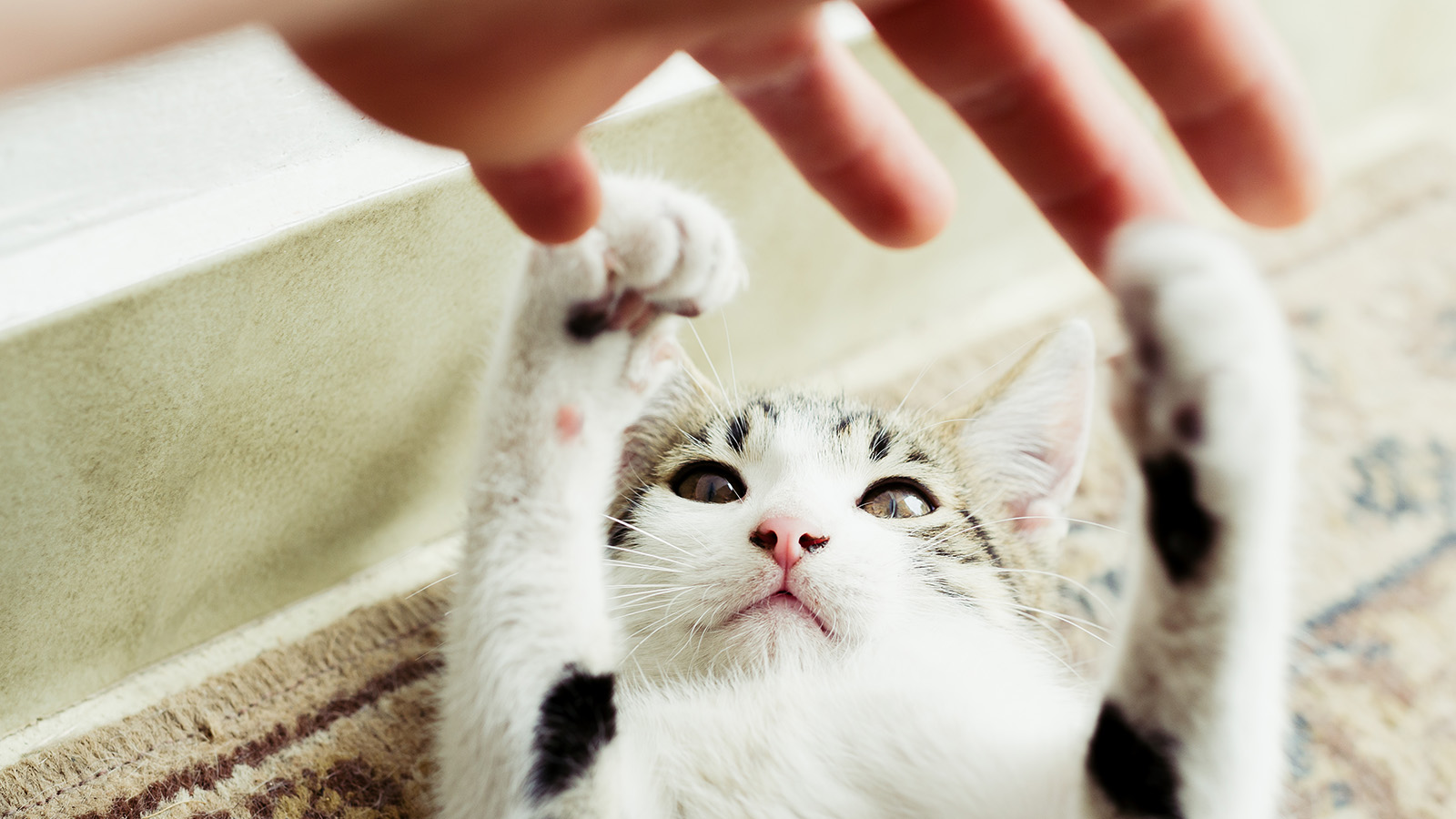
Credit: animals.howstuffworks.com
Training Techniques To Modify Behavior
Stopping cat behavior problems takes patience and good training. You can teach your cat new habits with clear methods.
These training techniques help change unwanted actions into positive ones. Consistency is important for success.
Positive Reinforcement
Positive reinforcement means giving your cat a reward for good behavior. It encourages your cat to repeat that action.
Use treats, praise, or petting as rewards. Reward your cat right after the good behavior to help them understand.
- Give a treat when your cat uses the scratching post
- Praise your cat when it uses the litter box
- Pet your cat gently after it stops unwanted meowing
Redirecting Unwanted Actions
Redirecting means guiding your cat to a better behavior instead of punishing. Offer a fun or safe alternative.
If your cat scratches furniture, move it to a scratching post. If it bites, give a toy to chew instead.
- Move your cat from wrong to right place gently
- Provide toys to replace biting or clawing
- Use playtime to reduce boredom-related problems
Using Deterrents Safely
Deterrents help stop bad behavior but must be safe and gentle. Avoid anything that can hurt or scare your cat.
Use items like double-sided tape, citrus scents, or safe noise makers to keep cats away from certain areas.
- Place double-sided tape on furniture edges
- Use citrus sprays where cats should not go
- Clap hands or use a soft noise to interrupt bad acts
Clicker Training Basics
Clicker training uses a small sound to mark good behavior. The cat learns to link the sound with a reward.
Press the clicker when your cat does the right thing, then give a treat. Repeat this to teach new skills or stop problems.
- Have treats ready before you start
- Click right after good behavior
- Give a treat immediately after the click
- Practice short sessions often
Addressing Litter Box Issues
Litter box problems are common in cats. They can cause stress for you and your pet.
Fixing these issues helps keep your home clean and your cat happy.
Choosing The Right Litter
Pick a litter that your cat likes. Some cats prefer clumping litter, others like non-clumping.
- Use unscented litter to avoid irritation.
- Try different textures like clay, silica, or natural materials.
- Keep the litter depth around two inches.
- Avoid litters with strong perfumes or dust.
Proper Box Placement
Place the litter box in a quiet, private area. Avoid noisy or busy spots.
- Keep boxes away from food and water dishes.
- Make sure the location is easy for your cat to reach.
- Use multiple boxes if you have more than one cat.
- Do not move the box often to avoid confusion.
Cleaning And Maintenance
Clean the litter box daily to keep it fresh. Cats dislike dirty boxes.
| Cleaning Task | Frequency |
| Remove waste clumps | Daily |
| Change all litter | Weekly |
| Wash the box with mild soap | Weekly |
| Check for damage or cracks | Monthly |
Dealing With Medical Causes
Medical problems can cause litter box issues. Check with a vet if your cat acts differently.
- Urinary tract infections can cause pain when urinating.
- Kidney problems may increase urination frequency.
- Arthritis can make entering the box hard.
- Stress or anxiety may change bathroom habits.
Managing Aggression And Anxiety
Cats can show aggression or anxiety for many reasons. These behaviors cause problems for both cats and owners.
Understanding and managing these behaviors helps keep your cat calm and happy. It also improves your home life.
Identifying Triggers
Aggression and anxiety often start because of specific triggers. These triggers can be loud noises, new people, or changes in the environment.
Watch your cat’s behavior carefully to find what causes stress or anger. Knowing triggers helps you avoid or reduce them.
- Loud sounds like fireworks or vacuum cleaners
- New pets or strangers in the house
- Changes in routine or environment
- Feeling trapped or cornered
Calming Products And Remedies
Many products can help reduce your cat’s anxiety and aggression. These include calming sprays, diffusers, and supplements.
These products work by releasing soothing scents or natural ingredients that relax cats. Use them as part of a calm routine.
- Feliway diffusers that release calming pheromones
- Calming collars with natural scents
- Herbal supplements like valerian or chamomile
- Soft bedding and safe hiding places
Behavioral Therapy Options
Behavioral therapy helps your cat learn to manage stress. It uses training and environmental changes to improve behavior.
Techniques include positive reinforcement for calm behavior and gradual exposure to triggers. This reduces fear and aggression over time.
- Reward calm behavior with treats and praise
- Use toys to distract and engage your cat
- Slowly introduce new people or pets
- Create a quiet and safe space for your cat
When To Seek Professional Help
If aggression or anxiety is severe, ask a vet or animal behaviorist for help. They can find medical or therapy options for your cat.
Professional help is important if your cat hurts itself or others. Early help improves your cat’s quality of life.
- Cat attacks family members or other pets
- Behavior gets worse despite your efforts
- Signs of medical problems like pain or illness
- Severe anxiety causing hiding or refusing to eat
Maintaining Long-term Behavior Health
Stopping cat behavior problems takes ongoing care and attention. Healthy habits help keep your cat happy for years.
Focus on regular vet visits, mental activities, strong bonds, and adapting to changes. These keep behavior steady.
Regular Vet Checkups
Regular vet checkups catch health problems early. Many behavior issues link to pain or illness.
Keep vaccinations and parasite control up to date. A healthy cat behaves better and feels good.
Ongoing Mental Stimulation
Keep your cat’s mind active to prevent boredom. Bored cats may act out or become destructive.
Use toys, puzzles, and playtime to challenge your cat. Change toys often to keep interest high.
- Interactive toys encourage hunting skills
- Food puzzles slow eating and stimulate thinking
- New objects or boxes spark curiosity
Building Strong Human-cat Bonds
Strong bonds improve your cat’s trust and reduce stress. Stress often causes bad behavior.
Spend quiet time petting and talking softly. Let your cat come to you for attention.
- Grooming sessions build closeness
- Consistent routines provide security
- Respect your cat’s boundaries
Adapting To Life Changes
Cats dislike sudden changes. Moving or new pets can cause anxiety and bad behavior.
Introduce changes slowly and give your cat a safe space. Keep routines as normal as possible.
- Use calming sprays or diffusers if needed
- Keep feeding and play times consistent
- Give extra attention during stressful periods
Credit: animals.howstuffworks.com
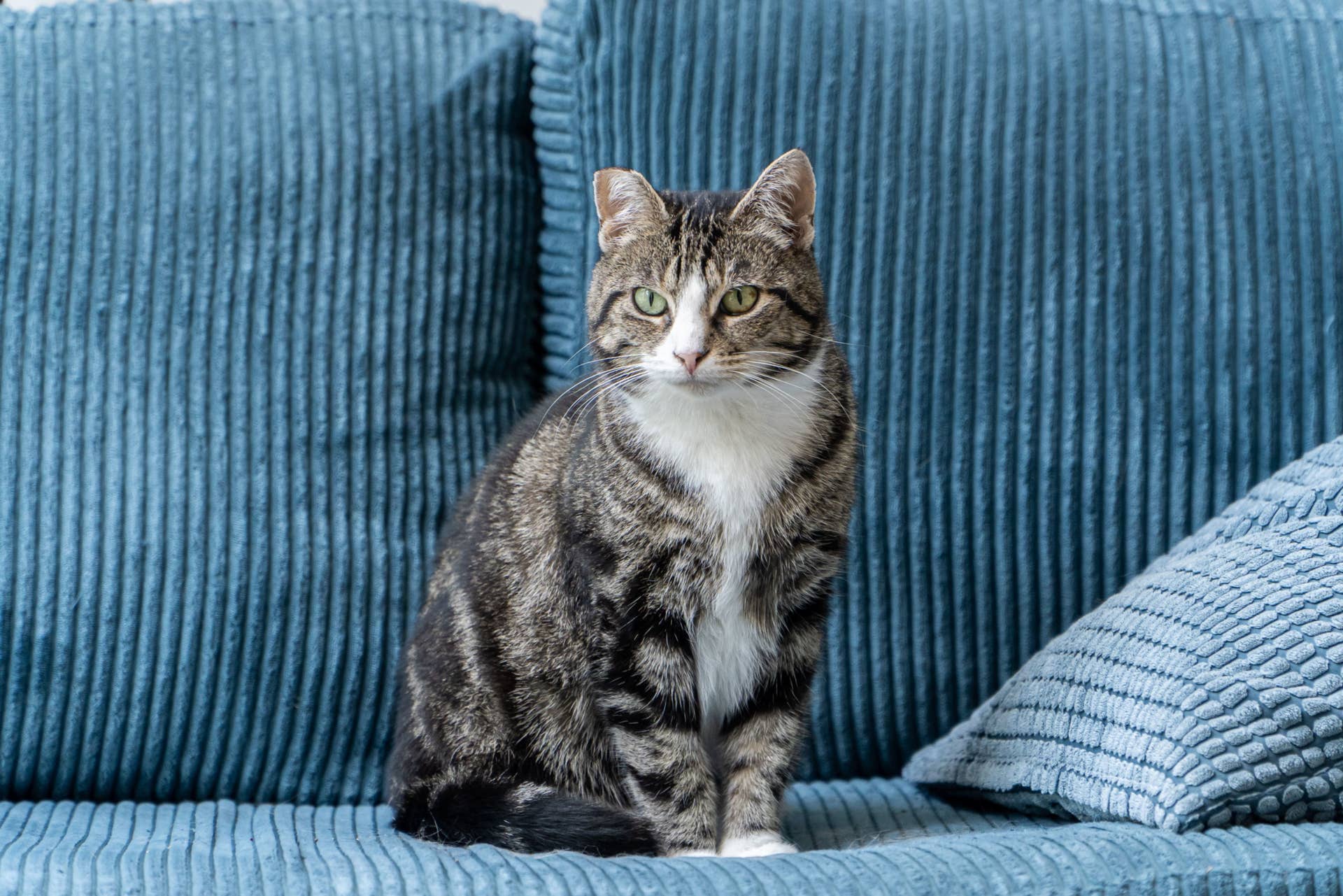
Credit: pethelpful.com
Frequently Asked Questions
How Can I Stop My Cat From Scratching Furniture?
Provide scratching posts and trim your cat’s nails regularly. Use deterrents like double-sided tape on furniture. Reward your cat for using scratching posts to reinforce positive behavior.
Why Does My Cat Suddenly Bite Me?
Cats may bite due to overstimulation, fear, or pain. Watch for warning signs like tail flicking or growling. Redirect biting with toys and avoid rough play to prevent aggression.
How Do I Prevent My Cat From Urinating Outside The Litter Box?
Ensure the litter box is clean and in a quiet location. Use the right type of litter and provide enough boxes. Consult a vet if urination issues persist, as it could indicate health problems.
What Causes Aggressive Behavior In Cats?
Aggression can result from fear, territorial instincts, or medical issues. Identify triggers and avoid stressful situations. Use positive reinforcement and consult a vet or behaviorist for severe aggression.
Conclusion
Cats can be wonderful companions, but behavior issues may arise. Addressing these problems promptly helps maintain a peaceful home. Observe your cat’s behavior closely and identify triggers. Use positive reinforcement to encourage good habits. Create a routine that suits your cat’s needs.
Ensure they have plenty of toys and safe spaces. Consult a vet if problems persist, as health issues might be the cause. With patience and understanding, you can improve your cat’s behavior. A happy cat leads to a happier home for both of you.
Stay consistent and loving, and watch your bond grow stronger.