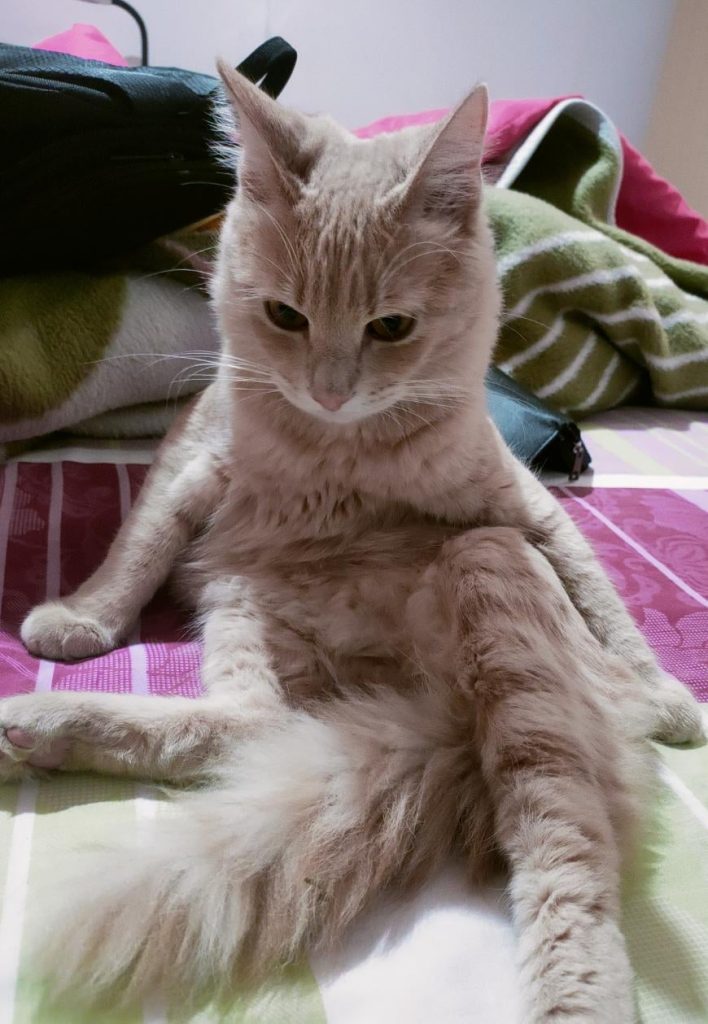
Have you ever wondered if your cat’s behavior will change after being neutered? If you’re thinking about this procedure or have recently had it done, you’re probably curious about what to expect.
You might ask yourself, “Will my cat be calmer? More affectionate? Or maybe even less playful? ” Understanding these changes can help you care for your furry friend better and ease any worries you have. Keep reading to discover what really happens to your cat’s behavior after neutering and how you can support them through this transition.
Behavioral Changes After Neutering
Neutering a cat can change how it acts. These changes happen because of hormone shifts.
Understanding these changes helps cat owners care better for their pets after surgery.
Reduction In Aggression
Neutered cats often show less aggression. They fight less with other cats and pets.
This happens because neutering lowers testosterone levels that cause aggressive behavior.
Decrease In Roaming
Male cats tend to roam less after neutering. They stay closer to home and family.
Roaming usually happens to find mates, which is less needed after neutering.
Impact On Marking Habits
Neutered cats usually spray less. Marking territory with urine becomes rare.
This change helps keep the home cleaner and reduces strong odors.
Credit: www.petscare.com
Activity And Playfulness
Neutering a cat can change how it acts in daily life. Activity and playfulness often shift after the procedure.
Understanding these changes helps pet owners care for their cats better.
Energy Level Adjustments
After neutering, many cats show lower energy levels. This drop happens because hormone levels change.
Lower energy means cats may rest more and move less than before.
- Reduced urge to roam or chase
- Less aggressive or restless behavior
- More calm and relaxed time spent resting
Changes In Play Behavior
Neutered cats might change how they play. Some cats become less rough in play.
Play may be slower or less frequent, but still important for their happiness.
- Less chasing of toys or other pets
- More gentle interactions during playtime
- Preference for quieter play activities
Social Interactions
Neutering a cat can change how it behaves around others. These changes affect how cats interact with other cats and humans.
Understanding these changes helps owners prepare for their cat’s new social habits. It also improves life for the cat and those around it.
Effect On Cat-to-cat Relationships
Neutered cats often become less aggressive toward other cats. They may stop fighting or marking territory with strong smells.
This can lead to calmer group living and better sharing of space. Some cats become more friendly or playful with their feline friends.
- Less fighting and chasing
- Lower risk of injuries
- Reduced spraying and marking
- More calm and relaxed behavior
Bonding With Humans
Neutering can make cats more affectionate toward people. They may seek more attention and enjoy being petted.
Some cats become less nervous and show more trust in their owners. This helps build a stronger bond between cat and human.
- Increased desire for petting
- More relaxed around people
- Reduced roaming and searching for mates
- Stronger trust and attachment
Health And Well-being
Neutering a cat can bring changes in its behavior and health. Understanding these changes helps pet owners care better for their cats.
This article looks at how neutering affects weight and long-term health benefits for cats.
Weight Management Concerns
After neutering, cats may gain weight more easily. Their metabolism slows down, so they need fewer calories.
- Neutered cats often become less active.
- They may eat the same amount but burn fewer calories.
- Weight gain can lead to health problems like diabetes.
- Controlling food portions is important to keep cats healthy.
Regular exercise and a balanced diet help prevent weight gain in neutered cats.
Long-term Health Benefits
Neutering offers many health benefits that improve a cat’s life span and quality.
| Benefit | Description |
| Lower Risk of Cancer | Reduces chances of testicular and ovarian cancers. |
| Fewer Infections | Prevents some reproductive infections. |
| Behavioral Improvements | Reduces spraying and aggression. |
| Longer Life | Neutered cats tend to live longer than intact cats. |
Myths Versus Facts
Many people wonder if a cat’s behavior changes after neutering. Some myths exist about what happens to cats after this surgery. It is important to know the facts before making decisions.
This article looks at common misconceptions and what science says about neutered cats. Understanding the truth can help cat owners care for their pets better.
Common Misconceptions
People often believe that neutering a cat will make it lazy or less playful. Others think neutered cats will gain too much weight or lose their personality.
- Neutered cats become overweight and inactive.
- Neutering changes a cat’s personality completely.
- Neutered cats stop hunting and playing.
- Neutering causes aggression or fearfulness.
Scientific Findings
Research shows that neutering affects some behaviors but does not harm a cat’s personality. It often reduces problems like spraying and fighting.
| Behavior | Before Neutering | After Neutering |
| Spraying urine | Common in males | Greatly reduced |
| Roaming | High tendency | Reduced roaming |
| Playfulness | Active | Remains active |
| Weight gain | Normal | May increase if overeating |
Neutering helps reduce unwanted behaviors linked to hormones. Cats stay playful but owners should watch their diet to avoid weight gain.

Credit: picartpetcare.com

Credit: www.reddit.com
Frequently Asked Questions
Does Neutering Affect A Cat’s Behavior Permanently?
Neutering often reduces aggressive and territorial behaviors in cats. However, some personality traits remain unchanged. Overall, neutering promotes calmer and friendlier behavior in most cats.
How Soon Do Cats Show Behavior Changes After Neutering?
Behavioral changes usually appear within a few weeks after neutering. Cats tend to be less restless and less likely to roam or spray.
Can Neutering Reduce A Cat’s Aggression?
Yes, neutering typically lowers aggression by reducing hormone-driven behaviors. It helps cats become more sociable and less likely to fight.
Will Neutering Stop A Cat From Spraying Urine?
Neutering significantly decreases urine spraying related to mating instincts. However, some cats may still spray due to stress or territorial reasons.
Conclusion
Neutering can bring positive changes to a cat’s behavior. Less aggression. Reduced roaming. Increased affection towards owners. This procedure often calms cats, making them friendlier. They might become more content indoors. Their health benefits too, reducing certain risks. Owners often notice a more relaxed pet.
It’s important to consult a vet before deciding. Each cat is unique. Results can vary. Remember, patience is key during adjustments. Neutering is a responsible choice for many. It helps control the pet population. It can improve the cat’s quality of life.
Loving care remains essential throughout their lives.