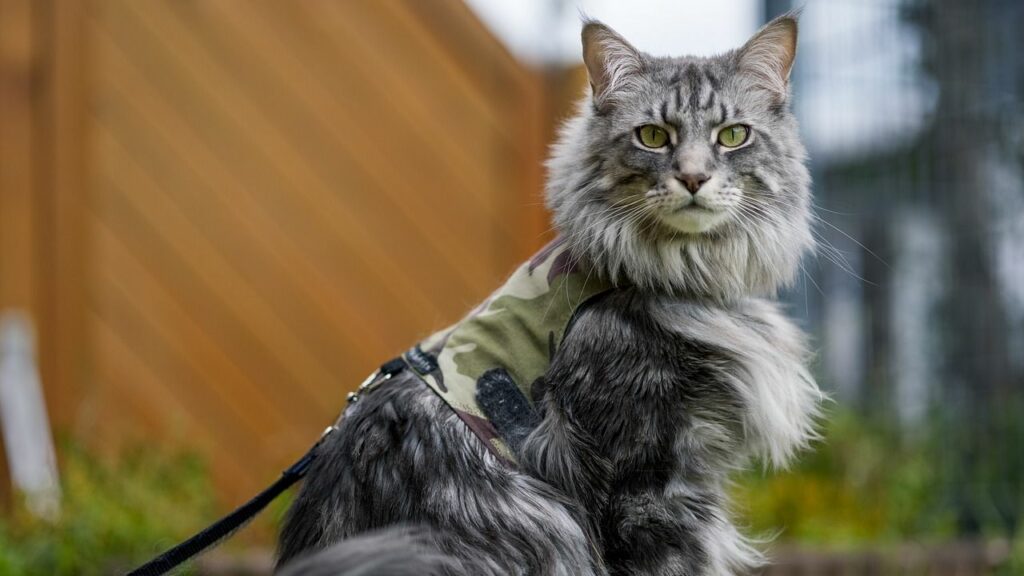
Have you ever wondered which cat breed takes the crown for being the largest? If you love cats and are curious about these gentle giants, you’re in the right place.
Knowing about the biggest cats out there can surprise you and change how you see your furry friends. Keep reading, and you’ll discover fascinating facts that make these large cats truly special—and you might just find your dream pet among them.

Credit: www.moneycontrol.com
Largest Cat Breeds
Some cats grow much bigger than others. These large breeds are known for their size and strength.
They often have thick fur and friendly personalities. Let’s learn about some of the biggest cat breeds.
Maine Coon
The Maine Coon is one of the largest domestic cat breeds. They can weigh up to 18 pounds or more.
They have long, thick fur and tufted ears. Maine Coons are gentle and friendly cats.
- Weight: 13-18 pounds
- Length: Up to 40 inches including tail
- Coat: Long and water-resistant
Savannah Cat
The Savannah Cat is a mix of domestic cats and wild servals. This gives them a tall and lean look.
They are very active and curious. Savannah Cats often weigh between 12 and 25 pounds.
- Weight: 12-25 pounds
- Height: Up to 17 inches at the shoulder
- Coat: Spotted with short hair
Norwegian Forest Cat
This breed is built for cold weather with thick, water-resistant fur. They are strong and muscular cats.
Norwegian Forest Cats can weigh up to 16 pounds. They are friendly but independent.
- Weight: 12-16 pounds
- Coat: Long, thick, and dense
- Build: Muscular with a broad chest
Ragdoll
Ragdolls are large cats known for their calm nature. They often go limp when held, giving them their name.
They can weigh between 15 and 20 pounds. Their fur is soft and semi-long.
- Weight: 15-20 pounds
- Coat: Soft, semi-long hair
- Personality: Gentle and affectionate
Chausie
The Chausie is a mix of domestic cats and wild jungle cats. They are tall and slim but strong.
Chausies usually weigh 15 to 20 pounds. They are active and playful cats.
- Weight: 15-20 pounds
- Build: Tall and slim
- Coat: Short and fine
Physical Traits Of Giant Cats
The largest breed of cats is known for its impressive size and strength. These giant cats stand out because of their unique physical traits.
Understanding these traits helps us appreciate how special these cats are. Their size, coat, and body shape make them different from regular cats.
Size And Weight
Giant cats can grow much larger than average house cats. Some weigh more than 20 pounds, making them very heavy.
They can be up to 40 inches long, not including their tail. Their height is also bigger, reaching up to 16 inches at the shoulder.
- Weight: 15 to 25+ pounds
- Length: Up to 40 inches (body only)
- Height: Around 16 inches at shoulder
Coat And Color Patterns
Giant cats usually have thick, long fur that keeps them warm. Their coats can be soft and fluffy or dense and smooth.
They come in many colors and patterns. Some have stripes, spots, or solid colors, making each cat look unique.
- Fur: Long and thick
- Colors: Brown, black, gray, cream, and white
- Patterns: Stripes, spots, solid, or mixed
Body Structure
These cats have strong, muscular bodies. Their legs are thick and sturdy to support their large weight.
Their heads are broad with large ears and wide eyes. Their tails are long and bushy, helping with balance.
- Muscular and strong build
- Thick legs for support
- Broad head with big ears
- Long, bushy tail
Behavior And Temperament
The largest breed of cat is known not only for its size but also for its unique behavior and temperament. Understanding these traits helps owners provide the best care and environment for these gentle giants.
These cats often surprise people with their calm and friendly nature despite their impressive size. Their personality traits, activity levels, and social interactions make them special companions.
Personality Traits
The largest breed of cat tends to have a sweet and easygoing personality. They are known for being affectionate and loyal to their families.
- Gentle and patient with children
- Curious but not overly hyperactive
- Enjoys quiet time and cuddles
- Often described as dog-like in behavior
Activity Levels
Despite their large size, these cats have moderate energy levels. They like to play but also enjoy lounging around the house.
| Activity Type | Description |
| Play | Enjoys interactive toys and short bursts of energy |
| Rest | Spends long periods relaxing and sleeping |
| Exploration | Likes to explore indoor spaces safely |
Social Interactions
These cats are social and enjoy company. They often get along well with other pets and people.
Key social traits include:
- Friendly with strangers
- Good with other cats and dogs
- Likes to follow family members around
- Responds well to gentle handling
Credit: www.pets4homes.co.uk
Care Needs For Large Breeds
Large cat breeds need special care to stay healthy and happy. Their size affects their diet, exercise, and grooming needs. Proper attention helps prevent health problems.
Understanding the care needs of big cats ensures they live a long and comfortable life. Each area requires focus to match their unique requirements.
Diet And Nutrition
Large cats need a balanced diet with high protein. Their bigger bodies burn more energy and require more nutrients. Feeding them the right food supports muscle and bone health.
- Choose high-quality cat food with real meat
- Provide meals with balanced vitamins and minerals
- Avoid overfeeding to prevent obesity
- Offer fresh water at all times
Exercise Requirements
Large cats need regular exercise to stay fit. Physical activity helps maintain a healthy weight and reduces stress. Provide toys and space to move freely.
- Set daily playtime sessions with interactive toys
- Encourage climbing with cat trees or shelves
- Use laser pointers or feather wands for chasing games
- Allow safe outdoor time if possible
Grooming Tips
| Grooming Task | Frequency | Reason |
|---|---|---|
| Brushing | 2-3 times per week | Removes loose hair and reduces mats |
| Nail trimming | Every 2-4 weeks | Prevents scratching injuries |
| Ear cleaning | Monthly | Prevents infections |
| Dental care | Weekly brushing | Maintains healthy teeth and gums |
Choosing The Right Giant Cat
Giant cat breeds need special care and attention. Choosing the right one means thinking about your home and lifestyle.
Large cats can be loving pets but require space and patience. Learn about key points before bringing one home.
Living Space Considerations
Big cats need room to move and play. Small apartments may not be the best place for them. Consider these space needs:
- Large cats need wide areas to stretch and jump.
- Vertical spaces like shelves help them climb safely.
- Quiet spots let them rest without disturbance.
- Access to outdoor areas is a plus if safe and secure.
Compatibility With Families
Giant cats often enjoy family life but need gentle handling. Some breeds are better with kids and other pets. Think about:
| Breed | Good with Kids | Good with Other Pets | Temperament |
| Maine Coon | Yes | Yes | Friendly and playful |
| Siberian | Yes | Usually | Calm and affectionate |
| Norwegian Forest Cat | Yes | Yes | Independent but social |
| Ragdoll | Yes | Yes | Gentle and relaxed |
Health Concerns
Large cat breeds can have special health needs. Regular vet visits keep them strong. Watch for:
- Joint problems like hip dysplasia
- Heart conditions common in some breeds
- Weight management to avoid obesity
- Regular dental care
Famous Giant Cats In History
Giant cats have always amazed people with their size and strength. Some breeds grow much larger than typical house cats. Their history is full of stories about these huge felines.
This article explores famous giant cats. You will learn about the record holders and some notable stories of giant cats from history.
Record Holders
The Maine Coon is the largest domestic cat breed. Some Maine Coons weigh over 20 pounds. They are known for their long, thick fur and big paws.
Another giant breed is the Savannah cat. It is a mix between a domestic cat and a wild African serval. Savannah cats can be very tall and weigh up to 25 pounds.
- Stewie, a Maine Coon, was once the longest cat recorded at 48.5 inches.
- Arcturus Aldebaran Powers, a Savannah cat, weighs about 25 pounds and is very tall.
- Chausie cats also grow large, often weighing 15 to 20 pounds.
Notable Stories
One famous story is about Stewie, a Maine Coon from Oregon. He held the Guinness World Record as the longest cat for several years. His length amazed cat lovers worldwide.
Another story is about a Savannah cat named Arcturus. His owners shared how he could open doors and jump very high. His size and skills made him very popular online.
- Stewie’s record length was 48.5 inches from nose to tail tip.
- Arcturus was known for his strength and height.
- Many giant cats have helped change how people see domestic cats.
Credit: uk.news.yahoo.com
Frequently Asked Questions
What Is The Largest Breed Of Domestic Cat?
The Maine Coon is the largest domestic cat breed. It can weigh up to 18 pounds or more. Maine Coons have long, thick fur and a muscular build, making them appear even bigger. They are friendly and sociable, often called gentle giants.
How Big Do Maine Coon Cats Get?
Maine Coon cats typically grow 10 to 16 inches tall. Males can weigh between 13 to 18 pounds. Females are slightly smaller, weighing 8 to 12 pounds. Their size makes them one of the biggest, most impressive domestic cat breeds.
Are Savannah Cats Larger Than Maine Coons?
Savannah cats are generally taller but lighter than Maine Coons. They can reach up to 17 inches tall. However, their weight usually ranges from 12 to 25 pounds. Maine Coons are bulkier, while Savannahs are leaner and more athletic.
Why Are Maine Coons Considered Giant Cats?
Maine Coons are considered giants due to their size and weight. Their broad chests and long bodies contribute to their large appearance. They also have thick, water-resistant fur, making them look even bigger. Their gentle nature makes them popular among cat lovers.
Conclusion
Exploring the largest cat breeds fascinates many pet lovers. Maine Coon cats top the list. Their gentle nature and large size captivate many. These felines can weigh up to 18 pounds or more. They have long, fluffy tails and tufted ears.
Perfect for families seeking a loving companion. Remember, big cats need extra care and space. Regular vet visits keep them healthy and happy. Consider a large breed if you have room at home. Their presence offers endless joy. Always choose a pet that matches your lifestyle and needs.