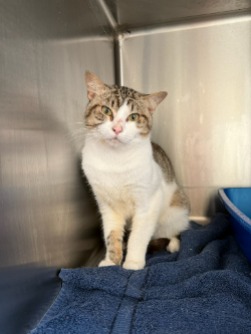
Are you thinking about bringing a new furry friend into your home? You might be wondering, how long does cat adoption take at your local shelter?
The answer can affect your plans and excitement. Knowing what to expect can help you prepare and make the process smoother. You’ll discover the typical steps involved and how much time each one might take. By the end, you’ll feel confident and ready to welcome your new cat as soon as possible.
Keep reading to learn everything you need to know before starting your adoption journey.
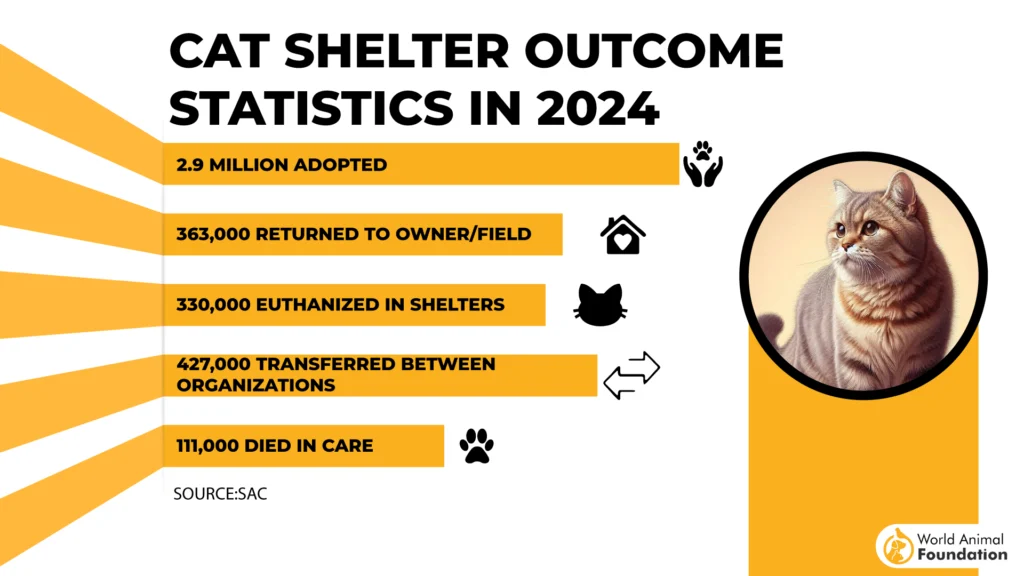
Credit: worldanimalfoundation.org
Adoption Process Steps
Adopting a cat from a local shelter takes a few clear steps. Each step helps both you and the shelter find the best match.
This guide explains what happens from your first contact to bringing your new cat home.
Initial Inquiry
You start by contacting the shelter. This can be by phone, email, or in person. You ask about available cats and adoption rules.
Meeting The Cats
Next, you visit the shelter to meet the cats. You spend time with those that interest you. This helps you see their personalities.
- Observe how each cat behaves
- Ask shelter staff about each cat’s history
- Consider your home environment and lifestyle
Application Submission
You fill out an application form. It asks about your living situation and pet experience. This helps the shelter understand if you are ready.
Home Visit Or Interview
The shelter may schedule a home visit or interview. This step checks that your home is safe and suitable for a cat. It also answers any questions you have.
Approval And Paperwork
| Task | Description |
| Approval | The shelter reviews your application and visit results |
| Paperwork | You sign adoption agreements and pay fees |
| Final Steps | Receive care instructions and set a pick-up date |
Factors Affecting Adoption Time
Adopting a cat from a local shelter can take different amounts of time. Several factors affect how quickly you can bring your new pet home.
Understanding these factors helps you prepare for the adoption process and know what to expect.
Shelter Policies
Shelters have rules that guide the adoption process. These policies vary by location and impact adoption speed.
Some shelters require home visits or interviews before approving adoptions. Others may limit the number of pets per family.
- Application reviews can take several days
- Waiting lists may exist for popular cat breeds
- Some shelters require adoption fees and paperwork
Cat Availability
How many cats are available affects adoption time. Shelters with many cats may process adoptions faster.
Rare or special needs cats might stay longer in shelters, requiring more time to find the right adopter.
- Popular breeds may be adopted quickly
- Older cats sometimes take longer to be adopted
- Kittens often have shorter wait times
Applicant Preparedness
Being ready speeds up the adoption process. Having all documents and information ready helps shelters approve applications quickly.
Knowing what you need before visiting the shelter can reduce delays and make the process smoother.
- Have ID and proof of residence ready
- Know your home environment and pet care plan
- Be ready to answer questions about pet ownership
Background Checks
Shelters may do background checks on adopters to ensure pets go to safe homes. This step can add time to the process.
Checks can include phone calls, references, and verifying rental agreements if you rent your home.
- Reference checks may take a few days
- Rental approvals for pets can delay adoption
- Some shelters require vet references if you have other pets
Seasonal Variations
Adoption times can change with the seasons. Some times of the year are busier for shelters than others.
During spring and summer, shelters often have more cats, which can speed up adoption or slow it down depending on demand.
- Spring and summer see more kittens available
- Holiday seasons may slow down adoption processes
- Winter may have fewer cats but less demand
Preparing For Adoption
Adopting a cat from a local shelter takes time and planning. You should get ready before bringing your new pet home.
Preparation helps make the adoption process smooth and safe for both you and the cat.
Required Documents
Shelters need certain papers to approve your adoption. These documents prove you can care for the cat properly.
Common required documents include ID and proof of address. Some shelters ask for references too.
- Government-issued photo ID
- Proof of residence (like a utility bill)
- Rental agreement if you rent your home
- References from a vet or personal contacts
Setting Up Your Home
Your home should be safe and welcoming for a new cat. Prepare a quiet space with food and water bowls.
Make sure harmful items are out of reach. Cats like cozy beds and toys to feel comfortable.
- Choose a quiet, warm spot for the cat’s bed
- Set up food and water dishes in an easy-to-access area
- Provide a litter box in a private location
- Remove plants or objects that may harm the cat
- Have toys and scratching posts ready
Financial Considerations
Owning a cat costs money. Plan for food, vet visits, and supplies before adoption.
Unexpected health issues can also arise. A budget helps you care for your cat without stress.
- Food and treats
- Vet checkups and vaccinations
- Litter and cleaning supplies
- Toys and bedding
- Emergency medical care
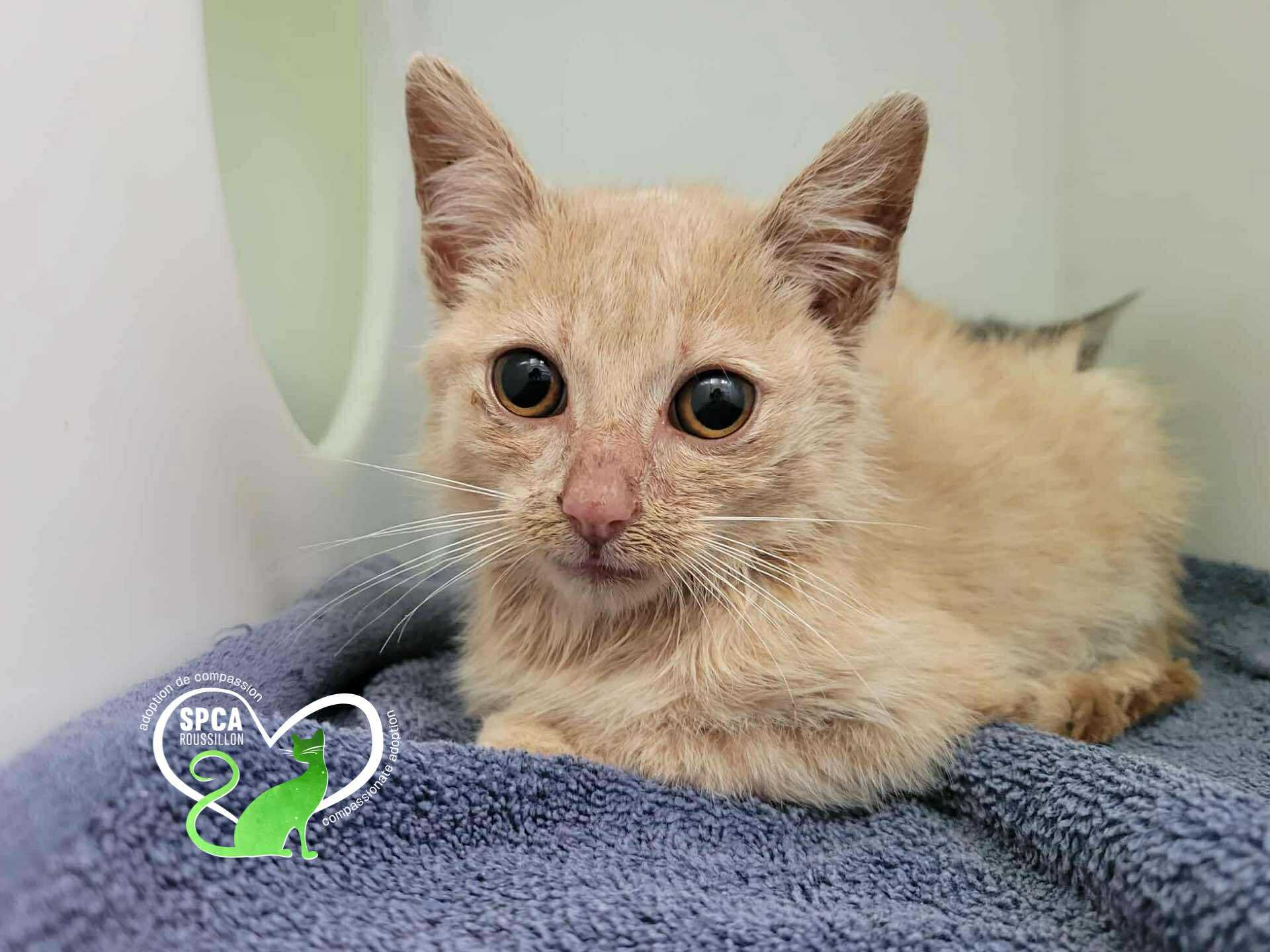
Credit: spcaroussillon.com
Tips To Speed Up Adoption
Adopting a cat from a local shelter can take time. You can make the process faster by following some simple steps.
Being prepared and responsive helps the shelter staff assist you better and find a good match quickly.
Complete Application Forms
Fill out all required forms carefully and completely. Missing information can delay your application.
- Read the application instructions before starting.
- Provide accurate personal and contact details.
- Answer all questions honestly about your home and pets.
- Attach any required documents, like ID or proof of residence.
- Review your application before submitting it to avoid errors.
Be Flexible With Cat Choice
Being open to different cats speeds up adoption. Some cats may wait longer for a home.
| Cat Type | Typical Wait Time |
| Young kittens | Short (few days to weeks) |
| Adult cats | Medium (weeks to a month) |
| Senior cats | Long (months) |
| Special needs cats | Longest (months or more) |
Consider cats of different ages or with special needs. They often need homes just as much.
Communicate Promptly With Shelter
Reply quickly to phone calls, emails, or messages from the shelter. This shows you are serious.
Here are tips for fast communication:
- Check your email and phone daily.
- Answer questions clearly and quickly.
- Schedule visits or interviews as soon as possible.
- Inform the shelter of any changes in your contact details.
What To Expect After Adoption
Adopting a cat from a local shelter is exciting. You bring home a new friend. It takes time for your cat to feel comfortable in the new home.
This guide helps you understand what to expect after adoption. You will learn about the adjustment period, follow-up visits, and health needs.
Adjustment Period
Your cat needs time to adjust to the new environment. The first few days are very important. Give your cat a quiet space with food, water, and a litter box.
- Keep your cat indoors to prevent stress.
- Let the cat explore at its own pace.
- Use gentle voices and slow movements around the cat.
- Provide toys and comfortable bedding.
- Be patient and avoid sudden changes.
Follow-up Visits
After adoption, the shelter may ask you to bring your cat for check-ups. These visits make sure your cat is healthy and safe in the new home.
- First visit usually happens within a week of adoption.
- The vet checks for stress signs and overall health.
- Discuss diet and care tips with the vet.
- Schedule any needed vaccinations or treatments.
- Ask questions about behavior and health concerns.
Health And Vaccinations
Your cat needs proper health care after adoption. Vaccinations protect your cat and other pets from diseases. Regular health checks keep your cat happy and strong.
| Vaccine | Purpose | When to Get |
| Rabies | Protects against rabies virus | Within first month |
| FVRCP | Protects against common cat viruses | Within first month |
| FeLV | Prevents feline leukemia virus | Recommended for outdoor cats |
| Booster Shots | Maintain immunity | Every 1-3 years |

Credit: www.ottawahumane.ca
Frequently Asked Questions
How Long Does The Cat Adoption Process Usually Take?
The cat adoption process typically takes 1 to 3 hours at a local shelter. It includes application, interview, and meeting the cat. Some shelters may require a home visit, which can extend the process.
What Factors Affect The Duration Of Cat Adoption?
Factors include shelter policies, application review, interview scheduling, and home checks. Availability of the chosen cat and completeness of your application also impact timing. Some shelters have waiting periods for adoption approval.
Can I Adopt A Cat The Same Day I Visit?
Yes, many shelters allow same-day adoption if the application is approved. Bringing valid ID and proof of residence speeds up the process. However, some shelters may require a cooling-off period before finalizing adoption.
Do Shelters Require An Adoption Interview Or Home Visit?
Most shelters conduct an adoption interview to ensure a good match. Some require a home visit to check the environment. These steps help guarantee the cat’s safety and well-being.
Conclusion
Adopting a cat from a local shelter takes time and patience. The process varies based on each shelter’s rules and the specific cat. Be prepared for paperwork and possible wait times. Choosing the right cat is important for a happy future.
Visit shelters, ask questions, and learn about each cat’s needs. Building a bond with your new friend is worth the wait. Your patience ensures a loving home for a deserving cat. Enjoy the journey and cherish the moments with your new family member.
Adopting a cat changes lives, both yours and theirs.