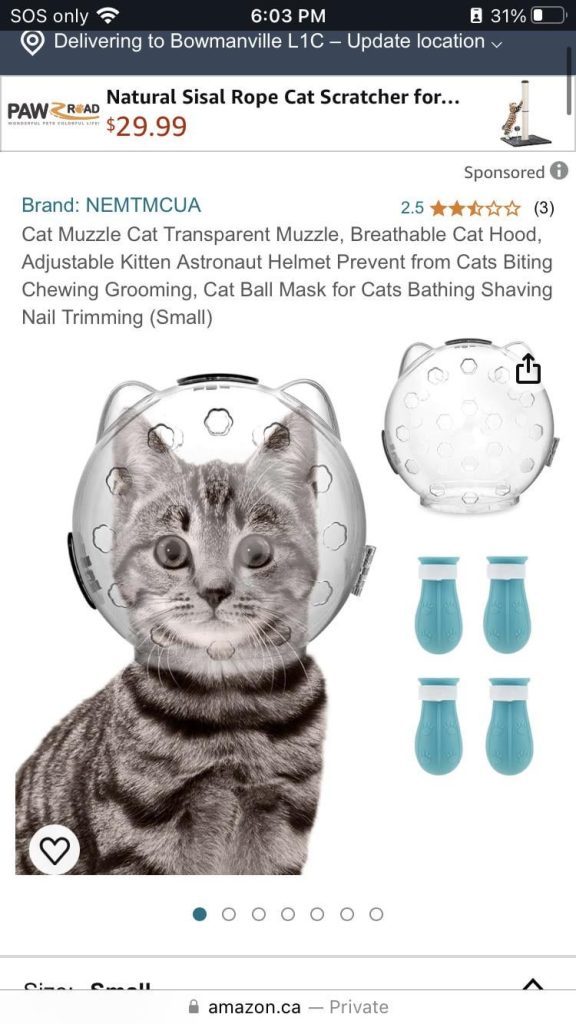
Is your cat spending hours licking and biting its fur, leaving bald patches or irritated skin? Over grooming is more than just a quirky habit—it can signal stress, allergies, or health issues that need your attention.
If you want to help your furry friend feel comfortable and happy again, you need to understand why this happens and how to stop it. Keep reading to discover simple, effective steps you can take right now to protect your cat’s coat and wellbeing.
Your cat’s comfort is closer than you think.
Causes Of Over Grooming
Over grooming is a common problem in cats. It can cause bald spots and skin damage.
Understanding the causes helps you stop your cat from over grooming. There are several reasons behind this behavior.
Stress And Anxiety
Cats often groom themselves too much when they feel stressed or anxious. Changes in their home or routine can trigger this.
Stress may come from loud noises, new pets, or moving to a new place. Grooming acts as a way to calm down.
Allergies And Skin Issues
Allergies can cause itching and irritation, making cats lick or bite their skin more. Food or environmental allergies are common causes.
Skin problems like dry skin or dermatitis also lead to over grooming. Your cat tries to relieve discomfort by licking.
Parasites And Infections
Fleas, mites, and ticks cause itching that makes cats groom too much. Infections can also cause skin irritation.
If your cat has parasites, it will groom to try to remove them. This can lead to hair loss and sores.
Boredom And Environmental Factors
Bored cats may groom excessively out of boredom. Lack of toys or playtime can cause this behavior.
Environmental factors like poor air quality or uncomfortable living spaces also affect your cat’s grooming habits.
Signs Your Cat Is Over Grooming
Over grooming in cats can cause skin problems and discomfort. It is important to spot the signs early to help your cat.
Watch your cat closely. Look for changes in their skin, fur, and behavior. These clues show if grooming is too much.
Bald Patches And Redness
One clear sign is bald patches on your cat’s skin. These areas may look red or irritated. Over grooming removes fur and can hurt the skin.
Check these common spots for bald patches and redness:
- Behind the ears
- Under the legs
- Along the belly
- Near the tail base
Frequent Licking And Scratching
Your cat may lick or scratch more than usual. This behavior can cause wounds or scabs. It may lead to infections if not treated.
| Behavior | Possible Effect |
| Excessive licking | Fur loss, skin irritation |
| Constant scratching | Open sores, redness |
| Repeated biting | Swollen or raw spots |
Behavioral Changes
Changes in your cat’s mood or habits may also hint at over grooming. They might seem restless or hide more often.
- Less playfulness or energy
- Increased irritability
- Avoiding people or other pets
- Sleeping more than usual
Effective Treatment Options
Over grooming in cats can cause skin damage and discomfort. It is important to find the right treatment to help your cat heal.
Treatment depends on the cause of over grooming. Some options include medical care and changes in the cat’s environment.
Veterinary Diagnosis And Care
First, take your cat to a veterinarian for a full checkup. The vet will look for skin problems, allergies, or parasites.
Tests may include skin scrapings, blood tests, or allergy screenings. Proper diagnosis is key to treating over grooming.
Medications And Topical Treatments
Depending on the cause, the vet may prescribe medications. These can reduce itching and inflammation.
Topical creams or sprays may help heal the skin. Use them exactly as the vet instructs to avoid side effects.
- Anti-itch creams
- Antibiotic ointments
- Medicated shampoos
- Oral anti-inflammatory drugs
Behavioral Therapy And Enrichment
Stress or boredom can cause cats to over groom. Behavioral therapy helps reduce these triggers.
Provide toys, scratching posts, and playtime. These activities keep your cat busy and less anxious.
- Daily interactive play sessions
- New toys to explore
- Safe hiding spots
- Consistent routine and calm environment

Credit: www.reddit.com
Home Remedies To Soothe Your Cat
Many cats over groom due to stress, allergies, or skin problems. You can help your cat feel better with simple home remedies.
Try gentle treatments and changes at home to reduce your cat’s discomfort and stop over grooming.
Calming Supplements
Calming supplements can reduce anxiety that causes over grooming. Natural options support your cat’s mood and relaxation.
Look for supplements with ingredients like:
- L-theanine to help reduce stress
- Chamomile for calmness
- Valerian root to soothe nerves
- Omega-3 fatty acids to support skin health
Soothing Baths And Skin Care
Regular baths with gentle shampoo can ease skin irritation. Use products made for cats with sensitive skin.
You can also apply natural remedies like coconut oil to dry spots. This helps skin stay soft and less itchy.
- Use lukewarm water for baths
- Choose hypoallergenic cat shampoo
- Dry your cat gently after bathing
- Apply coconut oil to soothe dry skin
Environmental Adjustments
Changes in your cat’s environment can reduce stress that causes over grooming. A calm space helps your cat relax.
Try these adjustments to create a peaceful home for your cat:
- Provide quiet resting spots away from noise
- Use pheromone diffusers to calm your cat
- Offer toys and scratching posts to reduce boredom
- Maintain a consistent daily routine
Preventing Future Over Grooming
Over grooming can harm your cat’s skin and fur. You can help stop this by taking some simple steps. These steps keep your cat healthy and calm.
Focus on checking your cat’s health often, reducing stress, and giving your cat fun activities. These help prevent over grooming in the future.
Regular Vet Checkups
Visit the vet regularly to catch any health issues early. Skin problems, allergies, or parasites can cause over grooming. A vet can treat these problems before they get worse.
Keep a record of your cat’s vet visits and treatments. This helps track your cat’s health and grooming habits.
| Checkup Type | Frequency | Focus Area |
| General Health | Every 6 months | Overall condition and weight |
| Skin and Coat | Every 6 months | Look for irritation or parasites |
| Allergy Tests | As needed | Identify triggers causing itching |
Stress Reduction Techniques
Stress often causes cats to groom too much. Create a calm space for your cat to relax. Use soft bedding and quiet corners.
- Keep a regular daily routine.
- Use pheromone diffusers to calm your cat.
- Limit loud noises and sudden changes.
- Provide hiding spots for privacy.
- Spend quiet time petting or brushing your cat gently.
Interactive Play And Mental Stimulation
Keep your cat’s mind busy to lower anxiety and stop over grooming. Play with toys that mimic hunting. Rotate toys to keep interest high.
- Use feather wands and laser pointers.
- Offer puzzle feeders to challenge your cat.
- Set aside playtime twice a day for 10-15 minutes.
- Introduce new toys slowly.
- Encourage climbing with cat trees or shelves.

Credit: brooklynpetspa.com
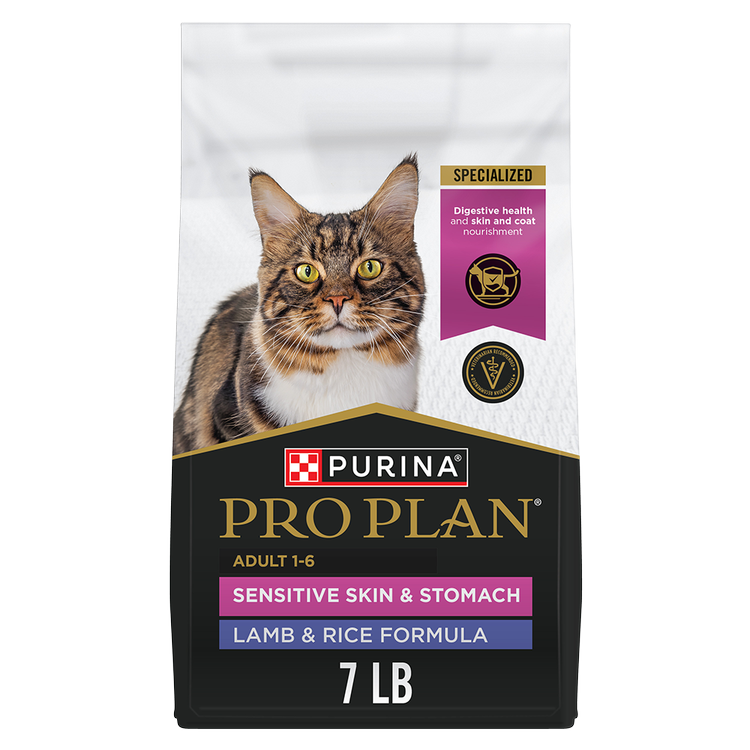
Credit: www.purina.com
Frequently Asked Questions
What Causes A Cat To Over Groom Frequently?
Cats over groom due to stress, allergies, parasites, or skin infections. Identifying the root cause helps tailor effective treatments and reduce excessive grooming.
How Can I Prevent My Cat From Over Grooming?
Provide a calm environment, regular vet checkups, and treat allergies or parasites promptly. Enrich your cat’s routine with play and affection to reduce stress.
When Should I See A Vet For Over Grooming?
Visit a vet if over grooming causes hair loss, wounds, or redness. Persistent grooming may indicate underlying medical or behavioral issues needing professional care.
Can Diet Affect My Cat’s Grooming Habits?
Yes, poor nutrition can lead to skin problems causing over grooming. A balanced, high-quality diet supports healthy skin and reduces grooming-related issues.
Conclusion
Helping your cat stop over grooming requires patience and care. Identify stressors in their environment. Ensure a balanced diet and maintain regular vet check-ups. Engage your cat with toys to distract from grooming. Create a calm space for relaxation. Monitor their behavior closely.
Small changes can make a big difference. Remember, your love and attention matter most. Always consult your vet for persistent issues. A happy cat means a happy home. With effort and understanding, you can improve your cat’s well-being. Keep their comfort in mind and enjoy a healthier bond.