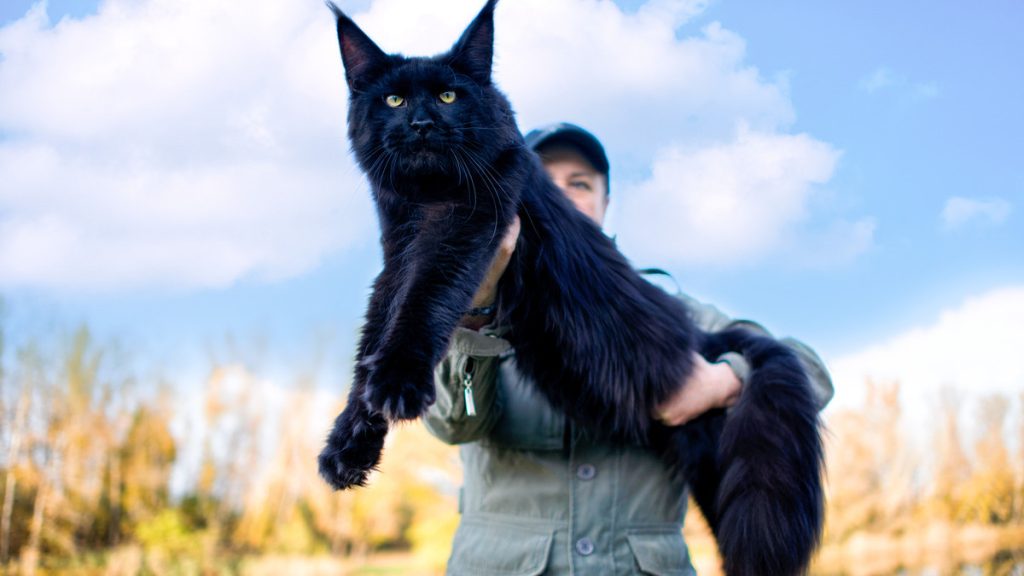
Have you ever wondered just how big cats can get? Whether you’re a cat lover or simply curious, understanding the size range of these fascinating animals can surprise you.
From tiny house pets to giant wild predators, cats come in many shapes and sizes. You’ll discover the biggest cats on Earth and learn what makes them so massive. Keep reading—you might be amazed by just how large some cats can grow!

Credit: headsupfortails.com
Domestic Cats Vs. Giant Felines
Cats come in many sizes, from small pets to huge wild animals. Domestic cats are much smaller than giant felines like lions and tigers.
Understanding how big cats can get helps us appreciate their differences. Let’s explore the size of house cats and traits of giant cat species.
Average Size Of House Cats
Most domestic cats weigh between 8 and 10 pounds. Their length ranges from 18 to 20 inches, not counting the tail.
House cats are small, agile, and live comfortably indoors. Some breeds can be bigger or smaller than average.
- Weight: 8 to 10 pounds
- Length: 18 to 20 inches (body only)
- Height: About 9 to 10 inches at the shoulder
- Tail length: Around 12 inches
Traits Of Giant Cat Species
Giant felines include lions, tigers, leopards, and jaguars. They are much larger and stronger than house cats.
These big cats can weigh several hundred pounds. Their size helps them hunt large prey and survive in the wild.
| Species | Average Weight | Length (Body + Tail) | Height at Shoulder |
|---|---|---|---|
| Lion | 330 to 550 pounds | 8 to 10 feet | 3.5 to 4 feet |
| Tiger | 220 to 660 pounds | 8 to 11 feet | 3 to 3.5 feet |
| Leopard | 65 to 200 pounds | 4.25 to 6.25 feet | 2 to 2.5 feet |
| Jaguar | 100 to 250 pounds | 5 to 6 feet | 2 to 2.5 feet |
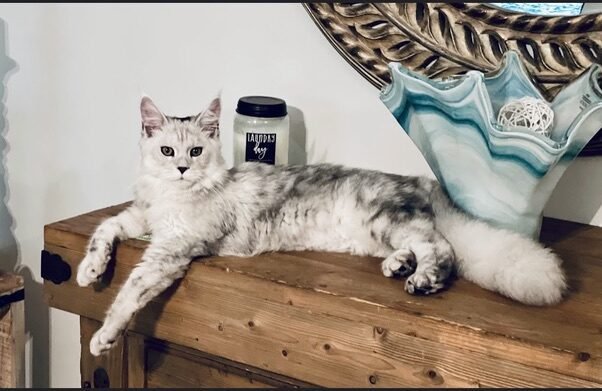
Credit: bellspurr.com
Largest Wild Cats In The World
Wild cats are some of the most powerful animals on Earth. They vary in size, strength, and hunting skills. This article covers the largest wild cats known today.
We will look at the Siberian tiger, the lion, and the jaguar compared to the leopard. These cats show the range of size and power in the wild cat family.
Siberian Tiger Dimensions
The Siberian tiger is the biggest wild cat in the world. It lives mainly in Russia’s forests. Males are larger than females in size and weight.
| Feature | Male | Female |
| Length (head to tail) | 9 to 12 feet (2.7 to 3.7 m) | 7.5 to 9 feet (2.3 to 2.7 m) |
| Weight | 400 to 675 pounds (180 to 306 kg) | 220 to 370 pounds (100 to 167 kg) |
| Height at shoulder | 3.3 feet (1 meter) | 2.6 feet (0.8 meters) |
Lion Size And Strength
Lions are known as the “king of the jungle.” They live in groups called prides. Male lions are bigger and stronger than females.
- Male lions weigh between 330 and 570 pounds (150 to 260 kg).
- Female lions are smaller, weighing 260 to 400 pounds (120 to 180 kg).
- Male lions measure about 8 to 10 feet (2.4 to 3 meters) long including the tail.
- They have strong muscles for hunting and fighting.
Jaguar And Leopard Comparisons
Jaguars and leopards are similar but live in different places. Jaguars live in the Americas. Leopards live in Africa and Asia. Jaguars are usually bigger and stronger.
- Jaguars weigh 100 to 250 pounds (45 to 113 kg).
- Leopards weigh 66 to 176 pounds (30 to 80 kg).
- Jaguars have a stockier build and stronger bite force.
- Leopards are lighter and more agile climbers.
Record-breaking Cat Sizes
Cats can grow to surprising sizes. Both domestic and wild cats have set records for their weight and length.
Let’s explore the biggest cats ever recorded. We will look at the heaviest domestic cats and the largest wild cat specimens.
Heaviest Domestic Cats Recorded
Some domestic cats have grown much larger than usual. The heaviest cats often weigh over 20 pounds. These cats are much bigger than an average house cat.
One of the heaviest domestic cats was a cat named Himmy from Australia. He weighed 44 pounds at his heaviest. Another large cat was a Maine Coon named Barivel, who measured over 3 feet long.
- Himmy – 44 pounds (heaviest domestic cat)
- Barivel – 3 feet 11 inches long (longest domestic cat)
- Maine Coons are often the largest domestic cat breed.
Largest Wild Cat Specimens
Wild cats can grow even bigger than domestic cats. The biggest wild cats include tigers, lions, and jaguars. Tigers are the largest of all wild cats.
The Siberian tiger is the largest tiger subspecies. Some males can weigh over 600 pounds. Lions can weigh up to 550 pounds, and jaguars can be around 250 pounds.
| Wild Cat | Max Weight | Length |
|---|---|---|
| Siberian Tiger | 600+ pounds | 10 feet |
| African Lion | 550 pounds | 8 feet |
| Jaguar | 250 pounds | 6 feet |

Credit: headsupfortails.com
Factors Influencing Cat Size
The size of a cat depends on many different things. Some cats are small, while others grow very big.
Understanding what affects their size helps us care for them better and know what to expect.
Genetics And Breed
A cat’s genes and breed mainly decide how big it will be. Each breed has its own size range.
- Maine Coons are one of the largest breeds and can weigh over 18 pounds.
- Siamese cats are smaller and usually weigh between 6 and 12 pounds.
- Mixed-breed cats have varied sizes depending on their ancestry.
Environment And Diet
The place a cat lives and what it eats also affect its size. Good food helps cats grow well.
| Factor | Effect on Size |
| Quality of Food | Healthy growth and weight gain |
| Space to Exercise | Muscle development and overall health |
| Stress Levels | Can stunt growth if high |
Age And Health
Cats grow quickly in the first year. After that, growth slows down but health stays important.
Key health factors that influence size include:
- Chronic illnesses can reduce growth.
- Parasite infestations may cause weight loss.
- Regular vet care supports proper development.
Impacts Of Size On Behavior And Habitat
Cats come in many sizes, from small house cats to large wild cats. Their size affects how they live and behave. Big cats have different needs than small cats.
We will look at how size changes their hunting, space needs, and body features. This helps us understand how cats survive in nature.
Hunting Techniques And Prey
Bigger cats hunt larger animals and use power to catch prey. Smaller cats rely on speed and stealth. Their size shapes their hunting style and choice of food.
- Large cats often hunt in groups or alone using strength.
- Small cats catch small rodents and birds with quick moves.
- Big cats use ambush tactics to overpower prey.
- Smaller cats use surprise and agility to capture prey.
Territorial Range
Size affects how much space a cat needs. Large cats have bigger ranges to find enough food. Small cats live in smaller areas and often stay hidden.
| Cat Size | Typical Range Size | Reason |
|---|---|---|
| Large Cats | 50 to 200 square miles | Need more prey and space |
| Medium Cats | 10 to 50 square miles | Balance of prey and shelter |
| Small Cats | 1 to 10 square miles | Hunt smaller prey, avoid predators |
Adaptations To Size
Big cats have strong muscles and large teeth to handle big prey. Small cats have sharp claws and fast reflexes to catch small animals quickly.
Here are some key adaptations by size:
- Large cats:Powerful jaws, thick fur, long legs
- Small cats:Agile bodies, sharp claws, excellent night vision
Myths And Facts About Giant Cats
Many people wonder how big cats can get. Stories about giant cats often mix myths with facts. It is important to know what is true.
This article clears up common myths and shares scientific facts about large cats.
Common Misconceptions
Some people believe cats can grow as big as dogs or even larger. Others think all big cats are dangerous to humans. These ideas are not always true.
People also think domestic cats can become giant if fed a lot or kept indoors. This is a myth. Most house cats stay small to medium size.
- Myth: Domestic cats can grow as big as tigers.
- Myth: All large cats are wild and dangerous.
- Myth: Feeding cats more makes them giant.
- Fact: Big cats like lions and tigers are naturally large.
- Fact: Domestic cats have size limits set by genetics.
Scientific Evidence
Scientists study big cats by measuring their size and weight. The largest wild cats, like tigers, can weigh over 600 pounds. Lions are slightly smaller but still large.
Domestic cats usually weigh between 5 to 20 pounds. Genetics, diet, and health limit their growth. No evidence shows domestic cats can grow giant like wild cats.
- Tiger: up to 670 pounds and 10 feet long
- Lion: up to 500 pounds and 8 feet long
- Domestic cat: 5 to 20 pounds and 18 inches long
Frequently Asked Questions
How Big Do Domestic Cats Usually Get?
Domestic cats typically weigh between 8 to 10 pounds. Their size varies by breed, diet, and genetics. Some larger breeds may weigh up to 20 pounds. Most adult domestic cats measure about 18 inches in length, excluding the tail.
What Is The Largest Cat Breed In The World?
The Maine Coon is the largest domestic cat breed globally. Males can weigh up to 25 pounds and grow over 40 inches long. They have a muscular build and thick fur, making them appear even bigger.
How Big Can Wild Cats Like Tigers Grow?
Tigers are the largest wild cats, weighing between 220 to 660 pounds. They can reach lengths of over 10 feet, including their tail. Their size depends on the subspecies and habitat, with Siberian tigers being the biggest.
Can A Cat’s Size Affect Its Health?
Yes, a cat’s size can impact its health. Overweight cats face risks like diabetes and joint problems. Conversely, very small or underweight cats may have nutritional deficiencies. Maintaining a healthy weight is essential for longevity and wellbeing.
Conclusion
Cats come in many sizes, from small to surprisingly large. Each breed has its unique growth potential. Understanding this helps in choosing the right pet for you. Maine Coons and Savannahs are some of the largest. They can weigh over 20 pounds.
This size brings unique care needs. Larger cats need more space and food. Ensuring their health is vital. Regular vet visits and a balanced diet are key. Choose a cat that fits your lifestyle. Whether big or small, cats bring joy and companionship.
Their size just adds to their charm.