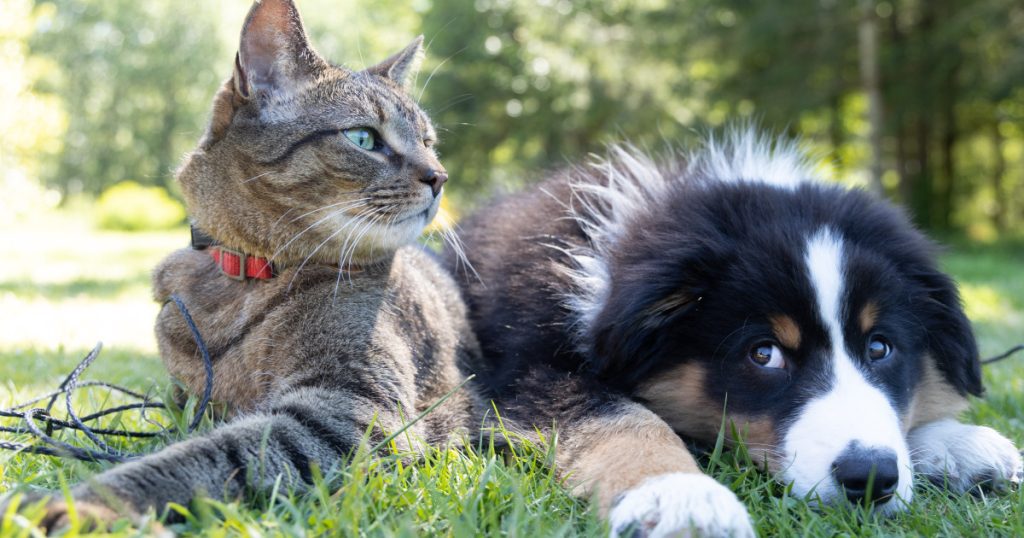
If you have both a dog and a cat or are thinking about adding a furry friend to your home, you probably wonder which dog breeds get along best with cats. Choosing the right dog can make all the difference in creating a peaceful, happy household where your pets feel safe and loved.
You’ll discover which dog breeds are known for their gentle nature around cats and why they make the perfect companions. Keep reading to find out how you can bring harmony to your pet family with the right choice.

Credit: www.goodhousekeeping.com
Traits Of Dog Breeds That Get Along With Cats
Not all dogs get along well with cats. Some breeds have traits that make them better companions for cats.
Understanding these traits helps in choosing a dog that will live peacefully with your feline friend.
Temperament And Social Nature
Dog breeds that are friendly and calm tend to get along better with cats. Patience and gentleness are important traits.
- Dogs that are tolerant of small animals are good choices.
- Breeds known for being social and easygoing adapt well to cats.
- Non-aggressive dogs reduce the chance of conflicts.
- Dogs that show less prey drive are safer around cats.
Energy Levels And Playfulness
Matching the dog’s energy level with the cat’s activity helps create harmony. Playful dogs can be fun but may overwhelm shy cats.
| Energy Level | Effect on Cats |
| Low to Moderate | Calms cats, less stressful |
| High | May scare or annoy cats |
| Balanced Playfulness | Encourages gentle interaction |
Size And Strength Considerations
Smaller or medium-sized dogs often handle living with cats better. Large dogs can accidentally hurt cats.
Consider these size traits:
- Small dogs are less intimidating to cats.
- Medium dogs balance strength and gentleness.
- Very large dogs need careful supervision around cats.

Credit: tryfurgo.com
Small Dog Breeds Friendly To Cats
Many small dog breeds get along well with cats. Choosing the right breed helps create a peaceful home. Friendly dogs can live happily with your feline friends.
Here are some small dog breeds known for their gentle nature and friendliness toward cats. Each has unique traits that make them great companions.
Cavalier King Charles Spaniel
The Cavalier King Charles Spaniel is a calm and loving breed. They enjoy gentle play and are patient with cats. Their friendly nature helps them blend well in homes with feline pets.
Bichon Frise
Bichon Frises are cheerful and social dogs. They usually accept cats as part of the family. Their playful personality keeps both pets happy.
- Cheerful and playful
- Small size, easy to manage
- Gentle with other animals
- Requires regular grooming
Papillon
Papillons are smart and alert dogs. They can be friendly with cats if socialized early. Their small size and gentle nature make them good companions for cats.
| Breed | Temperament | Size | Cat Friendliness |
| Cavalier King Charles Spaniel | Calm and loving | 13-18 lbs | High |
| Bichon Frise | Cheerful and social | 12-18 lbs | High |
| Papillon | Smart and alert | 4-9 lbs | Moderate to High |
Medium Dog Breeds That Coexist Well With Cats
Many medium-sized dogs can live happily with cats. Choosing the right breed helps create a peaceful home.
Some dogs have calm temperaments that fit well with feline friends. Understanding these breeds makes pet care easier.
Golden Retriever
Golden Retrievers are friendly and gentle dogs. They usually get along well with cats.
They have patient personalities and enjoy company. This breed is often calm and tolerant around cats.
Beagle
Beagles are curious and playful dogs. They can live peacefully with cats if trained properly.
These dogs have a strong sense of smell and love exploring. Early socialization helps them accept cats as family.
Bulldog
Bulldogs are calm and sturdy dogs. They tend to be gentle with cats in the home.
This breed usually has a low energy level. Their laid-back nature helps them coexist with feline pets.
Large Dog Breeds Known For Cat Compatibility
Some large dog breeds can live peacefully with cats. Their gentle nature helps them get along well.
Choosing the right dog breed is important if you have cats at home. These dogs usually accept cats as family.
Labrador Retriever
Labrador Retrievers are friendly and calm dogs. They often enjoy the company of cats and other pets.
These dogs are patient and gentle, which helps them bond with cats. They rarely show aggression.
Newfoundland
Newfoundlands are large but very gentle dogs. They have a calm nature that suits homes with cats.
These dogs are protective but not aggressive. They usually accept cats as part of the family group.
Collie
Collies are smart and friendly dogs. They tend to get along well with cats and other animals.
They have a gentle temperament and enjoy socializing. Collies often live happily with cats in the same home.
Tips For Introducing Dogs To Cats
Introducing dogs to cats requires patience and care. A smooth introduction can help both pets feel safe.
Follow specific steps to reduce stress and build a good relationship between your dog and cat.
Controlled First Meetings
Start with short, calm meetings in a quiet room. Keep the dog on a leash to prevent chasing.
- Let the cat explore and approach the dog if comfortable
- Use treats to reward calm behavior from both pets
- Keep meetings under 10 minutes to avoid stress
- Repeat meetings daily and watch their reactions
Recognizing Body Language
Watch the pets closely to understand their feelings. Body language shows if they are relaxed or stressed.
| Behavior | Meaning |
| Tail wagging (dog) | Excited or friendly |
| Growling (dog) | Warning or fear |
| Puffed-up tail (cat) | Fear or aggression |
| Slow blinking (cat) | Calm and trusting |
Maintaining Separate Spaces
Give each pet a safe space to retreat. Separate feeding and sleeping areas help reduce conflict.
- Use baby gates to limit access
- Place cat trees or shelves for high resting spots
- Keep litter boxes in quiet areas
- Provide separate toys and beds

Credit: www.goodhousekeeping.com
Training Dogs For Better Cat Interaction
Teaching dogs how to behave around cats helps keep peace in the home. Proper training lowers the chance of fights and stress for both pets.
Training should start early and focus on respect and calmness. Dogs learn to share space safely with cats through clear guidance.
Basic Obedience Commands
Simple commands like “sit,” “stay,” and “leave it” help control a dog’s actions near cats. These commands set limits and prevent chasing or rough behavior.
Practice these commands daily in different places. This helps dogs listen even when excited or distracted by a cat.
- Teach “sit” to calm your dog before meeting a cat.
- Use “stay” to keep your dog still near a cat.
- “Leave it” stops dogs from chasing or bothering cats.
Positive Reinforcement Techniques
Rewarding good behavior motivates dogs to act calmly around cats. Use treats, praise, or petting to show approval.
Ignore or redirect unwanted behavior instead of punishing. Positive actions build trust and create a peaceful bond between pets.
- Give treats when your dog ignores the cat.
- Praise your dog for gentle behavior near the cat.
- Redirect attention with toys if your dog gets too excited.
Managing Prey Drive
Some dogs have a strong urge to chase smaller animals like cats. Managing this drive helps keep cats safe and dogs calm.
Use controlled walks and leash training to limit chasing. Teach your dog to focus on you instead of the cat during walks or playtime.
- Use a leash to control your dog near cats.
- Practice recall commands to call your dog away.
- Provide plenty of exercise to reduce chasing energy.
Signs Of A Healthy Dog-cat Relationship
A good relationship between a dog and a cat shows in how they behave together. They feel safe and happy around each other.
Watching their actions can help you see if they get along well. Here are some clear signs to look for.
Shared Relaxation And Play
Dogs and cats that are friends often relax near each other. They may also play gently without fear or anger.
- Resting close without signs of stress
- Chasing toys or playing games together
- Showing loose, calm body language
- Taking naps near each other
Respecting Boundaries
Each pet respects the other’s space. They avoid bothering each other when one wants to be alone or eat.
| Behavior | What It Means |
| Walking away calmly | Giving space when needed |
| No growling or hissing | Feeling safe and calm |
| Waiting patiently | Respecting feeding or resting times |
| Not chasing aggressively | Understanding limits |
Mutual Grooming And Affection
Dogs and cats that trust each other may groom or touch gently. This shows they care and feel close.
Signs of mutual affection include:
- Light licking or nibbling of fur
- Soft rubbing of heads or bodies
- Sleeping curled up together
- Sharing toys or resting spots
Frequently Asked Questions
Which Dog Breeds Get Along Best With Cats?
Breeds like Golden Retrievers, Beagles, and Basset Hounds are known to coexist well with cats. These dogs tend to be gentle, friendly, and less aggressive, making them ideal companions for feline friends.
Can Small Dog Breeds Live Peacefully With Cats?
Yes, many small breeds like Cavalier King Charles Spaniels and Pugs usually adapt well to cats. Their calm and social nature helps reduce tension and promotes harmony in a multi-pet household.
Are Certain Dog Breeds Not Good With Cats?
Yes, breeds with strong prey drives like Greyhounds and Huskies may chase cats. They require careful introduction and supervision to ensure a safe relationship between pets.
How To Introduce A Dog Breed To A Cat Safely?
Introduce them slowly in a controlled environment. Use leashes and positive reinforcement. Monitor their behavior closely until they feel comfortable around each other.
Conclusion
Finding a dog breed that gets along with cats can be rewarding. Friendly breeds exist, offering harmony in mixed-pet homes. Labrador Retrievers and Golden Retrievers often coexist peacefully with cats. Beagles and Basset Hounds show patience and gentleness. Socialization plays a key role in their compatibility.
Introduce pets slowly and observe interactions. Each dog and cat has a unique personality. Compatibility may vary. Always consider individual traits and needs. With care and patience, dogs and cats can become great friends. Enjoy the joy of a harmonious pet household.