
Are you wondering how your cat’s behavior might change now that she’s pregnant? You’re about to discover the surprising ways your feline friend will act differently during this special time.
Understanding these changes will help you care for her better and keep her comfortable. Keep reading to learn what signs to watch for and how to support your pregnant cat every step of the way.

Credit: www.reddit.com
Changes In Appetite
Pregnant cats often show clear changes in their eating habits. These changes help support their growing kittens. Understanding these shifts can help cat owners care better for their pets.
Two main appetite changes appear: an increase in food intake and a preference for specific foods. Each change plays a role in the cat’s health during pregnancy.
Increased Food Intake
Pregnant cats usually eat more than usual. Their bodies need extra energy and nutrients to support their babies. This increase can start early and grow as pregnancy progresses.
- They may finish their meals faster.
- They might ask for food more often.
- They may seem restless or hungry between meals.
Preference For Specific Foods
Some pregnant cats develop strong likes or dislikes for certain foods. These changes can be surprising but are normal. Their senses and tastes may shift during pregnancy.
| Food Type | Possible Change |
| Wet Food | More appealing due to smell and texture |
| Dry Food | May be less interesting or ignored |
| Protein-Rich Foods | Preferred for growth support |
| Strong-Smelling Foods | Can trigger strong cravings or aversions |

Credit: catsforlife.co
Physical Behavior Shifts
Pregnant cats show clear changes in their physical behavior. These changes help them prepare for their kittens.
Understanding these shifts helps cat owners provide better care. The main changes include activity levels and resting habits.
Reduced Activity Levels
Pregnant cats become less active as their pregnancy progresses. They may move slower and avoid jumping.
This reduction in activity helps protect the growing kittens inside. Cats spend more time sitting or lying down.
- Less running and playing
- Slower movements
- More time resting
Resting And Nesting Habits
Pregnant cats rest more and look for quiet places. They start nesting to prepare for birth.
Nesting means gathering soft items and finding a safe spot. This behavior appears in the last weeks of pregnancy.
- Seeking warm, quiet areas
- Arranging blankets or soft materials
- Preferring hidden or cozy spots
Emotional And Social Changes
A pregnant cat shows clear emotional and social changes. These changes help her prepare for motherhood. Understanding these behaviors helps you care for her better.
Her mood and actions may be different from usual. Some cats become very loving, while others may want to be alone. Both are normal signs of pregnancy.
Increased Affection
Pregnant cats often seek more attention and love. They may follow you around or purr more. They want to feel safe and comforted during this time.
- More purring and rubbing against you
- Resting close to you or on your lap
- Seeking gentle petting and stroking
- Being more vocal to get your attention
Seeking Solitude
Some pregnant cats look for quiet and alone time. This helps them feel safe and lowers stress. They may hide or stay in a cozy spot.
| Behavior | Reason |
| Hiding in small, quiet places | Feeling safe and protected |
| Less social interaction | Reducing stress and conserving energy |
| Choosing a nesting spot | Preparing for birth and kittens |
Identifying Pregnancy Signs
Pregnant cats show certain signs that help identify their condition. Watching these signs can guide you to care for her properly.
These signs usually appear within a few weeks after mating. Recognizing them early helps to prepare for the kitten’s arrival.
Nipple Color And Size Changes
The nipples of a pregnant cat become larger and pinker than usual. This change is one of the first visible signs of pregnancy.
The nipples may also become more prominent and stand out from the fur. This helps prepare her body for nursing the kittens.
- Nipples grow bigger and swell
- Color changes to a pink or reddish hue
- Nipples become more visible through the fur
- These changes start about three weeks after mating
Weight Gain Patterns
Pregnant cats usually gain weight steadily during pregnancy. This happens as the kittens grow inside the mother.
The belly will start to expand noticeably after about four weeks. The weight gain is a clear sign that the cat is pregnant.
- Weight gain begins around the fourth week
- The belly becomes rounder and larger
- Weight gain continues until birth
- Healthy weight gain shows kitten growth inside
Essential Care Tips
Caring for a pregnant cat needs attention and gentle care. Pregnant cats show changes in behavior and needs. Understanding these helps keep your cat healthy and comfortable.
This guide covers key areas to support your cat during pregnancy. Focus on diet, environment, and health checkups to provide the best care possible.
Nutrition And Diet Adjustments
A pregnant cat needs more nutrients and calories. Feeding her the right food helps her and her kittens grow strong.
- Give high-quality kitten food for extra protein and energy.
- Feed smaller meals more often throughout the day.
- Ensure fresh water is always available.
- Avoid giving raw meat or fish to prevent infections.
- Do not add supplements without vet advice.
Safe Environment Setup
Pregnant cats need a calm and safe place to rest and prepare for birth. Make sure her space is clean and quiet.
| Environment Aspect | Care Tip |
| Resting Area | Provide a soft bed in a quiet corner. |
| Temperature | Keep the room warm but not too hot. |
| Safety | Remove sharp objects and toxic plants nearby. |
| Privacy | Limit visitors to reduce stress. |
Regular Vet Checkups
Vet visits are important to track the health of your cat and her kittens. The vet can spot problems early and give advice.
Follow this simple vet checkup schedule:
- Visit at confirmation of pregnancy.
- Follow-up checks every 3 to 4 weeks.
- Final check before expected birth date.
Keep a record of all vet visits and any treatments given.
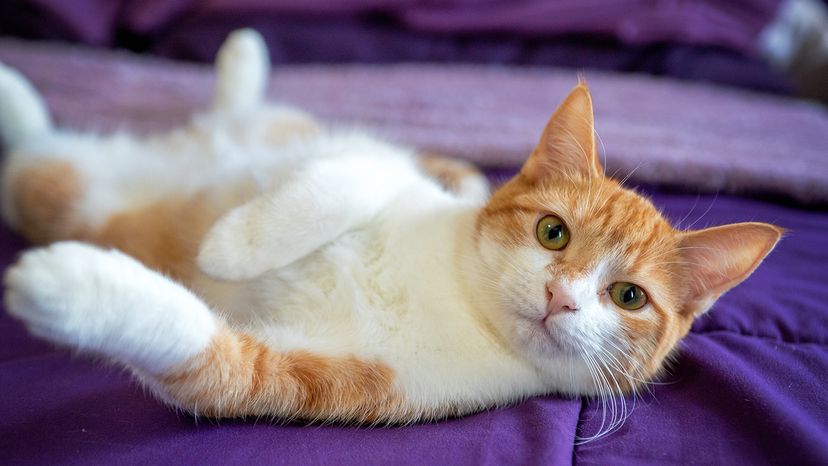
Credit: animals.howstuffworks.com
Preparing For Birth
Pregnant cats show special behavior as they get closer to birth. They start to prepare their space and act differently.
Knowing how to help your cat during this time is important. You can watch her for signs that she is ready to give birth.
Creating A Nesting Area
Cats need a safe and quiet place to give birth. You can help by setting up a nesting area for her.
- Choose a warm, calm room away from noise.
- Place a box or basket lined with soft towels or blankets.
- Make sure the area is clean and free from drafts.
- Keep food and water nearby but not inside the nest.
- Let your cat explore the area so she feels comfortable.
Recognizing Labor Signs
It is important to know the signs that your cat is going into labor. These signs tell you that the birth is near.
| Sign | Description |
| Restlessness | The cat moves around a lot and seems uneasy. |
| Loss of Appetite | She may stop eating a few hours before labor starts. |
| Temperature Drop | Her body temperature falls below normal (about 99°F). |
| Vocalizing | Meowing or crying more than usual. |
| Contractions | Visible muscle tightening in her abdomen. |
Frequently Asked Questions
How Does A Pregnant Cat’s Behavior Change?
Pregnant cats often become more affectionate and seek extra attention. They may also show nesting instincts and reduced activity. These changes help prepare them for motherhood.
What Signs Indicate A Cat Is Pregnant?
Signs include morning sickness, increased appetite, weight gain, and enlarged nipples. Behavioral changes like nesting and seeking comfort also appear as pregnancy progresses.
How Long Is A Cat’s Pregnancy?
A cat’s pregnancy typically lasts about 63 to 65 days. This short gestation means noticeable changes happen quickly, requiring prompt care.
Should I Change My Pregnant Cat’s Diet?
Yes, pregnant cats need more calories and nutrients. Feeding high-quality kitten food supports fetal growth and keeps the mother healthy during pregnancy.
Conclusion
Understanding a pregnant cat’s behavior is essential for proper care. Notice changes in her habits and needs. Offer comfort, a safe space, and love. This ensures a healthy pregnancy and strong bond. Look for signs of labor approaching. Prepare for the arrival of kittens.
Provide a calm environment and nutritious diet. Regular vet check-ups are crucial for her health. Be attentive and patient as her due date nears. Knowing her behavior helps you support her well. Your efforts will lead to a happy and healthy feline family.