Are you tired of watching your beloved cat scratch endlessly? Fleas can be a pesky problem, causing discomfort for your furry friend and a headache for you.
You’ve probably heard about flea collars as a potential solution, but do they really work? We’ll dive into the effectiveness of flea collars for cats, separating fact from fiction. Discover the truth about how these collars operate, what makes them tick, and whether they’re the right choice for your cat.
Stick around to uncover the secrets behind flea collars and find out how you can ensure a happy, flea-free life for your feline companion.
How Flea Collars Work
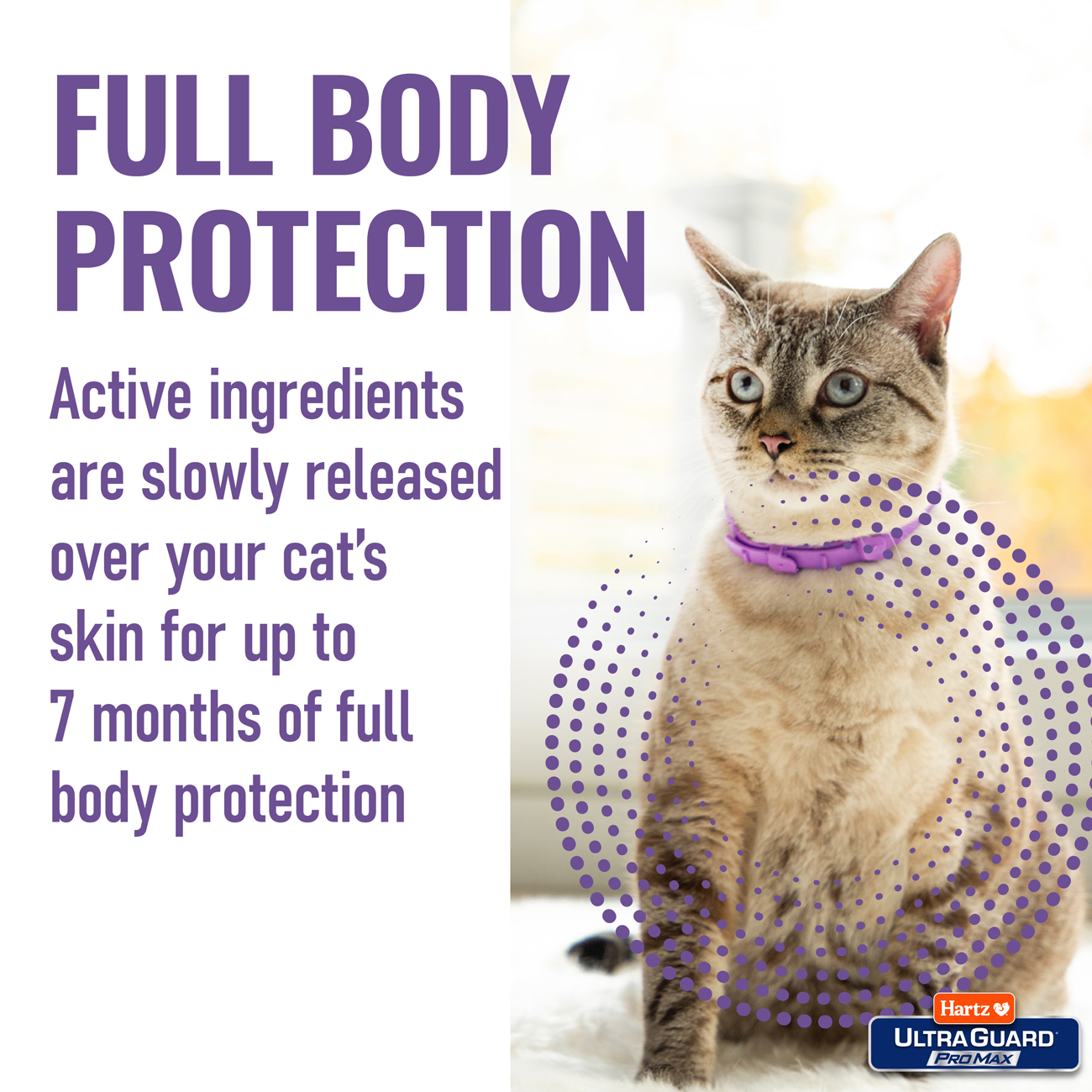
Flea collars help protect cats from fleas. They slowly release chemicals that kill or repel fleas.
The chemicals spread over the cat’s fur and skin. This stops fleas from biting and living on the cat.
Active Ingredients In Flea Collars
Flea collars contain special chemicals that target fleas. These ingredients vary but have a strong effect on pests.
Common active ingredients include insecticides and repellents. These help keep fleas away or kill them quickly.
- Imidacloprid
- Flumethrin
- Permethrin (not for cats)
- Spinosad
- Pyrethroids
Mechanism Of Action On Fleas
Flea collars release active ingredients slowly. These chemicals spread on the cat’s skin and fur.
The chemicals attack the flea’s nervous system or repel them. This stops fleas from feeding and breeding.
- Interrupt flea nerve signals causing death
- Repel fleas so they stay away
- Prevent flea eggs from hatching
Duration Of Effectiveness
Most flea collars work for several weeks. The exact time depends on the brand and ingredients.
Some collars protect cats for up to 8 months. Others need replacement every few weeks for best results.
- Short-term collars: 4 to 6 weeks
- Long-term collars: 6 to 8 months
- Replace collar once effectiveness ends
Types Of Flea Collars
Flea collars come in different types to protect cats from fleas. Each type works in a unique way to keep fleas away.
Choosing the right collar depends on your cat’s needs and your preferences. Let’s explore the main types of flea collars.
Chemical-based Collars
Chemical-based collars use insecticides to kill fleas. They release chemicals slowly over time to protect your cat.
These collars are strong and work fast, but some cats may have skin reactions to the chemicals.
- Contain synthetic chemicals like pyrethroids
- Kill and repel fleas and ticks
- Usually last from 3 to 8 months
- May cause irritation in sensitive cats
Natural And Organic Options
Natural flea collars use plant oils and herbal ingredients. They work by repelling fleas instead of killing them.
| Ingredient | Effect | Duration |
| Lavender oil | Repels fleas | Up to 2 months |
| Citronella | Deters fleas and ticks | 1 to 3 months |
| Neem oil | Natural insect repellent | Up to 3 months |
These collars are gentle on cats and safe for homes with children. They may need to be replaced more often.
Long-lasting Vs Short-term Collars
Flea collars vary in how long they protect your cat. Some last several months, others only a few weeks.
- Long-lasting collars:Provide protection for 6 to 8 months
- Short-term collars:Work for 1 to 3 months
- Choose based on how often you want to replace the collar
- Long-lasting collars may cost more but need less frequent changes
Consider your cat’s lifestyle and flea risk when picking the collar length.
Effectiveness For Cats
Flea collars are a popular choice for cat owners to control fleas. They claim to repel or kill fleas on cats. But many wonder if these collars really work well for cats.
This article looks at how effective flea collars are. We will review studies, factors that affect their performance, and common misunderstandings.
Studies And Research Findings
Research shows that flea collars can reduce flea numbers on cats. Some collars release chemicals that kill fleas quickly. Others repel fleas to stop them from biting.
Studies differ on how long collars work. Some work for weeks, others for months. Effectiveness depends on the collar type and the cat’s environment.
- Some collars kill fleas within hours of contact.
- Others slowly release insecticides over time.
- Studies show collars can lower flea infestations by 50% or more.
- Collars are less effective if cats swim or groom often.
Factors Affecting Performance
Several factors change how well flea collars work on cats. These include the cat’s behavior, collar quality, and flea resistance.
| Factor | Impact on Collar Effectiveness |
| Cat Grooming | Reduces collar chemicals by licking or biting |
| Swimming or Bathing | Washes off chemicals, lowers protection |
| Collar Fit | Loose collars may not release chemicals properly |
| Flea Resistance | Some fleas may be immune to collar chemicals |
| Environment | High flea areas need stronger or multiple treatments |
Common Misconceptions
Many people believe flea collars protect cats fully and instantly. Others think collars are unsafe or cause health problems. These ideas need clarification.
- Flea collars usually reduce fleas but may not eliminate all.
- Collars take time to work; they do not kill fleas instantly.
- Proper collar fit is important for safety and effect.
- Some cats may react to collar ingredients; watch for irritation.
- Flea collars are best as part of a full flea control plan.

Credit: www.hartz.com
Safety Considerations
Flea collars help protect cats from fleas and ticks. It is important to use them safely to avoid harm to your pet. Understanding safety issues can keep your cat healthy and comfortable.
Read the instructions carefully and watch for any signs of problems. Not all flea collars are the same, and some cats may react differently.
Potential Side Effects
Flea collars can cause side effects in some cats. These may include skin irritation, hair loss, or allergic reactions. Cats may scratch or bite the collar area if it bothers them.
- Redness or swelling around the neck
- Excessive scratching or licking
- Hair falling out near the collar
- Vomiting or diarrhea in rare cases
Proper Usage Guidelines
Use the flea collar as directed on the packaging. Make sure it fits well but is not too tight. Replace the collar according to the product’s time frame.
| Guideline | Details |
| Fit | Leave space for two fingers between collar and neck |
| Check Often | Look for signs of irritation or damage |
| Remove When Needed | Take off collar if side effects appear |
| Replace | Follow recommended replacement schedule |
When To Avoid Flea Collars
Some cats should not wear flea collars. Avoid using collars on kittens under a certain age or on cats with skin problems. Pregnant or nursing cats may also need alternative treatments.
- Kittens younger than 8 weeks
- Cats with open wounds or skin infections
- Cats with allergies to collar ingredients
- Pregnant or nursing cats unless approved by a vet
Alternatives To Flea Collars
Flea collars are common but not the only way to protect cats. Many alternatives offer safe and effective flea control.
These options target fleas in different ways and can suit cats with various needs and sensitivities.
Topical Treatments
Topical treatments are liquids applied to the cat’s skin. They kill fleas quickly and last for weeks.
- Easy to use by applying between the shoulder blades
- Water-resistant once dry
- Some protect against ticks and mites too
Oral Medications
Oral medicines kill fleas from inside the cat’s body. They come as pills or chewables.
| Type | Effect Duration | Notes |
| Pills | 1 month | Must be given with food |
| Chewables | 1 month | Flavored for easy acceptance |
| Injection | 3-6 months | Given by a vet |
Environmental Control Measures
Cleaning the cat’s environment helps stop fleas from coming back. This includes your home and outdoor areas.
- Vacuum floors, carpets, and furniture often
- Wash pet bedding in hot water weekly
- Use flea sprays or powders on carpets and furniture
- Keep the yard free of debris and tall grass
- Consider flea traps to catch adult fleas
Credit: www.hartz.com
Tips For Choosing The Right Flea Collar
Flea collars can help protect your cat from fleas. But not all flea collars work the same way. It is important to pick the right one for your cat.
This guide will help you understand how to choose a flea collar that fits your cat’s needs. Read carefully to make a good choice.
Assessing Your Cat’s Needs
Every cat is different. Some cats have sensitive skin or allergies. Others may spend more time outside where fleas are common. Know your cat’s lifestyle and health before buying a collar.
- Check if your cat has allergies or skin problems
- Consider how much time your cat spends outdoors
- Think about your cat’s age and weight
Reading Product Labels
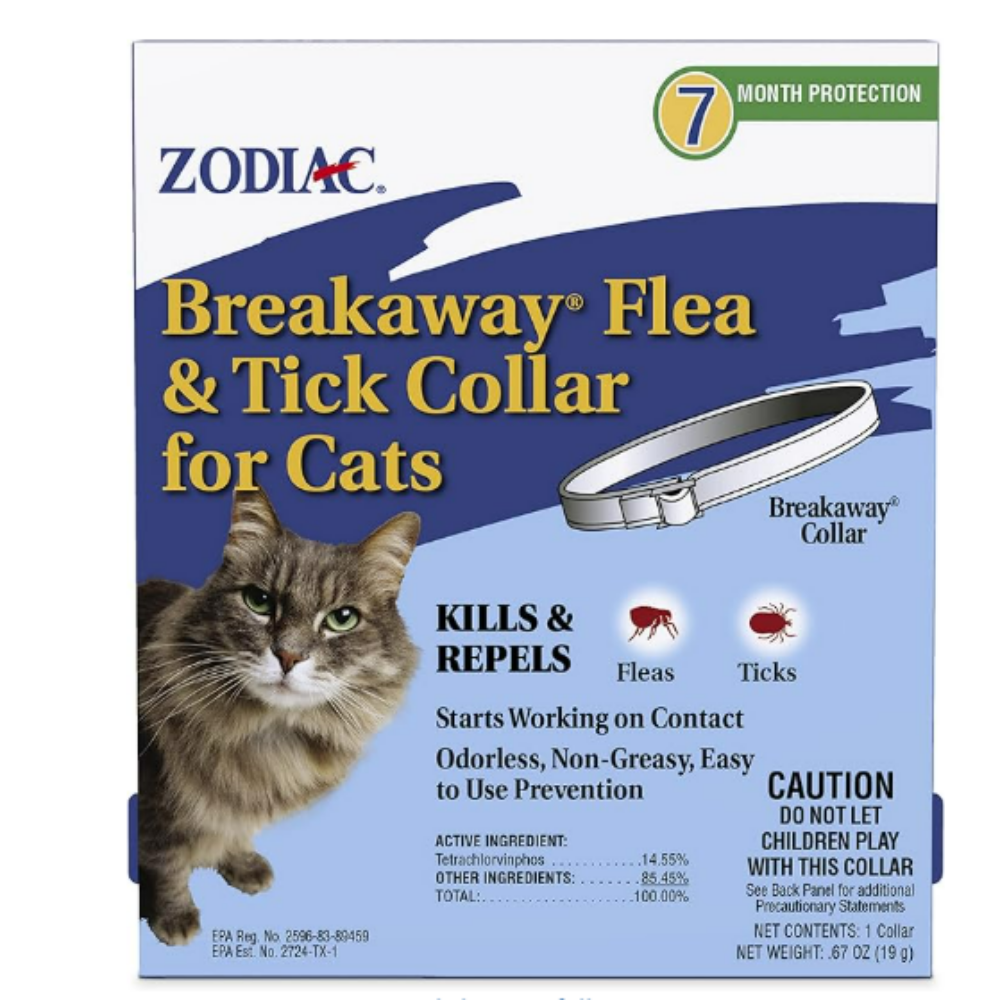
Product labels give important details. Look for the active ingredients and how the collar works. Some collars kill fleas, others repel them. Check how long the collar lasts and if it is safe for cats.
- Look for ingredients safe for cats
- Check how long the collar’s protection lasts
- Read warnings about side effects or risks
- Choose collars made for cats, not dogs
Consulting Your Veterinarian
Your vet knows your cat’s health history. Ask your vet if a flea collar is right for your cat. They can suggest the best products and warn you about any risks.
Getting advice from a vet helps keep your cat safe and flea-free. Always follow the vet’s instructions when using a flea collar.
Credit: www.petsradar.com
Frequently Asked Questions
Do Flea Collars Effectively Kill Fleas On Cats?
Flea collars can kill fleas but vary in effectiveness. Some collars repel and kill fleas quickly. Others may take days to work. Always choose collars with proven ingredients for best results.
How Long Do Flea Collars Last On Cats?
Most flea collars provide protection for 8 to 12 weeks. Duration depends on the brand and active ingredients. Replace collars as recommended to maintain flea control.
Are Flea Collars Safe For All Cats?
Flea collars are generally safe but not for kittens under 8 weeks or cats with allergies. Always check product warnings and consult your vet before use.
Can Flea Collars Prevent Future Flea Infestations?
Yes, flea collars help prevent infestations by repelling fleas. However, combining collars with regular cleaning improves long-term flea control effectiveness.
Conclusion
Flea collars can help reduce fleas on cats but are not perfect. Some collars work better than others, depending on the brand and ingredients. Always watch your cat for any skin reactions or discomfort. Combining collars with regular cleaning and vet advice gives the best results.
Fleas can be stubborn pests, so patience is key. Keep your cat safe and flea-free with smart, steady care.