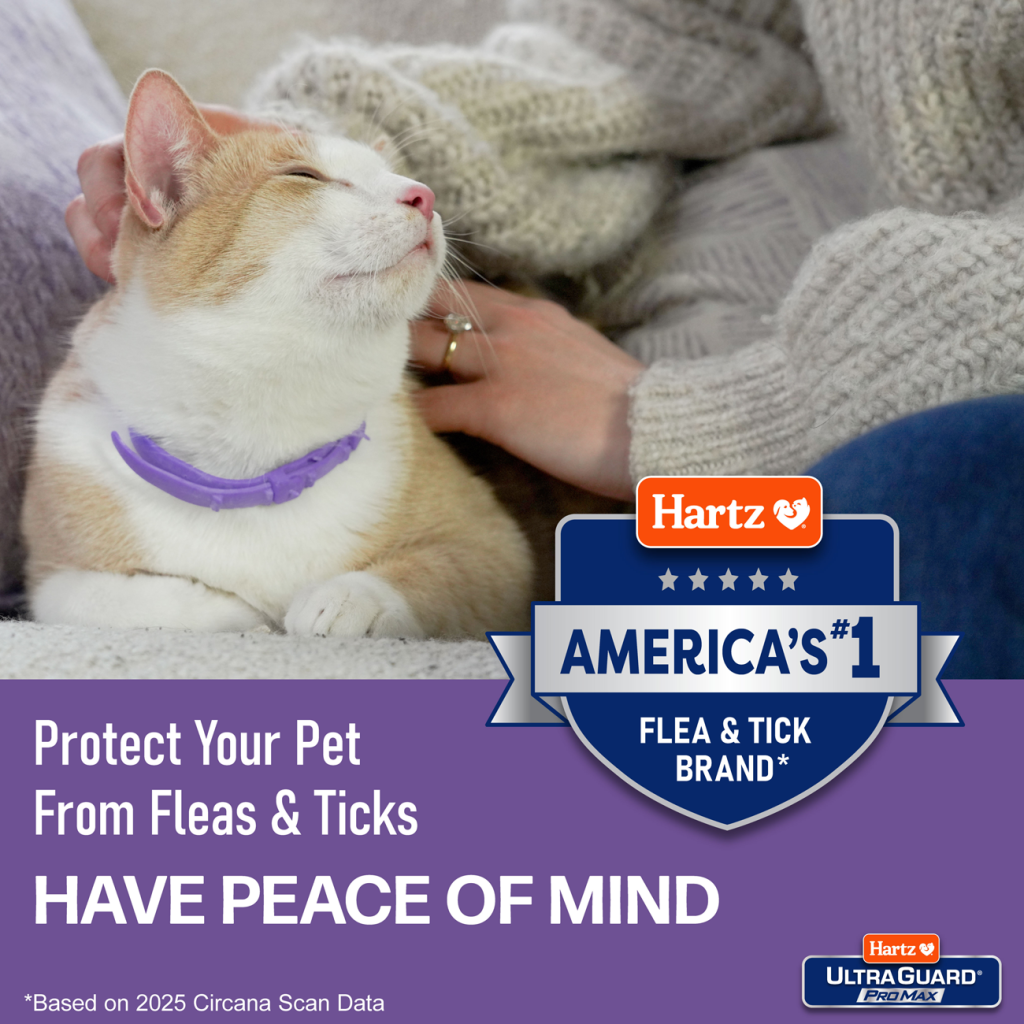
Are you worried about the safety of flea collars for your cat? You’re not alone.
As a caring pet owner, you want the best for your furry friend, ensuring they are comfortable and healthy. Flea collars are a popular choice for keeping those pesky parasites at bay, but have you ever wondered if they might be doing more harm than good?
We’ll uncover the truth about flea collars and their potential risks, helping you make an informed decision for your beloved cat. Stay with us as we explore the facts, so you can protect your pet without compromising their well-being.
How Flea Collars Work
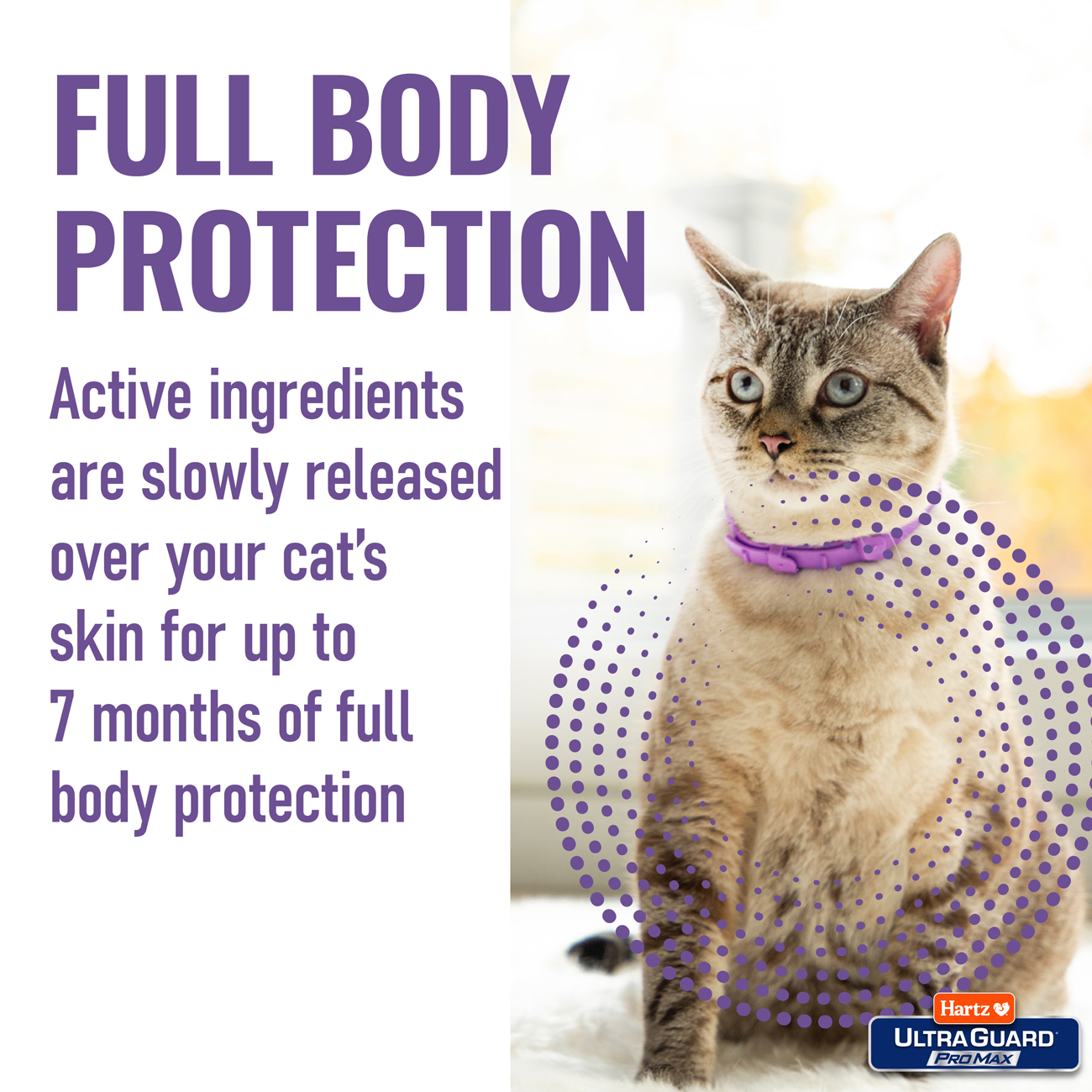
Flea collars protect cats by stopping fleas from biting and breeding. They release chemicals that kill or repel fleas.
The collar’s active ingredients spread over the cat’s skin and fur. This helps keep fleas away for weeks or months.
Types Of Flea Collars
There are different flea collars for cats. Some work by repelling fleas, while others kill them on contact.
- Waterproof collars last longer and work even if wet
- Natural collars use herbal oils to repel fleas
- Chemical collars release insecticides to kill fleas
Active Ingredients Explained
Flea collars contain chemicals that target fleas and ticks. Each ingredient works differently to protect your cat.
- Imidacloprid kills fleas by affecting their nervous system
- Flumethrin repels and kills ticks and fleas
- Piperonyl butoxide increases the effect of other ingredients
- Natural oils like citronella repel fleas without chemicals
Application And Duration
Flea collars are easy to use. Put the collar around your cat’s neck and adjust it to fit comfortably.
Most collars work for several weeks. Check the label for exact duration and replace the collar as needed.
- Remove the collar before bathing your cat if not waterproof
- Keep the collar loose enough to fit two fingers under it
- Replace the collar after the recommended time for full protection
Common Side Effects In Cats
Flea collars help protect cats from fleas. But some cats may have side effects from these collars.
Knowing these side effects can help you watch your cat closely after using a flea collar.
Skin Irritations
Some cats get skin problems from flea collars. Their skin might become red or itchy where the collar touches.
Rashes or hair loss can also happen if the collar irritates the skin too much.
- Redness around the neck
- Itching or scratching at the collar
- Hair loss near the collar area
- Swelling or bumps on the skin
Behavioral Changes
Some cats act differently after wearing a flea collar. They may seem restless or more tired than usual.
Changes in mood or activity can be signs the collar is bothering your cat.
- Increased restlessness
- Hiding more than usual
- Less appetite
- Unusual aggression or irritability
Gastrointestinal Issues
Some cats may have stomach problems from flea collars. This can happen if they lick or chew the collar.
Vomiting or diarrhea can occur as a reaction to the chemicals in the collar.
- Vomiting
- Diarrhea
- Drooling more than usual
- Loss of appetite
Severe Reactions And Symptoms
Flea collars can sometimes cause serious health issues in cats. It is important to recognize the signs of severe reactions. Early detection helps in getting quick treatment for your pet.
This guide covers three main types of severe symptoms: allergic responses, neurological signs, and respiratory problems. Each section explains what to look for and why these signs matter.
Allergic Responses
Some cats develop allergies to ingredients in flea collars. These allergies can lead to skin irritation and other issues. Watch for redness, swelling, and hair loss around the collar area.
- Itching or scratching more than usual
- Red or inflamed skin
- Hair thinning or bald spots
- Rashes or bumps on the skin
- Swelling around the neck
Neurological Signs
Some flea collars contain chemicals that may affect the nervous system. Cats can show unusual behaviors or movements if they are affected.
| Symptom | Description |
| Tremors | Shaking or trembling of the body |
| Seizures | Uncontrolled muscle movements or convulsions |
| Weakness | Difficulty walking or standing |
| Disorientation | Confused or unusual behavior |
Respiratory Problems
Respiratory issues may occur if the cat inhales chemicals from the flea collar. These problems can be serious and need quick attention.
Signs of respiratory problems include:
- Coughing or wheezing
- Rapid or labored breathing
- Open-mouth breathing
- Nasal discharge or sneezing
- Lethargy or weakness
Factors Increasing Risk
Flea collars can sometimes make cats sick. Certain factors raise the risk of problems.
Knowing these factors helps protect your cat from harm caused by flea collars.
Cat’s Age And Health
Young kittens and older cats have weaker immune systems. This makes them more sensitive to flea collar chemicals.
Cats with existing health issues may react badly to flea collars. Their bodies cannot handle the chemicals well.
- Kittens under 12 weeks should avoid flea collars.
- Sick or weak cats need vet advice before use.
- Older cats may show signs of irritation or sickness.
Improper Use Or Dosage
Using the wrong type of flea collar can harm cats. Too strong or too much chemical causes sickness.
Not following instructions leads to overdosing. This can cause skin problems or poisoning symptoms.
- Choose collars made for cats, not dogs.
- Use the right size and strength for your cat.
- Replace collars only as often as the label says.
Interactions With Other Medications
Some flea collar chemicals can react with other medicines your cat takes. This can increase side effects.
Always tell your vet about all drugs or treatments before using a flea collar.
- Check if the collar’s chemicals clash with pills or creams.
- Watch for unusual symptoms if your cat uses multiple treatments.
- Ask a vet to recommend safe flea control options.
Safe Flea Collar Usage Tips
Flea collars can help keep cats free from fleas. Using them safely is very important to protect your cat’s health.
Some flea collars can cause problems if not used correctly. Follow these tips to avoid making your cat sick.
Choosing The Right Collar
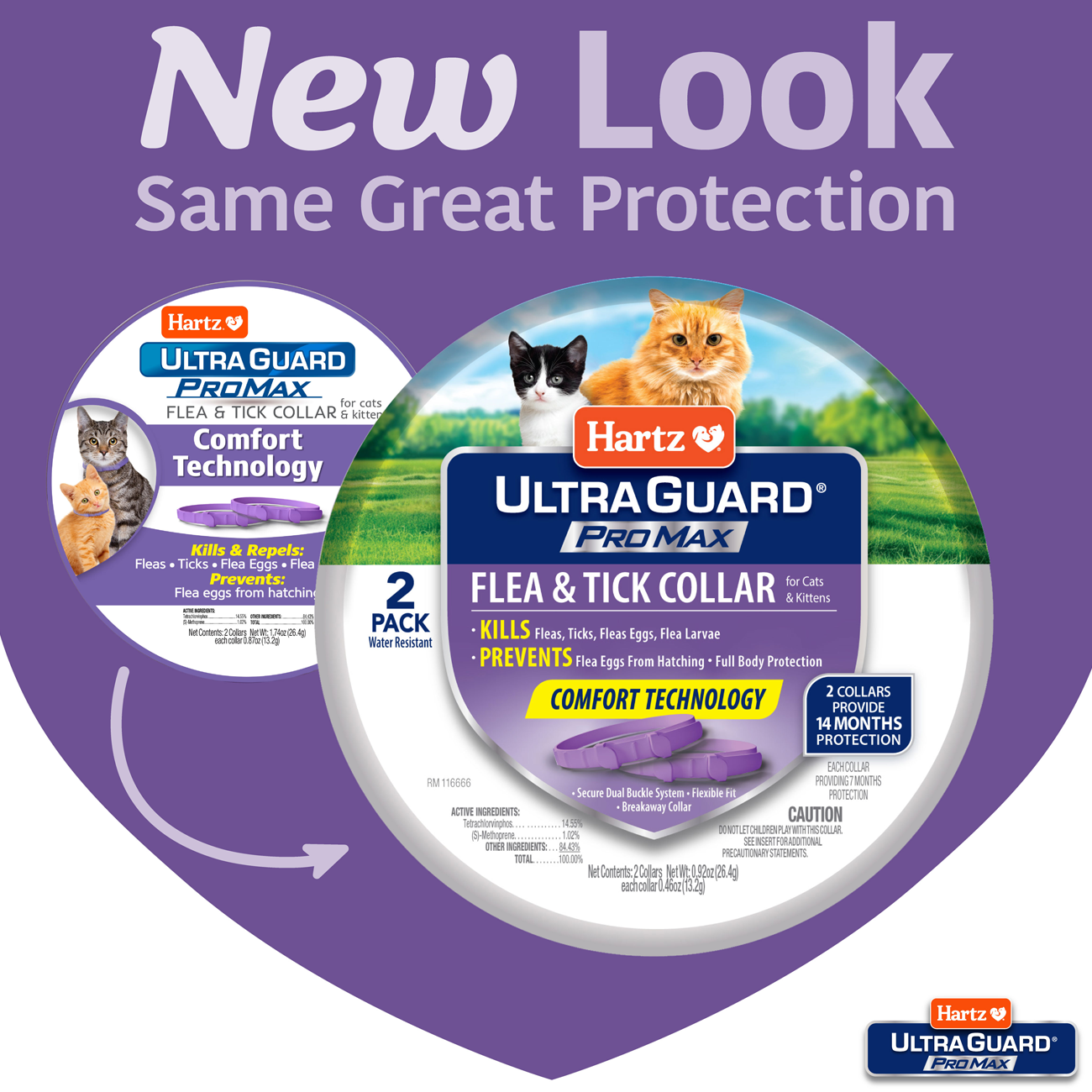
Select a flea collar made for cats, not dogs. Cat collars have safer ingredients for their smaller size.
Check the label for age and weight limits. Use a collar that fits your cat’s age and size well.
- Choose collars with natural or less toxic ingredients
- Avoid collars with strong chemicals if your cat is sensitive
- Pick collars that are adjustable and breakaway for safety
Proper Application Techniques
Read the instructions carefully before putting on the collar. Follow all steps to avoid harm.
Place the collar snugly but not too tight. You should fit two fingers between the collar and your cat’s neck.
- Remove any flea medication or shampoo before using the collar
- Do not let the collar touch your cat’s skin directly in one spot for long
- Trim the collar to fit, leaving some space for growth
Monitoring Your Cat
Watch your cat closely after putting on the collar. Look for signs of irritation or sickness.
If your cat scratches a lot, loses hair, or acts differently, remove the collar and call a vet.
- Check the collar weekly for tightness and wear
- Remove the collar before bathing your cat
- Replace the collar as directed on the package
Credit: www.hartz.com
Alternatives To Flea Collars
Flea collars can sometimes cause skin problems or sickness in cats. It is good to know other safe ways to protect your pet from fleas. There are many effective options that do not involve collars.
These alternatives can keep fleas away while keeping your cat healthy. You can choose what fits your cat’s needs best.
Topical Treatments
Topical treatments are liquids you apply to your cat’s skin. They work by killing fleas and preventing new ones. These treatments usually last for a month.
They are easy to use and safe if applied correctly. Make sure to follow the instructions on the package.
- Applied between the shoulder blades
- Waterproof and long-lasting
- Protects against fleas and ticks
- Requires monthly application
Oral Medications
Oral medications come as pills or chewables for cats. They kill fleas quickly from inside the body. These medicines often work for a month or longer.
They are good for cats that dislike topical treatments. Always give the right dose to avoid side effects.
- Fast-acting flea killers
- Easy to give with food
- Effective for one to three months
- Consult a vet before use
Natural Remedies
Natural remedies use safe ingredients to keep fleas away. They may include herbal sprays, essential oils, or powders. These options are gentle on your cat’s skin.
Natural methods work best when combined with cleaning your home and bedding. Use only cat-safe products to avoid harm.
- Herbal flea sprays
- Essential oils like lavender or cedar (diluted)
- Regular vacuuming and washing bedding
- Consult a vet before use
When To See A Veterinarian
Flea collars can sometimes cause health problems for cats. Knowing when to seek veterinary help is important. Early care can prevent serious illness.
Watch your cat closely after putting on a flea collar. Look for signs that may mean the collar is causing harm.
Recognizing Warning Signs
Some symptoms mean your cat needs a vet’s attention right away. These include unusual behavior or physical changes after using a flea collar.
- Excessive scratching or biting at the neck
- Redness or swelling around the collar area
- Vomiting or diarrhea
- Drooling or difficulty swallowing
- Weakness or unsteady walking
- Breathing problems or coughing
Emergency Actions
If your cat shows severe reactions, act fast. Remove the collar carefully and keep your cat calm. Contact your veterinarian immediately.
| Action | Details |
| Remove Collar | Gently take off the collar to stop further exposure. |
| Check Cat | Look for breathing issues or swelling of the face and neck. |
| Call Vet | Describe symptoms and follow advice given by the vet. |
| Keep Cat Calm | Place cat in a quiet, comfortable space until help arrives. |
Long-term Care Options
After an emergency, your cat may need ongoing care. Follow your vet’s instructions for treatment and monitoring.
Long-term care tips include:
- Regular check-ups to monitor skin and overall health
- Use vet-approved flea treatments instead of collars if needed
- Keep your cat indoors during treatment to avoid more fleas
- Watch for any return of symptoms and report them quickly
Credit: www.hartz.com
Credit: vettoday.com
Frequently Asked Questions
Can Flea Collars Cause Allergic Reactions In Cats?
Yes, some flea collars contain chemicals that may trigger allergies. Symptoms include itching, redness, and swelling around the neck. Always monitor your cat after applying a collar and consult a vet if reactions occur.
Are Flea Collars Toxic To Kittens Or Small Cats?
Flea collars can be harmful to kittens under 8 weeks old or very small cats. Their skin is more sensitive, and chemicals may cause toxicity. Use vet-approved products specifically designed for young or small cats.
How To Know If A Flea Collar Is Making My Cat Sick?
Watch for symptoms like excessive drooling, vomiting, lethargy, or skin irritation. If your cat shows any signs of illness after wearing a flea collar, remove it immediately and seek veterinary advice.
Can Natural Flea Collars Be Safer For Cats?
Natural flea collars use plant-based ingredients, reducing chemical exposure. They are generally safer but may still cause allergies in sensitive cats. Always check ingredient lists and consult your vet before use.
Conclusion
Flea collars can sometimes cause side effects in cats. Watch your cat closely after putting on a collar. Signs like itching, redness, or tiredness need attention. Choose collars made for cats and follow instructions carefully. Regular vet visits help keep your pet safe and healthy.
Remember, no product works perfectly for every cat. Stay informed and act quickly if problems appear. Your cat’s comfort and health come first.