Have you ever looked at a cat and wondered if it belongs to a specific breed? You’re not alone.
Cats come in so many shapes, sizes, and colors that it can be tricky to tell if they have distinct breeds like dogs do. Understanding whether cats have breeds can change how you see your furry friend and even help you choose the perfect companion.
Stick with me, and you’ll discover surprising facts that might just change the way you think about cats forever. Ready to find out? Let’s dive in.

Credit: m.youtube.com
Cat Breeds Explained
Cats come in many types and appearances. People often wonder if cats have breeds like dogs do.
This article explains what makes a cat a breed and the difference between purebred and mixed breed cats.
What Makes A Cat A Breed
A cat breed is a group of cats with specific traits passed down through generations. These traits include appearance, behavior, and sometimes health.
- Physical features such as fur color and pattern
- Body shape and size
- Personality traits and behavior
- Genetic lineage documented by cat registries
Breeds are created by selective breeding to keep these traits consistent. This makes cats in the same breed look and act alike.
Purebred Vs Mixed Breed Cats
Purebred cats have parents of the same breed. Their traits are predictable and follow breed standards.
| Type | Description | Traits |
| Purebred | Parents are the same breed | Consistent appearance and behavior |
| Mixed Breed | Parents of different breeds or unknown | Varied looks and personalities |
Mixed breed cats are often called domestic cats. They do not follow breed standards but can be healthy and loving pets.
Popular Cat Breeds
Cats come in many breeds, each with unique looks and traits. Knowing popular breeds helps you understand their needs and personalities.
Some breeds are known for their friendly nature. Others stand out because of their size or fur type.
Siamese Cats
Siamese cats have a slim body and blue almond-shaped eyes. Their coat is short with color points on the ears, face, paws, and tail.
They are very social and love to talk to their owners. Siamese cats need lots of attention and playtime.
Maine Coon Cats
Maine Coon cats are large with long, thick fur. They have tufted ears and bushy tails that keep them warm.
This breed is friendly and gentle. Maine Coons get along well with children and other pets.
- Size: One of the largest cat breeds
- Fur: Long and water-resistant
- Personality: Gentle and playful
Persian Cats
Persian cats have long, thick fur and a flat face. Their large eyes come in many colors.
They are calm and enjoy quiet environments. Persian cats need regular grooming to keep their coat clean.
Ragdoll Cats
Ragdolls are large cats with soft, semi-long fur. They have blue eyes and color points like Siamese cats.
They are gentle and love to be held. Ragdolls often go limp when picked up, which is why they got their name.
Unique Traits Of Cat Breeds
Cats come in many breeds, each with special traits. These traits make each breed unique and interesting.
Understanding cat breeds helps owners choose a cat that fits their lifestyle and preferences.
Coat Patterns And Colors
Cat breeds show many coat patterns and colors. Some have stripes, spots, or solid colors.
Coat patterns can include tabby, calico, and colorpoint. Colors range from black to cream and more.
- Tabby: Stripes or swirls in different colors
- Calico: Patches of white, black, and orange
- Colorpoint: Darker ears, paws, and tail
- Solid: One color all over the body
Behavior And Temperament Differences
Each cat breed has its own behavior style. Some breeds are playful and active.
Other breeds are calm and enjoy quiet time. Temperament varies from friendly to independent.
- Siamese cats are talkative and social
- Maine Coons are gentle and friendly
- Persians are calm and love to relax
- Bengals are energetic and curious
Size And Physical Features
Cat breeds differ in size and shape. Some are large and muscular.
Others are small with slim bodies. Physical features like ear shape and tail length also vary.
| Breed | Size | Notable Features |
|---|---|---|
| Maine Coon | Large | Long fur, bushy tail |
| Sphynx | Medium | Hairless, wrinkled skin |
| Scottish Fold | Medium | Folded ears |
| Singapura | Small | Large eyes, small body |
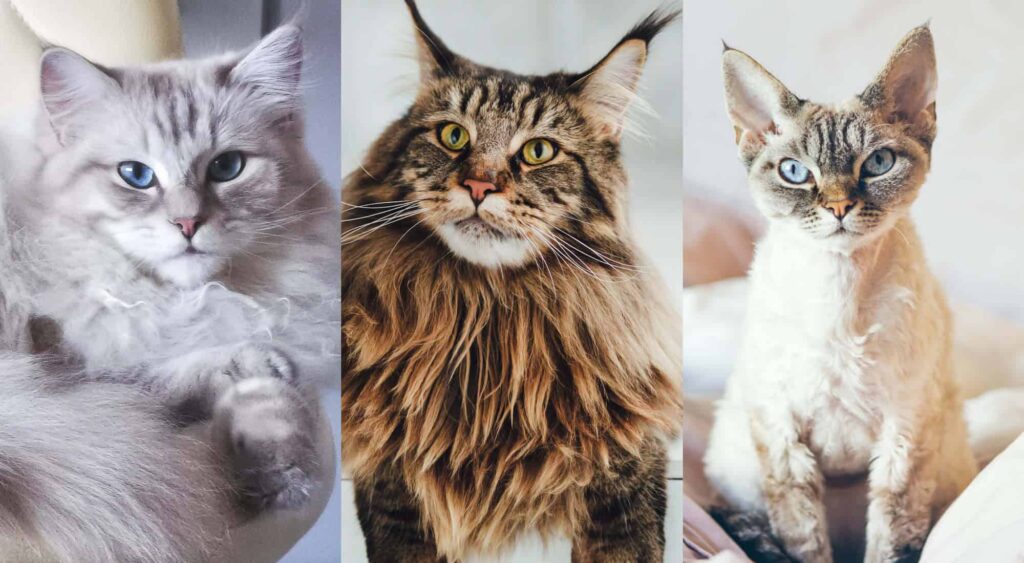
Credit: rawznaturalpetfood.com
Rare And Exotic Breeds
Cat breeds vary a lot around the world. Some breeds are rare and look very different.
These rare breeds often have unique features that make them stand out. People enjoy learning about them.
Sphynx Cats
Sphynx cats are famous for their lack of fur. They have smooth, soft skin that feels warm to touch.
They have big ears and bright eyes. Their friendly nature makes them good pets.
- Hairless body with wrinkled skin
- Large ears and lemon-shaped eyes
- Very social and playful
- Needs regular skin care
Bengal Cats
Bengal cats look like small leopards. They have spotted or marbled coats with bright colors.
These cats are active and smart. They enjoy climbing and playing games.
- Spotted or marbled fur pattern
- Muscular and athletic body
- Very energetic and curious
- Loves to explore surroundings
Scottish Fold Cats
Scottish Fold cats are known for their folded ears. The ears bend forward and down.
They have round faces and big eyes. They are calm and friendly pets.
- Unique folded ears
- Round face and large eyes
- Soft, dense fur
- Gentle and calm personality
Choosing The Right Breed
Choosing a cat breed affects your daily life and your pet’s happiness. Each breed has unique traits that fit different homes.
Think about your lifestyle and what you want in a cat before making a choice. This helps find the best match for you.
Lifestyle Considerations
Some cat breeds are active and need space to play. Others like quiet homes and less noise. Consider your daily routine.
- Active breeds need time to exercise and play.
- Calm breeds suit small apartments and quiet homes.
- Some cats like company; others prefer alone time.
- Think about your work hours and availability.
Grooming Needs
Grooming needs vary by breed. Some cats need daily brushing. Others groom themselves well and need little help.
| Breed Type | Grooming Frequency | Special Care |
|---|---|---|
| Long-haired | Daily | Prevent mats and tangles |
| Short-haired | Weekly | Regular brushing to remove loose hair |
| Sphynx | Weekly | Skin cleaning due to oil buildup |
Health Factors
Health risks differ between breeds. Some have genetic issues. Knowing these can help with care and vet visits.
Common health concerns by breed include:
- Persians: prone to breathing problems
- Maine Coons: risk of heart disease
- Siamese: possible dental issues
- Bengals: generally healthy but need active care
Breed Myths And Facts
Many people wonder if cats have different breeds like dogs do. The answer is yes, cats do have breeds, but there are many myths about them. Some ideas about cat breeds are not true.
It is important to know the facts about cat breeds. This helps us understand cats better and care for them the right way.
Common Misconceptions
Some people think all cats of a certain look are the same breed. This is not always correct. Many cats look alike but belong to different breeds or no breed at all.
Another myth is that breed always decides a cat’s personality. While breed can influence traits, each cat is unique and may act differently.
- Not all long-haired cats are Persian cats.
- Mixed breed cats can have many traits from different breeds.
- Breed does not guarantee behavior or intelligence.
Truths About Breed Behavior
Some breeds are known for certain behaviors. For example, Siamese cats tend to be very vocal and social. These traits come from their breed history and genetics.
Still, environment and training shape how a cat acts more than breed alone. Cats from the same breed can behave very differently in different homes.
- Breed traits are general guides, not rules.
- Individual cats may not show breed-typical behavior.
- Socialization and care affect a cat’s personality greatly.
Credit: www.petbook-magazine.com
Frequently Asked Questions
What Defines A Cat Breed?
A cat breed is a group with specific traits and ancestry. Breeds differ in appearance, behavior, and genetics. Recognized breeds have documented lineage and standards set by cat associations worldwide.
How Many Cat Breeds Exist Worldwide?
There are about 40 to 70 recognized cat breeds. Numbers vary by different cat registries. Each breed has unique features, colors, and personalities, appealing to diverse cat lovers.
Are Mixed-breed Cats Common?
Yes, mixed-breed cats are very common. They have diverse traits from various ancestries. Mixed breeds often show unique looks and personalities, differing from purebred cats.
Can Cat Breeds Affect Behavior?
Yes, cat breeds can influence behavior. Some breeds are more playful, social, or independent. However, individual personality also depends on environment and upbringing.
Conclusion
Cats indeed have a variety of breeds. Each breed possesses unique traits and characteristics. From playful Siamese to fluffy Persians, options abound. Choosing a breed depends on lifestyle and preferences. Some cats are independent, others love company. Breeds can affect health, behavior, and care needs.
Always research before adopting a cat. Consider visiting shelters to meet different breeds. Understanding cat breeds enriches pet companionship. Breeds add diversity to feline companionship. Make informed decisions for a happy, healthy pet.