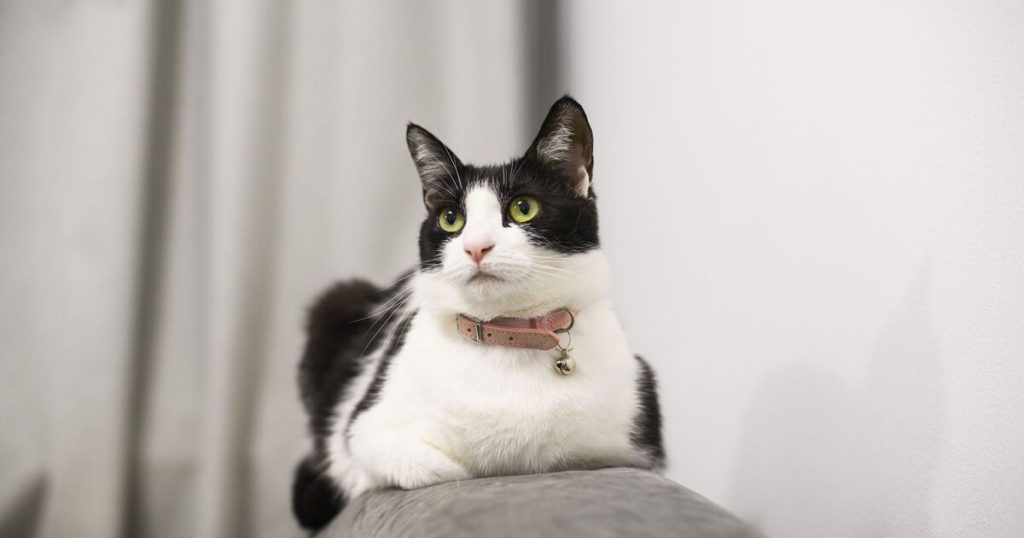
Have you ever wondered if your cat really needs a collar? It’s a simple question, but the answer can make a big difference for your furry friend’s safety and comfort.
You want to protect your cat, but you also want to make sure they stay happy and free. You’ll discover the pros and cons of putting a collar on your cat. By the end, you’ll know exactly what’s best for your pet and how to keep them safe without causing stress.
Keep reading—you won’t want to miss these important insights!
Benefits Of Cat Collars
Cat collars offer several important benefits to pet owners and their cats. They help keep cats safe and make it easier to find them if they get lost.
Many collars come with extra features that protect cats from pests or help track their location. Using a collar can improve your cat’s safety and health.
Identification And Contact Info
Collars allow you to attach ID tags with your contact details. This helps others return your cat if it wanders away.
- Include your phone number
- Add your cat’s name
- Consider adding your address or a QR code
Visibility And Safety
Bright or reflective collars make cats easier to see. This reduces the risk of accidents, especially at night.
| Collar Type | Safety Feature |
| Reflective | Reflects light for night visibility |
| Bright Colors | Easy to spot during the day |
| Breakaway | Releases to prevent choking |
Flea And Tick Prevention
Some collars protect cats from fleas and ticks. These collars slowly release medicine that kills pests.
They reduce the chance of your cat getting itchy or sick from parasites. Ask your vet about the best collar for your cat’s needs.
Tracking And Gps Options
GPS collars help track your cat’s location. You can see where your cat goes using a phone app.
Popular tracking features include:
- Live location updates
- Geofencing alerts
- Activity monitoring

Credit: www.reddit.com
Types Of Cat Collars
Cat collars come in different styles and materials. Choosing the right collar helps keep your cat safe and comfortable.
Each type of collar has its own benefits. Understanding these can help you pick the best one for your cat.
Breakaway Collars
Breakaway collars are designed to open if your cat gets caught on something. This helps prevent choking or injury.
They are a safe choice for outdoor cats or cats that explore tight spaces. The collar snaps open under pressure but stays secure during normal wear.
Elastic Collars
Elastic collars stretch to fit over your cat’s head easily. They offer some flexibility and comfort for cats that dislike tight collars.
These collars can help prevent your cat from getting stuck. They are less likely to cause injury if the cat pulls on the collar.
Leather And Nylon Options
Leather collars are strong and durable. They look nice but can be heavier than other types.
Nylon collars are lightweight and come in many colors. They dry quickly and are easy to clean.
- Leather collars offer long-lasting use
- Nylon collars are soft and flexible
- Both can include breakaway features
- Choose based on your cat’s comfort and style
Collars With Bells
Collars with bells help alert birds and other small animals. The bell sound warns them when your cat is near.
These collars can also help you find your cat more easily. Some cats may not like the bell noise, so watch their reaction.
Safety Concerns With Collars
Collars can help identify cats but may cause safety problems. Owners must know the risks to keep cats safe.
This article explains common dangers and safe collar use tips for cats.
Risks Of Collar Injuries
Collars can cause injuries if caught on objects. Cats may panic and hurt their neck or skin.
Scratches, cuts, or hair loss can happen around the collar area. Some cats may develop skin irritation.
Choking Hazards
Collars that do not release can trap cats. This can lead to choking if the collar tightens.
Breakaway collars reduce this risk by opening under pressure. Always use collars designed to release safely.
- Never use metal or non-breakaway collars without supervision.
- Check collar condition regularly for damage.
- Replace collars that no longer break away easily.
Proper Fit And Adjustment
A collar should fit snugly but not too tight. It must allow two fingers to fit between collar and neck.
Too loose collars can slip off or get caught. Too tight collars can cause breathing or skin problems.
- Measure your cat’s neck before buying a collar.
- Adjust the collar after putting it on.
- Regularly check the fit as your cat grows or gains weight.
When To Remove Collars
Remove collars during playtime with strings or toys. This prevents the collar from catching and causing injury.
Take off collars if your cat stays indoors all the time. Collars may not be needed without outdoor risks.
- Remove collars when grooming your cat.
- Do not leave collars on sick or injured cats unless instructed by a vet.
- Store collars safely when not in use to avoid damage.
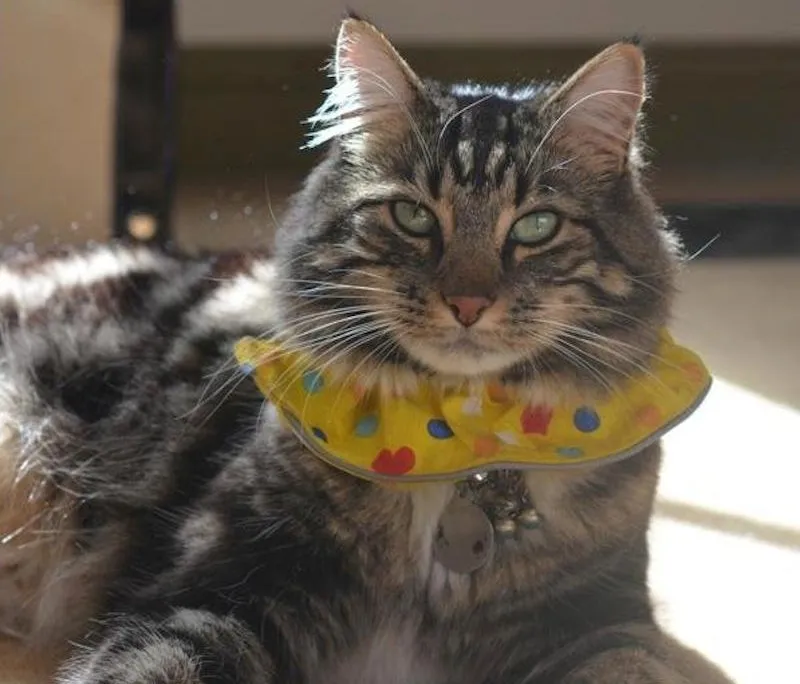
Credit: www.smithsonianmag.com
Choosing The Right Collar
Picking the right collar for your cat is important for safety and comfort. The right collar helps your cat stay visible and can carry ID tags.
Consider different features like material, comfort, and extra visibility options. These help you choose the best collar for your pet.
Material Durability
Choose collars made from strong materials that last long. Nylon and leather are common choices. They resist wear and tear well.
- Nylon is lightweight and dries quickly.
- Leather is durable and comfortable but can be heavier.
- Elastic collars stretch for safety if caught on something.
Comfort For Your Cat
Comfort is key so your cat will keep the collar on. Look for collars with soft edges and adjustable sizes.
| Feature | Benefit |
| Soft Padding | Prevents skin irritation |
| Adjustable Buckle | Fits neck properly |
| Lightweight Design | Does not bother the cat |
Reflective And Glow-in-the-dark Features
Collars with reflective strips or glow-in-the-dark parts improve nighttime safety. They make your cat easier to see outdoors.
- Reflective strips shine when lights hit them.
- Glow-in-the-dark parts charge in sunlight and glow at night.
- Both features help drivers and people spot your cat.
Personalization And Tags
Adding ID tags or nameplates helps identify your cat if lost. Personalization makes the collar unique and useful.
Common tag types include:
- Engraved metal tags with name and phone number
- QR code tags that link to online info
- Plastic tags with colorful designs
Tips For Introducing Collars
Introducing a collar to your cat needs care and patience. Collars help identify your pet and keep them safe.
Start slow to make your cat comfortable. Watch their behavior closely throughout the process.
Gradual Introduction Techniques
Let your cat see and smell the collar first. Place it near their sleeping or eating area.
- Put the collar on for a few minutes each day.
- Increase the time slowly as your cat adjusts.
- Remove the collar if your cat seems stressed.
Positive Reinforcement
Reward your cat with treats or petting when they wear the collar. Praise helps them associate the collar with good things.
Try giving small treats after each collar session. Use a soft voice to soothe your cat. Avoid forcing the collar on.
Monitoring Your Cat’s Reaction
Watch for signs of discomfort like scratching or hiding. These signs mean your cat may need more time or a different collar style.
| Behavior | What It Means |
| Scratching collar area | Collar may be too tight or itchy |
| Hiding more than usual | Stress or fear from collar |
| Calm and relaxed | Comfortable with collar |
Regular Collar Checks
Check the collar daily to ensure it fits well. It should be snug but not tight. You should fit two fingers between the collar and your cat’s neck.
- Look for signs of wear or damage.
- Make sure the collar’s tag is secure.
- Clean the collar regularly to avoid skin irritation.

Credit: www.outdoorbengal.com
Alternatives To Collars
Many cat owners wonder if collars are the best way to keep their pets safe. Collars can sometimes cause discomfort or risks. There are other options to help protect cats without using collars.
These alternatives focus on identification, control, and safety for your cat both indoors and outdoors.
Microchipping Benefits
Microchipping is a safe and reliable way to identify your cat. It involves a small chip placed under the cat’s skin. This chip carries a unique ID number linked to your contact information.
Microchips do not fall off or cause irritation. They work well if your cat gets lost and is found by animal shelters or vets.
- Permanent form of identification
- Does not interfere with cat’s movement
- Works even if the cat loses other ID tags
- Safe and quick procedure by a vet
Harnesses And Leashes
Harnesses and leashes let you control your cat safely outdoors. They prevent your cat from running away or getting into dangerous places. A harness fits around the cat’s body and is more secure than a collar.
Leash walking can give your cat exercise and fresh air without risks. Start slowly to help your cat get used to wearing the harness.
- Offers safe outdoor exploration
- Prevents escape or injury
- Provides exercise and mental stimulation
- Requires patience to train the cat
Indoor Safety Measures
Keeping cats indoors reduces many risks like traffic and predators. You can make indoor spaces safe and fun with toys and climbing areas. This keeps cats active and happy.
Indoor cats rarely need collars for safety. Use ID tags on carriers or crates for travel. Make sure windows and balconies are secure to prevent falls.
- Protects cats from outdoor dangers
- Keeps cats entertained and active
- Reduces need for collars or tags
- Requires secure home environment
Frequently Asked Questions
Why Should Cats Wear Collars?
Cats should wear collars for identification and safety. Collars help return lost cats to owners quickly. They also signal ownership and protect cats from dangers like cars or other animals.
Are Collars Safe For All Cats?
Most collars are safe if properly fitted and breakaway style. Breakaway collars prevent choking if the cat gets caught. Always choose lightweight, comfortable collars suited for your cat’s size.
What Type Of Collar Suits Cats Best?
Breakaway collars with ID tags are best for cats. They release under pressure to prevent injury. Soft, adjustable materials ensure comfort and safety for everyday wear.
Can Collars Prevent Cats From Getting Lost?
Collars with ID tags greatly increase chances of return. They provide contact details if a cat strays or is found. Collars alone don’t prevent loss but aid in quick recovery.
Conclusion
Deciding if cats should wear collars can be tricky. Collars offer safety and identification. They can help find a lost cat. But, they might cause discomfort or get caught. Consider your cat’s habits and environment. Indoor cats might not need collars.
Outdoor cats could benefit more. Choose a collar with safety features. Breakaway collars are a good option. Remember, comfort is key. Check the fit regularly. Your cat’s safety and comfort should be top priority. Make the best choice for your furry friend.