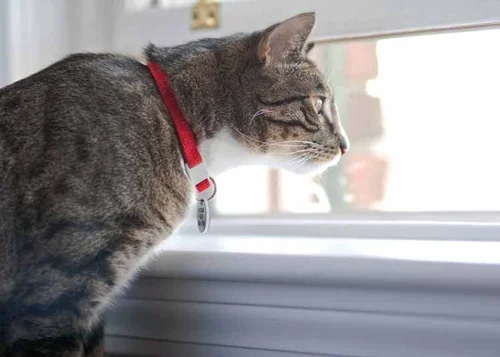
Have you ever wondered if cats really need to wear collars? You might think collars are just for dogs, but the truth about cats and collars is more interesting than you expect.
Your furry friend’s safety and comfort could depend on this small accessory. Keep reading to discover why collars matter for cats, what types work best, and how to choose one that keeps your pet safe without causing any hassle. By the end, you’ll know exactly what to do for your cat’s well-being.
Benefits Of Cat Collars
Cat collars can help keep your pet safe and easy to identify. They come in many styles and options to fit your cat’s needs. Wearing a collar offers several benefits for both cats and their owners.
From safety to style, collars help cats in many ways. Below are key benefits that show why collars are useful for cats.
Identification And Safety
Collars provide a place to attach ID tags. These tags have your contact information. If your cat gets lost, this helps others return them safely.
- Easy way to show your cat’s name
- Can include emergency contact details
- Warn others if your cat has medical needs
- Some collars have reflective strips for night safety
Tracking And Gps Options
Modern collars can include tracking devices. These help you find your cat if it wanders far. GPS collars show your cat’s location on your phone.
| Feature | Benefit |
| GPS Tracking | Locate cat in real time |
| Activity Monitor | Check cat’s health and exercise |
| Geo-Fencing | Set safe zones and get alerts |
| Long Battery Life | Less frequent charging |
Fashion And Personalization
Collars come in many colors and patterns. You can choose one that fits your cat’s personality. Personalized collars make your cat stand out.
Popular collar personalization options include:
- Engraved name tags
- Custom embroidery
- Unique charms and bells
- Seasonal or themed designs

Credit: catexplorer.co
Choosing The Right Collar
Picking the right collar for your cat is important. It keeps your cat safe and comfortable.
There are many types of collars. You should think about material, size, and safety features.
Material Types
Cat collars come in different materials. Each has its own comfort and durability.
Soft materials like nylon or cotton are gentle on your cat’s neck. Leather collars are strong but may be less soft.
- Nylon – lightweight and easy to clean
- Cotton – soft and breathable
- Leather – durable and classic
- Neoprene – water-resistant and soft
Proper Fit And Size
The collar should fit your cat well. Not too tight or too loose.
You should be able to fit two fingers between the collar and your cat’s neck. Check the size often as your cat grows.
- Measure your cat’s neck before buying
- Adjust the collar for a snug fit
- Ensure it is not too tight to avoid choking
- Not too loose to prevent slipping off
Breakaway Features
Breakaway collars can open if your cat gets stuck. This prevents injury or choking.
Always choose collars with breakaway clasps for safety. They release under pressure but stay secure during normal wear.
- Breakaway clasp releases under force
- Prevents choking or getting stuck
- Easy to put on and take off
- Recommended for outdoor cats
Potential Risks Of Collars
Cat collars can look nice but might cause some problems. Owners should know the risks before using one.
This article explains the dangers linked to collars and how to keep cats safe.
Choking Hazards
Collars that do not fit well can cause choking. If a cat tries to pull free, the collar might tighten too much.
- Collars without a quick-release clasp are risky.
- Loose collars can catch on objects and cause choking.
- Small parts on collars can be swallowed and block airways.
Skin Irritation
Wearing a collar all day may cause redness or sores on a cat’s neck. Some materials cause allergic reactions.
| Cause | Effect |
| Tight collar | Skin chafing and redness |
| Rough material | Scratchy skin and discomfort |
| Moisture trapped | Rashes and infections |
Getting Caught On Objects
Cat collars can get stuck on branches, fences, or furniture. This can cause panic or injury.
Here are safety tips to avoid getting caught:
- Use breakaway collars designed to release under pressure.
- Regularly check collar fit and condition.
- Remove collar if cat stays indoors without risk.

Credit: www.express.co.uk
Training Your Cat To Wear A Collar
Getting your cat used to a collar can take time. Patience and care help your cat feel safe.
Start slowly and watch your cat’s reactions. This helps make collar wearing a good habit.
Introducing The Collar Gradually
Let your cat see and sniff the collar first. Do not put it on right away.
Try placing the collar near your cat’s bed or toys. This makes the collar less scary.
- Show the collar for a few minutes each day
- Gently place the collar on for a short time
- Remove the collar if your cat seems upset
Positive Reinforcement Techniques
Give treats or praise when your cat wears the collar. This builds good feelings.
Use soft words and pet your cat gently. This helps your cat trust the collar.
- Offer small treats during collar time
- Speak in a calm and happy voice
- Play with your cat while it wears the collar
Monitoring Your Cat’s Comfort
Check the collar fit often. It should be snug but not tight on your cat’s neck.
Watch for signs of discomfort like scratching or biting the collar. Adjust if needed.
- Make sure you can fit two fingers under the collar
- Look for redness or hair loss near the collar
- Remove the collar if your cat shows stress
Alternatives To Traditional Collars
Traditional collars are common for cats, but they are not the only option. Some cats do not like wearing collars at all.
There are safe and effective alternatives that help keep your cat identified and secure.
Microchipping
Microchipping is a small chip placed under the cat’s skin. It contains a unique ID number.
Veterinarians and shelters can scan the chip to find the owner’s information.
- It does not fall off or get lost.
- It works even if the cat does not wear a collar.
- It is a one-time procedure that lasts for life.
Harnesses And Tags
Harnesses can be an alternative to collars for cats that escape or roam outside. They are safer and more secure.
Tags attached to harnesses carry the cat’s name and owner’s contact.
| Type | Benefit |
| Harness | Better control and safety outdoors |
| Tags | Easy identification with contact info |
| Breakaway Collars | Prevents choking if caught on objects |
Invisible Collars
Invisible collars use technology to keep cats safe without a physical collar.
These collars send signals to alert when a cat leaves a set area. Some use GPS or radio waves.
They do not cause discomfort and are less likely to be lost or damaged.
Maintaining And Cleaning Collars
Cat collars need regular care to stay safe and clean. Proper maintenance helps your cat stay comfortable.
Cleaning collars removes dirt and prevents bad smells. It also keeps collars looking good for longer.
Regular Inspection
Check your cat’s collar often. Look for signs of wear or damage that could hurt your cat.
Make sure the collar fits well. It should be snug but not too tight or loose.
- Look for frayed edges or tears
- Check the buckle or clasp for damage
- Ensure ID tags are secure
- Feel for any rough spots that may irritate skin
Cleaning Methods
Use gentle cleaning to keep collars safe. Harsh chemicals can harm your cat’s skin.
Most collars can be cleaned with mild soap and water. Hand washing is the safest method.
- Remove the collar before cleaning
- Use warm water and mild soap
- Gently scrub with a soft brush or cloth
- Rinse well to remove soap
- Let it air dry completely before putting it back on
When To Replace
Replace collars that show strong wear or damage. Old collars can break or irritate your cat’s skin.
Also replace collars if they no longer fit your cat properly. Safety and comfort come first.
- Collar is torn or frayed
- Buckle or clasp is broken
- Collar smells bad after cleaning
- Collar is too tight or loose
- Material is stiff or cracked

Credit: www.familyhandyman.com
Frequently Asked Questions
Do Cats Need To Wear Collars?
Cats don’t always need collars, but they offer safety benefits. Collars can hold ID tags and break away if caught. They help identify pets and prevent loss. Outdoor cats especially benefit from wearing collars for added protection.
Are Collars Safe For Cats To Wear Daily?
Yes, collars are safe if they are breakaway or elastic types. These collars prevent choking or injury if caught on objects. Regularly check the collar for fit and wear. Choose lightweight, comfortable collars designed specifically for cats.
What Information Should Be On A Cat’s Collar?
A cat’s collar should include the owner’s phone number and pet’s name. This helps others return lost cats quickly. Avoid putting too much info to keep tags readable. Adding a small bell can also alert birds and wildlife.
Can Collars Help Prevent Cats From Getting Lost?
Yes, collars with ID tags significantly increase chances of lost cats being returned. They provide immediate contact info without needing a microchip scanner. Collars make outdoor cats more identifiable and safer in neighborhood areas.
Conclusion
Deciding if your cat should wear a collar is important. Collars can help identify your pet if lost. They also show your cat has an owner. Always choose a comfortable and safe collar. Avoid tight or heavy collars. Consider adding an ID tag with your contact details.
This helps in emergencies. Remember, some cats dislike collars. Watch your cat’s behavior after putting one on. Safety and comfort should be priorities. Your cat’s happiness matters most. A collar is just one way to care for your furry friend.