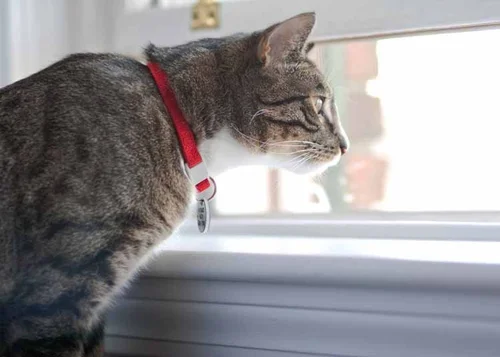
Have you ever wondered if your feline friend should sport a collar? It’s a common question among cat owners, and the answer might surprise you.
You want the best for your cat, ensuring they are safe, comfortable, and easy to find if they wander off. But is a collar the right choice? You’ll discover everything you need to know about cats and collars. We’ll explore the benefits, potential risks, and the latest trends in cat accessories.
By the end, you’ll have a clear understanding of whether or not a collar fits into your cat’s lifestyle. So, keep reading to make the best decision for your furry companion.
Benefits Of Cat Collars
Cat collars are more than just an accessory. They help keep cats safe and easy to find.
Many cat owners choose collars for identification, tracking, and style reasons.
Identification And Safety
Collars hold ID tags with important information. This helps return lost cats to their owners quickly.
Reflective collars make cats visible at night. This reduces accidents and keeps cats safe outdoors.
- ID tags with owner’s name and phone number
- Breakaway collars prevent choking hazards
- Reflective materials increase night visibility
Tracking And Monitoring
Some collars have GPS trackers to monitor cats’ locations. This helps owners find cats quickly if lost.
Tracking collars can also monitor activity levels. This helps notice health problems early.
- GPS trackers locate cats in real time
- Activity monitors track movement and rest
- Alerts notify owners if cats leave safe zones
Style And Personalization
Collars come in many colors and designs. Owners can choose styles that match their cat’s personality.
Personalized collars with names or charms make cats stand out. This adds a fun touch to their look.
- Variety of colors and patterns
- Custom name tags and charms
- Different materials for comfort and style

Credit: www.familyhandyman.com
Types Of Cat Collars
Cat collars come in different types to suit various needs. Choosing the right collar helps keep your cat safe and comfortable.
Some collars focus on safety, while others add technology or stretch for comfort. Let’s explore popular types of cat collars.
Breakaway Collars
Breakaway collars have a special clasp that opens if the collar gets caught. This prevents your cat from choking or getting stuck.
They are great for outdoor cats or cats who like to explore tight spaces. These collars help keep cats safe during accidents.
Elastic Collars
Elastic collars stretch when your cat pulls or gets caught. This stretch helps your cat free itself without removing the collar.
They offer comfort and some safety but are not as secure as breakaway collars. Use elastic collars for indoor cats mostly.
Gps And Smart Collars
GPS collars track your cat’s location using satellite signals. Smart collars can also monitor health and activity levels.
These collars help owners find lost cats and keep tabs on their health. They usually need batteries or charging.
Choosing The Right Collar
Picking the right collar for your cat is important for its safety and comfort. Cats wear collars for identification and to carry bells or trackers.
Not all collars fit all cats. You must consider the material, size, and safety features before buying one.
Material And Comfort
Choose a collar made from soft, lightweight material. Cats have sensitive skin and may dislike heavy or rough collars.
- Nylon is durable and easy to clean.
- Leather is soft but may need regular care.
- Neoprene offers extra padding for comfort.
- Avoid collars with sharp edges or stiff parts.
Proper Fit And Size
The collar should fit snugly but not too tight. It must allow room for two fingers between the collar and your cat’s neck.
| Collar Size | Neck Circumference | Fit Notes |
| Small | 6 to 8 inches | For kittens and small cats |
| Medium | 8 to 10 inches | For most adult cats |
| Large | 10 to 12 inches | For large or long-haired cats |
Safety Features To Look For
Collars with safety features help protect your cat from accidents. Look for breakaway or quick-release designs.
- Breakaway collars open if caught on something.
- Reflective strips increase visibility at night.
- Lightweight bells alert wildlife and people.
- Adjustable straps ensure a secure fit without choking.
Introducing Collars To Cats
Many cat owners wonder if their pets should wear collars. Collars help identify cats and hold ID tags. It is important to introduce collars carefully to avoid stress.
Some cats may not like wearing collars at first. Patience and gentle training help cats get used to collars over time.
Gradual Introduction Techniques
Start by letting your cat see and smell the collar. Do not put it on right away. Place the collar near your cat’s bed or toys for a few days.
Next, try putting the collar on your cat for a short time. Watch your cat closely and remove the collar if it seems upset. Slowly increase the time your cat wears the collar.
- Let the cat explore the collar first
- Put the collar on for a few minutes daily
- Give treats and praise when collar is worn
- Increase wearing time gradually
Monitoring Your Cat’s Reaction
Observe how your cat behaves with the collar. Some cats may scratch or bite the collar at first. Others may freeze or try to hide. These are normal reactions.
Look for signs of discomfort or stress. If your cat seems calm after some time, the collar is likely accepted. If your cat remains upset, try shorter sessions or a different collar type.
- Watch for scratching or biting the collar
- Notice if your cat hides or freezes
- Check for redness or irritation on the neck
- Use calm, slow reintroductions if needed
Troubleshooting Common Issues
Some cats resist collars strongly. Try a lightweight collar made for cats. Avoid collars that are too tight or heavy. A breakaway collar is safer and more comfortable.
If your cat scratches a lot, try distracting with toys or treats. If irritation happens, remove the collar and check the fit. Consult a vet if skin problems persist.
- Choose a lightweight, breakaway collar
- Make sure collar fits snugly but not tight
- Use treats to distract from collar discomfort
- Remove collar if skin irritation appears
- See a vet if irritation does not heal
Risks And Precautions
Many cat owners wonder if collars are safe for their pets. Collars can help with identification. Yet, they can also bring some risks. Knowing these risks helps you keep your cat safe.
This guide covers potential hazards, when to avoid collars, and how to keep collars safe. Careful use of collars protects your cat from harm.
Potential Hazards
Collars may cause problems if not chosen or used properly. Some dangers include choking, skin irritation, and snagging on objects.
- Choking risk if collar is too tight or does not have a breakaway feature
- Skin irritation from rough materials or dirt buildup
- Snagging on branches, fences, or furniture causing injury or panic
- Loss of collar if not fitted correctly
- Stress or discomfort if cat does not get used to wearing a collar
When To Avoid Collars
Some cats should not wear collars at all. Kittens and cats with certain health issues need special care.
- Kittens younger than four months
- Cats with sensitive skin or allergies
- Cats that spend most time indoors and do not need ID
- Cats that show signs of stress or try to remove the collar often
- Cats recovering from surgery around the neck
Regular Collar Maintenance
Check your cat’s collar often. Clean it and adjust the fit regularly. This keeps your cat safe and comfortable.
| Task | Frequency | Details |
| Check fit | Weekly | Ensure two fingers fit under the collar |
| Look for damage | Weekly | Replace collar if frayed or broken |
| Clean collar | Monthly | Wash with mild soap and dry fully |
| Inspect skin | Weekly | Look for redness or sores under collar |

Credit: catexplorer.co
Collar Alternatives
Many cat owners worry about using collars. Some cats find collars uncomfortable or can get caught on things. There are good alternatives to collars that keep cats safe and easy to identify.
This guide covers microchipping, harnesses with tags, and indoor safety tips. These options help protect your cat without relying on a collar.
Microchipping
Microchipping is a safe way to identify your cat. A small chip is placed under the cat’s skin. Vets and shelters can scan the chip to find your contact information.
Microchips do not fall off or cause discomfort like some collars might. It is a long-term solution that lasts for your cat’s lifetime.
Harnesses And Tags
Some cats wear harnesses instead of collars. A harness fits around the body and is harder to slip out of. You can attach an ID tag to the harness.
- Choose a harness that fits well and feels comfortable.
- Use a lightweight ID tag with your phone number.
- Try the harness indoors first to help your cat get used to it.
- Never leave a harness on an unsupervised cat outside.
Indoor Safety Measures
Keeping your cat indoors reduces risks like traffic or other animals. You can still help your cat stay safe and identified inside your home.
| Safety Measure | Benefit |
| Window Screens | Prevent falls and escapes |
| Hide Small Objects | Avoid choking hazards |
| Provide Toys | Reduce boredom and stress |
| Use Breakaway Collars | For supervised indoor ID |

Credit: www.express.co.uk
Frequently Asked Questions
Do Cats Need To Wear Collars?
Cats don’t always need collars, but they can help identify pets. Collars with ID tags aid in quick recovery if lost. Breakaway collars prevent choking risks and are safer for outdoor cats.
Are Breakaway Collars Safe For Cats?
Yes, breakaway collars are designed to release under pressure. They prevent choking if the collar gets caught. These collars are recommended for all cats, especially outdoor or adventurous ones.
What Information Should A Cat’s Collar Have?
A cat’s collar should include an ID tag with the owner’s phone number. Adding the cat’s name helps strangers approach safely. This info increases the chances of a lost cat returning home.
Can Cats Get Hurt Wearing Collars?
Improper collars can cause injury or discomfort. Use lightweight, adjustable, and breakaway collars to reduce risks. Regularly check the collar’s fit to ensure it’s not too tight or loose.
Conclusion
Cats can wear collars for safety and identification. Choose collars that fit well and feel comfortable. Breakaway collars help prevent accidents if caught. Collars can hold ID tags with your contact details. Some cats do not like collars, so watch their behavior.
Always check the collar regularly for wear and fit. A collar can protect your cat and bring peace of mind. Small effort, big help. Keep your cat safe and easy to find.