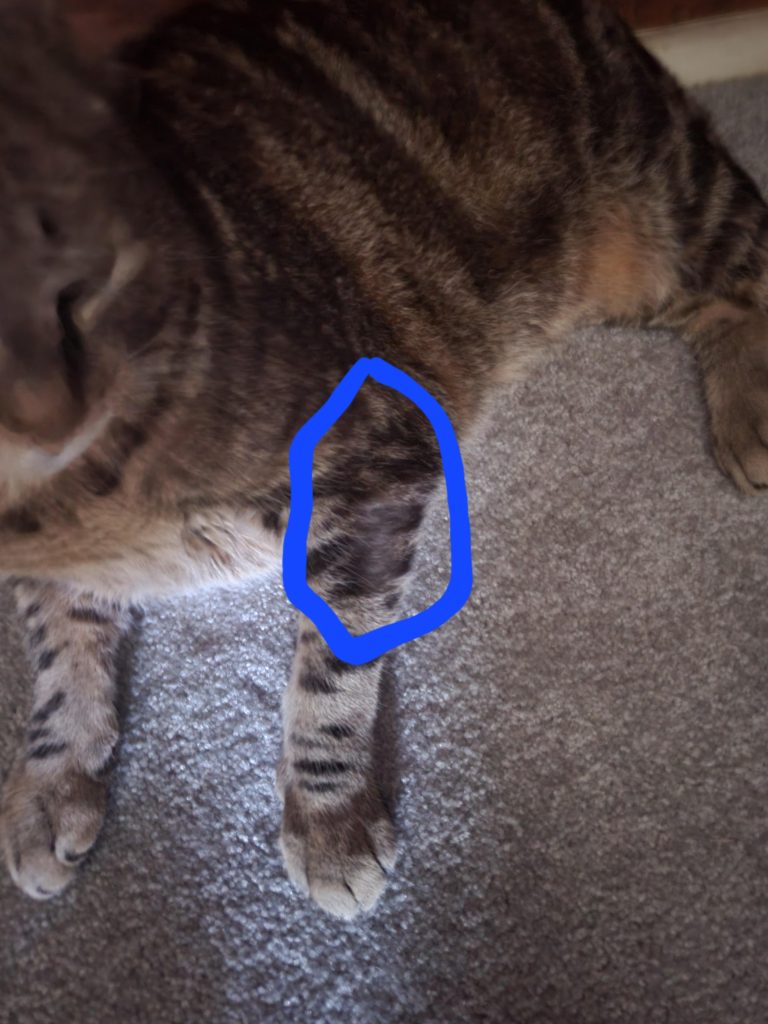
Have you ever noticed your cat biting herself while grooming and wondered why she does it? It can be confusing and even a little worrying when your furry friend starts nibbling at her own fur.
You might be asking yourself if this is normal or if something is wrong. Understanding why your cat bites herself can help you keep her happy and healthy. You’ll discover the surprising reasons behind this behavior and what you can do to help your cat feel her best.
Keep reading to learn more about your cat’s grooming habits and how to spot if there’s a deeper issue.

Credit: www.reddit.com
Reasons Cats Bite Themselves
Cats often bite themselves during grooming. This behavior can be normal or signal a problem. Understanding why cats bite helps you care for them better.
This article explains common reasons cats bite themselves while grooming. Learn what to watch for and when to seek help.
Normal Grooming Behavior
Cats bite themselves to clean their fur and skin. They remove dirt, loose hair, and parasites. This is a healthy and natural action.
Skin Irritations
Skin irritations cause cats to bite or scratch more than usual. These irritations can come from dry skin, wounds, or infections. Biting helps relieve the itch but can cause harm if done too much.
Allergic Reactions
Allergies make a cat’s skin itchy and inflamed. Cats may bite or lick to ease discomfort. Common allergens include food, pollen, or cleaning products.
- Food ingredients like fish or chicken
- Environmental allergens such as dust or pollen
- Chemicals in shampoos or sprays
Parasite Infestations
Parasites like fleas and mites cause intense itching. Cats bite themselves to try to remove these pests. If left untreated, parasites can lead to skin damage and infection.
| Parasite | Common Signs |
| Fleas | Frequent biting, hair loss, flea dirt |
| Mites | Redness, scabs, constant scratching |
| Ticks | Visible ticks, skin irritation |
Stress And Anxiety
Stress can cause cats to bite or lick themselves excessively. This behavior is called psychogenic grooming. It helps relieve anxiety but can hurt their skin.
Signs of stress-related biting include:
- Repeated licking or biting in one spot
- Hair loss around bitten areas
- Changes in behavior or appetite
Pain Or Discomfort
Cats may bite themselves if they feel pain or discomfort. Injuries, arthritis, or internal problems cause this reaction. Biting focuses on the painful area to soothe it.

Credit: www.kinship.com
Common Skin Problems In Cats
Cats often bite themselves while grooming. This can show a skin problem. Many skin issues cause itching and discomfort.
Understanding skin problems helps you care for your cat better. Here are common skin problems in cats.
Fleas And Mites
Fleas and mites are tiny pests that live on cats. They bite and make the cat itch a lot. Cats bite themselves to try to stop the itching.
Fleas can cause allergic reactions. Mites cause redness and hair loss. Both need treatment from a vet.
Dermatitis
Dermatitis means skin inflammation. It happens when skin gets irritated or allergic. Cats scratch and bite the sore spots.
Common causes include food allergies, chemicals, or flea bites. Dermatitis can make skin red, dry, or scaly.
Fungal Infections
Fungal infections like ringworm cause itchy patches on cat skin. These patches may lose hair and look red or crusty.
Cats bite to relieve the itch. Fungal infections spread easily and need vet care.
Hot Spots
Hot spots are red, moist, and painful areas on the skin. Cats bite and lick these spots often, making them worse.
They form quickly from allergies or infections. Hot spots need quick treatment to heal.
Behavioral Causes Behind Biting
Cats often groom themselves to stay clean. Sometimes, they bite their skin while grooming. This behavior can have several causes. Understanding these reasons helps you care for your cat better.
Some cats bite themselves due to behavioral issues. These behaviors can cause discomfort and skin problems. Let’s explore some common behavioral causes behind biting during grooming.
Overgrooming Due To Stress
Stress can make cats groom too much. Overgrooming may lead to biting and skin damage. Cats feel stressed from changes or loud noises.
When stressed, cats use grooming to calm themselves. Too much grooming causes sore spots and hair loss. It is a way for cats to handle anxiety.
- Moving to a new home
- New pets or people
- Loud sounds or chaos
- Changes in daily routine
Compulsive Disorders
Some cats develop compulsive grooming habits. This means they groom and bite themselves repeatedly without stopping. This behavior is similar to human obsessive habits.
Compulsive disorders cause cats to focus too much on grooming. This can lead to wounds and skin infections. The cause is often linked to brain chemistry or environment.
- Repetitive licking and biting
- Ignoring normal activities
- Skin damage from constant biting
- Requires veterinary help
Boredom And Lack Of Stimulation
Cats need mental and physical activity every day. Without enough play or attention, cats get bored. Bored cats may bite themselves while grooming to pass time.
This biting is a way to relieve boredom. It can become a habit if the cat does not get enough stimulation. Providing toys and interaction helps reduce this behavior.
- Playtime with toys daily
- Interactive games with owners
- Safe outdoor time or window views
- New scents or objects to explore
How To Identify The Cause
When your cat bites herself while grooming, it can mean different things. Finding the cause helps you keep your cat healthy and happy.
Look carefully at your cat’s behavior and body. This helps you spot any problems early.
Observing Your Cat’s Behavior
Watch how often your cat bites or licks her fur. Too much biting may show discomfort or pain.
Notice if she seems restless or scratches in certain spots. These signs can mean irritation or stress.
- Does she bite more than usual?
- Is she scratching the same area repeatedly?
- Does she seem anxious or restless?
Checking For Visible Skin Issues
Look closely at your cat’s skin where she bites. Check for redness, bumps, or hair loss.
Skin problems may cause itching and biting. Look for signs like scabs or wounds.
- Red or inflamed skin
- Bald patches or thinning fur
- Scabs, sores, or wounds
- Flaky or dry skin
Noticing Changes In Routine
Changes in your cat’s daily habits can affect grooming. Stress or illness may cause more biting.
Think about any new foods, toys, or changes at home. These can upset your cat and change her behavior.
- New pets or people in the house
- Changes in feeding times or food type
- Recent moves or loud noises
- Less playtime or exercise
When To See A Vet
If your cat bites herself a lot or has skin wounds, visit the vet. A vet can find the exact cause and give treatment.
Also, see a vet if your cat shows other signs like weight loss, changes in appetite, or unusual behavior.
- Persistent biting or licking
- Open sores or bleeding skin
- Hair loss in patches
- Changes in eating or drinking habits
- Lethargy or hiding more than usual
Solutions For Self-biting Cats
Cats may bite themselves while grooming for many reasons. This behavior can cause skin damage and discomfort. Finding the right solution helps your cat feel better.
Below are some ways to stop your cat from biting herself. Each method targets a common cause of this problem.
Treating Parasites And Infections
Parasites like fleas and infections can cause itching. Your cat may bite to ease the irritation. Use vet-approved treatments to remove parasites and heal infections.
- Use flea control products regularly
- Keep your cat’s bedding clean
- Visit the vet for skin infection diagnosis
- Apply medications as prescribed
Managing Allergies
Allergies cause itching and discomfort in cats. Common allergens include food, pollen, and dust mites. Managing allergies can reduce biting behavior.
| Allergy Type | Common Source | Treatment |
| Food Allergy | Certain proteins or ingredients | Hypoallergenic diet |
| Environmental Allergy | Pollen, dust, mold | Antihistamines, cleaning |
| Contact Allergy | Cleaning products, plants | Avoid triggers, topical creams |
Reducing Stress Levels
Stress can cause cats to bite themselves. Changes in environment or routine may trigger this behavior. Helping your cat relax can reduce self-biting.
- Keep a consistent daily routine
- Provide quiet safe spaces
- Use calming pheromone sprays
- Spend quality time petting and playing
Providing Enrichment And Toys
Boredom can lead cats to bite themselves. Toys and activities keep your cat busy and distracted from biting. Rotate toys to keep interest high.
- Interactive toys like feather wands
- Puzzle feeders to challenge your cat
- Scratching posts and climbing trees
- Regular play sessions each day
Using Protective Clothing
Protective clothing can stop cats from biting sore areas. Special cat shirts or soft cones help skin heal. Use under vet guidance to avoid stress.
Tips for using protective clothing:
- Choose comfortable and breathable fabric
- Ensure the clothing fits well but is not tight
- Monitor your cat for signs of distress
- Remove clothing during supervised breaks

Credit: www.goodrx.com
Preventing Future Biting
Cats sometimes bite themselves while grooming. This can cause harm and discomfort. Preventing this behavior helps keep your cat healthy and happy.
Understanding how to stop your cat from biting is important. You can help by taking simple steps in care and environment.
Regular Vet Checkups
Take your cat to the vet regularly. Vets can find health problems that cause biting. Skin issues or allergies often make cats bite.
Early treatment stops the problem from getting worse. Your vet can give advice on how to care for your cat’s skin and fur.
Maintaining A Healthy Diet
A good diet helps your cat have healthy skin and fur. Poor nutrition can cause itching and biting. Feed your cat balanced food made for cats.
Some cats need special diets if they have allergies. Talk to your vet about the best food for your cat’s needs.
Routine Grooming
Brush your cat often to remove loose fur and dirt. Grooming stops hair mats that can hurt your cat. It also helps spot skin problems early.
- Use a soft brush for sensitive skin
- Check for fleas or ticks regularly
- Keep nails trimmed to prevent scratching
Regular grooming makes your cat feel good and less likely to bite itself.
Creating A Calm Environment
Stress can make cats bite and over-groom. Keep your home quiet and safe for your cat. Give your cat a cozy space to relax.
Play with your cat daily to reduce stress. Use toys and gentle petting to keep your cat happy.
- Provide hiding spots and quiet areas
- Keep a routine for feeding and playtime
- Avoid loud noises or sudden changes
Frequently Asked Questions
Why Does My Cat Bite Herself While Grooming?
Cats bite themselves during grooming to remove dirt and loose fur. It helps keep their coat clean and healthy. Sometimes, biting can indicate irritation or discomfort, so watch for excessive biting or sores.
Is Cat Self-biting A Sign Of Skin Problems?
Yes, frequent biting may signal skin allergies, fleas, or infections. If your cat bites often and shows redness or hair loss, consult a vet for proper diagnosis and treatment.
Can Stress Cause My Cat To Bite Herself?
Stress can cause cats to overgroom and bite their skin. Changes in environment, loud noises, or boredom may trigger this behavior. Providing a calm space and enrichment can reduce stress-related biting.
How Can I Stop My Cat From Biting Herself?
Identify and treat any medical issues first. Use flea control, improve diet, and reduce stress. Offer toys and attention to distract your cat from biting.
Conclusion
Cats often bite themselves while grooming due to underlying issues. Stress, allergies, or parasites might be the cause. Observing your cat’s behavior closely helps identify the problem. Consult a vet if biting persists. Regular check-ups ensure your cat stays healthy.
Proper grooming routines also help reduce stress. Keep your cat’s environment calm and comfortable. A happy cat grooms without biting issues. Understanding your cat’s needs is key to solving this. Prioritize your cat’s well-being for a happier pet.