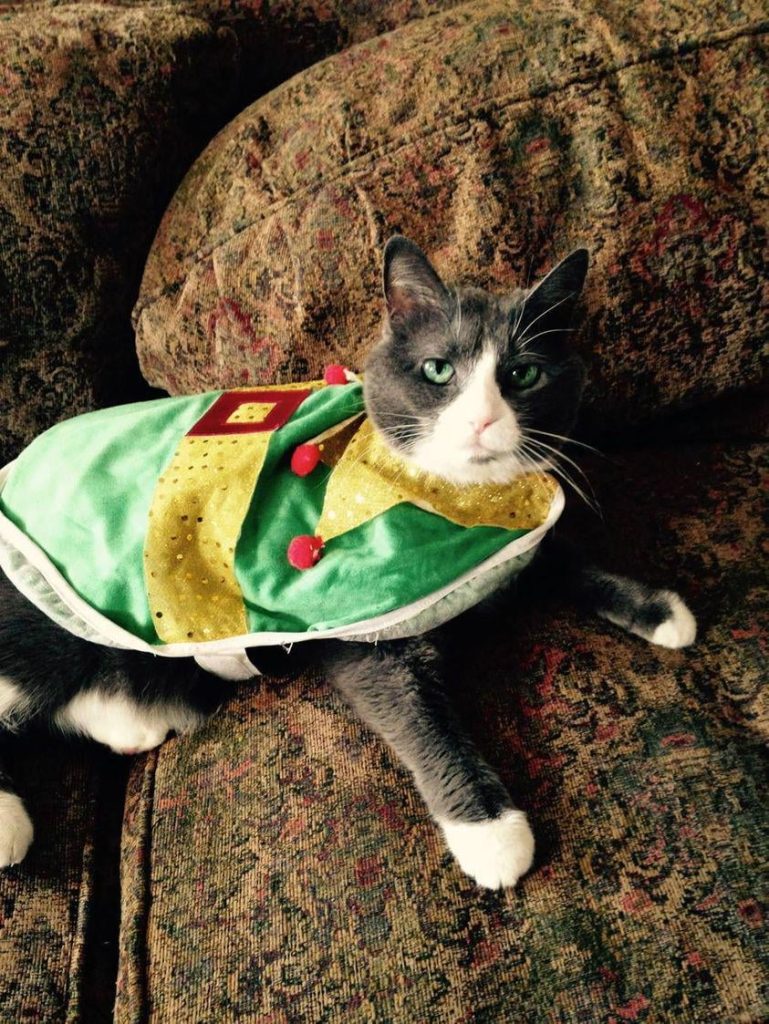
Have you ever wondered if your feline friend secretly despises that collar you lovingly picked out? You’re not alone.
Many cat owners are curious about their pets’ true feelings towards collars. After all, our furry companions can’t verbally express their likes and dislikes. The truth is, there’s more to this topic than meets the eye. Understanding your cat’s perspective on wearing a collar can enhance their comfort and safety.
Plus, it might even strengthen the bond you share. Stick around to uncover the surprising insights into whether your cat actually hates their collar and how you can make this accessory a purr-fect fit for both you and your pet.

Credit: www.reddit.com
Cats And Collars
Many cat owners wonder if cats hate collars. Cats have unique reactions to collars. Understanding these reactions helps owners choose the right collar.
A collar can be useful for identification and safety. But cats may feel uncomfortable or stressed wearing one. Let’s explore why cats react to collars.
Why Cats React To Collars
Cats react to collars because collars feel different on their bodies. The collar may restrict movement or cause irritation. Some cats dislike the noise from tags or bells on collars.
- Collars can feel tight or heavy to cats.
- Some cats dislike the sound of bells or tags.
- New textures near their neck may cause discomfort.
- Cats may need time to get used to collars.
Common Cat Collar Materials
Choosing the right collar material can help cats feel more comfortable. Some materials are softer and lighter than others. Here is a table showing common collar materials and their features.
| Material | Comfort Level | Durability | Notes |
|---|---|---|---|
| Nylon | Medium | High | Lightweight and water-resistant |
| Leather | High | Medium | Soft but can be stiff at first |
| Elastic | High | Low | Stretchy and comfortable, but less durable |
| Polyester | Medium | High | Strong but may be rough on fur |
Signs Cats Dislike Collars
Some cats do not like wearing collars. They may show clear signs of discomfort or stress.
Knowing these signs helps you keep your cat safe and happy while wearing a collar.
Behavioral Changes
Cats may behave differently if they dislike their collar. They might act restless or try to remove it.
Some cats hide more or avoid being touched when wearing a collar.
- Scratching or biting at the collar often
- Shaking their head repeatedly
- Avoiding eye contact or hiding
- Reduced playfulness or activity
- Trying to escape or run away
Physical Discomfort Indicators
Physical signs show a cat may feel pain or irritation from the collar. Check for redness or swelling.
Sometimes cats develop hair loss or sores where the collar rubs their skin.
- Red or irritated skin around the neck
- Hair thinning or bald patches
- Sores or wounds caused by rubbing
- Frequent pawing at the neck area
- Labored breathing if the collar is too tight
Benefits Of Wearing Collars
Many cat owners wonder if cats dislike wearing collars. While some cats may need time to get used to them, collars provide several benefits.
Collars help keep cats safe and make it easier to find them if they get lost. They can also track a cat’s health and activity.
Identification And Safety
Collars often hold ID tags with the owner’s contact information. This helps people return lost cats quickly and safely.
Some collars have reflective materials that make cats visible at night. This reduces accidents and keeps cats safe outdoors.
- ID tags with name and phone number
- Reflective strips for night visibility
- Breakaway design to prevent choking
Tracking And Health Monitoring
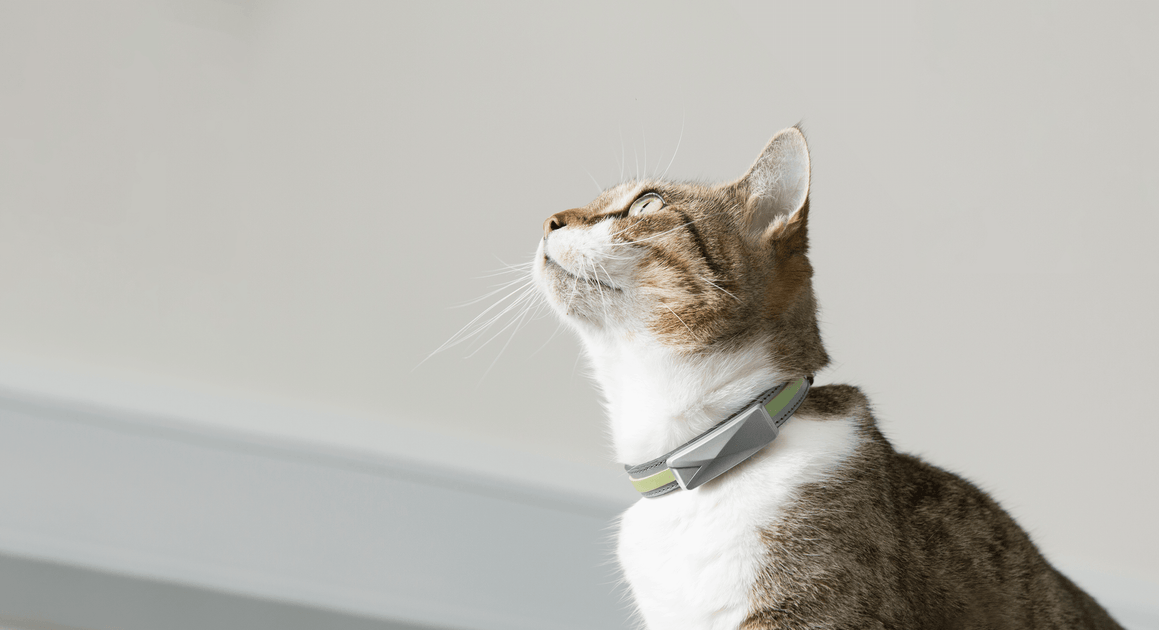
Some collars come with GPS trackers to monitor a cat’s location. This helps owners find their pets quickly if they wander off.
Health monitoring collars can track activity levels and rest times. This information helps owners notice changes in a cat’s health early.
- GPS trackers for location tracking
- Activity monitors to track movement
- Alerts for unusual health patterns
Credit: felcana.com
Choosing The Right Collar
Many cats do not like wearing collars at first. Choosing the right collar can help your cat feel more comfortable. A good collar should fit well and feel soft on your cat’s neck.
Picking the right collar type can make your cat accept it more easily. Look for collars that suit your cat’s size and personality.
Comfortable Designs
Comfort is key for cats wearing collars. Soft materials like nylon or cotton are gentle on their skin. Avoid collars with rough edges or heavy decorations.
Breakaway collars are safer and more comfortable. They open easily if your cat gets caught on something. This reduces stress and risk of injury.
- Choose lightweight collars
- Look for soft and smooth materials
- Use breakaway or quick-release types
- Avoid collars with noisy bells if your cat dislikes sound
Proper Fit And Size
A collar that fits well keeps your cat safe and happy. It should be snug but not too tight. You can fit two fingers between the collar and your cat’s neck.
Too loose collars can slip off. Too tight collars can cause pain or skin problems. Measure your cat’s neck before buying a collar to get the right size.
- Measure your cat’s neck with a soft tape
- Leave space for two fingers under the collar
- Adjust the collar regularly as your cat grows
- Check the fit often to avoid irritation
Introducing Collars To Cats
Many cats dislike collars at first. It is new and feels strange.
Introducing collars gently helps cats get used to them. This guide shows how.
Gradual Introduction Techniques
Start by letting your cat see and smell the collar. Do not put it on yet.
- Place the collar near your cat’s bed or favorite spot.
- Let your cat touch and sniff the collar for a few days.
- Try putting the collar on for a few minutes while distracting your cat.
- Slowly increase the time your cat wears the collar each day.
- Watch your cat’s reaction and stop if it seems stressed.
Positive Reinforcement Tips
Use treats and praise to help your cat like the collar. Reward calm behavior.
| Action | Reward |
| Sniffing the collar | Small treat |
| Wearing collar briefly | Soft praise |
| Wearing collar longer | Favorite toy playtime |
| Staying calm with collar | Extra petting |
Alternatives To Traditional Collars
Many cats dislike wearing traditional collars. These collars can feel tight or uncomfortable. Luckily, there are alternatives that keep cats safe and happy.
Below, we explore options like breakaway collars, harnesses, and microchips. Each choice offers different benefits for your cat’s comfort and security.
Breakaway And Elastic Collars
Breakaway collars have a safety feature that lets them snap open if caught. Elastic collars stretch slightly, giving cats more freedom of movement.
- Breakaway collars reduce risk of choking or injury.
- Elastic collars are softer and less restrictive.
- Both types allow cats to wear ID tags safely.
- They come in various sizes and colors to fit your cat.
Harnesses And Microchips
Harnesses offer control for outdoor adventures without stressing the neck. Microchips provide permanent identification without any wearables.
| Option | Benefits | Considerations |
|---|---|---|
| Harness | Comfortable, good for walks, prevents escape | Needs training, not for all cats |
| Microchip | Permanent ID, no discomfort, can’t be lost | Requires a scanner, no visible tag |
Common Myths About Cats And Collars
Many people wonder if cats hate wearing collars. There are many myths about cats and collars. These myths can make owners worry about putting collars on their cats.
It is important to understand the truth about cats and collars. This helps keep cats safe and comfortable.
Collars Cause Stress
Some believe collars make cats very stressed. Cats may feel strange at first when wearing a collar. But most cats get used to collars quickly.
Stress from collars is often low if the collar fits well. A loose or tight collar can cause discomfort. Choosing a soft, light collar helps reduce stress.
- Make sure the collar fits properly
- Use collars made from soft materials
- Let your cat wear the collar for short times first
Cats Can’t Adapt To Collars
Many think cats cannot get used to collars. Cats are smart and can learn to wear collars. It may take a few days or weeks for them to adjust.
Patience and gentle training help cats accept collars. Giving treats and praise encourages good behavior. Most cats live happily with collars once they adapt.
- Introduce the collar slowly
- Watch your cat’s behavior closely
- Remove the collar if your cat shows strong dislike

Credit: www.reddit.com
Frequently Asked Questions
Do Cats Dislike Wearing Collars?
Many cats initially resist collars due to unfamiliarity. However, with patience and gradual introduction, most cats adapt well and tolerate collars comfortably.
Why Do Some Cats Hate Collars?
Cats may hate collars if they feel tight, heavy, or itchy. Poorly fitted or noisy collars often cause discomfort and stress for cats.
How To Make Cats Accept Collars?
Start by choosing lightweight, soft collars. Gradually introduce the collar during calm moments and reward your cat with treats and praise.
Are Collars Safe For Cats?
Yes, collars are safe if properly fitted and designed with a quick-release mechanism to prevent choking or injury during accidents.
Conclusion
Cats do not always hate collars. Many get used to them over time. Choosing a soft, light collar helps a lot. Ensure it fits well and is safe. Watch your cat closely when wearing one. Some cats may feel uncomfortable at first.
Patience and gentle care make a difference. Collars can protect cats and help find them. Remember, each cat is unique and reacts differently. Keep your cat’s comfort as the top priority. Small steps bring big changes in their acceptance.