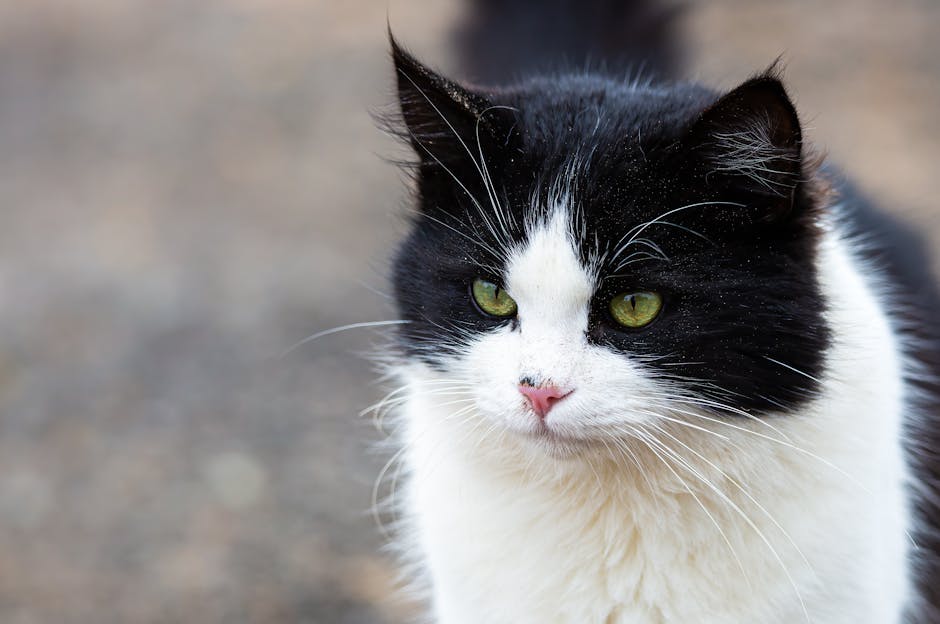
Have you ever wondered which cat is the biggest in the world? Whether you’re a cat lover or just curious, discovering the largest cat species can surprise and amaze you.
Knowing about the biggest cat isn’t just about size—it’s about power, beauty, and the wild nature that lies behind those sharp eyes. Keep reading, and you’ll uncover fascinating facts that will change the way you see these incredible animals forever.
Ready to find out which cat rules the size chart? Let’s dive in!
Largest Wild Cats
Wild cats are some of the most powerful animals on Earth. They vary in size and strength. Some grow very large and are top predators in their homes.
This article looks at four of the biggest wild cats. Learn about their size, habitat, and features.
Siberian Tiger
The Siberian tiger is the largest wild cat. It lives in the cold forests of Russia. Males can weigh up to 660 pounds and grow over 10 feet long.
This tiger has thick fur to keep warm. It hunts deer, wild boar, and smaller animals. It is a strong and fast predator.
Lion
Lions live in Africa and parts of India. Male lions can weigh up to 570 pounds. They are famous for their manes, which make them look bigger.
- Live in groups called prides
- Hunt mostly large herbivores
- Roar can be heard five miles away
Jaguar
Jaguars live in the Americas, especially rainforests. They are the biggest cats in the Americas. Jaguars weigh up to 250 pounds.
| Feature | Details |
| Weight | Up to 250 pounds |
| Length | Up to 6 feet |
| Habitat | Rainforests and wetlands |
| Diet | Fish, deer, and small mammals |
Leopard
Leopards are smaller than lions and tigers but very strong. They live in Africa and Asia. They weigh up to 200 pounds.
- Excellent climbers, often rest in trees
- Can run up to 36 mph
- Very good swimmers

Credit: www.reddit.com
Giant Domestic Cat Breeds
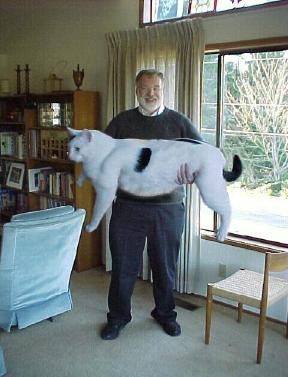
Some domestic cats grow much larger than usual. These giant breeds have big bodies and thick fur. They are gentle giants that many people love.
We will look at three popular giant cat breeds. They are the Maine Coon, Savannah Cat, and Norwegian Forest Cat.
Maine Coon
The Maine Coon is one of the largest domestic cats. It has a long, thick coat and a bushy tail. This cat is friendly and playful.
Maine Coons can weigh up to 18 pounds or more. They have large paws that help them walk in snow. Their ears often have tufts of fur on top.
Savannah Cat
The Savannah Cat is a mix of a domestic cat and a wild African serval. It is tall, slim, and has long legs. This breed is very active and curious.
- Height: up to 17 inches tall
- Weight: 12 to 25 pounds
- Coat: spotted and short
- Personality: energetic and social
Norwegian Forest Cat
The Norwegian Forest Cat is strong and built for cold weather. It has a thick double coat and a large frame. This cat loves climbing and exploring outdoors.
| Breed | Weight Range | Coat Type | Special Traits |
| Maine Coon | 10–18+ pounds | Long and thick | Tufted ears, bushy tail |
| Savannah Cat | 12–25 pounds | Short with spots | Long legs, tall stature |
| Norwegian Forest Cat | 9–16 pounds | Thick double coat | Strong, good climber |
Factors Affecting Cat Size
The size of the biggest cats varies widely across species. Many factors influence how large a cat can grow. Understanding these factors helps explain size differences in wild and domestic cats.
Genetics, habitat, and diet all play key roles in determining cat size. Each factor affects growth and physical development in different ways.
Genetics
Genetics determine the basic size limits of a cat. Different species inherit traits that control their maximum growth. For example, the Siberian tiger has genes that allow it to grow larger than a house cat.
- Inherited body structure
- Growth hormone levels
- Genetic mutations affecting size
- Breed-specific traits
Habitat
The environment where a cat lives affects its size. Space, climate, and shelter influence growth. Cats in open areas may grow larger due to better hunting opportunities.
| Habitat Type | Effect on Size |
| Forest | Medium to large size due to dense cover |
| Savanna | Larger size for hunting big prey |
| Urban | Smaller size due to limited space |
| Mountain | Strong and large for cold weather |
Diet
Diet provides the energy and nutrients cats need to grow. Protein-rich diets support muscle and bone growth. Poor diet can limit size and health.
- Amount of protein intake
- Availability of prey or food sources
- Quality of nutrition
- Consistency in feeding
Credit: www.snopes.com
Record-holding Big Cats
Big cats are some of the most powerful animals on Earth. They come in many sizes and shapes.
Some cats hold records for being the heaviest, longest, or tallest. Let’s explore these amazing animals.
Heaviest Cats
The Siberian tiger is the heaviest big cat. Adult males can weigh up to 700 pounds.
Lions are also heavy, with males weighing around 500 pounds. Jaguars and leopards are lighter.
- Siberian tiger: up to 700 pounds
- African lion: around 500 pounds
- Jaguar: up to 250 pounds
- Leopard: up to 200 pounds
Longest Cats
The longest big cat is the tiger. Some tigers can reach over 10 feet from head to tail.
Lions are slightly shorter but still very long. Their length helps them in hunting and fighting.
- Tiger: up to 10.5 feet long
- Lion: up to 10 feet long
- Jaguar: about 6 feet long
- Leopard: about 6-7 feet long
Tallest Cats
The tallest big cat is the lion. Male lions stand about 4 feet tall at the shoulder.
Tigers are slightly shorter but very muscular. Height helps these cats spot prey from afar.
- Lion: about 4 feet tall at shoulder
- Tiger: about 3.5 feet tall
- Jaguar: about 2.5 feet tall
- Leopard: about 2.5 feet tall
Conservation Status Of Giant Cats
Giant cats are some of the largest and most powerful animals in the wild. They include species like tigers, lions, leopards, and jaguars. Their numbers are dropping because of many dangers.
Protecting these big cats is important to keep nature balanced. Many groups work hard to save them from extinction.
Threats To Big Cats
Big cats face many problems that put their lives at risk. People cut down forests, which is where these cats live. This loss of homes makes it hard for them to find food and mates.
Poachers hunt big cats for their fur, bones, and other body parts. Illegal trade is a big reason their numbers are shrinking. Conflicts with humans also cause deaths when cats attack livestock.
- Habitat loss from deforestation
- Poaching for fur and body parts
- Human-wildlife conflicts
- Decrease in prey animals
Conservation Efforts
Many groups protect big cats by creating safe areas called reserves. These places stop hunting and keep cats safe. Rangers watch these areas to stop poachers.
People also work to teach others why big cats are important. They help farmers protect their animals without harming cats. Laws make hunting big cats illegal in many countries.
- Creating wildlife reserves and parks
- Anti-poaching patrols and laws
- Education and community support
- Helping farmers protect livestock
Role In Ecosystems
Big cats keep nature healthy by controlling animal numbers. They hunt weak or sick animals, which helps other animals stay strong. This keeps the food chain balanced.
Without big cats, some animals would become too many. This can hurt plants and other animals. Protecting big cats helps the whole environment stay safe and clean.
Credit: www.pets4homes.co.uk
Comparing Big Cats Worldwide
Big cats are some of the most powerful animals on Earth. They include lions, tigers, leopards, and jaguars.
This article compares these big cats by size, behavior, and where they live. It helps to see which cat is the biggest.
Size Metrics
Big cats differ in weight, length, and height. Tigers are usually the largest in size.
Lions and jaguars are smaller but still very strong. Leopards are the smallest of the big cats.
| Big Cat | Average Weight (kg) | Length (cm) | Height (cm) |
|---|---|---|---|
| Siberian Tiger | 180 – 306 | 190 – 330 | 90 – 110 |
| African Lion | 150 – 250 | 170 – 250 | 90 – 120 |
| Jaguar | 56 – 96 | 150 – 185 | 63 – 76 |
| Leopard | 30 – 90 | 90 – 190 | 45 – 80 |
Behavioral Traits
Big cats show different behaviors. Tigers and jaguars like to live and hunt alone.
Lions live in groups called prides. Leopards are very good climbers and often rest in trees.
- Tigers: solitary hunters, strong swimmers
- Lions: social animals, hunt in groups
- Jaguars: powerful bite, swim well
- Leopards: stealthy, excellent climbers
Habitat Range
Each big cat lives in different places. Tigers mainly live in Asia’s forests and grasslands.
Lions are found in African savannas. Jaguars live in the rainforests of Central and South America.
Leopards have the widest range. They live in Africa and parts of Asia.
- Tiger: Russia, India, Southeast Asia
- Lion: Sub-Saharan Africa, small India population
- Jaguar: Amazon rainforest, Central America
- Leopard: Africa, Middle East, Asia
Frequently Asked Questions
What Is The Biggest Species Of Wild Cat?
The Siberian tiger is the biggest wild cat species. Males can weigh up to 660 pounds and measure over 10 feet long.
How Does The Biggest Domestic Cat Compare In Size?
Maine Coon is the largest domestic cat breed. Males can weigh up to 25 pounds and are known for their muscular build.
Which Cat Holds The Record For Largest Size?
The liger, a hybrid between a lion and tiger, holds the record. It can weigh over 900 pounds and exceed 11 feet in length.
Are Big Cats Endangered Due To Their Size?
Many big cats like tigers and lions face habitat loss and poaching. Their large size makes them vulnerable to human threats.
Conclusion
Big cats captivate people worldwide. Their size and power inspire awe. The largest cat, the Siberian Tiger, reigns supreme. Weighing up to 660 pounds, it’s truly majestic. These tigers need vast areas to roam and hunt. Protecting their habitat is crucial for their survival.
Understanding their needs helps conservation efforts. Supporting wildlife organizations can make a difference. Each small step counts in preserving these incredible creatures. Remember, big cats are vital to our ecosystem. Their beauty and strength deserve our respect and care. Let’s work together to ensure their future in the wild.