If you’ve ever caught your feline friend scratching away with determination, you know how bothersome fleas can be. These tiny pests not only irritate your cat but can also lead to more serious health issues.
This is where flea collars come to the rescue. But how do they really work to keep your cat pest-free? Understanding this could be your ticket to ensuring a happier, healthier life for your pet. Before you choose a flea collar, it’s crucial to know the science behind it and how it can benefit your beloved cat.
Stick around as we unravel the mysteries of these handy devices, so you can make the best choice for your furry companion.
Flea Collars Basics
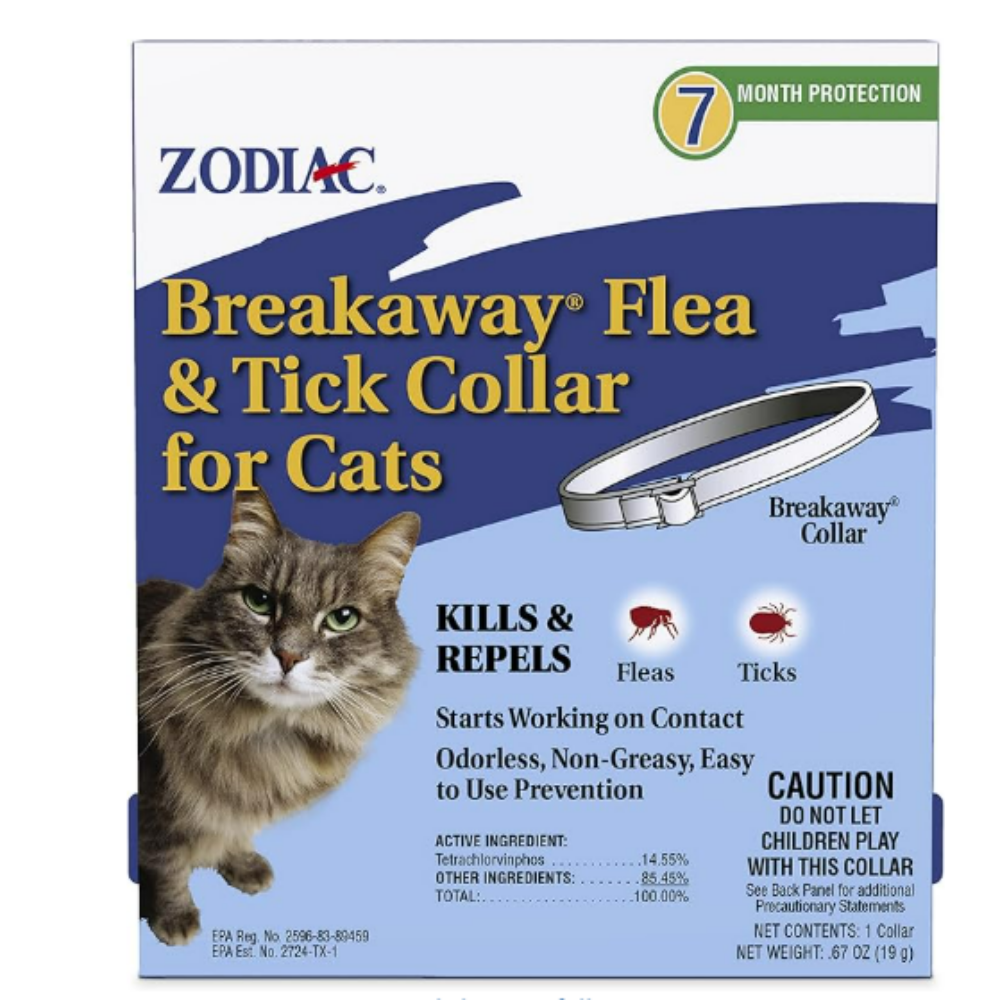
Flea collars are a simple way to protect cats from fleas. They work by releasing chemicals that kill or repel fleas. Many cat owners choose flea collars for easy and long-lasting flea control.
Understanding how flea collars work can help you pick the right one for your cat. This guide covers types of flea collars, active ingredients used, and how these collars release chemicals.
Types Of Flea Collars
There are several types of flea collars for cats. Each type uses different technology to fight fleas and ticks. Here are the main types:
- Traditional collars with insecticide powder or liquid
- Collars that slowly release chemicals over time
- Natural or herbal collars without synthetic chemicals
- Waterproof collars for outdoor cats
Active Ingredients Used
| Ingredient | Purpose | Notes |
| Imidacloprid | Kills adult fleas | Common in many collars |
| Flumethrin | Repels and kills ticks | Often combined with imidacloprid |
| Pyriproxyfen | Stops flea eggs from hatching | Used to break flea life cycle |
| Essential oils | Natural flea repellent | Safer but less strong |
How Flea Collars Release Chemicals
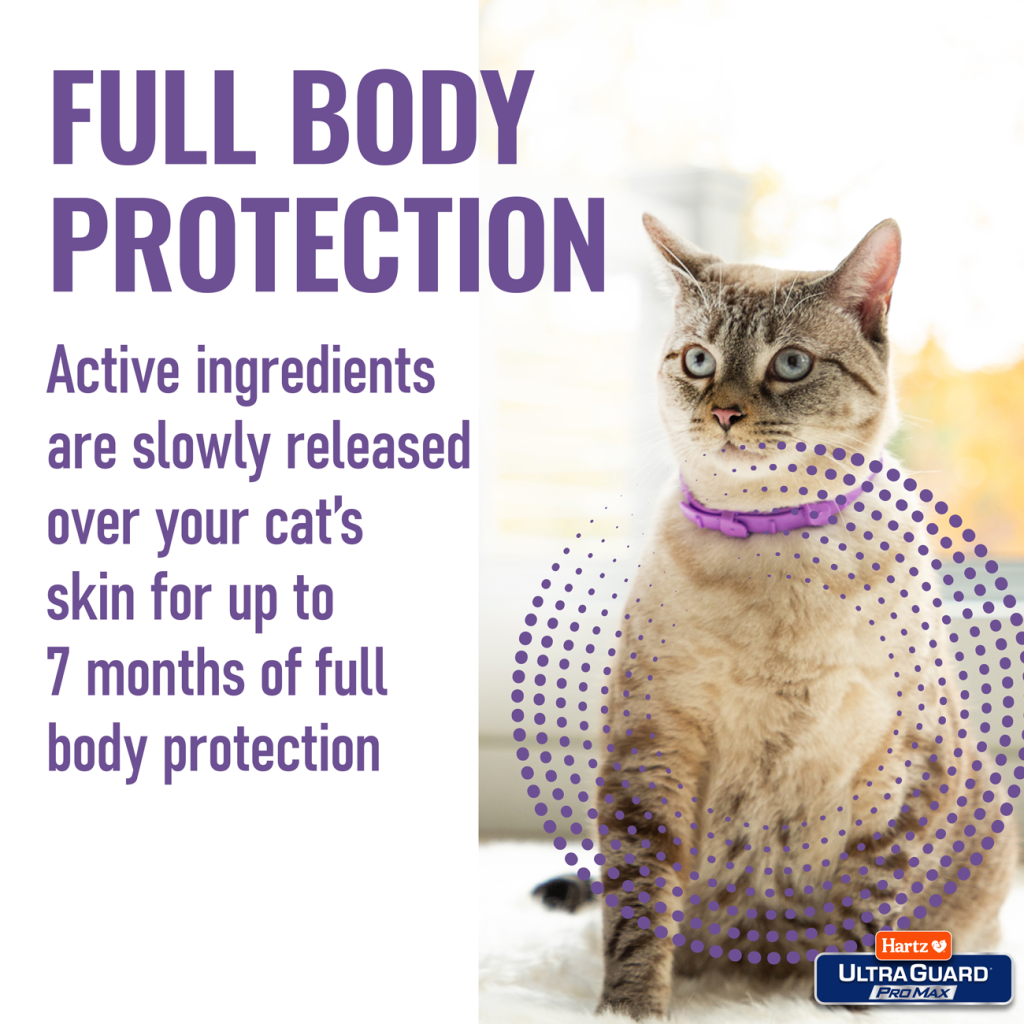
Flea collars release chemicals slowly over weeks or months. This steady release helps keep fleas away for a long time. The chemicals spread over the cat’s fur and skin.
- Collars use a special material that holds the chemicals
- Heat from the cat’s body helps release the chemicals
- The chemicals spread evenly to cover the cat’s skin
- Some collars are waterproof and keep working even after baths
Mechanism On Cats
Flea collars protect cats by releasing chemicals that target pests. These chemicals spread over the cat’s body to fight fleas and ticks.
Understanding how these collars work helps pet owners choose the right one for their cats.
Absorption Through Skin And Fur
When a flea collar is on a cat, it slowly releases active ingredients. These chemicals spread through the cat’s fur and skin oils. The collar’s material helps control the release rate.
- The chemicals pass through the fur to the skin.
- Skin oils carry the chemicals across the cat’s body.
- The collar keeps a steady supply of the active substance.
Effect On Fleas And Ticks
The chemicals in the collar affect fleas and ticks in several ways. They stop pests from biting and feeding on the cat’s blood. Some collars also kill fleas and ticks on contact.
| Effect | Description |
| Repellent | Prevents fleas and ticks from attaching |
| Insect Growth Regulator | Stops flea eggs from hatching |
| Insecticide | Kills adult fleas and ticks |
Duration Of Protection
Flea collars offer protection for different lengths of time. Most collars last from several weeks to months. The duration depends on the collar’s formula and how well it stays on the cat.
- Cat’s activity level
- Exposure to water or rain
- Collar tightness and fit
- Type of active ingredients
Choosing The Right Collar
Flea collars help protect cats from fleas by releasing chemicals. These chemicals kill or repel fleas on contact.
Picking the right flea collar is important for your cat’s health and comfort. Consider your cat’s needs before buying.
Safety For Different Cat Ages
Young kittens and older cats have different needs. Some collars may be too strong for kittens under 12 weeks old.
Always check the collar’s age recommendation. Avoid collars with harsh chemicals for very young or old cats.
- Kittens under 12 weeks: Use only vet-approved collars
- Adult cats: Most collars are safe, but check instructions
- Senior cats: Choose gentle formulas to avoid irritation
Size And Fit Considerations
A collar should fit snugly but not too tight. A loose collar may fall off, while a tight one can cause discomfort.
Measure your cat’s neck before buying. Look for collars with adjustable straps for a better fit.
- Measure neck size with a soft tape
- Leave space for two fingers between collar and neck
- Adjust collar as your cat grows or gains weight
Hypoallergenic Options
Some cats have sensitive skin that reacts to chemicals or materials. Hypoallergenic collars reduce allergic reactions.
Look for collars made with natural ingredients or soft materials. These collars help avoid itching and redness.
- Choose collars labeled hypoallergenic
- Avoid collars with strong fragrances or dyes
- Consult your vet if your cat has skin issues
Credit: www.petsradar.com
Application Tips
Flea collars help protect cats from fleas by releasing chemicals. These chemicals spread over your cat’s fur and skin to repel or kill fleas.
Applying the flea collar correctly makes it more effective and safe for your cat. Follow these tips to get the best results.
Proper Placement On Cats
Place the flea collar around your cat’s neck, close to the skin but not too tight. It should fit loosely enough to allow two fingers between the collar and neck.
Make sure the collar touches the skin so the chemicals can spread properly. Avoid placing it over thick fur or loose skin.
- Remove your cat’s regular collar before applying the flea collar.
- Put the flea collar high on the neck, near the base of the skull.
- Adjust the collar so it fits snug but not too tight.
- Trim any excess length of the collar for safety.
Avoiding Common Mistakes
Do not put the flea collar too loose or too tight. A loose collar will not work well. A tight collar can hurt your cat.
Do not place the collar on wet or dirty fur. This reduces its effectiveness. Also, avoid using more than one flea collar at a time.
- Check the collar daily for signs of irritation.
- Keep the collar dry to maintain its power.
- Do not mix flea collars with other flea treatments.
- Watch your cat’s behavior after putting on the collar.
When To Replace The Collar
Flea collars last for a specific time, usually several weeks to months. Replace the collar once the time is up to keep your cat protected.
Also replace the collar if it gets damaged or lost. If fleas return, consider replacing the collar sooner.
- Check the manufacturer’s instructions for duration.
- Replace the collar after exposure to water, if recommended.
- Remove and replace if your cat shows skin irritation.
- Use a new collar if the old one breaks or is lost.
Potential Risks
Flea collars can help control pests on cats. But they also have some risks. It is important to know these risks before using one.
Some cats may react badly to flea collars. Watch your cat carefully after putting on a collar.
Side Effects To Watch For
Flea collars can cause side effects in some cats. These effects may vary from mild to serious.
Common side effects include skin irritation, redness, and itching near the collar area. Some cats may also become restless or sneeze.
- Hair loss around the collar
- Swelling or bumps on the skin
- Excessive drooling or licking
- Vomiting or diarrhea
- Change in appetite or behavior
Interactions With Other Treatments
Flea collars can interact with other flea or parasite treatments. Mixing treatments can cause harm to your cat.
Do not use multiple flea products at the same time unless your vet says it is safe. Some chemicals may build up and cause toxicity.
- Avoid using flea collars with flea shampoos at the same time
- Check if your cat is on any medication before adding a collar
- Some collars may not be safe for kittens or pregnant cats
- Consult your vet about the right treatment plan
When To Consult A Vet
Seek veterinary help if your cat shows strong side effects. Early treatment can prevent serious problems.
Contact your vet if you notice:
- Severe skin reactions or swelling
- Difficulty breathing or coughing
- Continuous vomiting or diarrhea
- Extreme lethargy or weakness
- Any unusual behavior or signs of pain
Credit: vettoday.com
Alternatives To Flea Collars
Flea collars are one way to keep cats free from fleas. Some cats may not like collars or have skin reactions. There are other options that can help protect your cat from fleas.
These alternatives include treatments you apply to the skin, pills your cat can take, and natural ways to fight fleas. Each option works differently and suits different cats.
Topical Treatments
Topical treatments are liquids you put on your cat’s skin. Usually, you apply them at the back of the neck. These treatments kill fleas and stop new ones from growing.
They work by spreading through the cat’s skin oils. Many topical treatments also protect against ticks and other parasites. They need to be applied every month.
- Easy to apply with a dropper
- Starts killing fleas quickly
- Protects for about 30 days
- Safe if used as directed
Oral Medications
Oral medications come as pills or chewables that your cat eats. These medicines kill fleas from the inside. They stop fleas from biting and growing on your cat.
Some oral meds work fast and protect for a whole month. They are easy to give and do not leave any smell or residue on your cat’s fur.
- Given by mouth, sometimes with food
- Kills fleas quickly
- Lasts up to 30 days
- Good for cats that dislike topical drops
Natural Remedies
Natural remedies use safe ingredients to help keep fleas away. Some cats respond well to these options. They include herbal sprays, essential oils, and diet changes.
These remedies may not kill fleas as fast as medicine. They can help reduce flea problems and support your cat’s health. Always check with a vet before using natural products.
- Herbal sprays to repel fleas
- Essential oils diluted safely
- Regular grooming with flea combs
- Healthy diet to improve skin
Maintaining Flea-free Environment
Flea collars help control fleas on cats. To keep your home flea-free, you need more than just the collar. Clean habits and good care are important.
Fleas can hide in your house and on your pet. This guide explains how to keep fleas away with cleaning and care tips.
Cleaning And Home Care
Fleas lay eggs in carpets, bedding, and furniture. Cleaning removes fleas and stops new ones from growing.
- Vacuum floors and furniture daily to remove eggs and larvae.
- Wash pet bedding and blankets in hot water weekly.
- Use flea sprays or powders on carpets and rugs if needed.
- Keep your home dry and tidy to reduce flea survival.
Preventing Reinfestation
Stopping fleas from coming back is key. Keep your cat and home protected after treatment.
| Prevention Method | Purpose |
|---|---|
| Use flea collars consistently | Repels and kills fleas on your cat |
| Limit outdoor access | Reduces contact with wild animals carrying fleas |
| Check your cat’s fur weekly | Detect fleas early before they spread |
| Keep other pets treated | Prevents fleas moving between animals |
Regular Vet Checkups
Vets help keep your cat healthy and flea-free. They can offer advice and treatments.
- Schedule checkups every 6 to 12 months.
- Ask about flea prevention products suitable for your cat.
- Report any signs of fleas or skin irritation promptly.
- Follow your vet’s advice on flea control and pet care.

Credit: www.hartz.com
Frequently Asked Questions
How Do Flea Collars Kill Fleas On Cats?
Flea collars release insecticides that kill fleas on contact. These chemicals disrupt fleas’ nervous systems, effectively eliminating them quickly and preventing infestations.
Are Flea Collars Safe For Cats?
Yes, flea collars are generally safe for cats when used as directed. Always choose collars designed specifically for cats and monitor for any adverse reactions.
How Long Do Flea Collars Last On Cats?
Most flea collars protect cats for 8 to 12 weeks. The duration depends on the product type and environmental conditions.
Can Flea Collars Prevent Future Flea Infestations?
Yes, flea collars repel and kill fleas, helping prevent new infestations. Consistent use is key to maintaining flea-free cats.
Conclusion
Flea collars help protect cats by killing fleas quickly. They release safe chemicals that stop fleas from biting. Cats wear them all day for long-lasting protection. Always choose collars made for cats to avoid harm. Check the collar often to keep it working well.
Flea collars work best when combined with regular cleaning. Keep your cat comfortable and flea-free with the right collar. Simple, steady care keeps your cat happy and healthy.