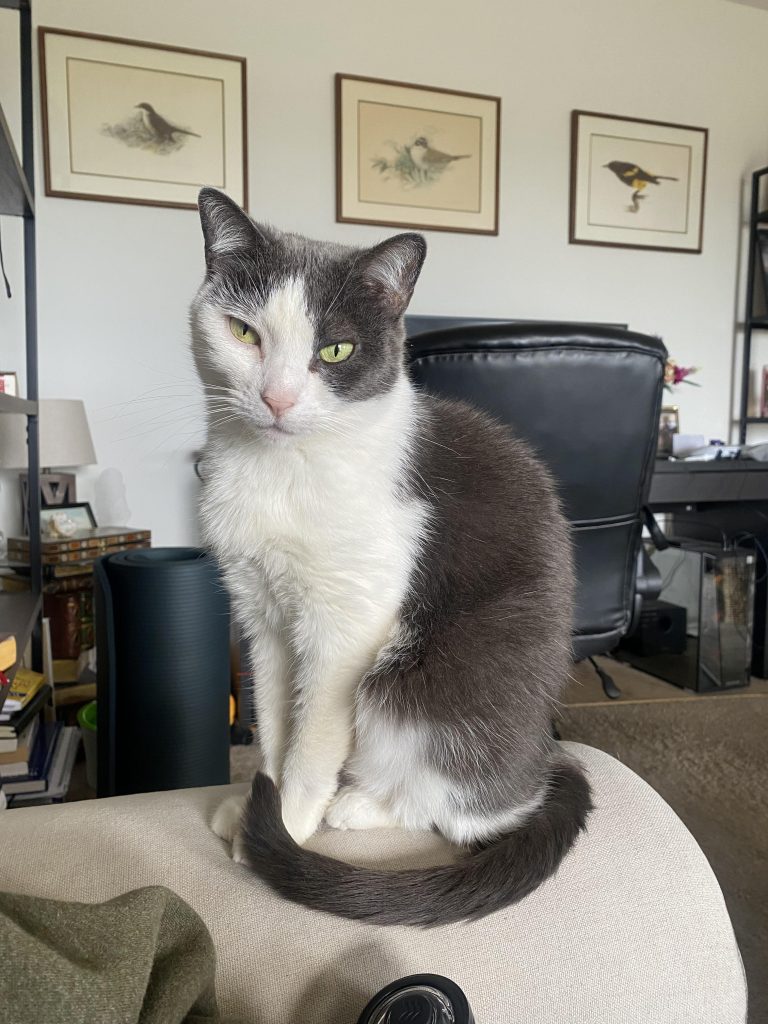
Have you ever looked at your cat and wondered, “What type of cat is my cat?” Maybe you notice unique features or behaviors that make your furry friend stand out. Understanding your cat’s breed or type can help you care for them better and deepen your bond.
You’ll discover simple ways to identify your cat’s type, learn about common traits, and find out what makes your cat truly special. Keep reading, and soon you’ll see your feline companion in a whole new light.
Identifying Physical Traits
Knowing your cat’s physical traits helps you learn about its type. Different cats have unique features. These traits include coat patterns, size, eyes, and ears.
Looking closely at these features makes it easier to identify your cat’s breed or mix. Let’s explore the main traits to check.
Coat Patterns And Colors
Cats come in many coat patterns and colors. These can show clues about their breed. Some cats have solid colors, while others have stripes or spots.
- Solid:One color all over the body.
- Tabby:Stripes, swirls, or spots with an M shape on the forehead.
- Calico:White with orange and black patches.
- Tortoiseshell:Mixed black and orange, but less white.
- Pointed:Darker color on face, ears, paws, and tail.
Body Size And Shape
Body size and shape vary by cat type. Some cats are small and slender. Others are larger and more muscular. Shape can show breed traits too.
| Body Feature | Description |
| Small and Slim | Lightweight, agile, often with long legs |
| Medium and Balanced | Average weight and height, well-proportioned |
| Large and Muscular | Heavier, broad chest, strong limbs |
| Long and Lean | Slender with elongated body and neck |
Eye Color And Shape
Eye color ranges from green to blue to amber. Shape can be round, almond, or oval. Bright, clear eyes often indicate a healthy cat.
- Round Eyes:Large and circular, common in British Shorthairs.
- Almond Eyes:Slightly pointed at ends, seen in Siamese cats.
- Oval Eyes:Elliptical shape, common in many breeds.
- Eye Colors:Green, Blue, Amber, Copper, or Hazel.
Ear Shape And Position
Ear shapes and how they sit on the head can help identify your cat. Some ears are tall and pointed, others round or folded.
| Ear Type | Description | Examples |
|---|---|---|
| Pointed | Tall and upright | Siamese, Maine Coon |
| Rounded | Soft, curved edges | British Shorthair |
| Folded | Folded forward | Scottish Fold |
| Large and Wide-set | Big ears spaced far apart | Oriental Shorthair |

Credit: www.reddit.com
Behavioral Clues
Understanding your cat’s behavior helps identify its type. Cats show traits through actions and habits. Watching these clues reveals a lot about their personality and breed tendencies.
Focus on how active your cat is, how it interacts with others, its sounds, and how it plays. These behaviors give important hints about your cat’s nature.
Activity Levels
Activity levels vary from cat to cat. Some cats love to run and jump all day. Others prefer lounging and sleeping most of the time. Noticing your cat’s energy helps understand its breed traits.
- High activity cats need lots of play and exercise.
- Medium activity cats balance playtime with rest.
- Low activity cats enjoy quiet and calm environments.
Social Tendencies
Some cats are very social and enjoy being around people or other pets. Others may be shy or prefer solitude. Watching how your cat reacts to company shows its social nature.
| Social Behavior | Description | Common Breeds |
| Very Social | Seeks attention and enjoys being held | Ragdoll, Siamese |
| Moderately Social | Friendly but also likes alone time | American Shorthair, Maine Coon |
| Less Social | Prefers to stay alone and avoids strangers | Russian Blue, Scottish Fold |
Vocalization Patterns
Cats use sounds to communicate. Some cats are very talkative and meow often. Others are quiet and only vocalize when needed. Your cat’s sounds can hint at its type and mood.
- Frequent meowers often want attention or food.
- Quiet cats express themselves with body language.
- Different meows can mean different needs or feelings.
Play Styles
Play is important for cats. Some cats enjoy chasing toys or climbing. Others like gentle play or problem-solving games. Watching how your cat plays shows its personality and breed characteristics.
| Play Style | Behavior | Examples |
|---|---|---|
| Active Hunter | Chases and pounces on moving toys | Bengal, Abyssinian |
| Gentle Player | Prefers soft toys and slow play | Persian, British Shorthair |
| Smart Player | Enjoys puzzle toys and problem games | Scottish Fold, Siamese |
Common Cat Breeds
Many cat breeds share similar looks but have unique traits. Knowing your cat’s breed helps with care and understanding.
This guide covers popular short-haired, long-haired, and rare cat breeds. Each group has special features to learn about.
Popular Short-haired Breeds
Short-haired cats are easy to care for and come in many patterns. They often have playful and friendly personalities.
- American Shorthair:Known for its round face and sturdy body.
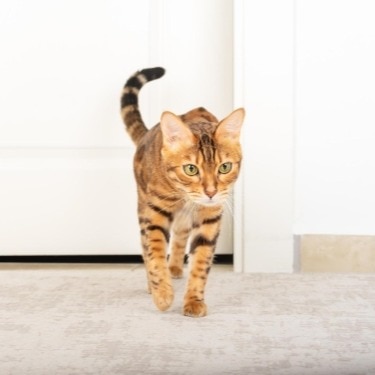
- Bengal:Spotted or marbled coat resembling wild cats.
- British Shorthair:Dense, plush coat with a calm nature.
- Abyssinian:Sleek body and ticked coat pattern.
- Russian Blue:Silvery-blue fur and green eyes.
Notable Long-haired Breeds
Long-haired cats need regular grooming. They often have thick, soft coats and gentle temperaments.
| Breed | Coat Color | Temperament |
| Maine Coon | Varied, often tabby | Friendly and playful |
| Persian | Wide range including solid and shaded | Calm and affectionate |
| Ragdoll | Colorpoint patterns | Docile and loving |
| Norwegian Forest | Thick, water-resistant | Independent but social |
Rare And Exotic Breeds
Some cats have unusual looks or come from rare bloodlines. These breeds stand out with unique features.
Savannah:Tall with spotted coat, a cross with wild cats.
Scottish Fold:Ears fold forward giving a unique face shape.
Turkish Van:Mostly white with colored tail and head patches.
Using Cat Dna Tests
Many cat owners wonder about their cat’s breed and origins. Cat DNA tests give clear answers. These tests analyze your cat’s genes to find out its type.
Using a DNA test can reveal your cat’s breed mix, health risks, and traits. It is an easy way to learn more about your furry friend.
How Dna Tests Work
A cat DNA test works by collecting a small sample of your cat’s saliva or cheek cells. You send the sample to a lab for analysis. The lab looks at the cat’s genetic markers. These markers match different breeds and traits.
The lab compares your cat’s DNA to a large database of known cat breeds. This helps identify which breeds are in your cat’s background. The test can also check for gene mutations linked to diseases.
Popular Dna Testing Kits
- Wisdom Panel Cat DNA
- Basepaws Cat DNA Test
- Orivet Cat DNA Test
- MyCatDNA Breed Test
Each kit comes with instructions and a collection swab. You collect your cat’s sample yourself. Then, you mail it to the company’s lab. Results usually come in a few weeks.
Interpreting Results
| Result Type | What It Means |
| Breed Mix | Shows the cat’s breed background |
| Genetic Traits | Information on coat color and eye shape |
| Health Risks | Potential inherited diseases to watch for |
| Ancestry | Geographic origin of your cat’s breeds |
Understanding the report helps you care for your cat better. You learn about special needs or risks. This can guide your vet visits and diet choices.
Mix Breeds And Shelter Cats
Many cats come from mixed breeds or shelters. These cats have unique traits and stories. Understanding them helps you care better for your cat.
Mixed breed cats and shelter cats often have special qualities. They may not look like purebreds but are full of love and personality.
Traits Of Mixed Breeds
Mixed breed cats show a mix of traits from different types. They can have varied colors, sizes, and fur patterns. Many mixed breeds are healthy and strong.
- Varied coat colors and patterns
- Different fur lengths and textures
- Unique eye colors and shapes
- Strong immune systems
- Friendly and adaptable personalities
Adopting Shelter Cats
Shelter cats come from many backgrounds. They may have been lost, abandoned, or born in shelters. Adoption helps these cats find loving homes.
| Benefit | Description |
| Saving a Life | Giving a home to a cat in need |
| Health Check | Shelters provide vaccinations and care |
| Variety | Many ages, sizes, and personalities available |
| Cost Effective | Adoption fees are usually lower than buying |
Recognizing Unique Mixes
Mixed cats may show traits from several breeds. Look at their size, fur, and behavior. This helps identify their possible mix.
- Check for unusual fur colors or patterns
- Notice body shape and ear type
- Observe playful or shy behavior
- Ask a vet for breed mix advice

Credit: www.reddit.com
When To Consult A Vet Or Expert
Knowing your cat’s breed can help you care for it better. Sometimes, you may need professional help to identify the breed. Experts can also spot health issues linked to certain breeds.
This guide explains when to see a vet or a cat specialist. It covers breed identification, health concerns, and how to find the right expert.
Professional Breed Identification
Identifying your cat’s breed can be tricky. Vets and cat experts use experience and tools to find out the breed. This helps understand your cat’s behavior and needs.
- Look for unique physical traits
- Use DNA testing if unsure
- Ask a vet or breed specialist for advice
Health Implications Of Breed
Some cat breeds have health problems that need special care. Knowing your cat’s breed helps catch these issues early. A vet can recommend tests and treatments.
| Breed | Common Health Issues | Signs to Watch |
| Siamese | Respiratory problems | Frequent sneezing, coughing |
| Persian | Eye infections, kidney disease | Red eyes, frequent urination |
| Maine Coon | Heart disease | Weakness, breathing trouble |
Finding A Feline Specialist
Some vets focus on cats and know breeds well. Finding a feline specialist can improve your cat’s care. They understand breed-specific needs and health risks.
- Ask your regular vet for referrals
- Check local veterinary clinics
- Look for certifications in feline medicine
- Read reviews from other cat owners
Credit: www.hillspet.com
Frequently Asked Questions
How Can I Identify My Cat’s Breed?
Observe your cat’s size, coat pattern, and eye color. Compare these traits with common breed characteristics. Use online breed identification tools for help.
What Are Common Traits Of Popular Cat Breeds?
Popular breeds like Siamese are vocal and social, while Persians have long fur and calm temperaments. Knowing breed traits helps in identification.
Can Mixed-breed Cats Show Specific Breed Features?
Yes, mixed-breed cats often display traits from several breeds. Look for dominant features like coat color or body shape to guess their lineage.
How Does Coat Pattern Indicate Cat Type?
Coat patterns like tabby, calico, or solid color often link to specific breeds or genetic backgrounds. Patterns provide clues but aren’t definitive alone.
Conclusion
Identifying your cat’s breed can be a fun journey. Each cat has unique traits that tell its story. Look at your cat’s fur, eyes, and size. These features offer clues. Research different breeds and compare. You might discover a mix of breeds.
Or maybe a purebred. Either way, knowing more about your cat helps you care better. Enjoy the bond you share. Understanding your cat’s origins adds to the joy. Celebrate your feline friend’s uniqueness. Every cat is special in its own way.
Embrace the mystery and charm they bring to your life.