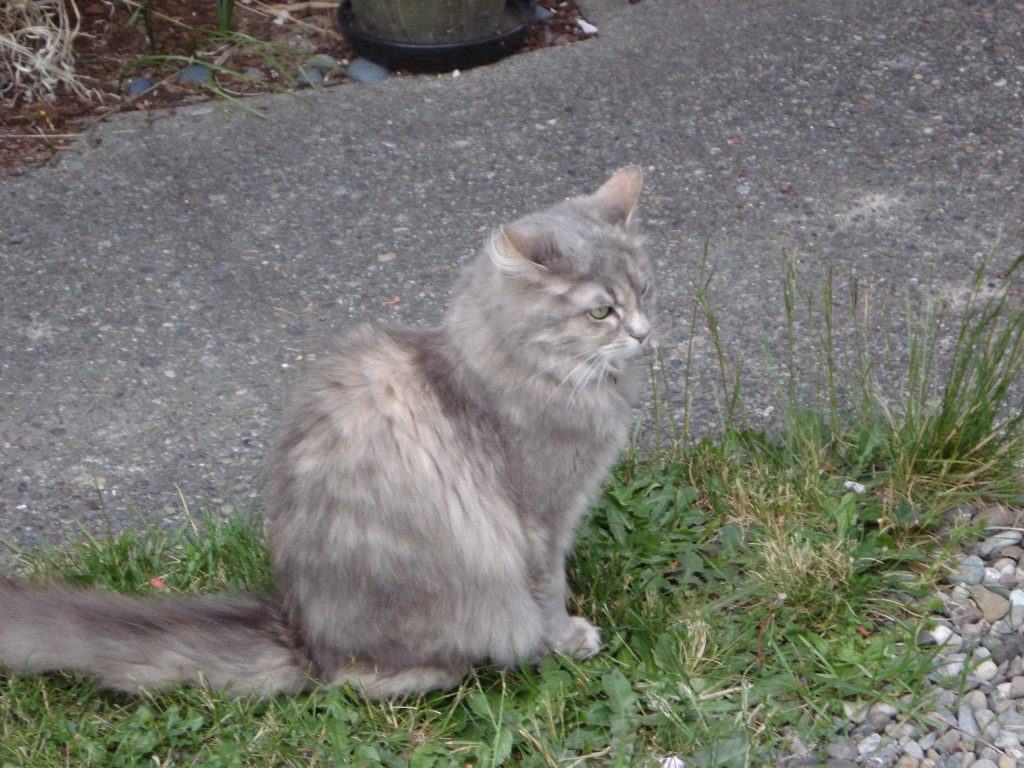
Have you ever looked at your cat and wondered, “What kind of cat do I have?” You’re not alone. Knowing your cat’s breed or type can help you understand their behavior, health needs, and personality better.
Imagine being able to connect with your furry friend on a deeper level just by recognizing what kind of cat they are. You’ll discover simple ways to identify your cat’s breed and unlock secrets that will make your bond even stronger.
Keep reading—you’re about to become your cat’s favorite expert.
Identify Physical Traits
Knowing the kind of cat you have starts with looking at its physical traits. These traits tell you about the breed and mix of your cat.
Look closely at your cat’s coat, body, eyes, and ears. Each part has unique features to help you identify your cat.
Coat Patterns And Colors
Your cat’s coat pattern and color give important clues. Cats can have solid, striped, spotted, or mixed coats.
Common colors include black, white, gray, orange, and brown. Some cats have multiple colors in patterns like calico or tortoiseshell.
- Solid:One color all over the body
- Tabby:Stripes, swirls, or spots in different colors
- Calico:White with orange and black patches
- Tortoiseshell:Mixed black and orange without white
- Pointed:Darker colors on ears, face, paws, and tail
Body Shape And Size
Body shape and size vary among cat breeds. Some cats are slim and long, while others are short and stocky.
Weight and muscle tone also help identify your cat. Larger breeds often have a rounder body and bigger bones.
- Slim:Long legs and narrow body
- Stocky:Broad chest and short legs
- Medium:Balanced size and weight
- Large:Heavier with thick bones
Eye Shape And Color
Look at your cat’s eyes for shape and color. Eye shape can be round, almond, or slightly slanted.
Eye color varies from blue and green to yellow and copper. Some cats have odd-colored eyes, called heterochromia.
- Round:Large and circular eyes
- Almond:Narrower, almond-shaped eyes
- Slanted:Eyes that tilt slightly upward
- Colors:Blue, green, yellow, amber, copper
- Heterochromia:Two different colored eyes
Ear Shape And Position
Check your cat’s ears for shape and position. Some cats have large, pointed ears, while others have small, rounded ones.
The ears can sit high or low on the head. The size and angle of ears help identify breed traits.
- Large and pointed:Ears are tall and sharp
- Small and rounded:Ears have a soft curve
- High set:Ears sit near the top of the head
- Low set:Ears sit closer to the sides of the head

Credit: www.reddit.com
Observe Behavioral Traits
Understanding what kind of cat you have starts by watching how it behaves. Cats show unique habits that help identify their breed or personality.
Look closely at your cat’s actions. These clues tell you about its activity, social habits, sounds, and hunting skills.
Activity Levels
Some cats are calm and like to rest a lot. Others are very playful and always moving around.
High-energy cats need more playtime and exercise. Low-energy cats enjoy quiet and short play sessions.
- Active cats often chase toys or run around
- Calm cats prefer lounging and slow movements
- Watch when your cat is most lively: morning or night
Social Behavior
Some cats love being around people and other pets. They enjoy attention and like to cuddle.
Other cats are shy and prefer to be alone. They may hide or avoid strangers.
- Friendly cats approach visitors easily
- Shy cats hide or stay in quiet places
- Observe how your cat reacts to other animals
Vocalization Patterns
Some cats meow a lot to talk with you. Others are quiet and only make sounds sometimes.
Notice if your cat uses different sounds for different needs. This shows how it communicates.
- Talkative cats meow for food or attention
- Quiet cats use body language more than sounds
- Loud cats may growl or hiss when upset
Hunting Instincts
Cats have natural hunting skills. Some cats love to chase and catch toys or small animals.
Watch if your cat stalks, pounces, or carries prey. These actions show strong hunting instincts.
- Hunting cats play with toys like they are prey
- Less interested cats may ignore moving objects
- Indoor cats still show hunting by chasing laser lights
Use Technology And Tools
Finding out what kind of cat you have can be fun and easy with the right tools. Technology helps you learn about your cat’s breed and traits.
There are many ways to use technology to identify your cat’s breed. Some tools give quick answers while others give detailed information.
Cat Dna Testing Kits
Cat DNA testing kits are popular for breed identification. You collect a small sample from your cat, like a cheek swab, and send it to a lab.
The lab analyzes the DNA and gives a report on your cat’s breed mix. This method is accurate and reveals health traits too.
Mobile Apps For Breed Identification
Mobile apps use photos to help identify your cat’s breed. You take a picture, and the app compares it to a large database of breeds.
- Fast and easy to use
- Provides breed details and pictures
- Some apps offer care tips based on breed
Apps are good for quick guesses but may not be as exact as DNA tests.
Online Breed Databases
Online breed databases offer detailed information about many cat breeds. You can search by traits like size, color, and personality.
| Feature | Description |
| Breed Photos | Clear pictures to compare with your cat |
| Breed Traits | Information on behavior and care needs |
| Health Issues | Common problems linked to each breed |
| Breed History | Origins and background stories |

Credit: www.reddit.com
Consult Experts
Finding out what kind of cat you have can be tricky. Experts can help you understand your cat’s breed and traits.
Talking to the right people gives you clear answers. They use their knowledge to identify your cat’s type.
Veterinarians
Veterinarians know a lot about cats and their health. They can often tell your cat’s breed by looking at its features.
They may also run tests to check for breed-specific traits. This helps confirm what kind of cat you have.
Cat Breeders
Cat breeders specialize in certain cat breeds. They can spot breed traits quickly and explain them to you.
Breeders know about breed history and care needs. They can guide you if you want to learn more about your cat’s breed.
Animal Behaviorists
Animal behaviorists study how cats act and behave. Your cat’s behavior can give clues about its breed.
They observe patterns and help identify breed traits through behavior. This adds another way to understand your cat.
Common Cat Breeds And Their Features
Many people wonder about their cat’s breed and traits. Knowing the breed helps understand behavior and care needs.
Here are some common cat breeds and their special features. This guide can help you identify your cat.
Persian Cats
Persian cats have long, thick fur and a flat face. They are calm and enjoy a quiet home. They need regular grooming to keep their coat healthy.
Siamese Cats
Siamese cats have short fur and striking blue eyes. They are very vocal and love attention. Their coat shows darker colors on their ears, face, paws, and tail.
Maine Coon Cats
Maine Coons are large cats with thick fur and tufted ears. They are friendly and good with children. Their bushy tails and big paws help them in cold weather.
Bengal Cats
Bengal cats have a spotted or marbled coat that looks like a wild leopard. They are active and playful. Bengals need lots of exercise and toys to stay happy.
- Spotted or rosette patterns on fur
- Muscular and agile body
- High energy and curiosity
- Short to medium fur length
Sphynx Cats
Sphynx cats have no fur, making them unique. Their skin feels warm and soft. They like to be warm and enjoy cuddling with people.
| Feature | Persian | Siamese | Maine Coon | Bengal | Sphynx |
| Fur Length | Long | Short | Long | Short-Medium | None |
| Personality | Calm | Vocal | Friendly | Active | Affectionate |
| Care Needs | High grooming | Attention | Exercise | Toys | Warmth |
| Eye Color | Large, round | Blue | Large, expressive | Green or gold | Large, lemon-shaped |

Credit: blog.feliway.com
Mix Breeds And Unique Cats
Many cats are mix breeds, meaning they have traits from different types. These cats can look very unique and special.
Understanding mixed breed cats helps you care for them better. Each cat has its own personality and needs.
Recognizing Mixed Traits
Mixed breed cats show traits from many breeds. Their size, color, and fur type can all vary. They might have short or long hair.
- Different eye colors or shapes
- Varied coat patterns like spots or stripes
- Distinct ear shapes and sizes
- Mix of body shapes, from slim to stocky
- Unique personality traits
Adoption Considerations
Adopting a mixed breed cat can bring joy and surprises. These cats often have fewer health problems than purebreds.
- Check the cat’s health history before adopting.
- Ask about the cat’s behavior and needs.
- Consider your home and lifestyle fit for the cat.
- Prepare for regular vet visits and care.
- Give your new cat time to adjust to your home.
Caring For Mixed Breed Cats
| Care Aspect | Tips |
|---|---|
| Feeding | Provide balanced food suited to age and size. |
| Grooming | Brush regularly, especially if long-haired. |
| Exercise | Play daily to keep your cat active and happy. |
| Health | Schedule vet check-ups and vaccinations. |
| Comfort | Give a quiet space for rest and sleep. |
Frequently Asked Questions
How Do I Identify My Cat’s Breed?
To identify your cat’s breed, observe its physical traits and behavior. Use online breed identification tools or consult a veterinarian. Consider genetic testing for more accuracy. Comparing your cat’s features with breed standards can also help.
What Are Common Cat Breed Traits?
Common cat breed traits include variations in size, coat type, and personality. Some breeds are known for their vocal nature, while others are more reserved. Understanding these traits can help identify your cat’s breed.
Can A Mixed-breed Cat Have Purebred Traits?
Yes, mixed-breed cats can inherit purebred traits from their parents. These traits may include coat patterns, colors, or specific behaviors. Mixed-breed cats often display a unique combination of characteristics from various breeds.
How Can I Determine My Cat’s Age?
To estimate your cat’s age, examine its teeth, eyes, and coat condition. Young cats have sharper teeth, while older cats may have worn-down teeth. Eye cloudiness and coat texture changes can also indicate age.
Conclusion
Knowing your cat’s type helps you care for them better. Each breed has its own traits and needs. Observe your cat’s size, color, and behavior. These clues guide you to identify their kind. Understanding your cat builds a stronger bond.
Enjoy learning about your furry friend every day. Keep exploring and appreciating your cat’s unique qualities. Your pet will thank you with love and trust.