Have you ever wondered what your cat’s strange habits really mean? When your furry friend purrs, scratches, or suddenly zooms around the room, it’s not just random behavior—it’s their way of communicating with you.
Understanding these signals can deepen the bond between you and your cat, making life together happier and less confusing. Keep reading, and you’ll discover the secrets behind your cat’s actions and how to respond in ways that make both of you feel understood and loved.
Common Cat Behaviors
Cats use their body and sounds to share their feelings. Understanding their behavior helps us care for them better.
Look at their tail, ears, voice, and body to see what they mean. Each part tells a different story.
Tail Movements
A cat’s tail shows its mood clearly. A straight-up tail means the cat is happy and friendly.
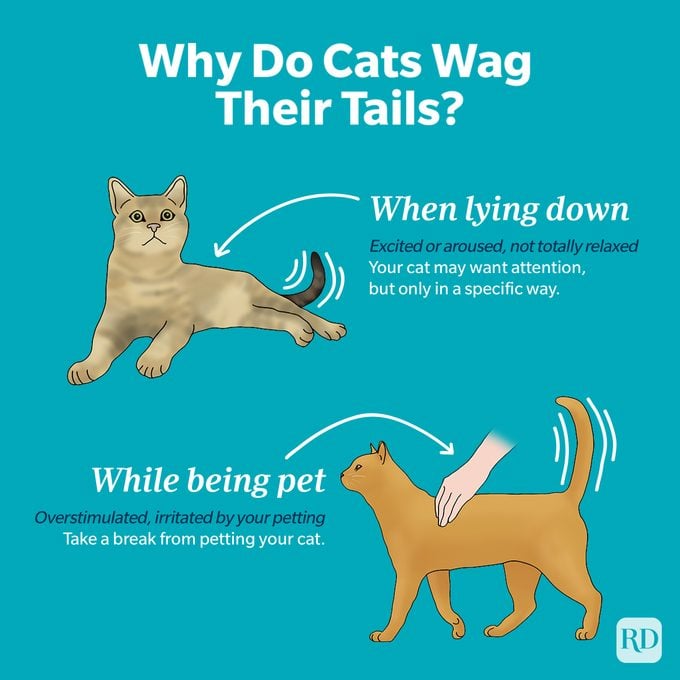
A low or tucked tail can mean fear or stress. Quick flicks of the tail show irritation or excitement.
- Tail up: Friendly and confident
- Tail down: Scared or shy
- Tail flicking: Annoyed or curious
- Tail puffed: Frightened or defensive
Ear Positions
Cat ears move a lot to show feelings. When ears point forward, the cat is alert and interested.
Flattened ears mean the cat feels scared or angry. Ears that turn to the side show the cat is unsure.
- Ears forward: Curious and happy
- Ears flat back: Angry or afraid
- Ears sideways: Unsure or cautious
- Ears twitching: Listening closely
Vocal Sounds
Cats use different sounds to communicate. Meowing often means they want attention or food.
Purring usually shows contentment but can also mean the cat is nervous. Hissing or growling signals fear or anger.
- Meow: Asking for attention
- Purr: Happy or sometimes nervous
- Hiss: Feeling threatened
- Growl: Warning or anger
Body Postures
A cat’s body posture tells a lot. A relaxed cat lies down with its paws tucked or stretched out.
When a cat arches its back and raises fur, it is scared or trying to look bigger. A crouched cat may feel threatened.
- Relaxed body: Calm and comfortable
- Arched back: Scared or defensive
- Crouched low: Nervous or hiding
- Rolling over: Trust and playfulness
Signs Of Affection
Cats show affection in many ways. Their behaviors help you understand their feelings.
Learning these signs can improve your bond with your cat. Watch for their unique ways to show love.
Purring And Kneading
Purring is a soft sound cats make when happy. It shows they feel safe and calm.
Kneading is when cats push their paws in and out on soft surfaces. It comes from kittenhood.
- Purring often means contentment or comfort.
- Kneading is a way cats show trust and love.
- Both actions mean your cat feels close to you.
Head Butting
Head butting is when a cat gently bumps its head against you. It is a friendly greeting.
This behavior shows your cat trusts you. It also marks you with their scent.
- It means your cat feels safe around you.
- It is a way to say “I like you.”
- It helps build a strong bond.
Slow Blinking
Slow blinking is when a cat closes its eyes slowly and opens them again. It shows relaxation.
Cats use slow blinking to show they trust you. You can try slow blinking back to them.
- Slow blinking means your cat feels safe.
- It is a silent way to show love.
- Responding with a slow blink can deepen trust.
Stress And Anxiety Signals
Cats show stress and anxiety in many ways. These signs help us understand their feelings.
Watching your cat closely can reveal if they feel scared or upset. These signals need attention.
Hiding And Avoidance
Cats often hide when they feel stressed. They choose quiet, small spaces to avoid people or other pets.
- Hiding under furniture or in closets
- Avoiding interaction with family members
- Staying in one spot for long periods
- Running away when approached
Aggressive Actions
Stress can make cats act aggressively. They may hiss, swipe, or bite to protect themselves.
| Behavior | What it Means |
| Hissing | Fear or warning to stay away |
| Swiping with claws | Self-defense or irritation |
| Biting | Strong fear or stress |
| Growling | Discomfort or threat |
Excessive Grooming
Cats may groom too much when anxious. This can cause skin problems or bald spots.
Signs of excessive grooming include:
- Constant licking of fur
- Chewing skin or fur
- Red or irritated patches
- Hair loss in spots
Credit: www.rd.com
Play And Hunting Instincts
Cats have strong hunting instincts that show in their play. Their games often look like real hunting. This helps them stay active and sharp.
Understanding these behaviors helps owners provide better toys and activities. It also supports the cat’s natural needs.
Chasing And Pouncing
Cats love to chase moving objects. They often pounce on toys or shadows. This mimics hunting small prey like mice or birds.
- Quick movements trigger their chase reflex
- Pouncing helps practice their balance and strength
- Chasing toys reduces stress and boredom
Stalking Behavior
Stalking is slow and quiet. Cats lower their bodies and move carefully. This shows their patient hunting style.
| Behavior | Purpose |
| Lowered body | Stay hidden from prey |
| Slow steps | Avoid noise and attention |
| Focused eyes | Track target movement |
| Tail twitching | Signal excitement or focus |
Interactive Play Tips
Playing with your cat helps build trust and exercise. Use toys that mimic prey to keep them interested.
- Use wand toys that move like insects
- Rotate toys to keep play fresh
- Let your cat catch the toy sometimes
- Keep play sessions short but frequent
- Avoid using hands as toys to prevent biting
Communication Through Scent
Cats use their sense of smell to share messages with other cats. Their scent tells others about their presence and feelings.
This communication helps cats feel safe and mark their space without fighting.
Marking Territory
Cats mark their territory by leaving scents on objects. They use special glands on their paws, face, and tail to do this.
- Scratching surfaces spreads scent from paw glands.
- Rubbing their face on objects leaves scent marks.
- Spraying urine also marks territory strongly.
These marks warn other cats to stay away. They also help cats feel secure in their home area.
Scent Rubbing
Scent rubbing is when cats rub their face or body against people or things. This action spreads their unique scent.
| Body Part | Purpose of Scent Rubbing |
| Cheeks | Mark objects as safe and familiar |
| Chin | Spread scent on favorite spots |
| Flanks | Share scent with other cats or pets |
| Tail base | Mark territory boundaries |
Scent rubbing builds bonds between cats and humans. It also reduces stress by making cats feel at home.
Changes In Behavior To Watch
Cats communicate a lot through their behavior. Changes can show how they feel or if they are sick.
Knowing what to watch helps you keep your cat healthy and happy. Notice small changes early.
Signs Of Illness
Cats may hide pain or sickness. Watch for changes in eating, drinking, or bathroom habits.
Other signs include coughing, sneezing, or unusual lumps. These need quick attention.
- Loss of appetite or drinking less
- Frequent vomiting or diarrhea
- Changes in urination or litter box use
- Hiding more than usual
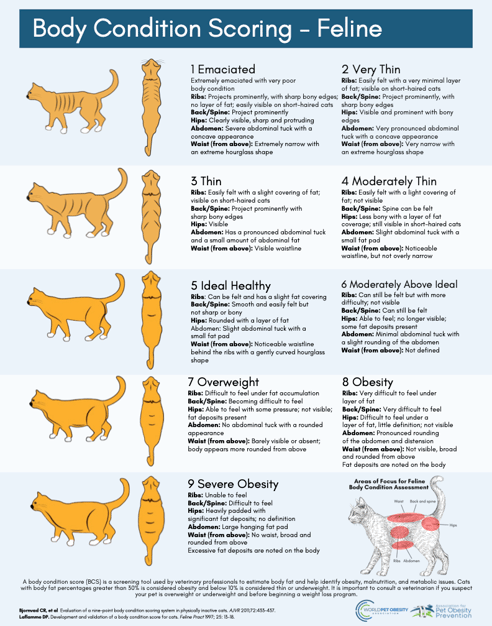
- Sudden weight loss or gain
- Difficulty breathing or coughing
Behavioral Shifts
Behavioral changes can show stress or anxiety in cats. They might act shy or aggressive.
Look for changes in activity levels or how your cat interacts with family members.
- Increased hiding or avoiding people
- More vocal or unusually quiet
- Sudden aggression or irritability
- Less play or movement
- Changes in grooming habits
- Clinginess or seeking more attention
Building A Stronger Bond
Understanding what your cat’s behavior means helps you connect better. Cats use body language to show how they feel.
By learning their signals, you can make your cat feel safe and loved. This creates a stronger bond between you and your pet.
Reading Your Cat’s Cues
Cats communicate through their eyes, tail, and body posture. Watching these signs helps you know what your cat wants.
For example, a slow blink shows trust, while a twitching tail may mean excitement or irritation.
- Relaxed ears show comfort
- Hissing means fear or anger
- Purring often shows contentment
- Head bumping is a friendly gesture
Enhancing Interaction
Spend time playing and talking gently with your cat. This helps your cat feel happy and secure.
Offer toys and activities that match your cat’s energy. Respect their space when they need a break.
- Use interactive toys to engage your cat
- Speak softly to build trust
- Let your cat approach you first
- Give treats as positive rewards
Credit: www.rd.com
Credit: www.preventivevet.com
Frequently Asked Questions
What Does Purring Indicate In Cat Behavior?
Purring usually shows a cat’s contentment and relaxation. Sometimes, it may also signal pain or stress. Understanding context helps interpret purring accurately.
Why Do Cats Knead With Their Paws?
Cats knead to show comfort and affection. This behavior originates from kittenhood when they knead their mother’s belly to stimulate milk flow.
How Can I Tell If My Cat Is Stressed?
Signs of stress include hiding, excessive grooming, and loss of appetite. Changes in behavior or litter box habits also indicate stress in cats.
What Does A Cat’s Tail Position Mean?
A raised tail often signals friendliness or curiosity. A tucked tail shows fear or submission. Tail flicks can indicate irritation or excitement.
Conclusion
Understanding cat behavior deepens our bond with these fascinating creatures. Cats communicate through actions, not words. Observing their habits reveals much about their needs. Every purr, scratch, and leap tells a story. It’s important to be patient and attentive. Small gestures can mean big things.
Remember, each cat is unique. Their behaviors might vary. Knowing their signals helps in providing better care. Enjoy learning their ways. It enhances the companionship. Appreciate the mystery and charm they bring. Our feline friends truly enrich our lives. Always be curious and compassionate.
Your cat will surely appreciate it.