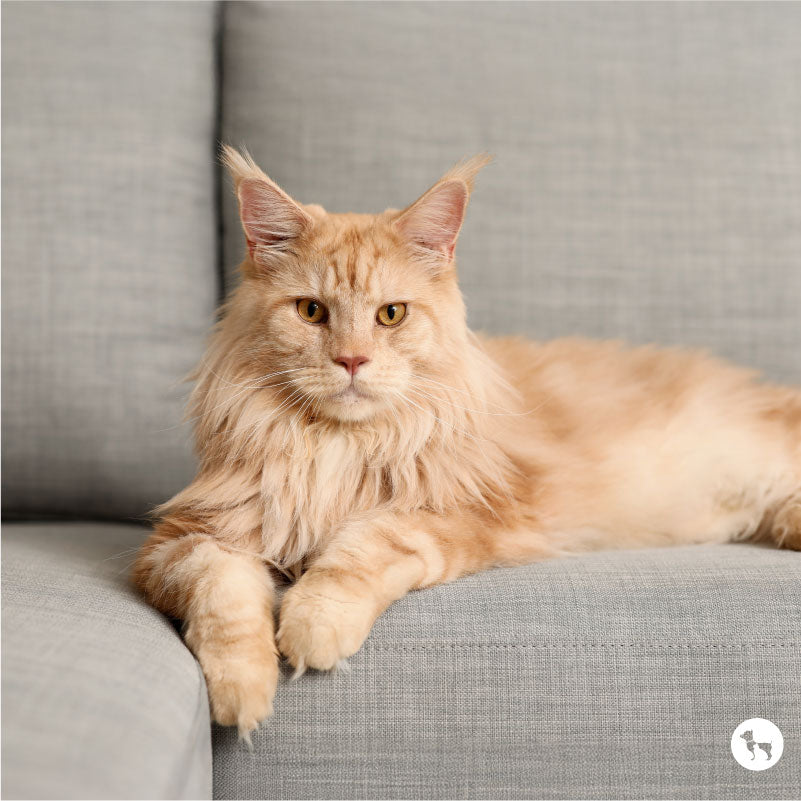
Have you ever wondered what to call a big house cat? Maybe you’ve seen a cat that’s larger than usual and felt curious about its name.
Understanding the right term can help you connect better with your furry friend or impress others with your cat knowledge. You’ll discover what a big house cat is called and why that name matters. Keep reading, and you’ll unlock some surprising facts about these gentle giants that live right in your home.

Credit: worldanimalfoundation.org
Common Names For Large House Cats
Many people wonder what big house cats are called. These cats are larger than usual pets. They come in different breeds and sizes.
Large house cats have special names. These names often come from their breed or size. Let’s explore popular giant cat breeds and their traits.
Popular Giant Cat Breeds
Some cat breeds are known for their big size. These cats look impressive and can weigh much more than normal cats.
- Maine Coon – One of the largest domestic cats with long fur.
- Siberian – A strong and fluffy cat from Russia.
- Norwegian Forest Cat – Big and furry with a thick coat.
- Ragdoll – Known for its size and gentle nature.
- Bengal – Large and muscular with wild-looking spots.
Physical Traits Of Big House Cats
Big house cats share some common physical features. These traits help identify large breeds at a glance.
| Trait | Description |
| Size | Usually 15 to 25 pounds or more |
| Fur | Thick and long to protect from cold |
| Body | Strong and muscular build |
| Face | Wide head and large ears |
| Tail | Long and bushy |
Behavioral Traits Of Large Cats
Large house cats behave differently from smaller cats. Their actions show their size and breed traits.
- Friendly and social with family members
- Playful but less active than small cats
- Often calm and relaxed at home
- Enjoy climbing and exploring high places
- Require more food due to their size
Famous Giant Cat Breeds
Big house cats come in many breeds. Some are famous for their large size and friendly nature.
These giant cats make great pets and are known for their unique looks and personalities.
Maine Coon
The Maine Coon is one of the largest domestic cat breeds. It has a long, thick coat and tufted ears. This breed is gentle and loves to play.
Savannah Cat
Savannah cats are tall and lean. They have large ears and spotted coats. These cats are very active and enjoy climbing.
- Originates from a cross between a domestic cat and a wild serval
- Known for its striking spotted coat
- Very energetic and intelligent
- Can weigh up to 25 pounds
Norwegian Forest Cat
This breed has a thick double coat to survive cold climates. They have a strong body and bushy tail. Norwegian Forest Cats are friendly and curious.
| Trait | Description |
| Coat | Thick, water-resistant double coat |
| Size | Large and muscular |
| Personality | Gentle and playful |
| Origin | Norway |
Ragdoll
Ragdolls are big, with blue eyes and soft coats. They get their name because they go limp when held. They are very calm and loving cats.
- Large size, often over 15 pounds
- Soft, silky fur
- Calm and friendly nature
- Blue almond-shaped eyes
How Size Influences Cat Care
Big house cats need different care than smaller ones. Their size changes what they eat and how they move.
Large cats may face more health risks. Knowing these helps keep them happy and healthy.
Diet And Nutrition Needs
Big cats need more calories to keep their energy up. Their meals should be rich in protein and fats to support their muscles.
- Feed high-quality cat food with real meat
- Offer larger portions but avoid overfeeding
- Include supplements if recommended by a vet
- Ensure fresh water is always available
Exercise Requirements
Large cats need daily exercise to stay fit and avoid weight gain. Playtime helps keep their muscles strong.
- Set aside time for active play each day
- Use toys that encourage jumping and running
- Provide climbing areas to stimulate movement
- Monitor activity to prevent overexertion
Health Concerns For Large Cats
Large cats can face joint stress and heart issues. Watching for signs early can prevent serious problems.
| Health Issue | Common Signs | Care Tip |
| Joint Problems | Stiffness, limping | Regular vet check-ups, joint supplements |
| Heart Disease | Breathing trouble, tiredness | Balanced diet, avoid obesity |
| Obesity | Weight gain, less activity | Proper diet, daily exercise |

Credit: headsupfortails.com
Choosing The Right Name For A Giant Cat
Big house cats need names that fit their size and personality. Choosing the right name shows how special your giant cat is.
A good name can highlight your cat’s strength, beauty, or unique traits. Think about what suits your big cat best.
Names Inspired By Size And Strength
Big cats often look strong and powerful. Names that show their size or power can be a perfect match.
These names help others see your cat’s impressive presence at a glance.
- Tank
- Goliath
- Hercules
- Atlas
- Bear
- Maximus
Mythical And Regal Names
Mythical and regal names give your cat a grand and noble feel. These names often come from legends and kings.
They suit cats that look majestic or have a calm, wise nature.
- Zeus
- Cleopatra
- Odin
- Isis
- Caesar
- Thor
Unique Names For Big Cats
Unique names help your big cat stand out. These names may come from unusual words or ideas.
They fit cats with one-of-a-kind personalities or looks.
- Nimbus
- Pixel
- Echo
- Jinx
- Nova
- Quasar
Big Cat Myths And Fun Facts
Many people wonder what a big house cat is called. Some think of giant cat breeds or myths about huge cats living indoors.
This article explores stories and facts about big house cats and how they compare to small cats.
Historical References To Large House Cats
Historically, some large house cats were thought to be wild or mythical creatures. Ancient stories describe cats as big as dogs or even lions.
- In Egypt, cats were worshipped and sometimes shown larger than life in art.
- Medieval Europe had tales of giant cats guarding homes and farms.
- Some old books mention “great cats” that lived indoors with families.
Record-holding Giant Cats
Real giant house cats exist, often from specific breeds. These cats can grow much larger than typical cats.
| Cat Breed | Average Weight | Length |
| Maine Coon | 13-18 lbs | 40 inches |
| Savannah Cat | 12-25 lbs | 30-40 inches |
| Norwegian Forest Cat | 12-16 lbs | 32 inches |
Big Cat Behavior Compared To Small Cats
Big house cats often act like smaller cats but may show more playful or confident behavior. They also need more space and exercise.
- Larger cats often enjoy climbing higher and jumping farther.
- They may be more vocal and social with their owners.
- Big cats sometimes need special diets to stay healthy.

Credit: worldanimalfoundation.org
Frequently Asked Questions
What Is A Big House Cat Called?
A big house cat is often called a “domestic large breed cat. ” Examples include Maine Coons and Savannah cats, known for their bigger size and gentle nature.
Are Big House Cats Different From Wild Big Cats?
Yes, big house cats are domesticated breeds, while wild big cats like lions and tigers live in the wild and are not pets.
How Big Can A Big House Cat Get?
Big house cats like Maine Coons can weigh 15-25 pounds and grow up to 40 inches long, including the tail.
Are Big House Cats Good Pets?
Yes, many big house cats are friendly, sociable, and adapt well to family life, making them great pets.
Conclusion
Big house cats captivate with their size and grace. These furry giants, like Maine Coons and Ragdolls, charm many cat lovers. Their playful and gentle nature makes them ideal companions. Each breed has unique traits and personalities. Understanding your big cat’s needs ensures a happy, healthy life together.
Research thoroughly before choosing a breed. This ensures a good match for your lifestyle. Big house cats offer love and joy in abundance. Discover the perfect feline friend for your home. Enjoy the delightful company these majestic creatures bring to your life.