
Do you want to understand your cat better and help other cat owners do the same? Becoming a cat behavior expert can open doors to a rewarding and fascinating world.
Imagine knowing exactly why a cat acts a certain way and how to solve common problems. This guide will show you simple steps to gain that knowledge and turn your passion into expertise. Keep reading to discover how you can become the go-to person for all things cat behavior.
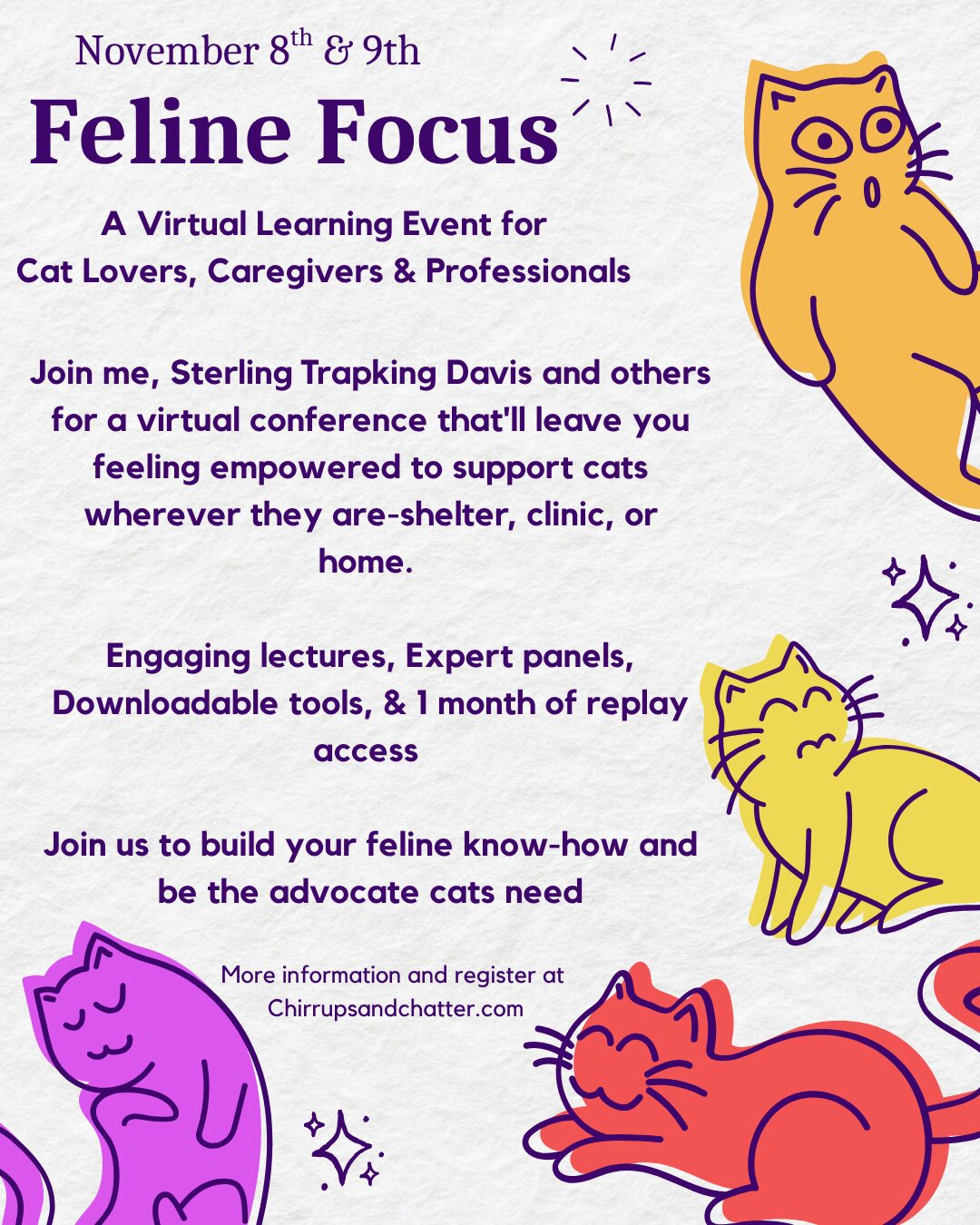
Credit: chirrupsandchatter.com
Skills For Cat Behavior Experts
Becoming a cat behavior expert requires a deep understanding of cats. You must learn how cats express themselves and what drives their actions.
This guide covers key skills that help experts read and interpret cat behavior clearly and effectively.
Reading Cat Body Language
Cat body language shows what a cat feels or thinks. Experts watch their ears, tail, and eyes closely to understand moods.
- Tail position shows mood: raised means happy, puffed means scared.
- Ears pointing forward show interest, flattened ears show fear or anger.
- Slow blinking signals trust and relaxation.
- Body posture reveals confidence or fear.
Understanding Feline Psychology
Experts learn how cats think and feel to explain their behavior. This helps to solve problems and improve cat care.
| Psychological Trait | Description |
| Territoriality | Cats mark and defend their space. |
| Social Behavior | Some cats prefer solitude, others enjoy company. |
| Stress Response | Cats may hide or act out when stressed. |
| Hunting Instinct | Chasing and pouncing are natural behaviors. |
Observing Behavioral Patterns
Watching cats over time helps experts spot behavior trends. This reveals causes and helps find solutions.
- Changes in eating or sleeping habits
- Frequency of vocalizations
- Interaction with people or other animals
- Repetitive actions like grooming or scratching

Credit: www.outdoorbengal.com
Education And Training Paths
Becoming a cat behavior expert needs specific education and training. Learning the right skills helps you understand cats better.
There are many ways to build your knowledge. You can take courses, join workshops, and learn from experienced professionals.
Relevant Courses And Certifications
Formal courses teach you about cat behavior science and training methods. Certifications show your skills to others.
- Animal behavior degree programs
- Certified cat behaviorist courses
- Online classes on feline psychology
- Pet training certification programs
Workshops And Seminars
Workshops offer hands-on learning and real-life examples. Seminars provide the latest research and techniques.
| Workshop Topic | Duration | Focus Area |
| Cat Communication | 2 Days | Body Language |
| Behavior Modification | 3 Days | Training Techniques |
| Stress and Anxiety | 1 Day | Emotional Health |
Learning From Experienced Experts
Finding a mentor helps you gain practical knowledge. Experienced experts share tips and real cases you won’t find in books.
- Join cat behaviorist groups or forums
- Attend local meetups with professionals
- Volunteer at animal shelters or clinics
- Observe consultations and training sessions
Practical Experience Tips
Gaining real-world experience is key to understanding cat behavior. Practical tips can help you learn faster and better.
Try different methods to see what works best. Learning by doing is the best approach for this skill.
Volunteering At Animal Shelters
Volunteering lets you observe many cats daily. You will see how they act in different situations.
- Help with feeding and cleaning
- Watch how cats respond to new people
- Note signs of stress or comfort in cats
- Talk with shelter staff about cat habits
Handling Different Cat Personalities
Every cat has a unique personality. Learning to handle each type is important for a behavior expert.
| Personality Type | How to Approach |
| Shy | Move slowly and use soft voice |
| Playful | Use toys and engage actively |
| Aggressive | Give space and watch body language |
| Friendly | Offer gentle petting and praise |
Documenting Behavior Cases
Writing down what you observe helps track changes and patterns. Clear notes improve your understanding.
- Record date and time of each observation
- Describe the cat’s actions in detail
- Note triggers that cause changes in behavior
- Include any responses to your actions

Credit: www.amazon.com
Tools And Resources
Becoming a cat behavior expert requires access to good tools and resources. These help you learn about cat habits and how to understand them better.
This section shares useful books, online communities, and tools for assessing cat behavior. These resources support your learning journey.
Books And Research Papers
Books and research papers offer detailed knowledge about cat behavior. They explain why cats act certain ways and how to help them.
Reading studies helps you stay updated on new findings in feline behavior science.
- “The Cat Behavior Answer Book” by Arden Moore
- “Cat Sense” by John Bradshaw
- Journal of Feline Medicine and Surgery
- Applied Animal Behaviour Science journal
- Scientific papers on feline communication and stress
Online Communities And Forums
Online communities connect you with other cat behavior enthusiasts. You can ask questions and share experiences.
Forums often have experts who give advice and tips about cat training and health.
- Cat Behavior Community on Reddit
- TheCatSite Forums
- Facebook groups focused on cat behavior
- International Cat Care online community
- Catster forums for pet owners
Behavioral Assessment Tools
Behavioral assessment tools help you observe and record cat actions. They show patterns and triggers for certain behaviors.
These tools improve your ability to analyze and solve behavior problems effectively.
- Cat behavior checklists
- Video recording apps for behavior tracking
- Stress and anxiety rating scales for cats
- Interactive behavior journals
- Mobile apps for pet health and activity monitoring
Common Cat Behavior Challenges
Understanding cat behavior helps improve your relationship with your pet. Cats show many behaviors that can be confusing or difficult to handle.
Some common problems include aggression, litter box issues, and loud meowing. Learning about these can guide you to better care and training.
Aggression And Fear Issues
Cats may act aggressively out of fear or stress. They might hiss, scratch, or bite. This behavior often signals that they feel unsafe or threatened.
- Identify triggers like loud noises or unfamiliar people.
- Give your cat a safe place to retreat.
- Use calm voices and slow movements.
- Avoid punishing aggressive behavior.
- Consult a vet if aggression is severe or sudden.
Litter Box Problems
Many cats stop using the litter box due to health or stress issues. Dirty boxes or wrong types of litter can also cause problems.
| Common Cause | Solution |
| Dirty litter box | Clean daily and use mild soap |
| Litter type dislike | Try unscented, clumping litter |
| Stress or anxiety | Provide quiet, safe space |
| Medical issues | Visit a veterinarian for checkup |
Excessive Meowing And Vocalization
Cats may meow loudly to get attention or express discomfort. This can be tiring for owners if it happens often.
Common reasons for loud meowing include:
- Hunger or thirst
- Boredom or loneliness
- Medical pain or illness
- Seeking attention or playtime
To reduce noise, check your cat’s needs and spend time playing.
Career Opportunities
Becoming a cat behavior expert opens many job options. You can help cats and their owners live better lives.
This career lets you work in different ways. You can give advice, partner with vets, or create helpful content.
Consulting For Cat Owners
As a cat behavior expert, you can guide cat owners. Help them solve problems like scratching or litter box issues.
You may offer sessions in person or online. Your advice improves the bond between cats and their families.
- Behavior assessments
- Personalized training plans
- Follow-up support
Working With Veterinarians
Cat behavior experts often team up with vets. You help identify if behavior problems relate to health issues.
Vets may refer clients to you for behavior advice. Your knowledge supports medical treatments and recovery.
- Joint client consultations
- Behavioral health plans
- Workshops for vet staff
Writing And Content Creation
Many cat behavior experts write articles or books. You can create blog posts, guides, or social media content.
Your writing helps spread good cat care ideas. It also builds your reputation in the cat community.
- Educational blog posts
- Instructional videos
- Books and eBooks
Accelerating Your Learning
Becoming a cat behavior expert takes time and effort. You must learn fast and use smart methods. This guide helps you speed up your learning process.
Focus on study habits, meeting other experts, and following new research. Each part helps you build strong knowledge and skills.
Effective Study Techniques
Good study habits make learning easier. Try to study in short sessions and review often. Use notes and drawings to remember better.
- Set clear goals for each study session
- Use flashcards for important terms
- Watch videos about cat behavior
- Practice by observing cats regularly
- Teach others what you learn
Networking With Professionals
Talking to other cat behavior experts helps you learn from their experience. Join groups and attend events to meet them.
| Networking Activity | Benefit |
|---|---|
| Join online forums | Ask questions and share knowledge |
| Attend workshops | Learn hands-on skills |
| Follow experts on social media | Stay inspired and informed |
| Volunteer at shelters | Gain real-world experience |
Staying Updated With Latest Research
New studies help you understand cats better. Read journals and articles regularly. This keeps your knowledge fresh and useful.
- Subscribe to cat behavior newsletters
- Follow academic websites
- Attend webinars and online conferences
- Join professional organizations
Frequently Asked Questions
What Skills Are Essential To Become A Cat Behavior Expert?
Key skills include patience, observation, and understanding feline body language. Strong communication and problem-solving abilities also help in interpreting cat behavior accurately.
How Long Does It Take To Become A Cat Behavior Expert?
Becoming an expert usually requires several years of study and hands-on experience. Continuous learning and practical work with cats improve expertise over time.
What Qualifications Help In Cat Behavior Expertise?
Degrees in animal behavior, veterinary science, or psychology are beneficial. Certifications from recognized cat behavior organizations also enhance credibility and knowledge.
Can Experience With Cats Replace Formal Education?
Experience is valuable but formal education provides foundational knowledge. Combining both ensures a deeper understanding and better problem-solving skills.
Conclusion
Becoming a cat behavior expert takes patience and practice. Start by observing your cat’s habits closely. Read books and articles about feline behavior. Join online forums to learn from others. Engage with professional cat trainers for advice. Always be patient and consistent with your approach.
Use gentle techniques to earn your cat’s trust. Remember, each cat is unique. Respect their individual personalities and needs. Over time, your understanding will grow. This journey enriches your bond with your furry friend. Enjoy the process and celebrate small successes.
Your dedication will make all the difference.