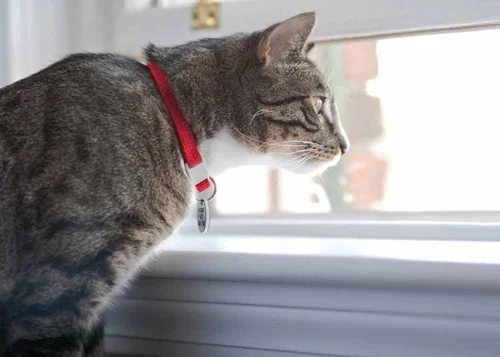
Are you wondering if your indoor cat really needs a collar? You might think collars are only for outdoor cats, but there’s more to it than just style or identification.
Choosing the right collar can keep your furry friend safe and even help you find them if they ever slip outside. You’ll discover the key reasons why collars matter for indoor cats and what to look for when picking one.
Keep reading to make sure your cat stays safe and comfortable every day.

Credit: www.familyhandyman.com
Benefits Of Collars For Indoor Cats
Indoor cats often seem safe inside homes. Still, collars provide extra protection. They help keep cats safe and easy to identify.
Many people think collars are only for outdoor cats. But indoor cats also gain benefits from wearing collars every day.
Identification And Contact Information
Collars can hold ID tags with the cat’s name and owner’s contact details. This helps if the cat escapes or gets lost.
- Owner’s phone number
- Cat’s name
- Address or city
- Any medical needs
Preventing Accidental Escape
Indoor cats may slip outside through open doors or windows. A collar with a quick-release buckle helps keep them safe. It can also alert people nearby to return the cat.
| Type of Collar | Benefit |
| Breakaway Collar | Releases if caught on objects |
| Regular Collar | Shows ID and alerts people |
| Soft Collar | Comfortable for long wear |
Reflective Collars For Visibility
Reflective collars make indoor cats more visible in low light. This helps prevent accidents if the cat escapes at night.
- Reflective strips glow under lights
- Easy to spot cats in dim areas
- Increases safety near roads and driveways
- Good for cats that may wander outdoors

Credit: www.reddit.com
Potential Risks Of Cat Collars
Cat collars may seem harmless, but they can pose risks for indoor cats. Owners should understand these dangers before using collars.
Knowing about collar safety helps protect your cat from injury or discomfort. Let’s look at the main risks.
Choking Hazards And Collar Safety
Collars can cause choking if they get caught on objects. Cats may panic and hurt themselves trying to free their neck.
- Loose collars risk getting snagged on furniture or toys.
- Hard or stiff collar materials can hurt the cat’s throat.
- Small bells or charms may become choking hazards if swallowed.
- Check collars often for wear and tear to avoid breaks.
Skin Irritation And Allergies
Some cats develop skin irritation from collar materials or dyes. Allergies can cause redness, itching, and hair loss.
| Material | Possible Reaction | Notes |
| Nylon | Skin irritation | Common but can cause itching |
| Leather | Allergic reaction | Rare but possible |
| Metal parts | Contact dermatitis | Check for rust or sharp edges |
| Plastic | Rashes | Low risk but monitor closely |
Collar Breakaway Features
Breakaway collars are designed to open if the cat pulls hard. This feature reduces the risk of strangulation or injury.
Benefits of breakaway collars:
- Release under pressure to prevent choking.
- Allow cats to escape if stuck on objects.
- Help avoid serious accidents or injuries.
Choose breakaway collars with secure but easy-release clasps.
Choosing The Right Collar
Choosing a collar for your indoor cat needs care. The right collar keeps your cat safe and comfortable.
Consider materials, fit, and added tags. These factors make a big difference for your cat’s well-being.
Materials And Comfort
Soft, lightweight materials help keep your cat happy. Avoid stiff or heavy collars that may irritate the skin.
- Nylon is light and easy to clean.
- Leather is durable but may be stiff at first.
- Elastic collars offer stretch for comfort.
- Breakaway collars release if caught on something.
Proper Fit And Sizing
A collar must fit snugly but not tight. It should allow two fingers to fit between the collar and neck.
| Size | Neck Measurement | Fit Tip |
| Small | 7-9 inches | Fits most kittens and small cats |
| Medium | 9-12 inches | Common size for adult indoor cats |
| Large | 12-15 inches | For larger or long-haired cats |
Personalized Tags And Accessories
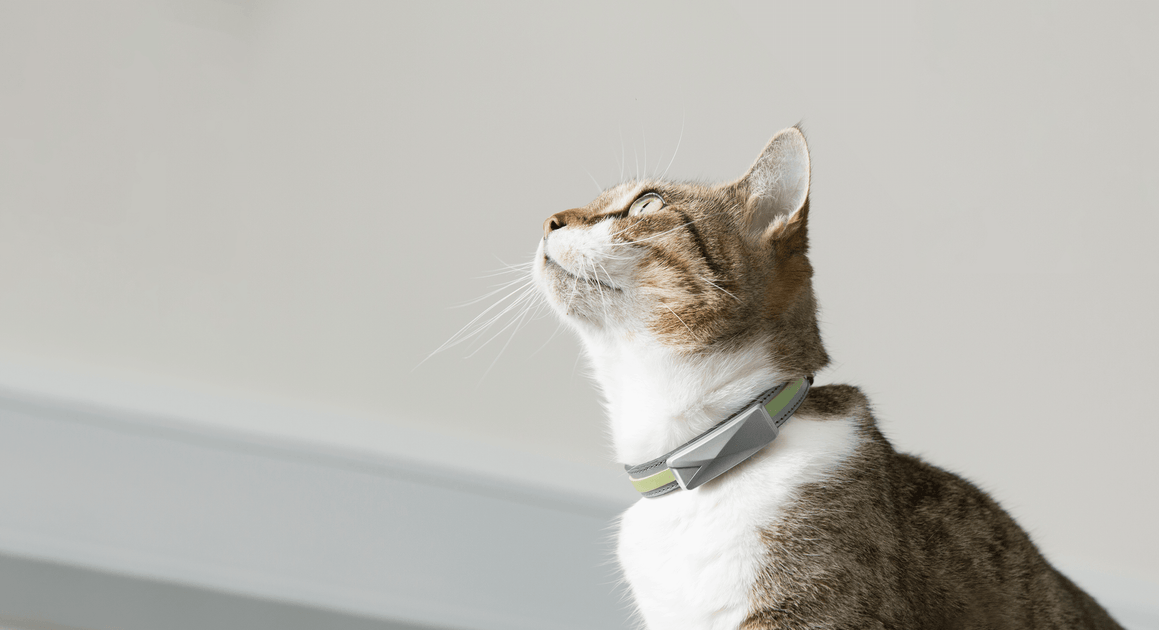
Tags help identify your cat if lost. Add your phone number and name for quick contact.
Common tag types include:
- Engraved metal tags
- Plastic or silicone tags
- QR code tags linked to online profiles
Collar accessories can add charm but keep them light and safe.
Credit: felcana.com
Alternative Safety Measures
Indoor cats may not always need collars to stay safe. There are other ways to protect them inside your home.
These methods can help keep your cat safe without the risks that collars sometimes bring.
Microchipping Benefits
Microchipping is a small, painless way to keep your cat safe. It helps identify your cat if it ever gets lost. Unlike collars, microchips cannot fall off or get caught on things.
When a cat with a microchip is found, a vet or shelter can scan the chip. This scan shows the owner’s contact information quickly.
Secure Indoor Environment
Creating a safe indoor space helps prevent accidents. Keep windows and doors secure to stop your cat from escaping. Remove harmful plants and small objects they might swallow.
- Use window screens that are strong and secure
- Keep toxic plants out of reach
- Remove small items that can be swallowed
- Cover cords and wires to avoid chewing
Supervised Outdoor Access
Some cats enjoy outdoor time safely with supervision. Use a harness and leash or a cat enclosure. Supervised time outside helps your cat stay active and curious without risks.
| Method | Description |
| Harness and Leash | Allows controlled walks outside with you. |
| Cat Enclosure | Enclosed outdoor space to explore safely. |
| Supervised Playtime | Outdoor time while you watch closely. |
Maintaining Collar Safety
Indoor cats can wear collars for identification and style. Keeping their collars safe is very important.
Proper care helps avoid accidents and keeps cats comfortable.
Regular Collar Inspections
Check your cat’s collar often for signs of wear or damage. Look for frayed edges or broken parts.
Make sure the collar fits well. It should be snug but not too tight. You should fit two fingers under it.
- Inspect collar weekly
- Look for loose or broken buckles
- Check for tightness and adjust if needed
- Remove collar if damaged
Cleaning And Replacement Tips
Keep the collar clean to avoid skin problems. Use mild soap and water for cleaning.
Replace collars regularly. Old collars can weaken and break, risking your cat’s safety.
- Clean collar every two weeks
- Use gentle soap and water
- Dry collar fully before putting it back
- Replace collar every 6 to 12 months
Monitoring Cat Behavior With Collars
Watch your cat for signs of discomfort with the collar. Scratching or biting at the collar may mean it bothers them.
Remove the collar if your cat seems stressed or if it causes skin irritation.
- Observe your cat daily
- Look for scratching or rubbing
- Check skin under the collar for redness
- Take off collar if problems appear
Frequently Asked Questions
Do Indoor Cats Need Collars For Identification?
Yes, indoor cats benefit from collars with ID tags. They help identify your cat if it escapes or gets lost.
Are Collars Safe For Indoor Cats?
Collars can be safe if they are breakaway or elastic. These collars prevent choking or injury if caught on objects.
What Type Of Collar Suits Indoor Cats Best?
A lightweight, breakaway collar with an ID tag suits indoor cats. It ensures comfort and safety while providing identification.
Can Collars Help With Indoor Cat Behavior?
Yes, collars can hold bells to reduce hunting instincts indoors. This helps protect small pets and reduces unwanted behavior.
Conclusion
Collars can offer safety for indoor cats. They help identify lost pets. Choose a comfortable and lightweight collar. Ensure it has an ID tag. Breakaway collars are safe options. They prevent choking. Evaluate your cat’s behavior and environment. Some cats may not need collars.
Others might benefit greatly. Always prioritize your cat’s comfort. Check the collar regularly for fit. Keep your feline friend safe and happy. Ultimately, the decision rests with you. Consider your cat’s unique needs. Make an informed choice. Safety and comfort should guide your decision.