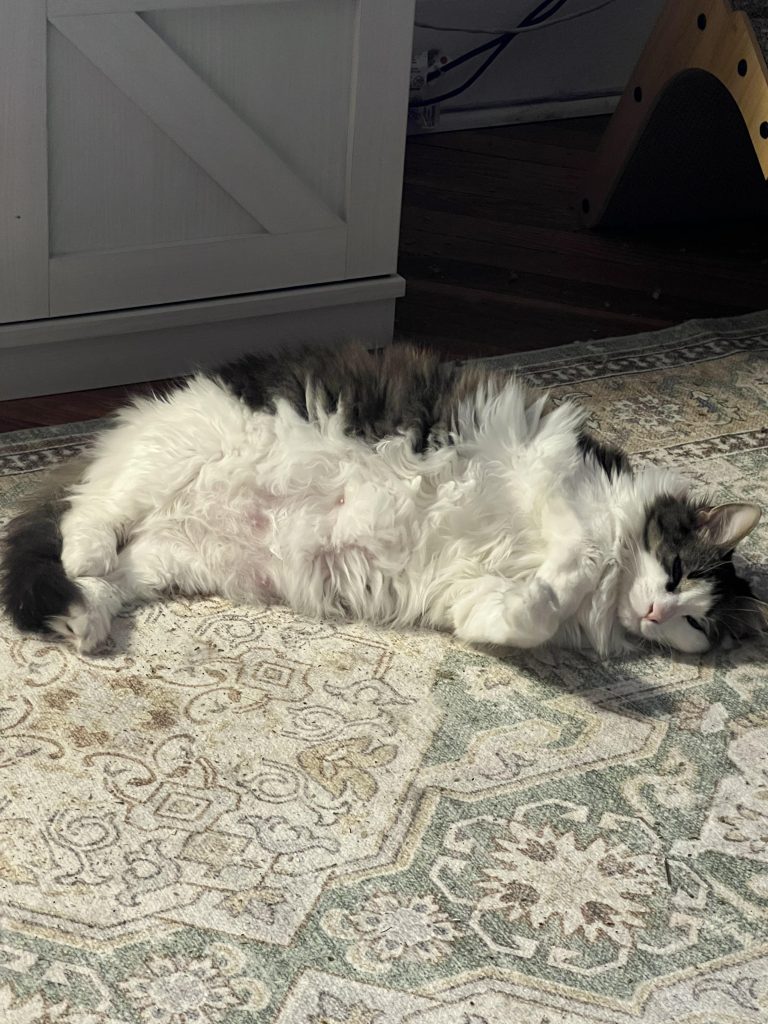
Have you noticed your cat licking itself more than usual? Maybe you’re wondering, “Is my cat over grooming?” It’s easy to think it’s just normal cleaning, but too much grooming can be a sign of something deeper.
If you ignore it, your furry friend might face skin problems or stress. Keep reading to discover how to spot the signs of over grooming and what you can do to help your cat feel comfortable and happy again.

Credit: www.reddit.com
Signs Of Over Grooming
Over grooming in cats means they lick or chew their fur too much. This behavior can cause health problems.
Recognizing the signs early helps keep your cat healthy and comfortable.
Bald Patches And Hair Loss
One clear sign of over grooming is bald spots on your cat’s body. These patches happen because the cat pulls out fur.
Hair loss can happen anywhere, but common spots are the belly, legs, and tail.
Redness And Skin Irritation
Over grooming can cause red and irritated skin. The area may look raw or swollen from constant licking.
Skin irritation can make your cat feel itchy and uncomfortable.
Excessive Licking Behavior
If your cat licks one spot a lot, it may be over grooming. This licking is more than normal cleaning.
Watch if your cat spends a long time licking the same area every day.
Changes In Cat’s Mood
Over grooming can cause your cat to act differently. They may seem anxious or restless.
Your cat might hide more or show less interest in play and food.
Common Causes
Over grooming in cats can signal different health or emotional issues. It is important to understand what causes this behavior.
Here are some common causes that may lead your cat to groom too much.
Stress And Anxiety
Cats may groom themselves too much if they feel stressed or anxious. Changes in their environment can trigger this.
Moving to a new home, loud noises, or new pets can make cats nervous and cause over grooming.
Allergies And Skin Conditions
Allergies to food or the environment can cause itching. Cats may lick or chew their skin to ease discomfort.
Skin conditions like dermatitis or dry skin also make cats groom more than usual.
- Food allergies
- Pollen and dust allergies
- Dry or irritated skin
- Dermatitis
Parasites And Infections
Parasites like fleas and mites cause itching. Cats scratch and groom to get relief.
Infections from bacteria or fungi also make the skin sore and itchy.
- Fleas and ticks
- Mites
- Bacterial infections
- Fungal infections
Boredom And Lack Of Stimulation
Cats need mental and physical activity. Without enough play or exercise, they may groom too much.
Over grooming can be a way to pass time or reduce boredom stress.
Health Risks From Over Grooming
Over grooming in cats can cause several health problems. It is important to watch for signs of too much licking or biting.
When cats groom too much, it can lead to skin damage, digestive issues, and changes in behavior. These risks need attention.
Skin Damage And Infections
Too much grooming can harm your cat’s skin. The skin may become red, sore, or raw from constant licking.
Open wounds or irritated skin can lead to infections. Bacteria can enter through these spots and cause serious problems.
- Hair loss in patches
- Red and inflamed skin
- Open sores or wounds
- Bacterial or fungal infections
Hairballs And Digestive Issues
Over grooming means your cat swallows more hair. This hair can form hairballs in the stomach or intestines.
Too many hairballs can cause vomiting or blockages. Digestive problems may make your cat feel sick or uncomfortable.
- Frequent hairballs or vomiting
- Constipation or diarrhea
- Loss of appetite
- Abdominal pain or discomfort
Behavioral Impact
Over grooming can be a sign of stress or anxiety in cats. It may also increase these feelings, making your cat unhappy.
Excessive grooming takes time from normal activities. Your cat may stop playing, eating, or resting well because of it.
- Increased anxiety or nervousness
- Loss of interest in play or food
- Restlessness or irritability
- Repeated grooming instead of resting

Credit: www.reddit.com
Diagnosing Over Grooming
Over grooming in cats can cause hair loss and skin damage. It is important to find out why your cat is grooming too much.
Diagnosis involves checking your cat’s health and behavior. This helps to decide the right treatment.
Veterinary Examination
A vet will examine your cat carefully. They look for skin wounds, redness, or parasites. They also check your cat’s overall health.
This exam helps rule out infections or injuries. It shows if the over grooming has a physical cause.
Skin Tests And Allergy Screening
Skin tests find if allergies cause over grooming. These tests check for reactions to fleas, food, or dust.
- Flea allergy test
- Food allergy trial
- Environmental allergy test
Allergy screening helps the vet decide how to stop the itching and licking.
Behavioral Assessment
The vet may watch your cat’s behavior. Stress or boredom can cause over grooming. The vet looks for signs like:
- Excessive licking
- Pacing or restlessness
- Changes in appetite or sleep
Understanding behavior helps find if mental health affects grooming habits.
Home Remedies And Care
Over grooming in cats can cause skin problems and hair loss. It is important to help your cat feel safe and comfortable at home. Simple home care can reduce stress and stop over grooming.
Below are ways to create a calm space, give toys for fun, and groom your cat properly. These tips support your cat’s health and happiness.
Creating A Calm Environment
Stress can make cats groom too much. A quiet and safe place helps your cat feel calm. Keep your cat away from loud noises and busy areas.
- Provide a cozy bed in a quiet corner
- Use soft lighting and avoid bright lights
- Keep a regular feeding and play schedule
- Use calming sprays or diffusers made for cats
- Limit new people or pets in the home during stress
Providing Enrichment And Toys
Giving your cat toys and activities stops boredom. Bored cats groom too much to fill time. Toys keep your cat’s mind busy and body active.
| Toy Type | Benefits | Examples |
| Interactive | Stimulates hunting skills | Laser pointers, feather wands |
| Chewable | Relieves stress | Soft rubber toys, catnip mice |
| Puzzle | Challenges mind | Food puzzles, treat balls |
| Comfort | Soothes anxiety | Soft stuffed toys, blankets |
Proper Grooming Techniques
Regular grooming helps your cat stay clean and calm. It also stops skin problems that cause over grooming. Use gentle brushing and check your cat’s skin often.
- Brush your cat’s fur with a soft brush
- Check for red or sore spots on the skin
- Trim nails carefully to prevent scratching
- Use a damp cloth to clean dirty areas
- Visit the vet if you see wounds or hair loss
Medical Treatments
Over grooming in cats can cause skin damage and discomfort. Medical treatments help manage the problem. They target the cause and reduce symptoms.
Your vet will check your cat to find the right treatment. Early care helps your cat heal faster.
Medications For Skin Conditions
Skin problems like allergies or infections cause cats to groom too much. Medicines can soothe the skin and stop itching. Your vet may give antibiotics or antifungal drugs for infections.
Anti-itch creams and ointments help calm irritated skin. Steroids reduce swelling and redness. These treatments protect the skin from more damage.
Anti-anxiety Therapies
Stress and anxiety can make cats over groom. Your vet may suggest therapies to lower anxiety. These help your cat feel calm and less likely to groom excessively.
- Calming medications prescribed by a vet
- Natural supplements like pheromones
- Environmental changes to reduce stress
Behavioral therapy and playtime can also help. These reduce nervous energy that leads to over grooming.
Parasite Control
Parasites like fleas cause itching and discomfort. Cats scratch and groom too much to ease the itch. Treating parasites stops this cycle.
- Use vet-approved flea treatments regularly
- Check your cat for ticks and mites
- Keep your cat’s bedding clean
Parasite control prevents skin problems and reduces over grooming. Talk to your vet about the best parasite treatment for your cat.
Preventing Over Grooming
Over grooming in cats can cause skin problems and discomfort. It is important to find ways to stop this behavior early.
By preventing over grooming, you help your cat stay healthy and happy. There are simple steps you can take to reduce this behavior.
Regular Vet Check-ups
Frequent vet visits help catch health issues that cause over grooming. Skin infections or allergies might be the cause.
Your vet can suggest treatments or medicines to reduce itching and discomfort. This stops your cat from licking too much.
Stress Reduction Strategies
Stress can lead cats to groom themselves too much. Find ways to make your cat feel calm and safe.
Try playing with your cat every day or giving it a quiet place to rest. Avoid loud noises or sudden changes in the home.
- Use toys to keep your cat active
- Create a cozy, quiet bed area
- Keep a regular daily routine
- Use calming pheromone sprays if needed
Balanced Diet And Hydration
A healthy diet helps your cat’s skin stay strong. Poor nutrition can cause dryness and itching.
Make sure your cat drinks enough water. Proper hydration keeps skin soft and less itchy.
- Feed high-quality cat food with nutrients
- Provide fresh water daily
- Consider foods with omega fatty acids
- Avoid sudden diet changes

Credit: www.reddit.com
Frequently Asked Questions
What Are The Signs Of A Cat Over Grooming?
Signs include bald patches, redness, scabs, and excessive licking. Your cat may groom more than usual, causing skin irritation or hair loss.
Why Do Cats Over Groom Themselves?
Cats over groom due to stress, allergies, parasites, or skin infections. It can also be a response to pain or boredom.
How Can I Stop My Cat From Over Grooming?
Identify the cause first. Use vet-recommended treatments for allergies or parasites. Provide environmental enrichment and reduce stress for your cat.
Is Over Grooming Harmful To Cats?
Yes, over grooming can cause skin damage, infections, and hair loss. It can lead to discomfort and require veterinary care if untreated.
Conclusion
Recognizing your cat’s grooming habits is crucial. Over-grooming may signal stress or health issues. Observe your cat’s behavior closely. Notice any changes or excessive licking. Consult a vet if you suspect a problem. Your cat’s health and happiness are important.
Provide a calm environment to reduce stress. Engage your cat with toys and attention. Encourage positive grooming habits. Keep an eye on their skin and fur condition. Address potential causes early. Your attentive care makes a difference. Maintain regular check-ups for your feline friend.
A healthy cat is a happy cat.