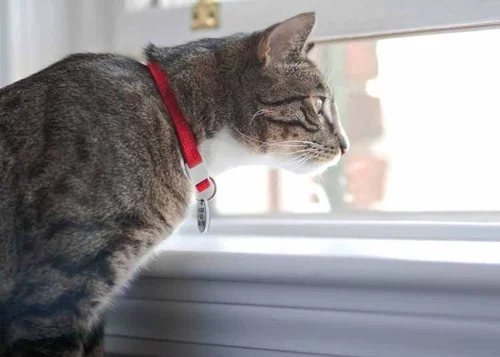
Have you ever wondered if your cat actually likes wearing a collar? You want your furry friend to be safe and stylish, but does that mean they enjoy having something around their neck?
Understanding how your cat feels about collars can make a big difference in their comfort and happiness. Keep reading to discover what cats really think about collars and how you can choose the best one for your beloved pet.
Cats And Collars
Many cat owners wonder if cats like wearing collars. Some cats accept them easily, while others do not. Collars can help keep cats safe and identify them.
This article explains why cats wear collars and the types of collars available. It can help you choose the right collar for your pet.
Why Cats Wear Collars
Collars serve several purposes for cats. They help owners identify their pets. Collars can also show if a cat has been vaccinated or is microchipped.
- Identification tags help return lost cats.
- Reflective collars improve night visibility.
- Breakaway collars prevent choking hazards.
- Some collars hold bells to warn birds.
Types Of Cat Collars
Cat collars come in many styles. Each type has its own benefits and risks. Choosing the right collar depends on your cat’s lifestyle.
| Type | Description | Best For |
| Breakaway Collar | Releases under pressure to prevent injury. | Outdoor cats |
| Buckle Collar | Standard collar with a buckle closure. | Indoor cats |
| Elastic Collar | Stretchy collar for comfort and safety. | Active cats |
| Collar with Bell | Includes a small bell to alert wildlife. | Hunters or outdoor cats |

Credit: www.reddit.com
Cat Reactions To Collars
Many cat owners wonder if their pets like wearing collars. Cats react in different ways when they first wear a collar. Understanding these reactions can help you keep your cat safe and comfortable.
This guide explains common behavioral changes and signs of discomfort cats may show when wearing a collar.
Behavioral Changes
Some cats behave differently after putting on a collar. They may act shy or try to remove it. These changes often show they are adjusting to the new feeling.
- Scratching or biting at the collar
- Shaking their head frequently
- Hiding more than usual
- Moving slowly or cautiously
- Showing signs of curiosity by sniffing the collar
Signs Of Discomfort
Discomfort can be clear if the collar does not fit well or if the cat is not used to it. Watch for these signs to know if your cat feels uneasy.
| Sign | What It Means |
|---|---|
| Red marks on neck | Collar is too tight |
| Excessive scratching | Collar causes irritation |
| Refusal to eat or drink | Stress from collar |
| Unusual vocalizing | Discomfort or anxiety |
| Swelling or hair loss | Allergic reaction |
Benefits Of Collars For Cats
Collars are useful tools for cat owners. They help keep cats safe and easy to identify.
Many collars also offer features that track health and activity. These benefits make collars a smart choice.
Identification And Safety
Collars with ID tags help return lost cats to their owners quickly. A collar shows that a cat has a home.
- ID tags include the cat’s name and owner’s contact information.
- Reflective collars make cats visible at night.
- Breakaway collars prevent choking if the collar gets caught.
- Collars can hold bells to warn birds and small animals.
Tracking And Health Monitoring
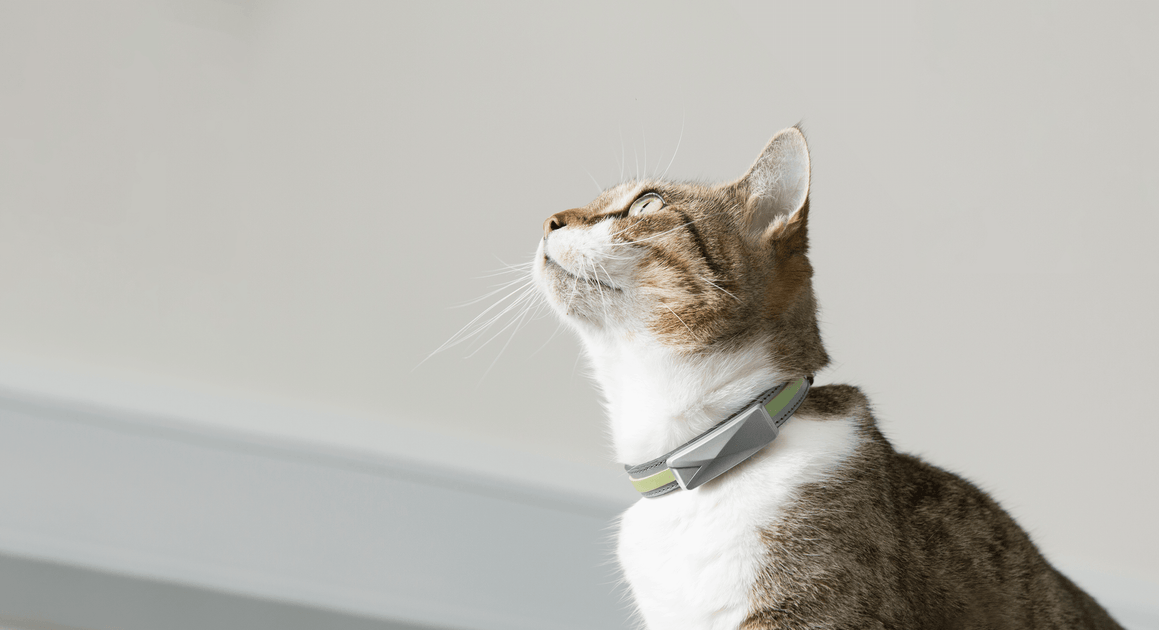
Some collars come with GPS or health trackers. These devices provide useful information about your cat.
| Feature | Benefit |
| GPS Tracking | Find your cat’s location easily |
| Activity Monitor | Track exercise levels and rest times |
| Health Alerts | Detect unusual behavior early |
| Temperature Sensor | Monitor if your cat is too hot or cold |
Credit: felcana.com
Potential Risks Of Collars
Many cat owners use collars to hold ID tags or bells. But collars can cause problems for cats. It is important to know the risks before putting a collar on your cat.
Collars can hurt cats in some ways. Owners should watch their cats closely if they wear collars. This helps keep cats safe and healthy.
Injury And Safety Concerns
Collars can get caught on objects like branches or fences. This can trap the cat and cause injury. A stuck collar may choke or harm the cat’s neck.
Breakaway collars can reduce the risk. These collars open if pulled hard. Still, collars must fit well to avoid slipping or tightness.
- Collars can snag on sharp objects.
- Trapped collars may cause choking or cuts.
- Breakaway collars help prevent accidents.
- Check collar fit regularly.
Allergic Reactions
Some cats have skin allergies to collar materials. This can cause redness, itching, and hair loss. Allergies may worsen if collars stay on too long.
Choose collars made from soft, non-irritating materials. Remove collars regularly to check for skin problems. Consult a vet if skin issues appear.
- Allergic cats show itching and redness.
- Plastic or nylon collars may irritate skin.
- Leather collars can cause allergies too.
- Check cat’s neck often for irritation.
Choosing The Right Collar
Many cat owners wonder if their pets like wearing collars. Choosing the right collar makes cats more comfortable. The right fit and material matter a lot.
A good collar helps keep cats safe without causing stress. It should be soft and fit well to avoid irritation.
Material And Fit
Soft materials like nylon or leather are gentle on a cat’s skin. Avoid rough fabrics that can cause itching or sores.
The collar should fit snugly but not tight. You should be able to fit two fingers between the collar and your cat’s neck.
- Choose lightweight materials for comfort
- Check the collar width; narrow collars suit small cats
- Adjust the collar regularly as your cat grows
Breakaway Features
Breakaway collars release if your cat gets caught on something. This feature helps prevent choking or injury.
Always pick a collar with a breakaway clasp for safety. It gives you peace of mind while your cat explores.
- Look for collars with strong but easy-release clasps
- Test the breakaway feature before use
- Replace worn collars to keep the feature working well

Credit: www.familyhandyman.com
Training Cats To Wear Collars
Getting a cat used to a collar takes time and patience. Cats may find collars strange at first. Training helps them accept it calmly.
Using gentle steps and rewards can make the process easier. Start slowly and be consistent to help your cat feel safe.
Introducing The Collar Gradually
Let your cat see and smell the collar before putting it on. Place it near their favorite resting spot for a few days. This helps them get used to it without stress.
- Show the collar to your cat and let them sniff it.
- Put the collar near their bed or toys.
- Try placing the collar on for a few minutes at first.
- Slowly increase the time the collar stays on each day.
- Watch your cat’s comfort and remove the collar if stressed.
Positive Reinforcement Techniques
Use treats and praise to reward your cat when they wear the collar. This builds a positive link with the collar. Be patient and calm during training.
| Action | Reward |
| Allow collar introduction | Soft praise |
| Wear collar for 5 minutes | Small treat |
| Wear collar for 15 minutes | Playtime |
| Wear collar all day | Favorite snack |
Frequently Asked Questions
Do Cats Feel Comfortable Wearing Collars?
Cats may initially resist collars but can adapt if introduced slowly. Comfort depends on collar fit and material. A lightweight, adjustable collar is best to avoid irritation or stress.
Why Do Some Cats Dislike Collars?
Cats dislike collars that are too tight, heavy, or noisy. Sensory sensitivity and lack of habituation also cause discomfort. Proper fitting and gradual introduction help reduce dislike.
Are Collars Safe For Indoor Cats?
Yes, collars can be safe if they have a quick-release mechanism. This prevents choking hazards during play or climbing. Regularly check the collar’s fit and condition for safety.
Can Collars Affect A Cat’s Behavior?
Some cats may initially show stress or try to remove collars. Over time, most cats accept collars without behavior changes. Positive reinforcement eases the transition.
Conclusion
Cats can wear collars, but comfort matters most. Choose soft, lightweight collars that fit well. Watch your cat’s reaction to avoid stress. Some cats accept collars easily; others do not. Collars with safety features help keep cats safe outdoors. Always check collars regularly for wear or tightness.
A happy cat means a comfortable collar or no collar. Keep your pet’s needs in mind when deciding. Your cat’s safety and comfort should guide your choice.