Are you tired of seeing your beloved cat scratch incessantly? Fleas can be a persistent problem, turning your cuddly feline into an itchy mess.
But what if you could stop these pesky invaders in their tracks with a simple solution? Flea collars might just be the answer you’ve been searching for. We’ll dive into the world of flea collars, exploring how they work their magic to protect your cat.
Imagine a world where your furry friend can play, nap, and purr away without the constant itch. Intrigued? Keep reading to discover how flea collars can transform your cat’s life, bringing comfort and peace back to your home.
Credit: www.hartz.com
How Flea Collars Protect Cats
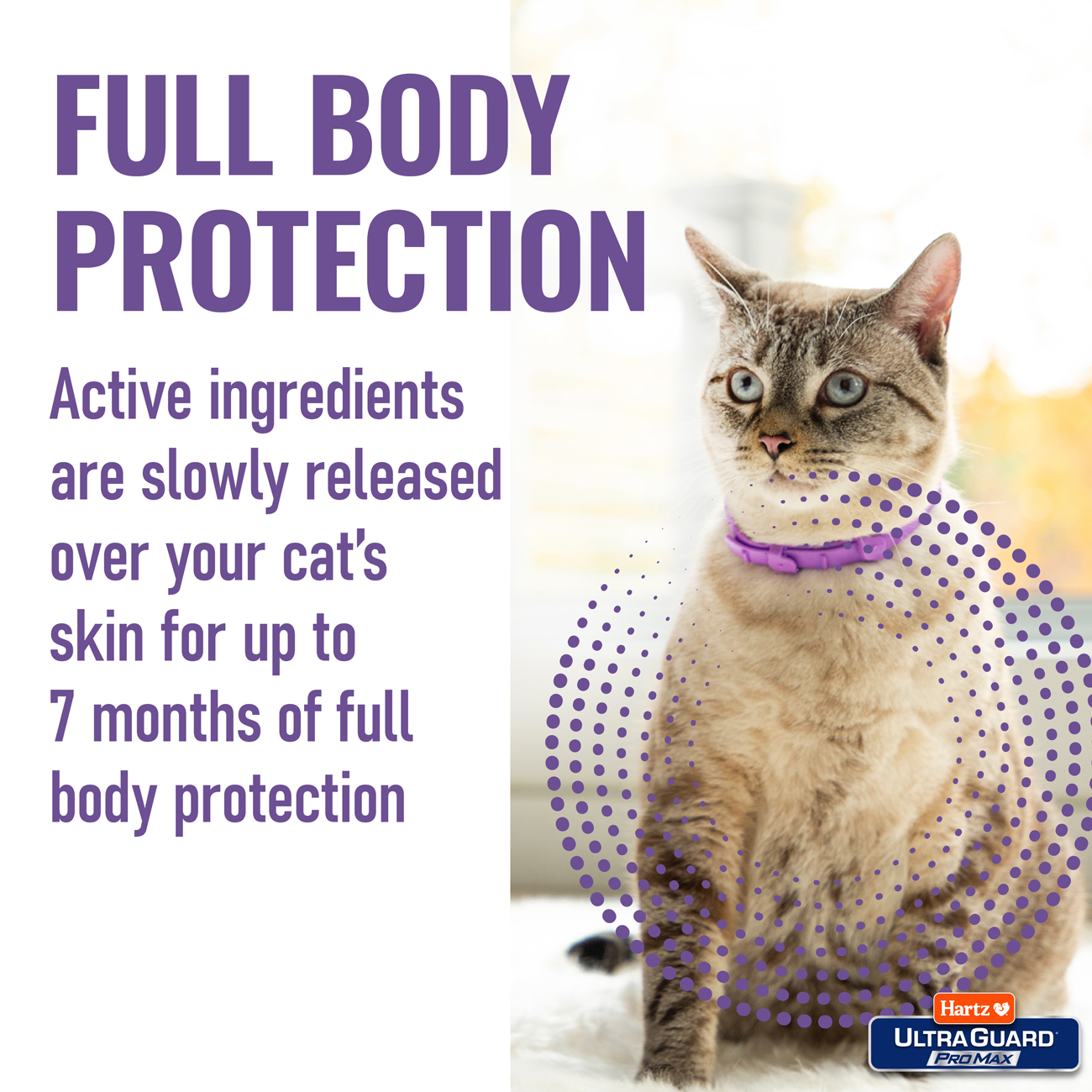
Flea collars keep cats safe from fleas by stopping bites and infestations. They slowly release ingredients that kill or repel fleas.
These collars offer long-lasting protection. They help reduce flea problems without using sprays or shampoos every day.
Active Ingredients In Flea Collars
Flea collars contain chemicals that fight fleas. These ingredients can kill fleas or stop their growth.
Common active ingredients include:
- Imidacloprid: kills adult fleas quickly
- Flumethrin: repels and kills ticks and fleas
- Permethrin: toxic to fleas but safe for cats
- Selamectin: stops flea eggs from hatching
Mechanism Of Action Against Fleas
Flea collars release active ingredients slowly on the cat’s fur and skin. This spreads over the cat’s body to protect it.
The chemicals target the nervous system of fleas. They paralyze or kill fleas when they try to bite the cat.
- Ingredients spread through natural oils on the cat’s skin
- Fleas absorb chemicals when they bite
- Fleas die or stop growing before laying eggs
Duration Of Effectiveness
Most flea collars protect cats for several weeks to months. The exact time depends on the collar’s formula.
It is important to replace the collar after the effective period ends. This keeps continuous flea protection for the cat.
- Collars usually last from 8 to 12 weeks
- Check package instructions for exact duration
- Replace collar promptly to avoid flea problems
Credit: vettoday.com
Types Of Flea Collars
Flea collars help protect cats from fleas and ticks. They come in different types with unique features.
Choosing the right flea collar depends on your cat’s needs and lifestyle. Here are the main types you can find.
Chemical-based Collars
Chemical-based flea collars release insecticides that kill fleas and ticks. They work by spreading chemicals on your cat’s fur.
These collars usually last for several months. They protect your cat from flea infestations effectively.
Natural And Herbal Options
Natural flea collars use plant oils and herbs to repel fleas. They do not contain harsh chemicals.
These collars are safer for sensitive cats. They may need to be replaced more often than chemical collars.
- Use essential oils like citronella or lavender
- Work by repelling fleas rather than killing them
- Good choice for cats with allergies
Water-resistant Flea Collars
Water-resistant flea collars keep working even if your cat gets wet. They do not lose effectiveness from rain or baths.
These collars use special materials or coatings. They are ideal for outdoor cats or cats who swim.
Benefits Of Using Flea Collars
Flea collars are a popular choice for keeping cats free from fleas. They work by slowly releasing ingredients that repel or kill fleas. These collars offer several benefits for cat owners.
Using flea collars can make flea control easier and more effective. Let’s look at the main benefits of using flea collars for cats.
Continuous Protection
Flea collars provide long-lasting protection for your cat. They release small amounts of active ingredients over time. This helps stop fleas from growing and spreading.
Because the collar stays on your cat, it works all day and night. This means your cat is protected even when you are not around.
Ease Of Use
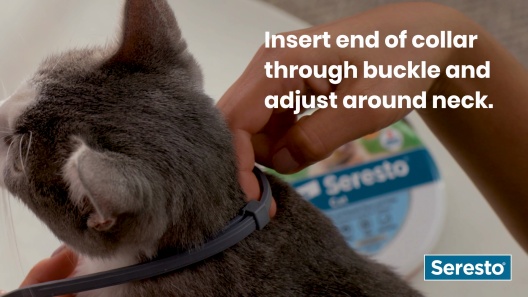
Flea collars are easy to put on and take off. You just place the collar around your cat’s neck and adjust it for comfort. There is no need for messy sprays or pills.
This makes flea collars a simple option for busy pet owners. You do not have to worry about daily treatments or applying products frequently.
Cost-effectiveness
Flea collars often cost less than other flea treatments. They last for several weeks or months, which saves money over time. This makes them a budget-friendly choice.
Since the collar works continuously, you do not need to buy many different products. This helps keep flea control affordable and simple.
Potential Risks And Precautions
Flea collars for cats help control fleas but may cause some risks. It is important to know these risks before use. Taking precautions can keep your cat safe and comfortable.
Below are key points about allergic reactions, proper use, and interactions with other treatments. This information helps you protect your cat from harm.
Allergic Reactions
Some cats may have allergic reactions to flea collars. Symptoms include itching, redness, swelling, or hair loss around the collar area. Watch your cat closely after applying the collar.
- Check for skin irritation daily
- Remove the collar immediately if severe symptoms appear
- Consult a vet if your cat shows signs of an allergy
- Use collars made for cats, not dogs
Proper Fit And Application
Flea collars must fit your cat correctly to work well and avoid risks. A collar that is too tight can cause discomfort or injury. A loose collar may fall off and not control fleas.
| Aspect | Guideline |
|---|---|
| Fit | Fit two fingers between collar and neck |
| Placement | Place collar around neck, not too close to throat |
| Check | Inspect collar weekly for wear or tightness |
| Replace | Follow manufacturer’s recommended replacement schedule |
Interactions With Other Treatments
Using flea collars with other flea treatments can cause problems. Some chemicals may react badly if combined. Always tell your vet about all flea controls you use.
To avoid risks:
- Do not use multiple flea collars at once
- Check if topical or oral flea medicines are safe with collars
- Follow vet advice on combining treatments
- Stop all flea products if your cat shows side effects
Tips For Choosing The Right Collar
Choosing the right flea collar for your cat needs care. It helps keep your cat safe and comfortable.
There are many types of flea collars. Knowing what fits your cat best is important.
Considering Cat’s Age And Health
Kittens and older cats have different needs. Some collars may not be safe for young or sick cats.
- Check if the collar is made for kittens or adult cats.
- Avoid collars with strong chemicals for weak or sick cats.
- Ask your vet about the best collar for your cat’s health.
Assessing Flea Infestation Levels
Look at how many fleas your cat has. This helps you pick the right collar strength.
| Infestation Level | Collar Type | Additional Care |
| Light | Standard flea collar | Regular grooming |
| Moderate | Strong flea collar | Use flea comb daily |
| Severe | Prescription collar | Visit veterinarian |
Reading Labels And Ingredients
Check the collar label carefully. Know what ingredients it has to avoid harm.
- Look for active ingredients that kill fleas safely.
- Avoid collars with known allergens for your cat.
- Check how long the collar protects your cat.
- Follow instructions on how to use the collar correctly.
Alternatives To Flea Collars
Flea collars are common for cats, but they are not the only way to fight fleas. Some cats may react to collars or find them uncomfortable.
There are other options to keep your cat free from fleas. These include different medicines and ways to control fleas in your home.
Topical Treatments
Topical treatments are liquids you put on your cat’s skin. They kill fleas quickly and can last for weeks. These treatments are easy to use and only need monthly application.
- Apply between the cat’s shoulder blades
- Keep the area dry for 24 hours
- Use as directed by a vet
Oral Medications
Oral medications are pills or chewables that kill fleas from inside the cat’s body. They work fast and can last for one month or more. Your vet can help choose the right one.
| Medication Type | Duration | How it Works |
| Pills | One month | Kills adult fleas |
| Chewables | One month | Kills fleas and prevents eggs |
| Injection | Up to six months | Kills fleas from inside |
Environmental Control
Fleas live in the environment, not just on your cat. Cleaning your home helps stop fleas from coming back. Vacuuming and washing bedding are key steps.
- Vacuum carpets and furniture often
- Wash your cat’s bedding weekly in hot water
- Use flea sprays or foggers for your home
- Keep your yard clean and free from debris

Credit: www.hartz.com
Frequently Asked Questions
How Do Flea Collars Protect Cats From Fleas?
Flea collars release chemicals that repel and kill fleas. These substances spread over your cat’s fur and skin. They prevent flea bites and stop infestations, keeping your cat comfortable and itch-free.
Are Flea Collars Safe For All Cats?
Most flea collars are safe if used as directed. However, kittens, pregnant, or sensitive cats need special collars. Always check the product label and consult your vet before use.
How Long Do Flea Collars Remain Effective?
Flea collars typically work for 8 to 12 weeks. Effectiveness depends on the collar brand and your cat’s environment. Replace the collar promptly to maintain protection.
Can Flea Collars Treat Existing Flea Infestations?
Yes, flea collars can help reduce existing fleas. They kill adult fleas and prevent eggs from hatching. For severe infestations, combine collars with other treatments for best results.
Conclusion
Flea collars help keep cats free from annoying pests. They work by releasing safe chemicals that repel fleas. These collars protect your cat for weeks at a time. Choosing the right collar ensures comfort and safety for your pet. Regular use helps stop flea problems before they start.
Remember, a flea collar is just one part of care. Keep your cat clean and check for fleas often. Healthy cats are happy cats, and flea collars help with that.