If you’ve ever noticed your cat scratching more than usual, fleas might be the cause. These tiny pests can make your furry friend uncomfortable and even lead to health problems.
You might be wondering how flea collars work for cats and if they are the right solution for your pet. Understanding how these collars protect your cat can help you make the best choice for their comfort and safety. Keep reading to discover how flea collars fight fleas and what you need to know to keep your cat happy and pest-free.
How Flea Collars Protect Cats
Flea collars help keep cats free from fleas. They release substances that stop fleas from biting or living on cats.
Understanding how flea collars work can help you choose the best one for your cat.
Active Ingredients In Flea Collars
Flea collars contain special chemicals that kill or repel fleas. These ingredients vary by brand and type.
- Imidacloprid: Kills adult fleas quickly.
- Flumethrin: Repels and kills ticks and fleas.
- Permethrin: Effective against fleas but toxic to cats, so used with care.
- Pyrethroids: Target the nervous system of fleas.
- Essential oils: Natural options like citronella or lavender may repel fleas.
Mechanism Of Action Against Fleas
The chemicals in the collar spread over the cat’s skin and fur. Fleas get in contact with these substances and die or leave.
| Step | What Happens |
| 1 | Collar releases active ingredients slowly |
| 2 | Ingredients spread on cat’s skin and fur |
| 3 | Fleas bite or touch cat and absorb chemicals |
| 4 | Fleas are killed or repelled |
Duration Of Effectiveness
Flea collars work for weeks or months. The exact time depends on the collar type and ingredients.
- Most collars last from 8 to 12 weeks.
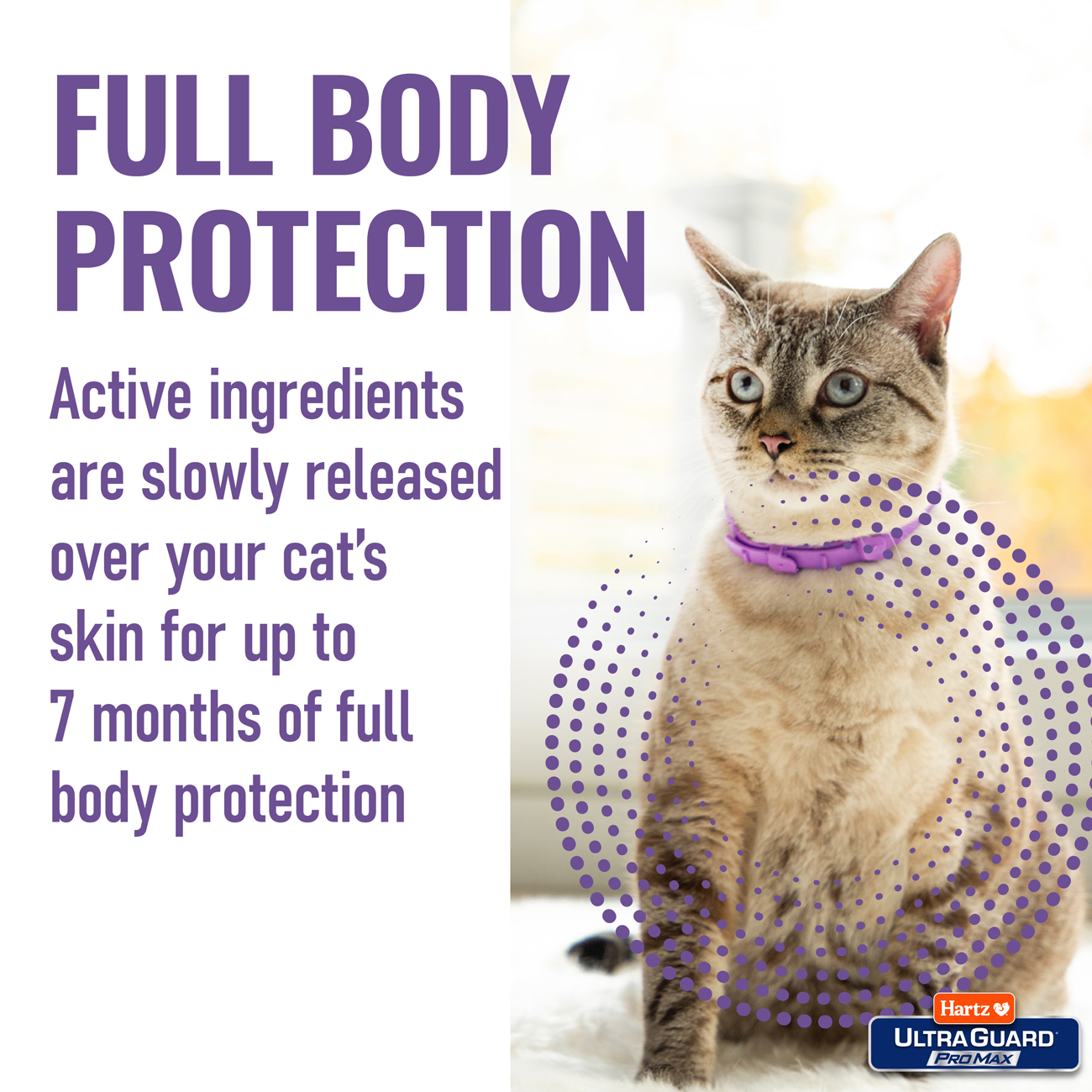
- Some collars offer protection for up to 7 months.
- Regular replacement ensures continuous flea protection.
- Check the collar packaging for the exact duration.

Credit: www.hartz.com
Types Of Flea Collars
Flea collars are a popular way to protect cats from fleas. They work by releasing substances that kill or repel fleas. There are different types of flea collars to choose from.
Each type uses different ingredients and works in unique ways. Understanding these types helps you pick the best collar for your cat.
Chemical-based Collars
Chemical flea collars use synthetic chemicals to kill fleas. These chemicals spread over your cat’s skin and fur. They stop fleas from biting or laying eggs.
These collars often work fast and last for several weeks. They are effective but may cause side effects in some cats. Always check the ingredients and follow instructions carefully.
Natural And Herbal Options
Natural flea collars use plant-based oils and herbs to repel fleas. Ingredients like lavender, citronella, and eucalyptus are common. These collars are safer for sensitive cats.
They do not kill fleas but keep them away. Natural collars may need to be replaced more often. They are a gentle choice for cats that react to chemicals.
Collar Vs Other Flea Treatments
Flea collars are easy to use and provide long-lasting protection. Other treatments include topical drops, sprays, and oral pills. These often act faster than collars.
Topical treatments spread on the skin while pills work inside the cat’s body. Collars are less messy and stay on all day. Each method has pros and cons based on your cat’s needs.
- Collars offer steady protection for weeks
- Topical drops act quickly but need monthly use
- Oral pills kill fleas from inside the body
- Sprays provide immediate relief but require reapplication
Benefits Of Using Flea Collars
Flea collars help keep cats safe from fleas and ticks. They release medicine that protects your pet.
Using flea collars can make flea control easier and more effective for cat owners.
Continuous Protection
Flea collars work all day and night to prevent flea infestations. They slowly release active ingredients.
This steady release helps stop fleas from growing and spreading on your cat’s fur.
- Protects for weeks without reapplying
- Keeps fleas away even in outdoor cats
- Reduces the chance of flea bites and irritation
Ease Of Use
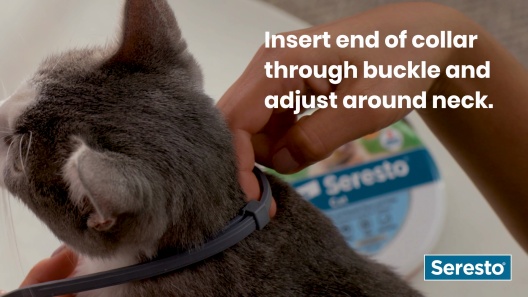
Flea collars are simple to put on your cat. They do not need daily attention or reapplication.
This makes flea collars a great option for busy pet owners or cats who dislike baths.
- Just place the collar around your cat’s neck
- No need to remember daily treatments
- Comfortable and lightweight for cats
Cost-effectiveness
Flea collars often cost less than monthly flea sprays or drops. They last for several weeks.
They save money because you do not need frequent flea treatments or vet visits for fleas.
- Long-lasting protection reduces repeat purchases
- Less spending on extra flea control products
- Helps avoid costly flea-related health issues
Credit: vettoday.com
Potential Risks And Precautions
Flea collars help protect cats from fleas and ticks. But they may cause side effects or risks. Knowing these risks helps keep your cat safe and healthy.
Use flea collars carefully. Follow safety steps and watch your cat for any signs of problems. This guide explains common risks and what to do.
Possible Allergic Reactions
Some cats may have allergies to flea collar ingredients. Signs of allergic reactions include itching, redness, or swelling around the collar area. Other symptoms may be hair loss or skin sores.
- Check your cat’s skin daily for irritation.
- Remove the collar if your cat scratches a lot.
- Watch for changes in behavior like restlessness or hiding.
- Try a different flea control method if allergies occur.
Safe Use Guidelines
Using flea collars safely reduces risks. Follow these steps to protect your cat from harm.
- Read all instructions before putting the collar on your cat.
- Use only collars made for cats, not dogs or other animals.
- Measure your cat’s neck and fit the collar loosely, allowing two fingers space.
- Check the collar regularly for damage or looseness.
- Do not combine flea collars with other flea treatments without advice.
- Replace the collar as recommended by the manufacturer.
When To Consult A Veterinarian
See a vet if your cat shows any unusual signs after using a flea collar. Early help can prevent serious problems.
| Symptom | What to Do |
| Severe skin rash or swelling | Remove collar and call your vet immediately |
| Vomiting or diarrhea | Contact your vet for advice |
| Excessive drooling or weakness | Seek emergency veterinary care |
| Continuous scratching or hair loss | Schedule a vet visit for allergy testing |
Tips For Choosing The Right Flea Collar
Flea collars help protect cats from fleas and ticks. Picking the right collar is important for safety and comfort.
Use these tips to find a flea collar that fits your cat’s needs well. This keeps your cat healthy and happy.
Considering Your Cat’s Lifestyle
Think about where your cat spends most of its time. Indoor cats have different flea risks than outdoor cats.
Active outdoor cats may need stronger flea protection. Less active indoor cats may need gentler options.
- Indoor cats usually face fewer flea threats
- Outdoor cats often need collars with longer protection
- Cats that swim or get wet may need water-resistant collars
Checking Ingredients And Safety
Read the ingredients carefully to avoid harmful chemicals. Some cats are sensitive to certain ingredients.
Choose collars approved by vets or pet safety groups. Avoid collars with strong pesticides if your cat has health issues.
- Look for natural or mild insecticides if your cat is sensitive
- Avoid collars with known allergens or irritants
- Check if the collar is safe for kittens or older cats
Proper Fit And Application
A flea collar must fit well to work properly. Too loose or too tight collars can cause problems.
Adjust the collar so you can fit two fingers between the collar and your cat’s neck. Follow the package instructions when putting it on.
- Measure your cat’s neck before buying
- Trim excess collar length if needed
- Check the collar regularly for wear or irritation
- Replace the collar according to the product’s timeline
Credit: www.hartz.com
Frequently Asked Questions
How Do Flea Collars Kill Fleas On Cats?
Flea collars release insecticides that spread over the cat’s skin and fur. These chemicals target and kill fleas quickly. The collar’s active ingredients disrupt flea nervous systems, leading to their death. This protects cats from flea bites and infestations effectively for weeks.
Are Flea Collars Safe For All Cats?
Most flea collars are safe for healthy cats but check product labels first. Avoid collars on kittens under 8 weeks or cats with skin allergies. Consult a vet if your cat has health issues. Proper usage minimizes risks and keeps your cat safe.
How Long Do Flea Collars Remain Effective?
Flea collars typically protect cats for 8 to 12 weeks. The duration depends on the collar brand and environmental conditions. Regular replacement ensures continuous flea protection. Check packaging for specific effectiveness periods to maintain optimal flea control.
Can Flea Collars Prevent Flea Infestations Completely?
Flea collars help prevent infestations but may not stop all fleas. Combining collars with regular grooming and home cleaning improves results. Severe infestations might require additional treatments like oral medications or sprays. Flea collars work best as part of an overall flea control plan.
Conclusion
Flea collars offer a simple solution for cat owners. They help keep fleas away effectively. These collars release chemicals that repel fleas. Easy to use and affordable, they provide peace of mind. Regularly checking and replacing collars ensures continued protection.
Cats can enjoy a flea-free life. Owners benefit from fewer worries about infestations. Remember to choose collars suited for your cat. Consult a vet if unsure about the best option. Protecting your cat is essential. Flea collars make it easier.
Both cats and owners enjoy healthier lives. A smart choice for a happier, healthier pet.