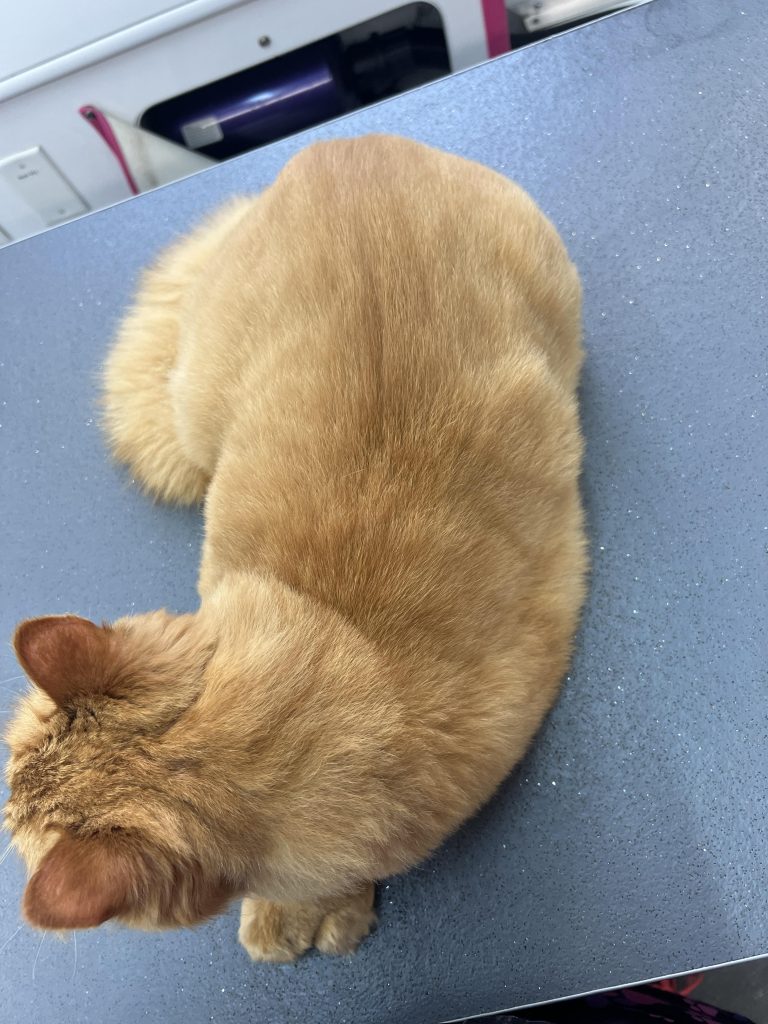
Have you ever wondered if your cat really needs grooming? You might think cats clean themselves well enough, but there’s more to it than just a quick lick.
Grooming your cat can make a big difference in their health and happiness. If you want to keep your furry friend comfortable, shiny, and free from problems like mats or hairballs, you’ll want to read on. Let’s explore why grooming matters and how it can benefit your cat every day.
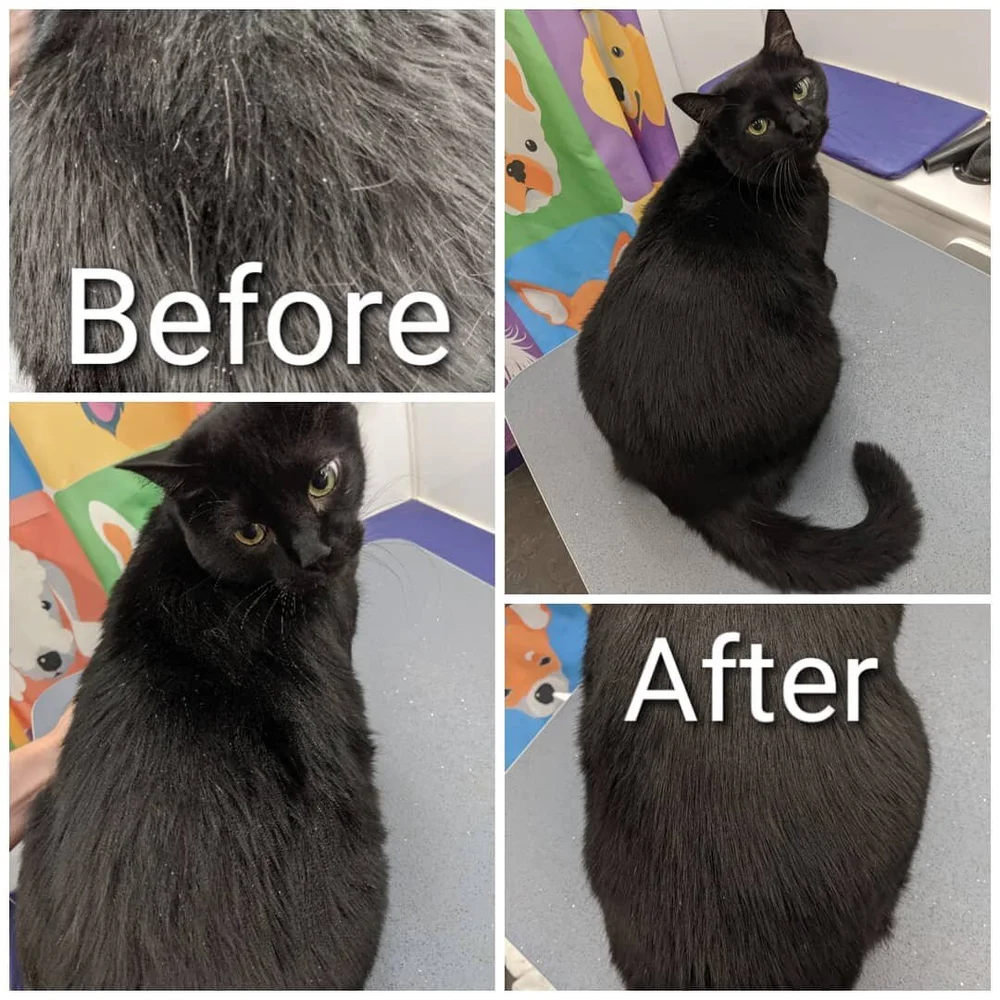
Credit: www.squeakycleangrooming.com
Why Grooming Matters
Cats groom themselves, but they still need help sometimes. Grooming keeps cats healthy and happy.
Regular grooming stops problems before they start. It also strengthens the bond with your cat.
Prevents Hairballs
Cats swallow loose fur when they clean themselves. Too much fur can cause hairballs to form.
Brushing your cat removes loose hair. This reduces the amount they swallow and lowers hairball risks.
Reduces Shedding
Grooming removes dead fur before it falls off. This helps keep your home cleaner.
Regular brushing controls shedding and stops mats from forming in long fur.
Checks For Health Issues
Grooming time lets you check your cat’s skin and fur closely. You can spot problems early.
Look for bumps, redness, or parasites. Early detection helps your cat get care sooner.
Strengthens Your Bond
Grooming is a calm and gentle activity. It builds trust between you and your cat.
Cats enjoy the attention and feel safe during grooming sessions.
Signs Your Cat Needs Grooming
Cats are usually good at grooming themselves. But sometimes, they need help to stay clean and healthy.
Knowing when your cat needs grooming can keep their coat shiny and skin healthy. Watch for these signs.
Matted Or Tangled Fur
Matted fur looks clumped and tangled. It can pull on your cat’s skin and cause pain.
If your cat’s fur feels rough or has knots, it is time to groom them. Matted fur can hide dirt and bugs.
Excessive Shedding
If you find more fur than usual around the house, your cat may need grooming. Brushing removes loose hair.
Less shedding means less hair on your furniture and a healthier coat for your cat.
Dirty Or Greasy Coat
A dirty or greasy coat shows your cat is not grooming well. This can happen if your cat is sick or older.
Regular grooming helps clean the coat and keeps your cat comfortable.
Skin Problems
Look for red, flaky, or irritated skin. These signs show your cat may need grooming or a vet visit.
Grooming helps remove dead skin and can stop your cat from scratching too much.
Bad Breath Or Dirty Teeth
Bad breath or buildup on teeth means your cat needs dental grooming. This is part of overall grooming.
Cleaning your cat’s teeth helps prevent gum disease and keeps their mouth healthy.
Overgrown Nails
Long nails can hurt your cat and damage furniture. Check your cat’s nails regularly.
Trim nails when they get too long to keep your cat comfortable and safe.
Change In Grooming Habits
If your cat stops grooming or grooms too much, it may need help. This can signal stress or health problems.
Watch your cat’s grooming habits to spot early signs that they need attention.
Tools For Cat Grooming
Grooming your cat keeps its coat clean and healthy. Using the right tools makes grooming easier and safer. Cats have different fur types, so you need to pick tools carefully.
Good grooming tools help remove loose hair and prevent mats. They also reduce shedding and improve skin health. Below are common tools used for cat grooming.
Brushes And Combs
Brushes and combs remove dirt and loose hair. They help stop tangles and mats from forming. Choose a brush based on your cat’s fur length and texture.
- Slicker brushes work well for medium to long fur.
- Bristle brushes suit short-haired cats.
- Wide-toothed combs help untangle knots gently.
- Fine-toothed combs catch fleas and dirt.
Nail Clippers
Trimming nails keeps your cat comfortable and safe. Nail clippers made for cats have a small, sharp blade. Use them to cut just the sharp tip of the nail.
Avoid cutting the quick, the pink part inside the nail. It hurts and bleeds if cut. Regular trimming stops nails from getting too long or sharp.
Grooming Gloves
Grooming gloves make brushing simple and gentle. They have soft rubber tips that remove loose fur. Gloves work well for shy or fidgety cats.
- Wear the glove like a hand mitt.
- Stroke your cat’s fur to collect hair.
- Clean the glove by peeling off fur.
- Use gloves to calm nervous cats during grooming.
Special Grooming Tools
| Tool | Purpose |
|---|---|
| Deshedding Tool | Reduces heavy shedding by removing undercoat hair |
| Mat Splitter | Breaks up tight mats and tangles safely |
| Flea Comb | Removes fleas and flea dirt from fur |
| Pet Wipes | Cleans fur and paws without water |
Brushing Techniques
Brushing your cat helps keep its coat clean and healthy. It removes loose fur and prevents mats. Regular brushing also reduces hairballs.
Different cats need different brushing methods. The type of fur and your cat’s mood affect how you brush. Use gentle strokes to keep your cat calm.
Choosing The Right Brush
Pick a brush that fits your cat’s fur type. Short-haired cats need a soft bristle brush. Long-haired cats do better with a comb or slicker brush. Avoid sharp brushes that hurt your cat’s skin.
How To Brush Your Cat
- Start brushing gently at the head and move toward the tail.
- Use slow, short strokes to avoid pulling hair.
- Brush in the direction of hair growth for comfort.
- Pay extra attention to areas where mats form, like behind ears and under legs.
- Use a comb to detangle any knots carefully.
- Give your cat breaks if it seems stressed.
Tips For Brushing Difficult Cats
Some cats do not like brushing. Try these tips to help them relax:
- Brush after playtime when the cat is calm.
- Use treats to reward good behavior.
- Brush in a quiet, comfortable spot.
- Use a soft brush and gentle touch.
- Stop if your cat becomes upset and try again later.
Benefits Of Regular Brushing
| Benefit | Explanation |
| Reduces Shedding | Removes loose fur before it falls off |
| Prevents Mats | Keeps fur smooth and tangle-free |
| Improves Skin Health | Stimulates natural oils for a shiny coat |
| Strengthens Bond | Creates trust between you and your cat |
| Detects Problems | Finds lumps or skin issues early |
Bathing Your Cat
Bathing a cat can be a tricky task. Most cats do not enjoy water, so patience is key.
Regular baths help keep your cat clean and healthy, especially if it gets dirty or has skin problems.
When To Bathe Your Cat
Bath your cat only when needed. Cats groom themselves well, so frequent baths are not necessary.
Bath your cat if it gets very dirty, smelly, or has fleas or skin issues.
Preparing For The Bath
Prepare everything before you start. This makes the bath smoother and less stressful.
- Use a shallow tub or sink with warm water.
- Have cat-friendly shampoo ready.
- Keep towels nearby for drying.
- Brush your cat to remove loose fur.
- Close doors to prevent escape.
How To Bathe Your Cat
Gently place your cat in the water. Speak softly to calm it down.
| Action | Tip |
| Wet your cat | Use a cup or sprayer, avoid the face |
| Apply shampoo | Use a small amount, lather gently |
| Rinse thoroughly | Remove all shampoo to avoid irritation |
| Dry your cat | Use a towel, keep your cat warm |
Safety Tips During Bathing
- Never use human shampoo on your cat.
- Keep water temperature warm, not hot.
- Avoid getting water in the cat’s ears and eyes.
- Have a helper if your cat is very anxious.
- Stop if your cat becomes too stressed.

Credit: www.reddit.com
Nail Care Tips
Cats need nail care to stay healthy and comfortable. Long nails can cause problems for your cat.
Trimming your cat’s nails regularly helps prevent scratches and injuries.
Use The Right Tools
Choose a nail clipper made for cats. It should be sharp and easy to hold.
Using the right tool keeps the cut clean and safe for your cat’s nails.
Trim Nails Carefully
Cut only the sharp tip of the nail. Avoid the pink part called the quick.
Cutting the quick causes pain and bleeding. Take small cuts if you are unsure.
Keep Your Cat Calm
Choose a quiet, comfortable place for nail trimming. Speak softly to your cat.
Give treats and breaks if your cat feels nervous. Stay patient and gentle.
Check Nails Regularly
Look at your cat’s nails once a week. Trim them if they look long or sharp.
Regular checks stop nails from growing too long and causing pain.
Use Nail Caps If Needed
Nail caps are soft covers that protect furniture and skin. They fit over trimmed nails.
- Safe and painless for cats
- Lasts for weeks before replacement
- Good option if trimming is hard
Ear And Eye Cleaning
Cleaning your cat’s ears and eyes is an important part of grooming. These areas can collect dirt and cause discomfort if not cared for.
Regular cleaning helps prevent infections and keeps your cat healthy and happy.
Ear Cleaning
Cat ears can gather wax, dirt, and sometimes mites. Check your cat’s ears weekly for any signs of problems.
- Look for redness or swelling
- Watch for a bad smell or dark discharge
- Use a vet-approved ear cleaner and cotton ball
- Gently wipe the outer ear only
- Avoid inserting anything deep into the ear canal
Eye Cleaning
Cats may have tear stains or discharge around their eyes. Clean these areas gently to avoid irritation.
| Type of Eye Discharge | What to Do |
|---|---|
| Clear tears | Wipe with a soft damp cloth |
| Yellow or green discharge | Contact your vet for advice |
| Crusty buildup | Soften with warm water, then wipe gently |

Credit: www.latimes.com
Handling Grooming Challenges
Grooming cats can be difficult for many pet owners. Cats often dislike being handled for long times.
Knowing how to face these challenges helps keep your cat clean and healthy.
Dealing With Fear And Anxiety
Cats may feel scared or anxious during grooming. It is important to stay calm and gentle.
Use soft voices and slow movements. Let your cat get used to the grooming tools before starting.
Handling A Cat That Resists Grooming
Some cats do not like to be brushed or bathed. Here are ways to make grooming easier:
- Brush your cat for short times often.
- Give treats during and after grooming.
- Use a soft brush made for cats.
- Try grooming when your cat is sleepy or calm.
Managing Mats And Tangles
Mats and tangles can cause pain and skin problems. You need special care to remove them.
| Type of Mat | How to Handle |
| Small Tangles | Use a wide-tooth comb gently. |
| Large Mats | Cut with scissors carefully or ask a groomer. |
| Severe Mats | Visit a professional groomer or vet. |
Keeping Your Cat Comfortable
Comfort is key during grooming. Choose a quiet place with good light and no distractions.
Tip:Use a towel to wrap your cat gently if it struggles. This protects both you and your cat.
Grooming For Different Cat Breeds
Not all cats need the same grooming care. Different breeds have different coat types and needs. Knowing these needs helps keep cats healthy and happy.
Some cats need daily brushing, while others need less. Grooming also helps reduce hairballs and skin problems.
Short-haired Cats
Short-haired cats have smooth and sleek coats. They do not need much brushing. Weekly grooming is enough to remove loose hair.
Use a soft brush or grooming glove. It helps keep the coat shiny and clean.
Long-haired Cats
Long-haired cats have thick and flowing fur. They need daily brushing to avoid tangles and mats. Mats can cause skin pain if not removed.
Use a wide-toothed comb and a soft brush. Regular grooming keeps the coat smooth and healthy.
Hairless Cats
Hairless cats have little or no fur. They do not need brushing. Their skin needs regular wiping to remove oil and dirt.
Use a damp cloth or pet-safe wipes. Clean their skin gently to avoid irritation.
Curly-haired Cats
Curly-haired cats have soft, wavy fur. Their coat can tangle easily. Brush them a few times a week with a gentle comb.
Check for mats around ears and neck. Trim mats carefully or ask a groomer for help.
Dense Double-coated Cats
These cats have a thick undercoat and a longer topcoat. They shed a lot, especially in spring and fall. Brush them often to remove dead fur.
- Use an undercoat rake to reach the thick fur
- Brush at least twice a week
- Regular grooming prevents hairballs and skin issues
When To Seek Professional Help
Knowing when to ask a groomer or vet for help is important for your cat’s health.
Some grooming tasks are hard or unsafe to do at home. A professional can help in these cases.
Matted Fur
If your cat’s fur is tangled or matted, do not try to cut it yourself. Mats can hurt their skin.
A groomer has special tools and skills to remove mats safely without causing pain.
Nail Trimming Difficulties
Some cats resist nail trims and may scratch or hide. This makes it hard to cut nails safely.
- Professional groomers know how to handle scared cats.
- They use tools to trim nails quickly and safely.
- Regular trims from a groomer can prevent painful nail problems.
Skin Or Coat Problems
If your cat has skin sores, redness, or hair loss, see a vet for help.
These signs may mean infections, allergies, or other health issues that need treatment.
Long Or Thick Fur
Cats with very long or thick fur may need help grooming to avoid tangles and dirt buildup.
| Issue | Why See a Professional? |
| Long fur mats | Groomers remove mats safely |
| Heavy shedding | Professionals reduce loose fur |
| Seasonal coat changes | Experts manage shedding and comfort |
Unusual Behavior During Grooming
If your cat shows pain, stress, or aggression during grooming, ask a professional for help.
Professionals can:
- Use calming techniques
- Provide safe handling
- Suggest grooming schedules that suit your cat
Frequently Asked Questions
Do Cats Need Regular Grooming At Home?
Yes, cats benefit from regular grooming to remove loose fur and prevent mats. It also reduces hairballs and promotes healthy skin.
How Often Should I Groom My Cat?
Groom your cat weekly for short-haired breeds and daily for long-haired cats. Frequency depends on fur type and cat’s lifestyle.
Can Grooming Improve My Cat’s Health?
Grooming helps detect skin issues early, reduces shedding, and prevents infections. It also strengthens your bond with your cat.
What Tools Are Best For Grooming Cats?
Use a soft-bristle brush for short hair and a wide-toothed comb for long hair. Nail clippers and grooming wipes help maintain hygiene.
Conclusion
Cats benefit from regular grooming to stay healthy and happy. Grooming helps remove dirt, loose hair, and prevents mats. It also reduces hairballs and skin problems. Brushing your cat creates a strong bond between you both. Even short-haired cats need some care.
Make grooming a gentle, calm routine your cat enjoys. This small effort improves your cat’s comfort and well-being every day. Keep your furry friend looking and feeling great with simple grooming habits.