Are you feeling frustrated with your cat’s naughty antics? You’re not alone.
Many cat owners face the challenge of dealing with bad behavior, and it can often feel overwhelming. But don’t worry—there are effective ways to address these issues and restore harmony in your home. Whether it’s scratching up furniture, refusing to use the litter box, or incessant meowing at 3 a.
m. , understanding the root causes can transform your feline friend into a well-behaved companion. Ready to discover the secrets to improving your cat’s behavior and creating a peaceful environment? Keep reading to learn how you can turn challenges into successes and enjoy a happier relationship with your furry friend.
Credit: animals.howstuffworks.com
Common Bad Cat Behaviors
Cats can show behaviors that are hard to handle. These actions may cause stress for owners and damage to the home.
Understanding why cats act this way helps to manage and reduce these behaviors. Here are some common bad cat behaviors and tips to deal with them.
Scratching Furniture
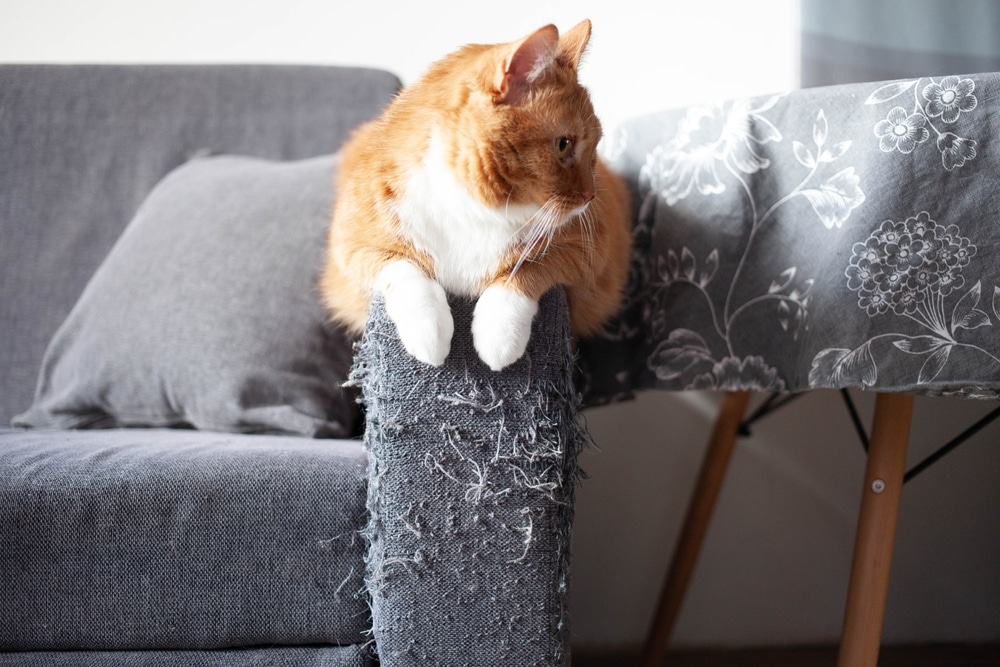
Scratching is a natural way for cats to mark territory and keep their claws sharp. It can damage furniture and carpets.
To stop this, provide scratching posts near the damaged areas. Use catnip to attract cats to the posts. Trim their nails regularly.
Aggression Toward People
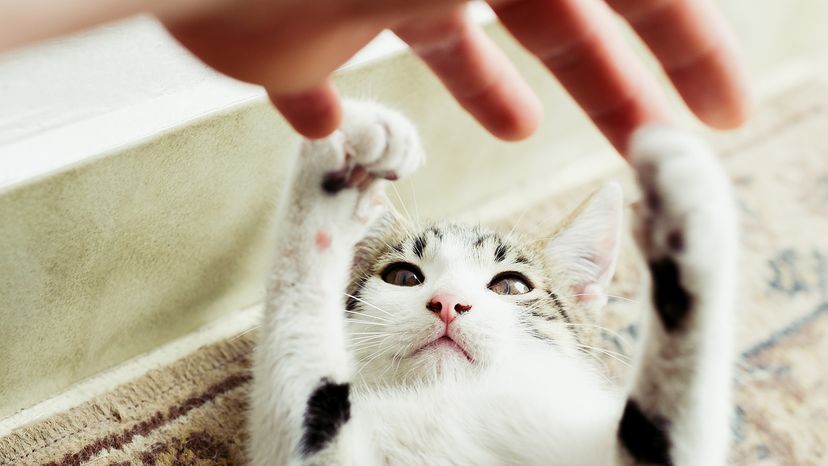
Some cats may scratch or bite people. This can happen from fear, pain, or play aggression.
- Stay calm and avoid sudden moves.
- Do not punish the cat physically.
- Give the cat space to calm down.
- Use toys to redirect aggressive play.
Litter Box Issues
Cats may avoid the litter box due to cleanliness, location, or health problems. This causes accidents around the house.
| Cause | Solution |
| Dirty litter box | Clean daily and change litter often |
| Box location | Place in a quiet, private area |
| Health issues | Visit the vet for a check-up |
| Stress or change | Keep routine and provide comfort |
Excessive Meowing
Some cats meow a lot to get attention or express needs. This can be tiring for owners.
Ignore meowing that is for attention. Give pets and playtime on a schedule. Check if the cat is hungry or in pain.
Destructive Chewing
Cats may chew on wires, plants, or furniture. This can be harmful to them and damaging for the home.
Tips to stop destructive chewing:
- Offer safe chew toys.
- Hide or cover wires and plants.
- Use bitter sprays to discourage chewing.
- Provide plenty of playtime and exercise.
Credit: animals.howstuffworks.com
Causes Of Bad Behavior
Cats show bad behavior for many reasons. Understanding the cause helps you fix the problem.
Some causes come from inside your cat. Others come from their home or routine.
Stress And Anxiety
Stress can make cats act out. Loud noises or new people can scare them.
Signs of stress include hiding, biting, or scratching more than usual.
Health Problems
Illness or pain can cause bad behavior. Cats may hiss or avoid touch.
Check for symptoms like changes in eating or using the litter box.
Lack Of Stimulation
Cats need toys and playtime to stay happy. Bored cats act out to get attention.
- Provide scratching posts
- Use interactive toys
- Spend time playing daily
Territorial Instincts
Cats mark their space with scratching or spraying. New pets can cause fights.
| Behavior | Cause |
| Spraying urine | Marking territory |
| Scratching furniture | Leaving scent marks |
| Growling or hissing | Defending space |
Changes In Environment
Moving or new furniture can confuse cats. They may hide or act aggressively.
Tips to help cats adjust:
- Keep routines steady
- Give quiet space
- Use calming sprays
Effective Behavior Management
Dealing with bad cat behavior takes patience and the right methods. Understanding how to guide your cat helps create a calm home.
Using clear and kind techniques can improve your cat’s actions over time. Let’s explore some useful ways to manage behavior.
Positive Reinforcement
Praise your cat and give treats when it behaves well. This helps your cat learn what is good behavior.
Try to reward your cat right after it does something you like. This makes it easier for your cat to connect the reward with the action.
Consistent Training
Train your cat in the same way every day. Use the same words and signals to avoid confusion.
- Set short training sessions to keep your cat’s attention.
- Repeat commands clearly and calmly.
- Be patient and don’t punish your cat.
- Use treats as motivation.
- End sessions on a positive note.
Redirecting Attention
If your cat acts badly, distract it with a toy or sound. Redirecting can stop unwanted behavior quickly.
Offer a fun alternative like a scratching post or playtime to keep your cat busy and happy.
Using Deterrents Safely
Deterrents help keep cats away from certain areas. Use safe and gentle options to avoid harm.
| Deterrent Type | How to Use | Safety Tips |
| Double-sided Tape | Place on furniture edges | Check for skin irritation |
| Citrus Spray | Spray on no-go zones | Use diluted spray only |
| Motion-activated Noise | Set near forbidden spots | Keep volume low |
Setting Boundaries
Clear boundaries help your cat understand where it can go. Use barriers or closed doors to mark limits.
Be firm but gentle. Never shout or hit your cat. Consistency in boundaries makes your cat feel safe.
Improving Cat Environment
A good environment helps reduce bad cat behavior. Cats need mental and physical stimulation. A calm and safe space keeps cats happy.
Improving your cat’s surroundings can stop many problems. Focus on toys, spaces, playtime, litter boxes, and cat interactions.
Providing Enrichment Toys
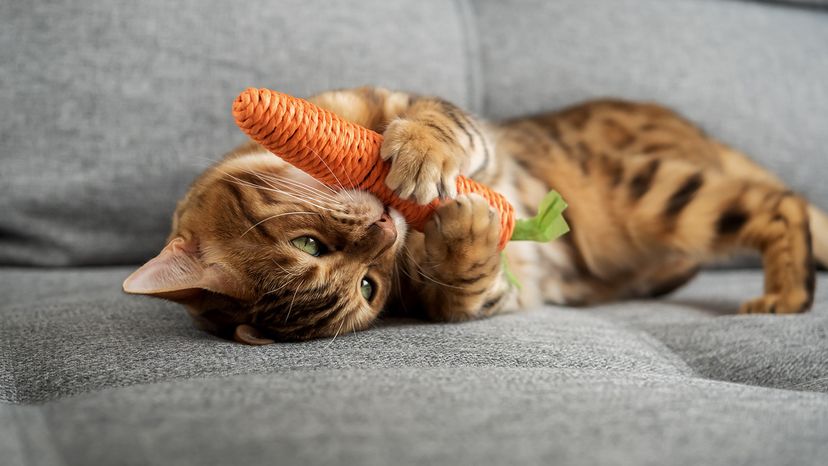
Toys keep cats busy and active. They help reduce boredom and stress. Choose toys that cats can chase, bat, or pounce on.
- Interactive feather wands
- Small balls or mice toys
- Puzzle feeders for treats
- Catnip-filled toys
- Scratching posts with toys attached
Creating Safe Spaces
Cats feel better with quiet, safe places. These spots let them hide or rest without stress. Use cozy beds or boxes in calm rooms.
Make sure these spaces are away from loud noises or busy areas. This helps reduce fear and aggressive behavior.
Regular Playtime
Daily play helps cats burn energy. Play sessions also improve your bond. Use toys that mimic prey to excite your cat.
- Set aside two 10-minute play sessions daily
- Use a variety of toys to keep interest
- Include chasing, pouncing, and jumping
- End play sessions before your cat gets tired
Optimizing Litter Boxes
Clean litter boxes prevent litter problems and stress. Cats like a quiet, private place to go. Keep boxes in low-traffic areas.
| Tip | Reason |
| Clean boxes daily | Reduces odor and keeps cat comfortable |
| One box per cat plus one extra | Prevents fights and sharing stress |
| Use unscented, clumping litter | Easy to clean and less irritating |
| Place boxes away from food and water | Maintains cat’s comfort and hygiene |
Managing Multiple Cats
Multiple cats need space and resources to avoid fights. Watch for signs of stress and separate cats if needed. Provide enough toys and resting spots.
Here are tips to manage multiple cats:
- Give each cat its own food and water bowls
- Place several litter boxes around the home
- Offer many hiding spots and beds
- Keep playtime and attention balanced
- Use pheromone diffusers to calm cats
When To Seek Professional Help
Bad behavior in cats can be confusing and stressful. Some actions need expert attention to keep your cat safe and happy.
Knowing when to ask for professional help can make a big difference. It can stop problems before they get worse.
Signs Of Medical Issues
Sometimes bad behavior means your cat is sick. Look for these signs that may need a vet visit:
- Sudden changes in eating or drinking habits
- Excessive scratching or licking
- Hiding more than usual
- Sudden aggression or irritability
- Loss of balance or coordination
Behavioral Therapy Options
Behavior therapy can help cats with ongoing bad habits. Techniques include:
- Positive reinforcement training
- Environmental enrichment like toys and climbing spaces
- Desensitization to triggers
- Clicker training
Veterinary Consultations
A vet can rule out health problems causing bad behavior. They may suggest tests or medication. Use this table to know when to visit the vet:
| Behavior Problem | Possible Cause | Vet Action |
| Sudden aggression | Pain or illness | Physical exam, pain relief |
| Urine marking | Urinary infection | Urine test, antibiotics |
| Excessive grooming | Skin allergies | Skin exam, allergy treatment |
| Hiding often | Stress or sickness | Behavior check, blood tests |
Working With Cat Behaviorists
Cat behaviorists specialize in fixing behavior problems. They use gentle methods to teach cats new habits.
Benefits of a behaviorist:
- Personalized advice for your cat
- Help with training plans
- Support for both cats and owners
- Follow-up sessions to track progress
Credit: pethelpful.com
Frequently Asked Questions
How Can I Stop My Cat From Scratching Furniture?
Provide scratching posts and trim your cat’s nails regularly. Use deterrents like double-sided tape on furniture. Reward your cat for using appropriate scratching areas to encourage good behavior.
Why Does My Cat Bite Me Unexpectedly?
Cats bite due to overstimulation, fear, or play aggression. Learn to recognize warning signs like tail flicking. Redirect their energy to toys and avoid rough play to reduce biting.
What Causes Sudden Bad Behavior In Cats?
Sudden changes may result from stress, illness, or environmental changes. Consult a vet to rule out health issues. Maintain a consistent routine to help your cat feel secure.
How Do I Train My Cat To Behave Better?
Use positive reinforcement with treats and praise. Avoid punishment as it can increase fear or aggression. Consistency and patience are key to effective cat training.
Conclusion
Dealing with bad cat behavior takes patience and care. Watch your cat closely to understand its needs. Use gentle training methods to encourage good habits. Avoid punishment, as it can cause fear and stress. Remember, every cat is different and learns at its own pace.
Stay calm and consistent to see real change. Your bond with your cat will grow stronger over time. Keep trying, and enjoy a happier, well-behaved pet at home.