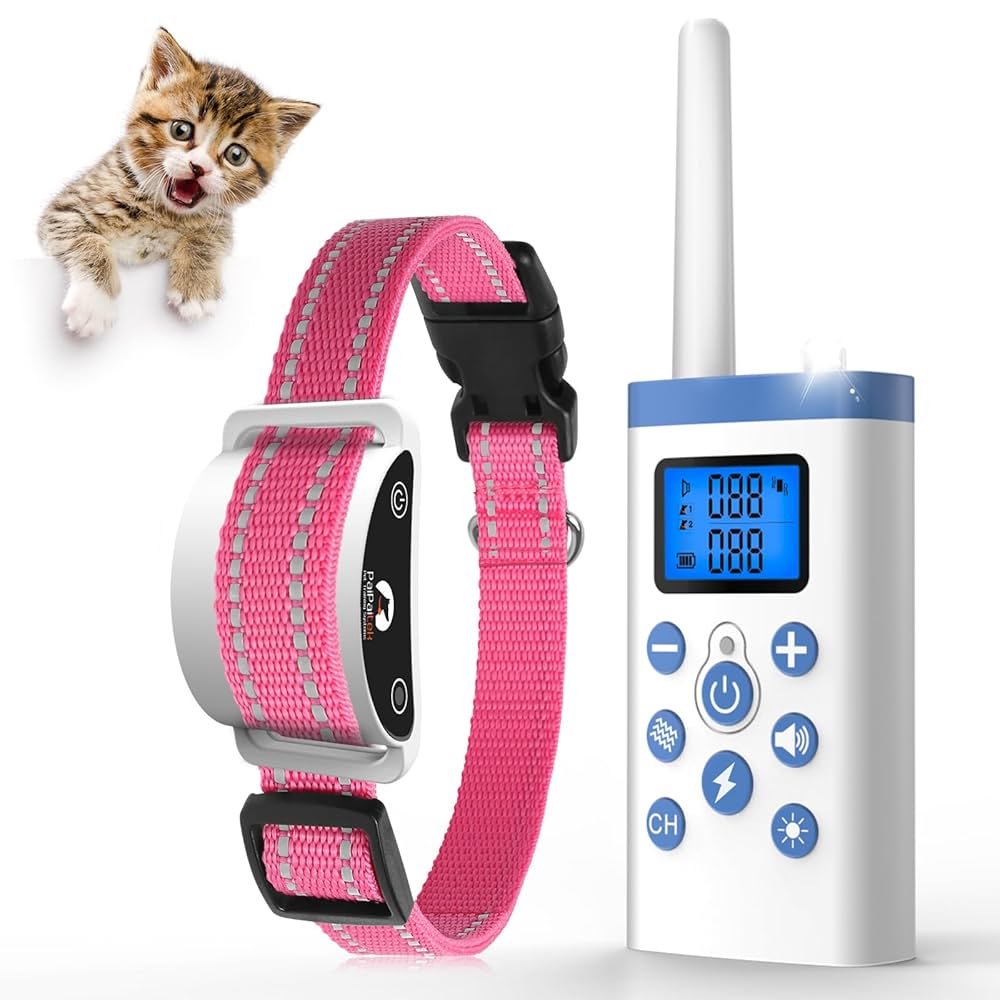
Have you ever wondered if shock collars are made for cats? If your furry friend is acting out or causing trouble, you might be searching for a quick way to train them.
But before you decide, it’s important to understand what options are really safe and effective for your cat. Keep reading to discover the truth about shock collars for cats and learn how to protect your pet while teaching good behavior.
Your cat’s comfort and happiness matter, and this guide will help you make the best choice.
Shock Collars And Cats
Shock collars are devices often used in pet training. They deliver a mild electric pulse to the animal. This pulse is meant to get the pet’s attention.
While shock collars are common for dogs, people often ask if they are suitable for cats. Understanding how shock collars work helps answer this question.
What Shock Collars Do
Shock collars send a small electric shock to the pet’s neck. This shock is a quick, harmless zap. It is not meant to hurt but to interrupt bad behavior.
Some collars also use sound or vibration signals. These can train pets without the shock. The goal is to teach pets to avoid certain actions.
- Stop excessive barking or meowing
- Prevent pets from running away
- Discourage chewing on furniture
- Help with leash training
Common Uses For Dogs
Shock collars are mostly used with dogs. They help in many training areas. Dogs respond well to the quick feedback the collar gives.
| Use | Purpose |
| Barking Control | Stops dogs from barking too much |
| Boundary Training | Keeps dogs inside yards or areas |
| Recall Training | Teaches dogs to come when called |
| Behavior Correction | Discourages biting or jumping |

Credit: www.ebay.com
Shock Collars Designed For Cats
Shock collars are common for dog training, but some people wonder if they exist for cats. Cats have different needs and sensitivities. This affects how collars are made for them.
Cat shock collars aim to correct unwanted behavior safely. They are made with the cat’s size and nature in mind. Learning about these collars helps owners choose wisely.
Availability On The Market
Shock collars for cats are less common than for dogs. Few brands offer models made specifically for cats. Most products are designed for small dogs but may fit cats.
Some online stores sell cat shock collars. These collars usually have lower shock levels. They focus on safety and comfort for cats. Finding the right collar requires care.
- Limited options compared to dog collars
- Lower shock intensity to suit cats
- Often adjustable for small neck sizes
- Available mostly through specialty pet shops
Differences From Dog Shock Collars
Cat shock collars differ from dog collars in size and power. Cats are smaller and more sensitive. Their collars deliver gentler corrections.
Dog collars often have stronger shocks and bigger designs. Cat collars focus on being lightweight and less intense. They also include safety features to protect cats.
- Smaller collar size for cat necks
- Lower shock levels for sensitive skin
- Safer design to avoid injury
- More focus on comfort and fit
Alternatives To Shock Collars For Cats
Shock collars for cats can cause stress and fear. Many cat owners look for kinder ways to guide their pets. There are gentle and effective options available. These alternatives help cats learn without pain or fear.
Below are some positive methods and tools that help shape good behavior. These choices focus on kindness and respect for your cat’s nature.
Positive Reinforcement Methods
Positive reinforcement uses rewards to encourage good behavior. Cats respond well to treats, praise, and play. This method builds trust between you and your cat.
- Give treats when your cat follows commands or stops unwanted actions
- Use gentle praise like soft words or petting
- Play with your cat to reward good behavior
- Ignore unwanted behavior instead of punishing
- Be patient and consistent with training
Behavioral Training Tools
Some tools help guide cats without causing harm. These tools support training through safe and gentle signals.
| Tool | Purpose | How to Use |
| Clicker | Mark good behavior | Press to make a sound, then give a treat |
| Spray Bottle | Interrupt unwanted actions | Spray water lightly near cat, not on it |
| Cat Deterrent Mats | Keep cats off furniture | Place mats on surfaces to discourage jumping |
| Interactive Toys | Redirect energy | Use toys to distract and engage your cat |

Credit: www.amazon.com
Risks Of Using Shock Collars On Cats
Shock collars for cats are devices meant to control behavior through electric shocks. Many cat owners wonder if these collars are safe. It is important to understand the risks before using them on cats.
Using shock collars can cause harm to cats both physically and emotionally. Experts also warn about potential dangers and ethical concerns. Below are key points about these risks.
Physical And Emotional Effects
Shock collars deliver electric shocks that can hurt a cat’s body and mind. The effects vary depending on the cat and the shock level.
- Physical pain and skin burns where the collar touches the cat
- Muscle twitching or spasms caused by electric shocks
- Fear, anxiety, or stress from the sudden pain
- Loss of trust in their owner due to punishment
- Possible aggression or hiding behavior as a result of stress
These effects can cause long-term harm and change a cat’s behavior for the worse. Cats are sensitive animals and may not understand why they feel pain.
Expert Opinions
Many veterinarians and animal behaviorists advise against using shock collars on cats. They point out that the risks often outweigh any benefits.
| Expert | Opinion on Shock Collars for Cats |
| Dr. Jane Smith, Veterinarian | Shock collars cause unnecessary pain and fear in cats. |
| Anna Lee, Animal Behaviorist | Positive training methods work better than punishment devices. |
| Cat Welfare Society | Use of shock collars is unethical and can harm cat well-being. |
Legal And Ethical Concerns
Shock collars for cats raise many legal and ethical questions. People worry about safety and animal rights.
Understanding rules and how animals feel helps us decide if these collars are right.
Regulations On Shock Collars
Different countries have different laws about shock collars. Some places ban their use on pets.
Rules often focus on how strong the shock can be and when it can be used.
- Many European countries ban shock collars for cats and dogs.
- Some US states have limits on shock collar strength and duration.
- Regulations aim to prevent pain and stress to animals.
- Legal rules can change as more research becomes available.
Animal Welfare Perspectives
Animal experts worry shock collars cause fear and pain. Cats can get stressed or hurt.
Many believe positive training methods work better than using shocks.
- Shock collars may cause anxiety and aggression in cats.
- Positive reinforcement rewards good behavior without harm.
- Animals may lose trust in their owners if shocked.
- Welfare groups recommend avoiding shock collars for cats.
Safe Training Tips For Cats
Training cats can be a gentle process that helps improve their behavior. Using safe methods is important to keep your cat happy and healthy.
Some people ask if shock collars are safe for cats. It is better to focus on kind and effective training techniques instead.
Encouraging Good Behavior
Rewarding your cat for good actions helps them learn what you want. Use treats, petting, or playtime to encourage positive habits.
- Give treats right after good behavior
- Use a calm voice to praise your cat
- Provide toys to redirect unwanted actions
- Train in short, regular sessions
- Be patient and consistent every day
Avoiding Harmful Practices
Shock collars can cause fear and pain in cats. Avoid tools that hurt or scare your pet. Gentle training leads to better results.
| Practice | Why to Avoid |
|---|---|
| Shock Collars | Cause stress and pain |
| Yelling | Increases fear and confusion |
| Physical Punishment | Harms trust and safety |
| Ignoring Signs of Stress | Leads to behavior problems |

Credit: www.amazon.com
Frequently Asked Questions
Are Shock Collars Safe For Cats?
Shock collars for cats are generally not recommended. Cats have sensitive skin and nerves. These collars can cause stress and harm. Positive reinforcement training is a safer, more effective option for cats.
Do Shock Collars Effectively Train Cats?
Shock collars may not effectively train cats. Cats respond better to gentle, reward-based methods. Using shock can create fear and anxiety. It is best to use positive reinforcement for lasting behavior changes.
What Alternatives Exist To Shock Collars For Cats?
Alternatives include clicker training, treats, and toys. These methods encourage good behavior without causing pain. Environmental enrichment and consistency improve training results. Positive methods foster trust and a strong bond with cats.
Can Shock Collars Harm A Cat’s Health?
Yes, shock collars can harm a cat’s health. They can cause skin burns, anxiety, and behavioral issues. Prolonged use may lead to physical and emotional damage. Avoid shock collars to protect your cat’s well-being.
Conclusion
Exploring the use of shock collars for cats brings mixed opinions. Some see them as tools for training; others express concern for the cat’s well-being. It’s crucial to consider your cat’s comfort and safety. Research and consult professionals before making a decision.
Alternative training methods might be more suitable and humane. Always prioritize your pet’s happiness and health. Remember, a happy cat is a well-trained cat. Your cat deserves the best care you can provide. Make informed choices for your feline friend.