Are you tired of sneezing and itchy eyes every time you’re around cats? You’re not alone.
Many cat lovers struggle with allergies but don’t want to give up having a furry friend. The good news? Some cat breeds are known to be hypoallergenic, meaning they’re less likely to trigger your allergies. You’ll discover which cats can bring joy to your home without the sniffles.
Keep reading to find the perfect match for you and your family.

Credit: www.thepioneerwoman.com
Hypoallergenic Cats Explained
Many people love cats but suffer from allergies. Some cat breeds cause fewer allergic reactions. These cats are called hypoallergenic.
Hypoallergenic cats produce fewer allergens. This makes them better for allergy sufferers. Let’s learn more about what makes cats hypoallergenic.
What Makes Cats Hypoallergenic
Hypoallergenic cats produce less of the proteins that cause allergies. They may also shed less fur and dander. Less fur means fewer allergens spread in the air.
Some breeds have special coats that trap allergens. This helps keep allergens from spreading. Grooming also plays a role in reducing allergens on cats.
- Lower production of allergen proteins
- Less shedding of fur and dander
- Coats that trap allergens
- Regular grooming to reduce allergens
Common Allergens In Cats
The main allergen in cats is a protein called Fel d 1. It is found in cat saliva, skin, and fur. When cats groom themselves, the allergen spreads on their fur.
Cat allergens can cause sneezing, itchy eyes, and breathing problems. These allergens stick to furniture, clothes, and air. This makes allergies hard to avoid.
- Fel d 1 protein from saliva and skin
- Allergens spread through fur and dander
- Allergens stick to furniture and clothes
- Cause sneezing, itching, and breathing issues
Top Hypoallergenic Cat Breeds
Some cat breeds produce fewer allergens than others. These cats are better for people with allergies.
Hypoallergenic cats still cause some allergies, but they are less likely to trigger symptoms.
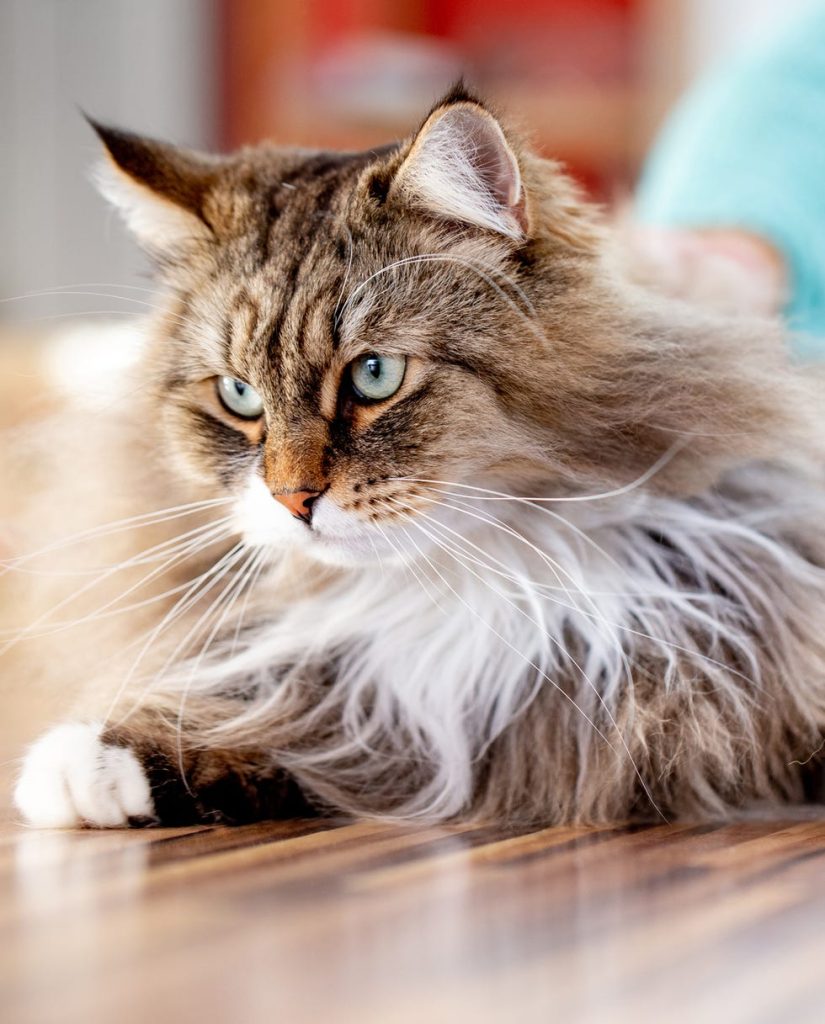
Siberian Cats
Siberian cats have thick fur but produce less of the Fel d 1 protein. This protein causes most cat allergies.
Many allergy sufferers find Siberians easier to live with. They are friendly and playful pets.
Balinese Cats
Balinese cats are like Siamese cats with longer hair. They produce fewer allergens in their saliva.
Their coat needs regular grooming but they are known to be gentle and intelligent.
Russian Blue Cats
Russian Blues have dense double coats that trap allergens. They produce less Fel d 1 protein.
They are quiet, shy cats that bond closely with their owners.
Sphynx Cats
Sphynx cats have no fur, so allergens do not stick to hair. They need frequent baths to remove oils.
They are active, curious, and love attention from people.
Devon Rex Cats
Devon Rex cats have short, curly coats that shed less hair and dander. This reduces allergens in the home.
They enjoy playing and are very social with families.
Cornish Rex Cats
Cornish Rex cats have soft, wavy fur that does not trap much dander. They shed very little.
These cats are energetic and love to climb and explore.
Bengal Cats
Bengal cats have short coats that shed less than average cats. Their fur is easy to care for.
They are strong, playful, and enjoy interactive toys.
Traits Of Allergy-friendly Cats
Many people love cats but suffer from allergies. Some cat breeds are easier to live with for allergy sufferers. These cats have special traits that cause fewer allergic reactions.
Understanding these traits helps you choose a cat that fits your home. Two main factors affect cat allergies: coat type and proteins in saliva.
Coat Type And Shedding
Allergy-friendly cats often have coats that shed less. Less shedding means fewer allergens spread around the house. Some breeds have hair that grows continuously or is curly.
These coat types trap allergens better or release fewer dander flakes. Cats with short, fine hair may also cause fewer allergies. Regular grooming helps reduce loose hair and dander.
- Sphynx cats have no fur, reducing dander spread
- Devon Rex cats have soft, curly coats that shed little
- Bengal cats have short, dense fur that sheds less
- Russian Blue cats have a dense double coat with less shedding
Saliva And Protein Levels
Cat allergies come from proteins in saliva and skin oils. When cats groom, these proteins get on their fur and skin. Some breeds produce lower levels of these proteins.
Lower protein levels mean fewer allergy triggers. People with allergies often react less to these cats. No cat is fully hypoallergenic, but some cause fewer symptoms.
- Siberian cats produce less Fel d 1 protein, a common allergen
- Balinese cats have lower saliva protein levels
- Oriental Shorthairs produce fewer allergenic proteins
- Javanese cats also show reduced allergen production

Credit: www.thepioneerwoman.com
Living With Hypoallergenic Cats
Many people love cats but suffer from allergies. Hypoallergenic cats cause fewer allergy problems. These cats produce less of the proteins that trigger allergies.
Living with hypoallergenic cats can improve your comfort. It lets you enjoy a pet without constant sneezing or itching.
Managing Allergies At Home
Keep your cat out of bedrooms to reduce allergy exposure. Use air purifiers to clean the air. Washing your hands after petting helps too.
Regular grooming of your cat can lower allergens. Brush your cat outside to avoid spreading allergens indoors.
- Limit cat access to certain rooms
- Use HEPA air filters in main living areas
- Wash hands after touching your cat
- Brush your cat outdoors weekly
Cleaning Tips To Reduce Allergens
Clean your home often to remove cat allergens. Vacuum carpets and furniture with a HEPA vacuum cleaner. Wash pet bedding regularly in hot water.
Dust surfaces with a damp cloth to avoid spreading allergens in the air. Keep floors clear of clutter to make cleaning easier.
- Vacuum floors and upholstery twice a week
- Wash cat bedding weekly with hot water
- Use damp cloths for dusting
- Keep floors free from dust and hair
Choosing The Right Cat Breed
Choosing a cat breed that suits your lifestyle and allergy needs is important. Some cats cause fewer allergy problems than others. Understanding your allergy sensitivity helps in making a good choice.
Also, knowing where to adopt or buy your cat is key. Good breeders and adoption centers ensure healthy cats and guide you about allergies.
Assessing Your Allergy Sensitivity
Allergies vary from person to person. Knowing how sensitive you are will help pick the right cat breed. Some breeds produce fewer allergens. Others shed less fur, which lowers allergy risks.
- Visit friends with different cat breeds to test your reaction
- Consider allergy tests done by a doctor
- Spend time in shelters with cats to observe symptoms
- Keep track of how your body reacts to cats over time
Adoption And Breeder Considerations
Choosing where to get your cat matters. Reputable breeders and shelters provide healthy cats and clear allergy information. They can also help you pick breeds less likely to cause allergies.
| Source | What to Check | Benefits |
| Animal Shelters | Cat health and behavior | Support rescue and adoption |
| Reputable Breeders | Breeding history and cat health | Know breed traits and allergy info |
| Pet Stores | Source of cats and health records | Less control over breed and history |

Credit: www.thepioneerwoman.com
Frequently Asked Questions
What Does Hypoallergenic Mean For Cat Breeds?
Hypoallergenic cats produce fewer allergens than typical cats. They shed less dander, reducing allergic reactions in sensitive people. No cat is completely allergen-free, but hypoallergenic breeds minimize symptoms effectively.
Which Cat Breeds Are Considered Hypoallergenic?
Popular hypoallergenic breeds include Siberian, Balinese, Devon Rex, and Cornish Rex. These cats produce fewer Fel d 1 proteins, the main allergen. Their unique coats help lower allergen spread.
Are Hypoallergenic Cats Completely Allergy-free?
No, hypoallergenic cats still produce some allergens. They just have lower allergen levels, reducing allergy symptoms. People with severe allergies should spend time with the breed before adoption.
How Do Hypoallergenic Cats Reduce Allergic Reactions?
These cats have less dander and produce fewer allergenic proteins. Their coats shed minimally, limiting allergen spread in the home. Regular grooming also helps control allergens effectively.
Conclusion
Choosing a hypoallergenic cat breed can be a thoughtful decision. Consider your lifestyle and allergy sensitivity. Some breeds produce fewer allergens. Cats like the Siberian, Balinese, or Bengal might suit you. Spend time with different breeds to see your reaction.
Each cat has a unique personality. Remember, no cat is completely allergen-free. Proper grooming and cleaning help reduce allergens. Your ideal feline companion awaits. Enjoy the journey of finding a new furry friend. Your home can be allergy-friendly and filled with love.
Embrace the joy of having a pet, even with allergies.