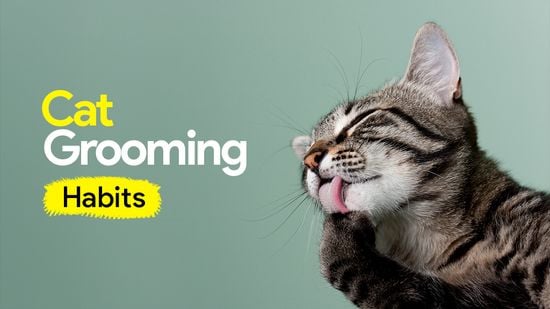
Are you wondering how often you should groom your cat to keep them happy and healthy? Grooming isn’t just about making your furry friend look good—it plays a big role in their comfort and well-being.
But with so many different cat breeds and personalities, figuring out the right grooming routine can be confusing. You’ll discover simple tips tailored just for your cat’s needs, helping you avoid common mistakes and strengthen your bond. Keep reading to find out exactly how often you should groom your cat and why it matters more than you might think.
Grooming Basics For Cats
Grooming your cat keeps them clean and healthy. It also helps you check for skin problems or fleas.
How often you groom your cat depends on their fur type and lifestyle. Regular care makes your cat comfortable.
Importance Of Regular Grooming
Regular grooming stops mats and tangles in your cat’s fur. It also reduces shedding around the house.
Grooming helps spread natural oils in the fur. This keeps your cat’s coat shiny and soft.
Grooming time lets you bond with your cat. It can make your cat feel calm and happy.
Tools Needed For Grooming
You need the right tools to groom your cat well. Different fur types need different brushes and combs.
- A soft-bristle brush for short-haired cats
- A wide-tooth comb for long-haired cats
- A flea comb to check for pests
- Cat-friendly nail clippers
- Grooming wipes for quick cleanups
Use tools gently to avoid hurting your cat. Clean your grooming tools regularly to keep them safe.

Credit: www.purina.com
Factors Influencing Grooming Frequency
Grooming your cat keeps its coat clean and healthy. How often you groom depends on several factors. These include your cat’s breed, age, and lifestyle.
Understanding these factors helps you choose the right grooming routine. This ensures your cat stays comfortable and well cared for.
Breed And Coat Type
Different breeds have different coats. Some have short hair, while others have long or curly fur. Coat type affects how often you should groom your cat.
- Long-haired cats need daily brushing to prevent mats.
- Short-haired cats may only need grooming once a week.
- Cats with curly or dense coats might need special grooming tools.
Age And Health Conditions
Older cats or those with health problems may need extra care. They might groom less often and need help staying clean.
| Age or Condition | Grooming Needs |
| Kittens | Gentle grooming to get used to brushes |
| Adult cats | Regular grooming based on coat type |
| Senior cats | More frequent grooming to assist with shedding |
| Health issues (e.g. arthritis) | Help with grooming and checking skin |
Indoor Vs Outdoor Cats
Indoor cats usually stay cleaner than outdoor cats. Outdoor cats may get dirt and debris in their fur.
Outdoor cats often need grooming more often. You can check for:
- Dirt or mud in the fur
- Tangled or matted hair
- Ticks or fleas
- Signs of injuries or skin problems
Recommended Grooming Schedules
Grooming helps keep your cat clean and healthy. Different cats need different grooming routines.
Knowing how often to groom your cat can prevent problems like mats and hairballs.
Short-haired Cats
Short-haired cats need less grooming than long-haired cats. Brush them once a week.
Weekly brushing removes loose hair and reduces shedding. It also helps check for skin issues.
- Brush 1 time per week
- Use a soft-bristle brush or grooming glove
- Check ears and teeth regularly
Long-haired Cats
Long-haired cats need more grooming to avoid mats. Brush them at least 3 times a week.
Daily brushing is best during shedding season. It helps keep their coat smooth and clean.
- Brush 3 to 7 times per week
- Use a wide-toothed comb and slicker brush
- Trim mats carefully if needed
Kittens And Senior Cats
Kittens need gentle grooming to get used to it. Brush them 2 to 3 times per week.
Senior cats may groom less. Help them by brushing 2 to 4 times a week to keep fur healthy.
- Kittens: Brush 2 to 3 times weekly
- Senior cats: Brush 2 to 4 times weekly
- Use soft brushes for sensitive skin
Step-by-step Grooming Routine
Grooming your cat regularly keeps them clean and healthy. It also helps reduce hairballs and matting. Follow these steps for an easy routine.
Each cat needs grooming based on its coat and habits. Use gentle techniques to make grooming a positive time.
Brushing Techniques
Brush your cat’s fur to remove loose hair and dirt. Choose a brush that suits your cat’s coat type.
Start brushing gently from the head to the tail. Use long strokes and be careful around sensitive areas.
- Short-haired cats: Brush once a week
- Long-haired cats: Brush 2-3 times a week
- Use a slicker brush for tangles
- Check for mats and remove gently
Bathing Tips
Bathe your cat only when necessary, like if they are very dirty or have fleas. Use cat-safe shampoo to avoid skin irritation.
Fill a sink with a few inches of warm water. Wet your cat slowly and apply shampoo carefully. Rinse well to remove all soap.
- Brush before bathing to remove loose hair
- Use a towel to dry your cat afterward
- Keep baths short to reduce stress
- Never use human shampoo on cats
Nail Trimming And Ear Cleaning
Trim your cat’s nails every two to four weeks. Use cat nail clippers and avoid cutting the quick, the pink area inside the nail.
Check your cat’s ears weekly for dirt or wax. Use a soft cloth or cotton ball with a vet-approved ear cleaner. Never insert anything deep into the ear canal.
- Hold the paw gently to trim nails
- Cut only the sharp tip of the nail
- Wipe outer ear carefully to clean
- Watch for signs of infection or smell
Signs Your Cat Needs Extra Grooming
Grooming your cat helps keep its coat clean and healthy. Some cats need more grooming than others. Watch for signs that your cat needs extra care.
Noticing these signs early can prevent health problems. Pay attention to your cat’s coat, skin, and behavior.
Matting And Hairballs
Matting happens when your cat’s fur tangles and forms clumps. It can be painful and trap dirt. Hairballs form when cats swallow loose fur while grooming themselves.
Frequent hairballs or visible mats mean your cat needs more brushing. Regular grooming helps remove loose fur and stops mats from forming.
- Check for tangled or clumpy fur
- Look for frequent coughing or hairballs
- Brush your cat gently but often
Skin Issues
Dry, flaky, or red skin shows your cat may need extra grooming. Dirt and oil buildup can cause skin problems. Grooming helps clean and spread natural oils.
Look for bald patches or scabs. These can mean your cat is uncomfortable or has an infection. Grooming can help spot these issues early.
- Check for redness or irritation
- Look for dandruff or flakes
- Notice any scabs or hair loss
Behavioral Changes
Your cat’s behavior can show if it needs more grooming. If your cat hides, scratches, or grooms too much, it might be uncomfortable. Grooming helps your cat feel better.
Watch for changes in activity or mood. Grooming sessions can be calming and reduce stress for your cat.
- Hiding more than usual
- Excessive scratching or licking
- Less playful or active
- Restlessness during grooming
Professional Grooming Services
Grooming your cat regularly is important for their health and comfort. Professional groomers can help keep your cat clean and happy.
They know how to handle different cat breeds and can manage grooming safely and effectively.
When To Seek Expert Help
Some cats need more care than owners can provide at home. Professional groomers can help with these special needs.
Look for expert help if your cat has matted fur, skin problems, or if they become very stressed during grooming.
- Severe mats that you cannot remove safely
- Excessive shedding or hairballs
- Skin irritations or infections
- Long-haired cats needing regular trims
- Cats that resist grooming at home
Choosing A Groomer
Pick a groomer who has experience with cats. Not all groomers handle cats well.
Check for clean facilities and gentle care. Ask about their tools and methods.
- Look for positive reviews from cat owners
- Visit the grooming salon before booking
- Ask about grooming services offered
- Ensure the groomer is patient and calm with cats
- Confirm they handle emergencies safely
Maintaining Grooming Between Sessions
Grooming your cat regularly keeps their coat clean and healthy. It also helps prevent hairballs and mats.
Between grooming sessions, you can do simple care routines to keep your cat comfortable and tidy.
Daily Care Tips
Brushing your cat daily removes loose hair and dirt. Use a brush that suits your cat’s fur type.
Check your cat’s skin for any bumps or irritation while grooming. Clean their eyes and ears gently if needed.
- Brush your cat for 5 to 10 minutes each day
- Use a soft brush for short hair and a comb for long hair
- Wipe eyes and ears with a damp cloth
- Trim nails if your cat allows it
Dealing With Shedding
Shedding happens more in some seasons. Brushing often helps control loose hair around your home.
Use a de-shedding tool to reach undercoat hair. This helps reduce hairballs and keeps fur smooth.
- Brush your cat more during heavy shedding times
- Use a de-shedding brush or grooming glove
- Keep your cat hydrated to support healthy skin
- Vacuum regularly to clean shed hair from floors

Credit: www.reddit.com

Credit: www.reddit.com
Frequently Asked Questions
How Often Should I Groom My Cat?
Most cats benefit from grooming once or twice a week. Long-haired breeds may need daily brushing. Regular grooming prevents mats and reduces shedding, keeping your cat healthy and comfortable.
Does Grooming Reduce Cat Hair Around The House?
Yes, regular grooming significantly reduces loose fur. Brushing your cat removes dead hair before it falls off. This helps keep your home cleaner and lowers allergens.
Can Grooming Improve My Cat’s Health?
Absolutely. Grooming stimulates blood flow and checks for skin issues. It helps detect parasites, wounds, or infections early. Regular grooming supports your cat’s overall well-being.
What Tools Do I Need For Cat Grooming?
A slicker brush, comb, and nail clippers are essential. Choose tools based on your cat’s fur type. Proper tools make grooming easier and more effective.
Conclusion
Grooming your cat keeps it healthy and happy. Regular brushing prevents tangles and reduces shedding. Check ears and nails during grooming sessions too. Short-haired cats need less grooming than long-haired ones. Observe your cat’s needs and adjust the grooming schedule.
A clean coat means a happy cat. Keep grooming a positive experience. Use treats and gentle words. Your cat will enjoy the attention. Consistent grooming builds a strong bond between you and your pet.