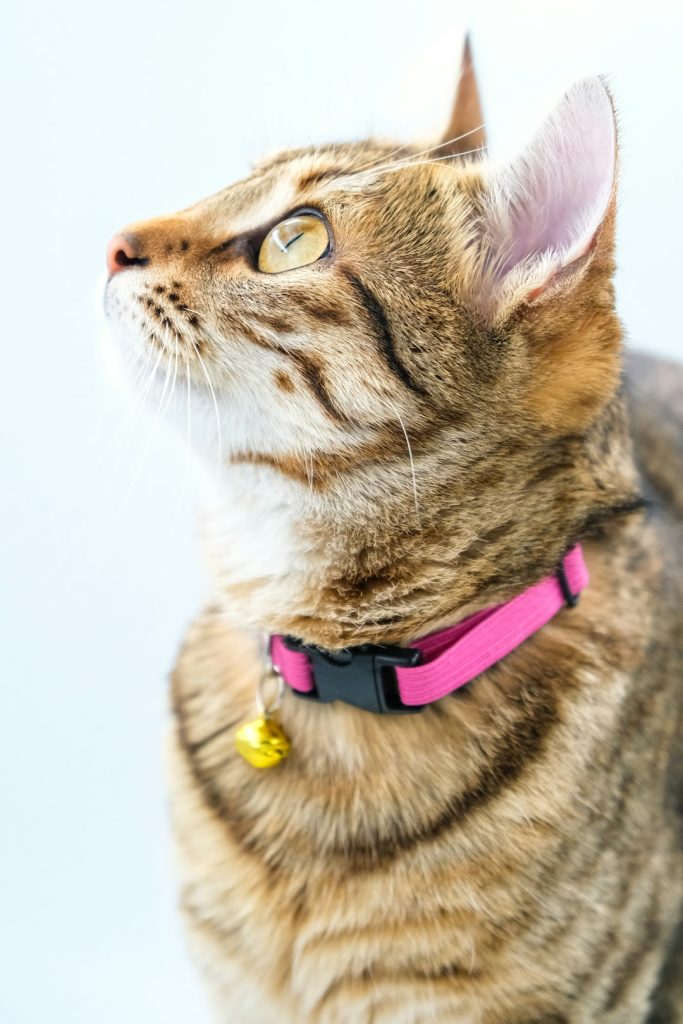
Are you worried about fleas bothering your cat? Flea collars are a popular choice for many pet owners, but do they really work?
If you want to protect your furry friend without wasting money or time, it’s important to understand how effective flea collars are. Keep reading to discover the truth about flea collars, how they work, and whether they are the right solution for your cat’s flea problem.
Your cat’s comfort and health depend on it.
How Flea Collars Work
Flea collars help control fleas on cats by releasing chemicals. These chemicals target fleas to kill or repel them.
Understanding how flea collars work helps pet owners choose the best option for their cats.
Active Ingredients In Flea Collars
Flea collars contain different active ingredients. Each ingredient works to stop fleas in its own way.
- Pyrethroids: These kill fleas by targeting their nervous system.
- Insect Growth Regulators (IGRs): These stop flea eggs and larvae from growing.
- Imidacloprid: A chemical that kills adult fleas quickly.
- Flumethrin: A substance that repels and kills ticks and fleas.
Mechanism Of Action
Flea collars release active ingredients slowly over time. These chemicals spread around the cat’s neck and body.
The ingredients either kill fleas when they bite the cat or stop fleas from growing and multiplying.
Types Of Flea Collars
| Type | Description | Duration |
| Chemical Flea Collars | Contain insecticides that kill fleas on contact. | Up to 8 months |
| Natural Flea Collars | Use essential oils to repel fleas without chemicals. | 1 to 3 months |
| Combination Flea Collars | Mix insecticides and repellents for wider protection. | Up to 6 months |

Credit: www.amazon.com
Effectiveness For Cats
Flea collars are a common choice to protect cats from fleas. Their effectiveness varies depending on the type and the cat’s behavior. Understanding how well these collars work helps in choosing the right flea control method.
This article reviews the efficacy of flea collars for cats, the protection duration, and the challenges faced while using them.
Efficacy Against Fleas
Flea collars release chemicals that repel or kill fleas on cats. Some collars use natural oils, while others have insecticides. Their ability to kill fleas depends on the collar’s design and ingredients.
- Kill adult fleas on contact
- Prevent flea eggs from hatching
- Reduce flea bites and irritation
- May not reach fleas in hard-to-reach areas like under the fur
Duration Of Protection
| Type of Collar | Protection Duration |
|---|---|
| Standard insecticide collar | Up to 8 months |
| Natural oil collar | 2 to 3 months |
| Water-resistant collar | 4 to 6 months |
Duration varies by collar type and exposure to water or dirt. Some collars lose effectiveness faster if wet or dirty.
Limitations And Challenges
Flea collars have some limits:
- Some cats may not tolerate wearing a collar.
- Collars might not cover all flea-prone areas.
- Risk of skin irritation or allergic reactions.
- Less effective if fleas are resistant to the chemicals.
- They do not prevent other parasites like ticks or mites always.
Safety Concerns
Flea collars are a common choice to protect cats from fleas. It is important to understand safety concerns before using them. This helps keep cats healthy and safe.
Knowing how flea collars work and their possible effects can prevent problems. Always use flea collars carefully and follow guidelines.
Potential Side Effects
Flea collars may cause side effects in some cats. Common issues include skin irritation or allergic reactions. Watch your cat closely after putting on a collar.
- Redness or swelling on the neck
- Excessive scratching or grooming
- Hair loss around the collar area
- Unusual behavior or lethargy
Risks For Sensitive Cats
Sensitive cats may react more to flea collars. Cats with skin problems or allergies need extra care. Some cats can be harmed by the chemicals in the collars.
| Risk Factor | Description | Precaution |
| Skin Sensitivity | May cause rashes or sores | Use hypoallergenic collars |
| Allergic Reactions | Swelling, itching, or breathing trouble | Consult vet before use |
| Age or Health Condition | Young or sick cats are vulnerable | Avoid collars, choose safer options |
Proper Usage Guidelines
Using flea collars correctly reduces risks. Always read and follow the instructions on the package. Remove the collar if your cat shows signs of trouble.
- Measure your cat’s neck for the right fit
- Check collar regularly for wear and tightness
- Keep the collar away from your cat’s eyes and mouth
- Replace the collar as recommended by the manufacturer
- Watch your cat daily for any side effects
- Remove the collar before bathing your cat
Alternatives To Flea Collars
Flea collars are a common choice for cats, but some cats may not react well to them. There are other ways to protect your cat from fleas. These options can be safer and more effective for many pets.
Below are some popular alternatives to flea collars. Each type works differently to keep fleas away from your cat.
Topical Treatments
Topical treatments are liquids applied directly to the cat’s skin. They usually go on the back of the neck. This keeps cats from licking the medicine off.
These treatments kill fleas quickly and often protect for a month. They also stop flea eggs from hatching.
- Easy to apply once a month
- Works fast against fleas
- Prevents flea eggs and larvae
- Some brands also protect against ticks
Oral Medications
Oral medications come as pills or chewables for cats. Your vet will give the right dose based on your cat’s weight.
These medicines kill adult fleas and stop new fleas from growing. Some work within hours and last for a month or more.
- Easy to give with food
- Kills fleas quickly
- Protects for several weeks
- May also help with other parasites
Natural Remedies
Natural remedies use plants or safe ingredients to repel fleas. They are gentle and often safer for sensitive cats.
These options may not kill fleas but can keep them away. They work well combined with cleaning and regular grooming.
- Use essential oils like lavender or cedar (diluted)
- Give regular baths with mild flea shampoos
- Brush your cat often to remove fleas
- Keep your home clean by vacuuming and washing bedding
Tips For Choosing The Right Flea Collar
Flea collars can help protect your cat from fleas. Picking the right one is important for safety and effectiveness.
Not all flea collars work the same way. Some fit better or last longer. Learn what to check before buying.
Factors To Consider
Size matters when choosing a flea collar. It should fit your cat’s neck comfortably, not too tight or loose.
Look for collars that last long and resist water. This keeps your cat protected even if it gets wet.
- Choose the right size for your cat’s neck
- Check how long the collar protects
- Find collars that are water-resistant
- Avoid collars with strong smells
Reading Labels And Ingredients
Check the label for active ingredients. Some chemicals can harm cats, so read carefully.
Natural ingredients may be safer but might not work as well. Know what each ingredient does.
- Look for safe, cat-friendly chemicals
- Avoid toxic substances like organophosphates
- Note how long the collar’s effect lasts
- Follow instructions exactly
Consulting Your Veterinarian
Your vet knows what flea treatments work best. Ask them before buying any flea collar.
Tell your vet if your cat has allergies or health problems. This helps avoid bad reactions.
- Discuss flea collars with your vet
- Report any allergies or health issues
- Follow vet’s advice on flea prevention
- Ask about combining collars with other treatments
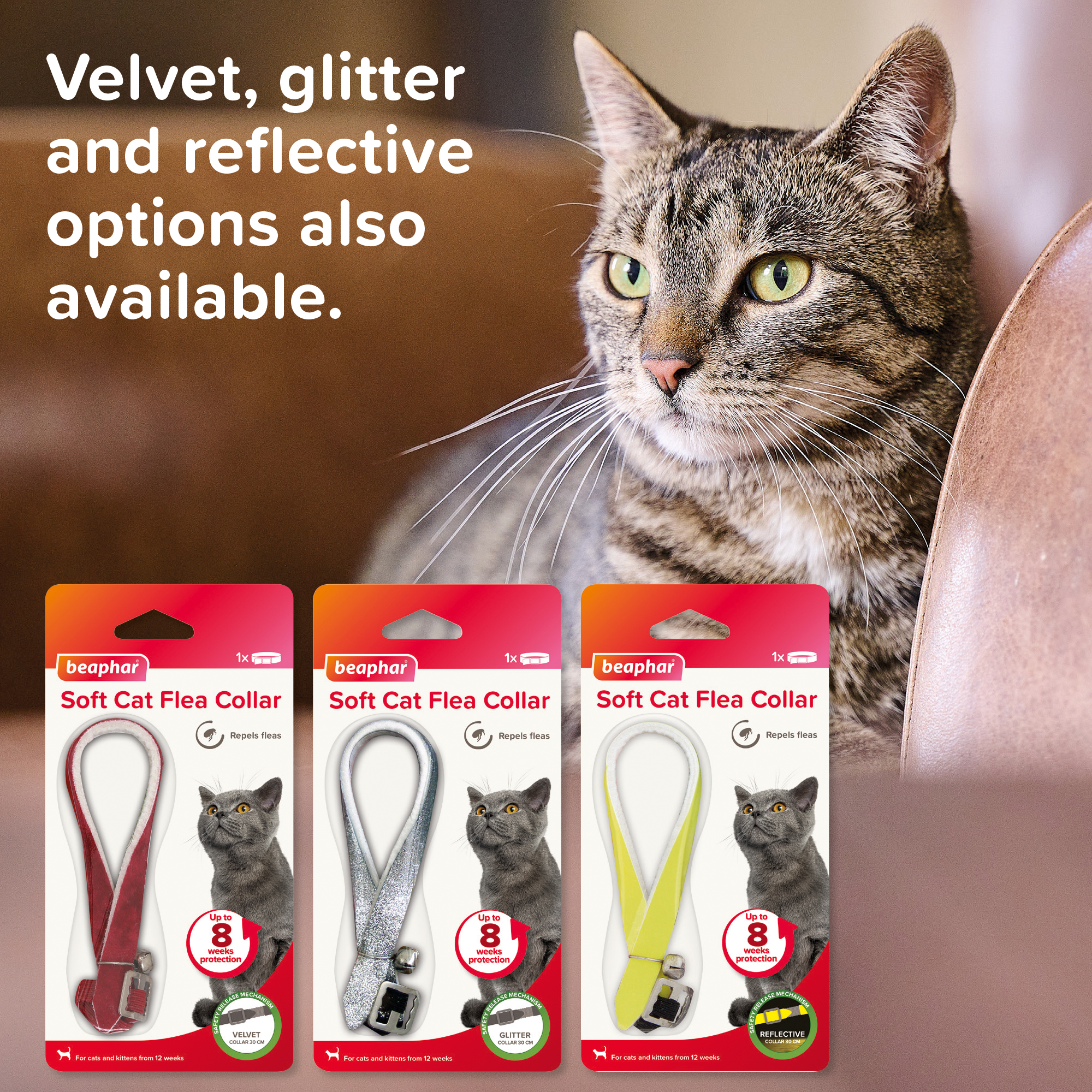
Credit: www.beaphar.co.uk

Credit: www.hartz.com
Frequently Asked Questions
Are Flea Collars Safe For Cats?
Flea collars are generally safe for cats when used correctly. Always choose collars made specifically for cats. Avoid collars with strong chemicals for kittens or sensitive cats. Monitor your cat for any allergic reactions or discomfort after applying the collar.
How Effective Are Flea Collars For Cats?
Flea collars can be effective in repelling and killing fleas. Their effectiveness depends on the brand, ingredients, and proper usage. Some collars offer up to 8 months of protection. However, severe infestations may require additional treatments.
Can Flea Collars Prevent Flea Infestations?
Yes, flea collars help prevent infestations by repelling fleas before they bite. Regular use can reduce flea populations on cats. Combine collars with proper home cleaning for best results. Prevention is key to keeping your cat flea-free.
How Often Should I Replace My Cat’s Flea Collar?
Most flea collars should be replaced every 6 to 8 months. Check the product instructions for specific duration. Replace the collar sooner if it becomes damaged or loses effectiveness. Regular replacement ensures continuous flea protection.
Conclusion
Flea collars can help protect cats from fleas. They are convenient and easy to use. But they may not work for all cats. Some cats might be allergic. Always check for reactions. Consider your cat’s habits and environment. Talk to your vet for the best advice.
Remember, each cat is unique. What works for one might not work for another. Regular checks and care are essential. Flea control needs a complete approach. A clean home and healthy cat make a good team. Keep your cat happy and flea-free.