
Have you ever felt the thrill of coming face to face with a big cat? These powerful creatures capture our imagination like nothing else.
Whether it’s their sleek movements, intense eyes, or raw strength, big cats have a way of grabbing your attention and holding it. You’ll discover fascinating facts, surprising secrets, and why these majestic animals matter more than you might think. Get ready to see big cats in a whole new light.
Your curiosity is about to pay off.
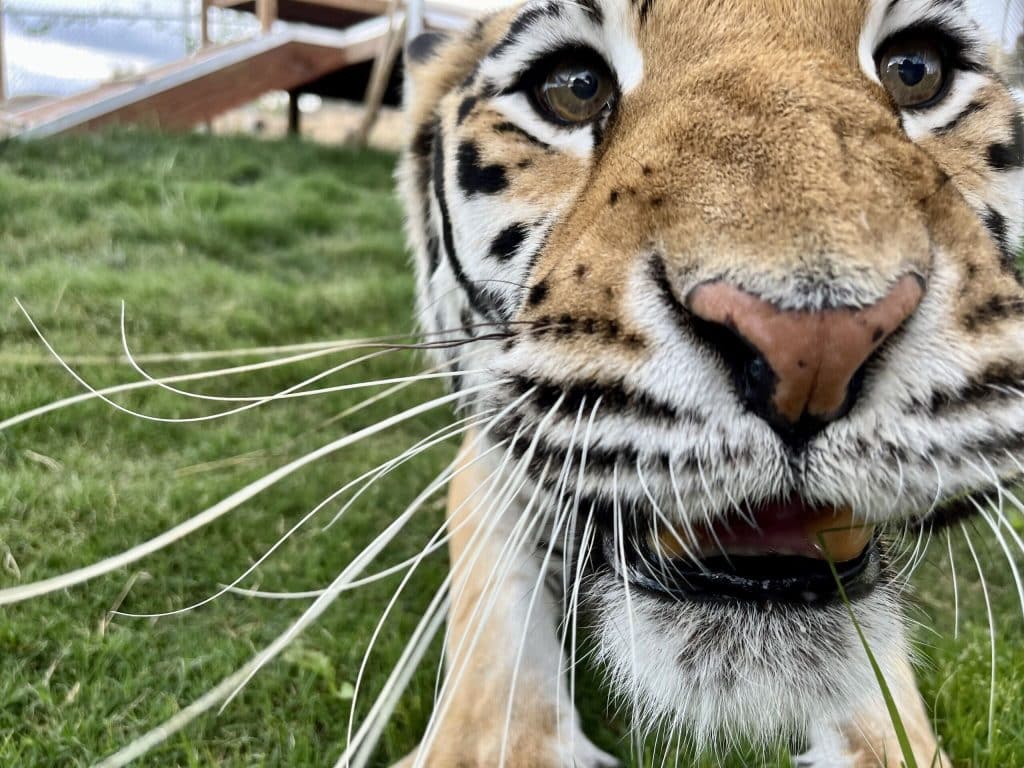
Credit: www.lionstigersandbears.org
The World Of Big Cats
Big cats are among the most powerful and beautiful animals on Earth. They belong to the Panthera genus and include lions, tigers, leopards, and jaguars.
These animals play a key role in many ecosystems. They are strong hunters and help keep animal populations balanced.
Types Of Big Cats
The big cats include several species. Each has unique features and habitats. Here are the main types of big cats:
- Lion:Known as the “king of the jungle,” lions live mostly in African savannas.
- Tiger:The largest big cat, found mainly in Asia’s forests and grasslands.
- Leopard:A spotted cat that adapts to many environments, from rainforests to deserts.
- Jaguar:Found in the Americas, jaguars have a strong build and live in rainforests.
- Snow Leopard:Lives in cold mountain ranges in Central Asia.
Habitat And Distribution
Big cats live in many parts of the world. Their habitats range from dry deserts to dense forests. Each species has a different home area.
| Big Cat | Primary Habitat | Location |
| Lion | Grasslands, Savannahs | Africa |
| Tiger | Tropical Forests, Grasslands | Asia |
| Leopard | Various (Forests, Deserts) | Africa, Asia |
| Jaguar | Rainforests, Wetlands | Central and South America |
| Snow Leopard | Mountain Ranges | Central Asia |
Physical Traits And Adaptations
Big cats have special body traits that help them survive. Their physical features support hunting and living in the wild.
These adaptations make them strong hunters and skilled at staying hidden. Each trait helps them catch prey and avoid danger.
Size And Strength
Big cats are large and powerful animals. Their muscles give them strength to take down prey much bigger than themselves.
Strong legs help them run fast and jump far. Their sharp claws and teeth are tools to catch and hold prey tightly.
- Large body size for power and presence
- Strong muscles for running and pouncing
- Sharp claws to grip and climb
- Powerful jaws with sharp teeth
Senses And Hunting Skills
Big cats have sharp senses that help them find prey. Their eyes can see well in low light for night hunting.
They use keen hearing to detect sounds from far away. Their sense of smell helps track animals hiding nearby.
- Excellent night vision for hunting in darkness
- Acute hearing to detect small movements
- Strong sense of smell to follow prey trails
- Quiet movements to sneak up on prey
Camouflage And Stealth
Big cats use camouflage to blend into their environment. Their fur colors and patterns match the places they live.
They move slowly and quietly to avoid being seen. This stealth helps them get close to prey before attacking.
- Fur colors match grass, trees, or rocks
- Spots, stripes, or plain coats for blending
- Soft paws to walk without noise
- Slow, careful steps to avoid detection
Behavior And Social Life
Big cats are powerful animals with unique behaviors. They live mostly alone and have clear social habits.
Understanding their behavior helps us learn how they survive and interact in the wild.
Territorial Habits
Big cats mark their territory to keep other animals away. They use scent marks from glands on their bodies.
They patrol their area and defend it from intruders. Each cat’s territory size depends on food and water availability.
- Mark territory with urine and scratches
- Use loud roars to warn others
- Defend territory aggressively if needed
- Territory size can vary from a few square miles to hundreds
Communication Methods
Big cats communicate using sounds, scents, and body language. Each way helps them share information clearly.
They roar to show strength and warn rivals. Scent marks tell others about their presence and mood.
- Roaring to warn or attract mates
- Growling or hissing when angry
- Body postures show submission or threat
- Using scent marks for territory and identity
Mating And Raising Cubs
Big cats usually meet only to mate. After mating, the female raises the cubs alone.
The mother hides her cubs in safe places. She teaches them to hunt and protect themselves.
- Females care for cubs without help
- Cubs stay with mother for months
- Mother teaches hunting skills
- Cubs learn social behavior from mother

Credit: wildcatconservation.org
Role In The Ecosystem
Big cats play an important role in nature. They help keep the ecosystem balanced. Their presence affects many animals and plants.
These large predators control the number of prey animals. This control helps maintain healthy populations and habitats.
Predator-prey Dynamics
Big cats hunt herbivores like deer and wild pigs. This hunting keeps prey populations from growing too large. It stops overgrazing of plants.
When prey numbers drop, predators also reduce in number. This natural cycle helps keep balance in the food chain.
- Big cats prevent prey overpopulation
- They reduce damage to vegetation
- They help maintain healthy animal communities
Impact On Biodiversity
Big cats support biodiversity by controlling species numbers. They stop any one species from taking over the area.
Healthy big cat populations lead to more variety in plants and animals. This variety strengthens the ecosystem’s health.
- Promote a mix of different animal species
- Help plants grow by controlling herbivores
- Keep the ecosystem stable and diverse
Threats To Survival
Big cats face many dangers that put their survival at risk. These threats come from changes in their environment and human actions.
Understanding these threats helps us see why protecting big cats is very important for nature.
Habitat Loss
Big cats need large areas to live and hunt. When forests are cut down or land is changed for farming, their homes shrink.
Loss of habitat makes it hard for big cats to find food and safe places to raise their young.
Poaching And Illegal Trade
Hunters kill big cats for their skins, bones, and other body parts. These items sell for high prices illegally.
- Skins are used for decoration and clothing.
- Bones are used in traditional medicines.
- Other parts are collected as trophies.
Human-wildlife Conflict
Big cats sometimes attack livestock. This causes farmers to harm or kill the cats to protect their animals.
| Conflict Cause | Effect on Big Cats |
|---|---|
| Livestock attacks | Retaliation by farmers |
| Encroachment into wild areas | Loss of hunting grounds |
| Road accidents | Injury or death of animals |
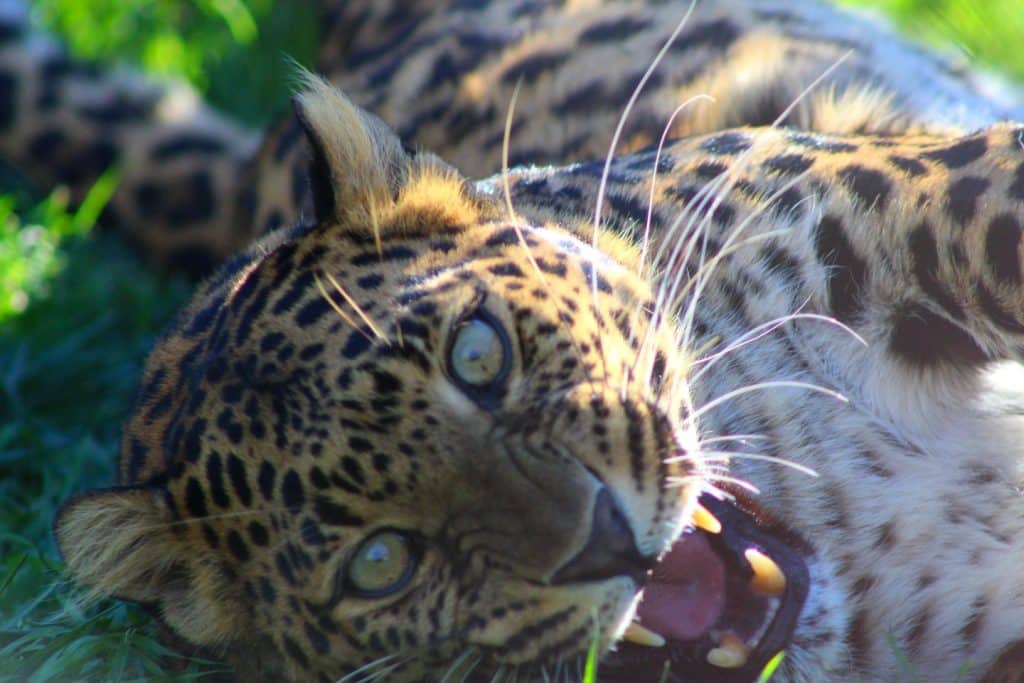
Credit: www.lionstigersandbears.org
Conservation Efforts
Big cats face many threats like habitat loss and poaching. Conservation efforts help protect these animals and their homes.
People and governments work together to keep big cats safe. These efforts include protected areas, community help, and success stories.
Protected Areas And Reserves
Protected areas are special parks and reserves made to keep big cats safe. These places stop hunting and protect the animals’ homes.
- National parks where hunting is banned
- Wildlife reserves that provide natural habitat
- Buffer zones to reduce human-wildlife conflict
- Corridors that connect different habitats
Community Involvement
Local people play a big role in saving big cats. They help watch the animals and report dangers.
| Community Role | Benefit to Big Cats |
|---|---|
| Patrol and monitor areas | Stops poaching |
| Educate neighbors | Raises awareness |
| Use eco-tourism | Generates income without harm |
| Report sightings | Helps track populations |
Success Stories
Some big cat populations are growing thanks to conservation. These stories show hope for the future.
- Tiger numbers rising in India’s reserves
- Leopard sightings increasing in some forests
- Cheetah reintroduction projects in Africa
- Improved safety laws reducing poaching
Big Cats In Culture
Big cats like lions, tigers, and leopards have long been part of human culture. They appear in stories, art, and traditions worldwide.
People admire these animals for their strength, beauty, and mystery. This makes big cats symbols in many cultures.
Symbolism And Mythology
Big cats often symbolize power, courage, and protection in myths and legends. Many cultures see them as guardians or gods.
For example, lions represent royalty and strength in many African and European stories. Tigers are seen as fierce protectors in Asian myths.
- Lion: Symbol of courage and leadership
- Tiger: Represents power and bravery
- Leopard: Often linked to speed and stealth
- Jaguar: Seen as a spiritual guide in some South American cultures
Representation In Media
Big cats are popular in movies, books, and cartoons. They often play roles as heroes, villains, or wise creatures.
These animals help tell stories about nature, strength, and survival. They also teach lessons about respect and fear.
- Movies like “The Lion King” show lions as brave leaders.
- Tigers appear in stories to show wild power and mystery.
- Leopards and jaguars add excitement as fast and clever animals.
Frequently Asked Questions
What Defines A Big Cat In The Animal Kingdom?
Big cats are large wild felines like lions, tigers, leopards, and jaguars. They have muscular bodies and sharp claws for hunting.
How Do Big Cats Differ From Domestic Cats?
Big cats are wild, larger, and more powerful. Domestic cats are smaller and adapted to live with humans safely.
Where Do Most Big Cats Naturally Live?
Big cats mainly inhabit forests, grasslands, and mountains in Asia, Africa, and the Americas.
What Do Big Cats Typically Eat?
They are carnivores, hunting animals like deer, wild boar, and smaller mammals for food.
Conclusion
Big cats captivate us with their power and grace. Their habitats need protection. Preserving these majestic animals is crucial. They play a vital role in ecosystems. Educating others about their importance helps conservation efforts. Every small action counts towards their survival.
Admire them from afar, respecting their natural behaviors. Support wildlife organizations to make a difference. Let’s ensure future generations witness these incredible creatures. Our planet thrives with their presence. Appreciate their beauty and significance. Together, we can help big cats flourish.
Protecting them enriches our world. A shared responsibility for all. Let’s cherish and preserve them.