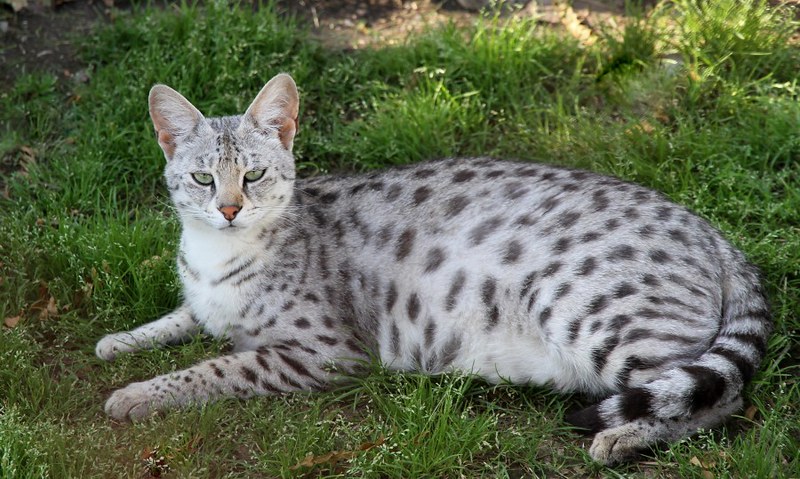
Have you ever wondered which big cat truly rules as the largest in the wild? Knowing the biggest and most powerful feline can change how you see these majestic creatures.
Imagine standing face to face with a giant that moves with strength and grace. You’ll discover the biggest big cat species, learn surprising facts about its size and power, and find out what makes it so unique. Keep reading—you won’t want to miss the incredible details that set this big cat apart from all the rest.
Big Cat Giants
Big cats are some of the largest and most powerful animals on Earth. They include lions, tigers, leopards, and jaguars.
This article explores the biggest big cat species and what makes them so impressive.
The Siberian Tiger
The Siberian tiger is the largest big cat in the world. It lives mainly in Russia’s forests and can weigh up to 660 pounds.
These tigers have thick fur to survive cold winters. They are strong hunters and can run fast.
The Lion
Lions are large cats that live in Africa and India. Male lions can weigh around 500 pounds and have a distinctive mane.
They live in groups called prides and hunt together. Lions are known as the “king of the jungle.”
The Jaguar
Jaguars live in the Americas and are the largest cats in the Western Hemisphere. They can weigh up to 250 pounds.
Jaguars have strong jaws and are great swimmers. They often hunt near water.
The Leopard
Leopards are smaller than lions and tigers but still strong. They weigh up to 200 pounds and live in Africa and Asia.
Leopards are excellent climbers. They carry their prey up trees to stay safe from other predators.
Size Comparison Table
| Species | Average Weight (lbs) | Habitat |
|---|---|---|
| Siberian Tiger | 500 – 660 | Russia Forests |
| Lion | 330 – 500 | Africa, India |
| Jaguar | 100 – 250 | Americas |
| Leopard | 60 – 200 | Africa, Asia |

Credit: www.reddit.com
Top Contenders For Largest Species
Big cats are some of the most powerful animals on Earth. Many species grow very large. This makes them fierce hunters and impressive creatures.
We will look at the biggest types of big cats. Each has unique size and strength. These are the top contenders for the largest big cat species.
Tigers
Tigers are the largest big cats in the world. The Siberian tiger is the biggest tiger subspecies. Males can weigh up to 660 pounds and reach 10 feet in length.
Tigers have strong muscles and sharp teeth. They live in forests and hunt deer, wild boar, and other animals.
Lions
Lions are the second largest big cats. Male lions can weigh around 420 pounds and grow to 8 feet long. They live in groups called prides.
Lions live mostly in Africa. They hunt animals like zebras and antelope. Lions are known as the “king of the jungle.”
Jaguars
Jaguars are the largest cats in the Americas. They weigh up to 250 pounds and measure about 6 feet long. Jaguars have powerful jaws.
They live in rainforests and near water. Jaguars hunt animals like deer, fish, and turtles. They can even bite through turtle shells.
Leopards
Leopards are smaller than tigers and lions but still strong. Males weigh up to 200 pounds and grow about 6 to 7 feet long. They are good climbers.
Leopards live in Africa and Asia. They hunt many animals like monkeys, birds, and antelope. They often carry prey up trees.
Snow Leopards
Snow leopards are smaller and lighter than other big cats. They weigh about 100 to 120 pounds. Their fur is thick to keep warm in cold mountains.
They live in the mountains of Central Asia. Snow leopards hunt goats, sheep, and smaller animals. They are good jumpers and climbers.
Cheetahs
Cheetahs are the fastest big cats but smaller than others. They weigh up to 160 pounds and grow about 4 to 5 feet long. Their bodies are built for speed.
Cheetahs live in Africa and hunt mainly small antelope. They can run very fast, reaching speeds up to 70 miles per hour. Their speed helps catch prey quickly.
Tiger Species Size Comparison
Tigers are the largest big cats in the world. Different tiger species vary in size and weight. This comparison helps us understand their size differences.
We will look at five tiger species: Siberian, Bengal, Indochinese, Malayan, and Sumatran. Each has unique size traits.
Siberian Tiger
The Siberian tiger is the largest tiger species. Males can reach up to 10 feet in length. They weigh between 400 and 700 pounds.
Bengal Tiger
Bengal tigers are smaller than Siberian tigers but still very large. Males grow up to 9 feet long. Their weight ranges from 350 to 570 pounds.
Indochinese Tiger
Indochinese tigers are medium-sized. Males measure about 8 feet in length. They weigh between 330 and 430 pounds.
Malayan Tiger
Malayan tigers are smaller than Indochinese tigers. Their length is around 7 to 8 feet. Weight ranges from 220 to 310 pounds.
Sumatran Tiger
The Sumatran tiger is the smallest tiger species. Males grow up to 7 feet long. They weigh between 220 and 310 pounds.
| Tiger Species | Length (feet) | Weight (pounds) |
|---|---|---|
| Siberian Tiger | 9.5 – 10 | 400 – 700 |
| Bengal Tiger | 8.5 – 9 | 350 – 570 |
| Indochinese Tiger | 7.5 – 8 | 330 – 430 |
| Malayan Tiger | 7 – 8 | 220 – 310 |
| Sumatran Tiger | 6.5 – 7 | 220 – 310 |

Credit: medium.com
Lion Size And Habitat
Lions are one of the largest big cat species in the world. They live in different habitats and have unique sizes depending on their type.
This article focuses on the size and habitat of the African lion and the Asiatic lion.
African Lion
The African lion is the largest lion species. Male lions weigh between 330 to 550 pounds. Females are smaller, weighing 260 to 400 pounds.
African lions live in grasslands, savannas, and open woodlands. They are mostly found in sub-Saharan Africa.
- Male length: 8 to 10 feet including tail
- Female length: 7 to 9 feet including tail
- Habitat: Grasslands and savannas
- Range: Sub-Saharan Africa
Asiatic Lion
The Asiatic lion is smaller than the African lion. Males weigh about 350 to 420 pounds. Females weigh less, around 240 to 350 pounds.
Asiatic lions live in dry forests and scrublands. They are found only in the Gir Forest of India.
- Male length: 7 to 9 feet including tail
- Female length: 6 to 8 feet including tail
- Habitat: Dry forests and scrublands
- Range: Gir Forest, India
Measuring Size: Weight Vs Length
When looking at the largest big cat species, size matters a lot. People often compare weight and length to see which cat is bigger.
Weight and length tell different stories. Weight shows how heavy the animal is, while length measures how long it is from head to tail.
Weight: The Heaviest Big Cats
The Siberian tiger is the heaviest big cat. Adult males can weigh up to 700 pounds or more. This weight helps them survive cold climates.
Lions are also heavy, but usually lighter than Siberian tigers. Male lions weigh about 420 to 570 pounds. Weight shows how strong these cats are.
- Siberian tiger: up to 700 pounds
- Bengal tiger: around 500 pounds
- African lion: 420 to 570 pounds
Length: The Longest Big Cats
Length measures the distance from the head to the tip of the tail. The Siberian tiger is also the longest big cat. They can reach up to 12 feet long.
Lions are shorter in length, usually about 8 to 10 feet. Jaguars and leopards are smaller in length but strong in their own way.
- Siberian tiger: up to 12 feet long
- African lion: 8 to 10 feet long
- Jaguar: about 6 feet long
Credit: www.pets4homes.co.uk
Record-breaking Big Cats
Big cats are some of the most powerful animals on Earth. They include lions, tigers, leopards, and jaguars.
Among these cats, some have reached incredible sizes. These record-breaking big cats show the true strength of nature.
Largest Recorded Tiger
The largest tiger ever recorded was a Siberian tiger. It weighed about 932 pounds (423 kilograms).
This tiger measured around 12 feet (3.7 meters) from head to tail. It was a giant among big cats.
Largest Recorded Lion
The biggest lion on record was a male African lion. It weighed approximately 826 pounds (375 kilograms).
This lion’s length was about 10 feet (3 meters) including its tail. It was a massive and strong animal.
Other Notable Records
Other big cats also have impressive records. The jaguar and leopard have smaller sizes but strong builds.
- The largest jaguar weighed about 250 pounds (113 kilograms).
- The biggest leopard recorded was around 220 pounds (100 kilograms).
- The largest snow leopard weighed close to 120 pounds (54 kilograms).
Factors Influencing Big Cat Size
The size of the largest big cat species depends on many factors. These factors shape how big or small a big cat can grow.
Understanding these factors helps us learn why some big cats are bigger than others.
Genetics
Genetics plays a key role in a big cat’s size. Each species has a natural size range set by its genes.
Big cats inherit traits from their parents, which affect their height, weight, and strength.
- Genes control growth speed and body structure
- Some species have genes for larger muscles
- Genetic diversity can cause size differences
Environment
The environment affects how big big cats can grow. Climate, space, and habitat quality matter.
Big cats in colder places often grow larger to keep warm. Space and shelter also help them thrive.
- Cold climates favor bigger body size
- More space allows bigger territories
- Good habitat provides safety and comfort
Diet
Diet directly impacts big cat size. A rich diet with enough food helps them grow strong and big.
Big cats that hunt large prey get more protein and energy. Poor diet can limit growth and health.
- High protein supports muscle growth
- Regular meals lead to healthy weight
- Scarce food causes smaller size
Conservation Status Of Giants
The largest big cat species face many threats in the wild. Their survival depends on strong conservation efforts.
Protecting these giants helps keep nature balanced and preserves their habitats.
Siberian Tiger
The Siberian tiger is the biggest tiger subspecies. It lives mainly in Russia’s forests. Its population is low because of habitat loss and poaching.
This tiger is listed as endangered. Conservation groups work to protect its forest home and stop illegal hunting.
Lion
Lions are the largest cats in Africa. They face threats like habitat loss and conflicts with humans. Their numbers are falling in the wild.
The lion is classified as vulnerable. Many parks and reserves help protect lions and support their populations.
Jaguar
Jaguars are the biggest cats in the Americas. They live in rainforests and wetlands. Deforestation and hunting reduce their numbers.
Jaguars are near threatened. Efforts focus on saving their habitats and reducing human conflicts.
Conservation Challenges
Big cats need large areas to live and hunt. Losing land to farms and cities harms them. Poaching for skins and bones also threatens their survival.
Strong laws and protected areas help. Community support and education are key to saving these big cats.
- Protect large habitats
- Stop illegal hunting
- Work with local people
- Raise awareness about big cats
Big Cat Adaptations To Size
The largest big cat species is the Siberian tiger. It can weigh over 600 pounds. Its large size helps it survive cold climates.
Big cats have special adaptations to support their size. These adaptations help them move, hunt, and stay healthy.
Strong Muscles And Bones
Large big cats have very strong muscles. Their bones are thick and sturdy. This strength supports their heavy bodies.
Strong muscles help them chase prey and climb. Thick bones protect organs from injury during fights.
Efficient Hunting Skills
Big cats use stealth and power to catch prey. Their size gives them an advantage to take down large animals.
They have sharp claws and strong jaws. These tools help them hold and kill prey quickly.
- Sharp retractable claws
- Powerful bite force
- Silent movement
Thick Fur And Insulation
Large big cats like Siberian tigers have thick fur. This fur keeps them warm in cold areas.
The fur also helps protect their skin from harsh weather. It acts as insulation during winter months.
Large Paws For Stability
Big cats have large paws with pads. These paws help spread their weight evenly.
Large paws give better balance on snow and soft ground. They also help in silent walking while stalking prey.
Slow Metabolism And Energy Use
Big cats have slow metabolism to save energy. This helps them survive when food is scarce.
They rest a lot to conserve energy. This balance keeps their large bodies strong and ready to hunt.
Frequently Asked Questions
What Is The Largest Big Cat Species In The World?
The largest big cat species is the Siberian tiger. It can weigh up to 700 pounds and measure over 10 feet long. It is known for its strength, size, and thick fur, adapted for cold climates.
How Does The Size Of Lions Compare To Tigers?
Tigers are generally larger and heavier than lions. Male Siberian tigers can weigh more than 700 pounds, while male lions typically weigh up to 500 pounds. Tigers also tend to be longer and more muscular than lions.
Why Are Siberian Tigers The Biggest Big Cats?
Siberian tigers evolved to survive in harsh, cold environments. Their large size helps conserve heat and hunt large prey. This adaptation makes them the biggest among all big cat species.
Are Jaguars Or Leopards Bigger Than Tigers?
No, jaguars and leopards are smaller than tigers. Jaguars are stocky but weigh around 250 pounds. Leopards are even smaller, averaging 90 to 200 pounds. Tigers remain the largest big cats worldwide.
Conclusion
The largest big cat species is the Siberian tiger. It’s massive, powerful, and awe-inspiring. These tigers roam the forests of Russia and China. Their impressive size helps them hunt effectively. Sadly, their numbers are dwindling. Conservation efforts are crucial to protect these majestic creatures.
Awareness and action can help save them. Every effort counts toward their survival. Learning about them can inspire change. Support conservation programs to make a difference. Let’s ensure the Siberian tiger thrives for future generations. Their presence enriches our world.
Together, we can help them survive and prosper.