Is your cat scratching the furniture, knocking things over, or biting without warning? You’re not alone, and it can be really frustrating.
But what if you could understand why your cat acts this way and learn simple steps to change that behavior? Imagine a calmer, happier home where your cat listens and respects your space. Keep reading, and you’ll discover easy, effective ways to handle bad cat behavior—so you and your furry friend can enjoy a better relationship starting today.

Credit: www.youtube.com
Common Bad Behaviors
Cats sometimes show behaviors that can be hard to handle. These behaviors may upset your home or cause stress.
Understanding these behaviors helps you manage them better. Let’s look at some common problems cats show.
Scratching Furniture
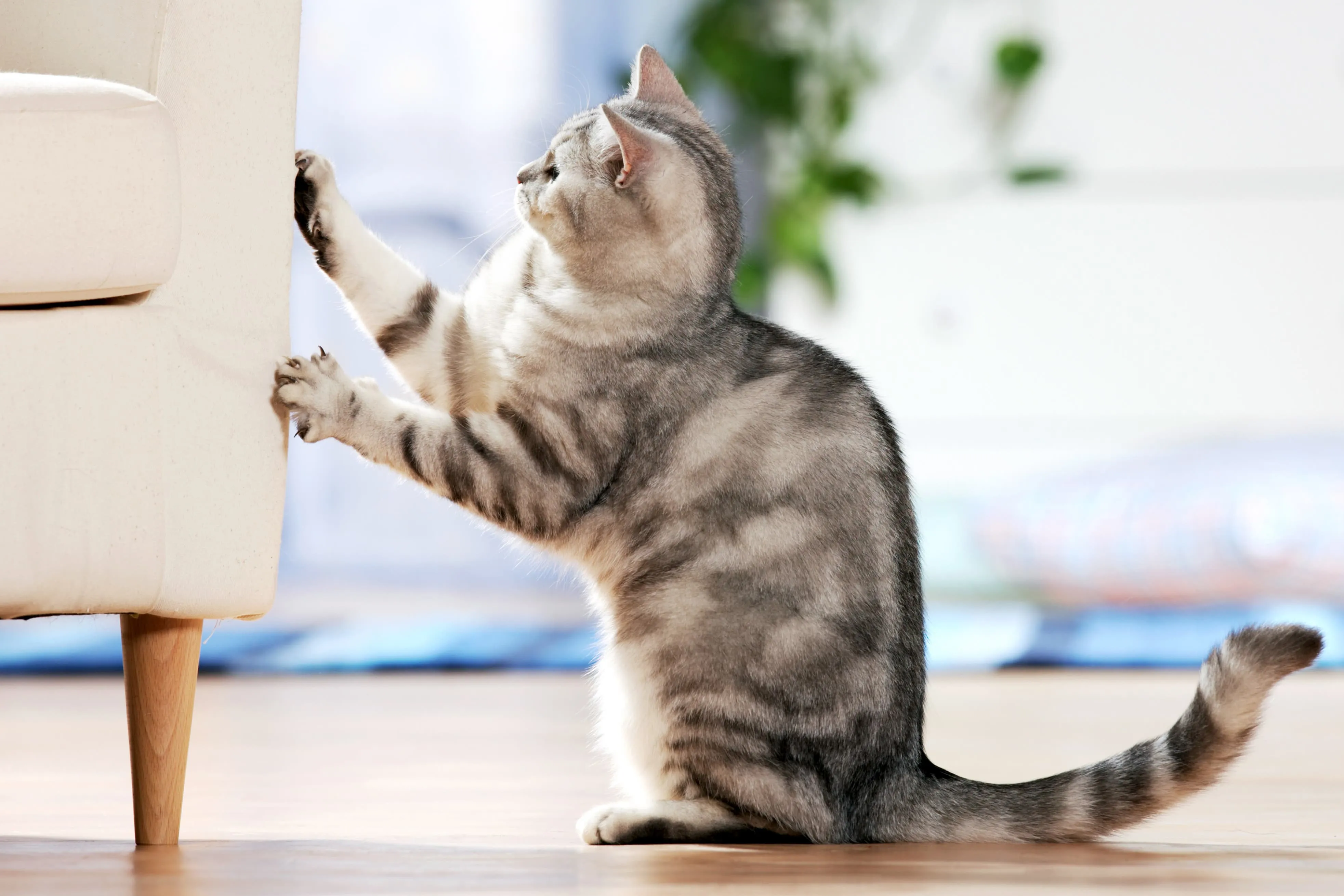
Scratching is a natural cat action. Cats scratch to mark territory and keep claws sharp.
Furniture damage happens when cats use sofas, chairs, or curtains for scratching instead of their posts.
- Provide scratching posts near favorite spots
- Use catnip or toys to attract cats to posts
- Trim your cat’s claws regularly
- Cover furniture with protective sheets
Aggression And Biting
Aggression can happen if cats feel scared or threatened. Biting may be a way to defend themselves.
Play aggression is also common with young cats. They bite during rough play or when overstimulated.
- Stay calm and avoid sudden moves
- Use toys to redirect biting behavior
- Give your cat space when it is angry
- Do not punish; it can increase fear
Excessive Meowing
Cats meow to talk to humans. Too much meowing can be a sign of need or stress.
Some cats meow for food, attention, or because they feel lonely. Others meow if they are sick.
- Feed your cat on a regular schedule
- Spend time playing and petting daily
- Check health if meowing starts suddenly
- Avoid rewarding meows that want attention
Litter Box Issues
Some cats avoid the litter box. They may pee or poop outside the box.
Causes include dirty boxes, stress, or health problems like infections.
- Clean the litter box daily
- Use a quiet and private location
- Try different types of litter
- Visit the vet to rule out illness
Causes Of Bad Behavior
Understanding why cats act badly helps you fix their behavior. Cats show bad actions for many reasons.
Look at their feelings, health, and environment to find causes. This guide explains common reasons for bad cat behavior.
Stress And Anxiety
Cats feel stress from loud noises, new people, or other pets. Anxiety makes them hide, scratch, or bite.
Signs of stress include:
- Hiding often
- Loss of appetite
- Excessive grooming
- Aggressive behavior
- Changes in litter box use
Lack Of Stimulation
Cats need play and exercise daily. Bored cats act out by scratching furniture or meowing loudly.
Give your cat toys and time to play. This helps reduce bad behavior caused by boredom.
Medical Problems
Health issues can cause bad behavior. Pain or illness makes cats irritable or restless.
| Symptom | Possible Cause |
| Sudden aggression | Injury or pain |
| Frequent urination outside litter box | Urinary tract infection |
| Excessive licking | Allergies or skin problems |
| Loss of appetite | Dental issues or illness |
Changes In Environment
Moving to a new home or new family members stress cats. They may hide or act aggressively.
Tips to help cats adjust:
- Keep their routine steady
- Provide a quiet safe space
- Introduce new pets slowly
- Use calming sprays or diffusers
Preventive Measures
Bad behavior in cats can be avoided with simple care. Prevention helps keep your cat happy and calm.
Understanding your cat’s needs stops many problems before they start. These tips focus on keeping your cat safe and healthy.
Creating A Safe Space
Cats need a quiet, safe area to relax. This space lowers stress and reduces bad behavior.
- Choose a calm room or corner for your cat.
- Provide soft bedding and hiding spots.
- Keep the area clean and free from loud noises.
- Place food, water, and litter nearby but not too close.
Regular Playtime
Daily play helps your cat burn energy and stay active. It lowers anxiety and stops destructive acts.
- Use toys like feather wands and balls.
- Spend at least 15 minutes playing each day.
- Try different games to find what your cat enjoys.
- Let your cat chase, pounce, and climb safely.
Consistent Routine
Cats feel safe with a steady daily schedule. Routine limits stress and prevents bad habits.
| Time | Activity |
| Morning | Feeding and play |
| Afternoon | Quiet time and grooming |
| Evening | Feeding and interactive play |
| Night | Rest in safe space |
Proper Nutrition
Good food keeps your cat healthy and calm. Poor diet can cause irritability and bad behavior.
Tips for feeding your cat:
- Choose balanced cat food with all nutrients.
- Feed at regular times daily.
- Provide fresh water always.
- Avoid giving too many treats.
Training Techniques
Training your cat helps manage bad behavior and builds trust. Use gentle and clear ways to teach your cat good habits.
These techniques focus on guiding your cat with kindness and patience. Each method helps your cat learn what is okay.
Positive Reinforcement
Positive reinforcement means giving your cat a reward for good behavior. This helps your cat know what actions you like.
Use treats, petting, or praise when your cat behaves well. This encourages your cat to repeat the behavior.
- Give a treat after your cat uses the scratching post
- Praise your cat when it stops biting
- Offer a toy for playing gently
Redirecting Attention
Redirecting attention means moving your cat’s focus from bad behavior to something better. This stops unwanted actions quickly.
When your cat misbehaves, gently guide it to a toy or activity. This helps your cat learn what is allowed.
- Use toys to distract your cat from scratching furniture
- Offer a play session instead of chasing feet
- Move your cat to a calm spot if it is too rough
Using Deterrents
Deterrents help keep your cat away from places or actions you do not want. They teach your cat to avoid bad behavior.
Use safe and gentle deterrents like sprays or textures. These do not hurt your cat but discourage unwanted actions.
- Place double-sided tape on furniture to stop scratching
- Use citrus scents near areas your cat avoids
- Try a motion-activated noise to scare cats from counters
Clicker Training
Clicker training uses a small sound maker to mark good behavior. The click tells your cat it did something right.
After the click, give a treat or praise. This helps your cat learn to link the sound with rewards.
- Start by clicking and giving a treat to get your cat’s attention
- Click when your cat does the right action, like sitting
- Repeat often to build good habits
When To Seek Help
Bad cat behavior can be hard to manage. Sometimes, you need outside help.
Knowing when to ask for help keeps your cat safe and happy. It also helps you stay calm.
Behavioral Specialists
Behavioral specialists study animal actions. They help find the cause of bad behavior.
These experts teach ways to change your cat’s habits. They use training and rewards.
- Consult if your cat shows aggression or fear
- Helpful for repeated scratching or biting
- Good for issues with litter box use
Veterinary Consultation
Some bad behaviors come from health problems. A vet can check your cat’s body.
Visit the vet if your cat suddenly changes behavior. Pain or illness might be the cause.
- Sudden aggression or hiding
- Loss of appetite or grooming changes
- Frequent urination outside the litter box
Medication Options
Sometimes medicine helps calm your cat. It can reduce stress or anxiety.
Only use medication under a vet’s advice. They choose the right drug and dose.
- Anti-anxiety drugs for nervous cats
- Medications for pain that cause behavior changes
- Short-term use during stressful events
Credit: www.webmd.com
Tips For Calmer Cats
Cats can show bad behavior when they feel bored or stressed. Helping them stay calm improves their mood.
Use simple ways to keep your cat happy and relaxed every day. This helps reduce bad habits.
Environmental Enrichment
Give your cat toys and places to explore. This keeps their mind busy and stops bad behavior.
Use scratching posts, climbing trees, and puzzle feeders to make their space fun.
- Provide different toys to play with
- Set up climbing shelves or cat trees
- Use food puzzles for mental exercise
- Rotate toys often to keep interest
Stress Reduction Tools
Stress can cause cats to act out. Use tools that help them feel safe and calm.
Try calming sprays, diffusers, or soft music to create a peaceful environment.
- Use pheromone sprays or diffusers
- Play gentle music or white noise
- Give a quiet space for hiding
- Keep a routine to reduce stress
Regular Grooming
Brushing your cat often helps reduce stress and keeps them clean. It can stop them from biting or scratching.
Grooming also builds trust and calms your cat if done gently and regularly.
- Brush your cat’s fur daily or weekly
- Check for mats or skin problems
- Trim nails carefully to avoid discomfort
- Use grooming time to bond with your cat
Social Interaction
Cats need social time with people or other pets to feel happy. Play and gentle petting help calm them.
Respect your cat’s mood and give attention when they want it. This builds a good relationship.
- Spend quiet time petting your cat
- Play with interactive toys together
- Watch your cat’s signals for attention
- Introduce new pets slowly and carefully

Credit: www.purina.com
Frequently Asked Questions
What Causes Bad Behavior In Cats?
Bad cat behavior often stems from stress, boredom, or medical issues. Changes in environment or routine can trigger this. Understanding triggers helps in addressing the root cause effectively and improving your cat’s behavior.
How Can I Stop My Cat From Scratching Furniture?
Provide scratching posts and trim your cat’s nails regularly. Use deterrent sprays on furniture. Reward your cat for using appropriate scratching areas to encourage good habits and protect your belongings.
Why Does My Cat Suddenly Bite Or Scratch Me?
Cats may bite or scratch due to fear, overstimulation, or pain. Learn to read their body language and respect their boundaries. Redirect their energy with toys to prevent aggressive behavior.
How Do I Train A Cat To Stop Bad Behavior?
Use positive reinforcement like treats and praise for good behavior. Avoid punishment, as it can increase stress. Consistency and patience are key to training cats effectively.
Conclusion
Tackling bad cat behavior requires patience and understanding. Create a consistent routine. Address issues calmly and assertively. Reward positive behaviors with treats or affection. Ensure your cat gets enough exercise and mental stimulation. Use deterrents wisely to discourage unwanted actions.
Consistency is key in training. Consult a vet for persistent issues. Remember, every cat is unique and needs personalized care. Observing and adapting to your cat’s needs will foster a happier home. With time and effort, you can improve your cat’s behavior and strengthen your bond.