
Have you ever wondered what your cat is really trying to tell you? Understanding your cat’s behavior can unlock a whole new level of connection between you and your furry friend.
When you learn to read their body language, sounds, and actions, you’ll know exactly when they’re happy, scared, or need some space. This guide will help you decode those mysterious signals so you can respond in ways that make your cat feel loved and safe.
Ready to become your cat’s favorite human? Keep reading to discover the secrets behind your cat’s behavior.
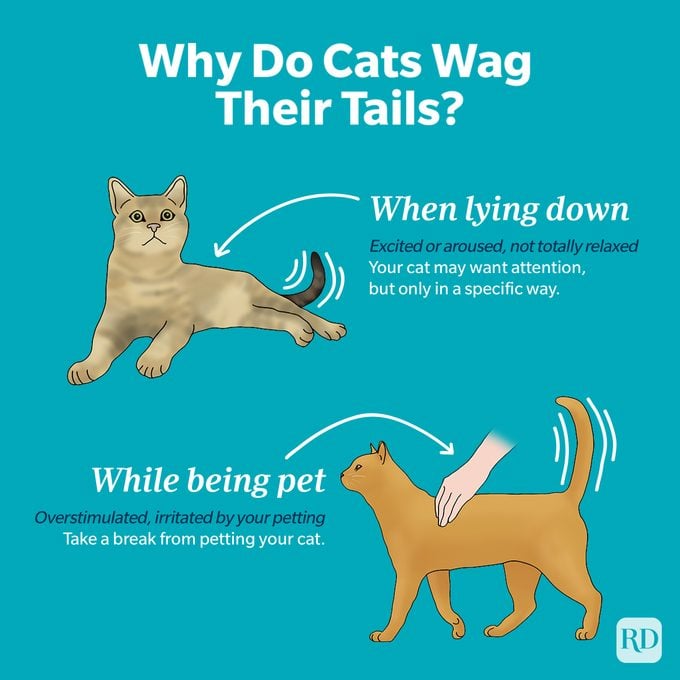
Credit: www.rd.com
Cat Body Language
Cats use their bodies to show how they feel. Watching their movements helps you understand them better.
Body language can tell if a cat is happy, scared, or angry. Learning these signs builds a stronger bond.
Tail Signals
A cat’s tail shows many feelings. The tail’s position and movement give clues about its mood.
- Tail up means the cat is happy and confident.
- A tail puffed up shows fear or anger.
- Slow tail swishing means the cat is focused or curious.
- A low or tucked tail signals nervousness or submission.
- Quick flicks can mean irritation or excitement.
Ear Positions
Cat ears move a lot to show feelings. Their direction and shape tell what the cat senses.
- Ears facing forward mean interest or calmness.
- Ears flattened back show fear or anger.
- Ears turning side to side mean the cat is listening closely.
- One ear back and one forward can mean uncertainty.
Eye Contact
Cat eyes reveal mood and trust. How wide or narrow their eyes are matters a lot.
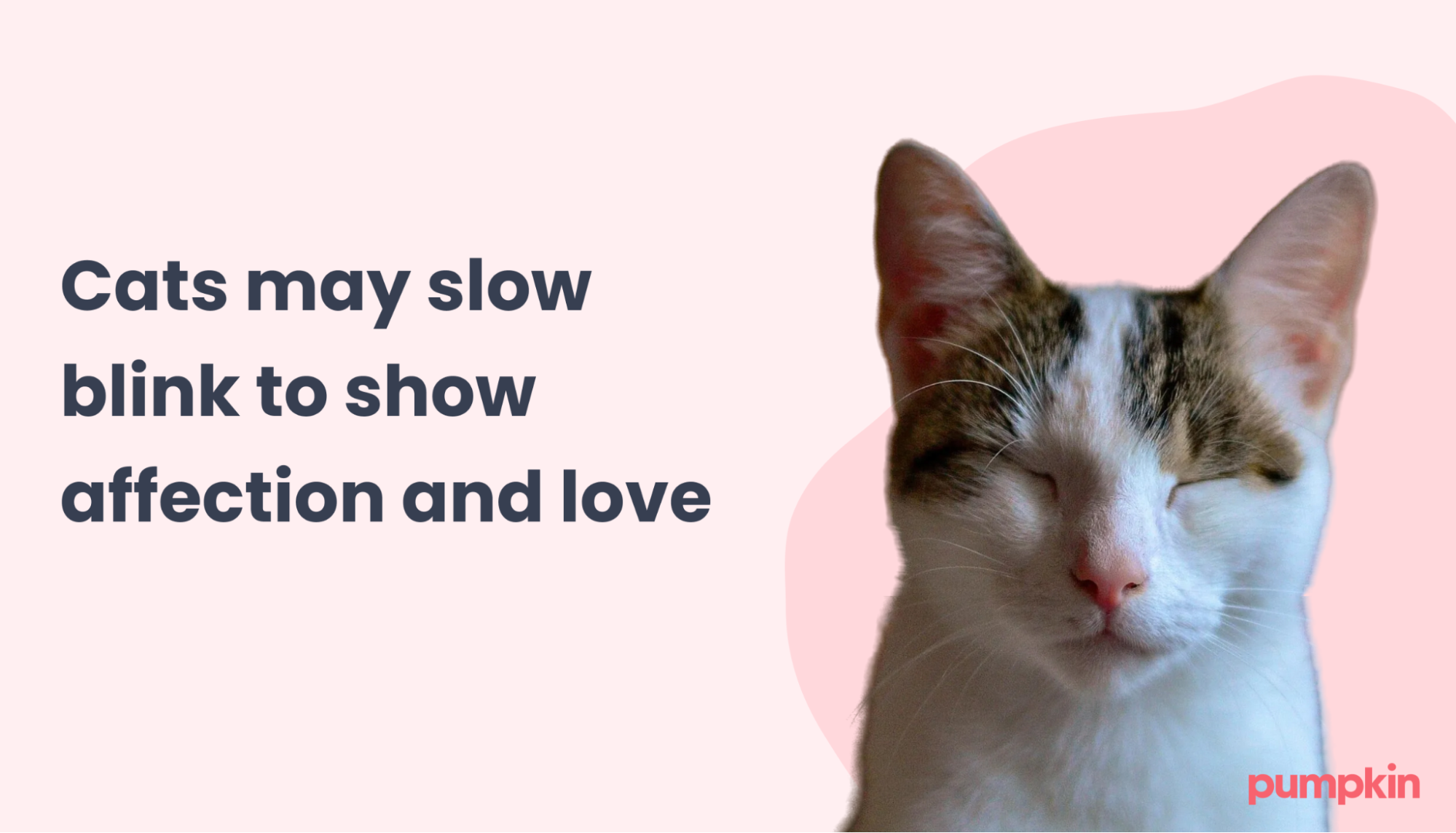
- Slow blinking means the cat feels safe and relaxed.
- Wide open eyes show surprise or fear.
- Narrow, slit-like eyes can signal anger or discomfort.
- Direct staring may be a challenge or curiosity.
Body Posture
The way a cat holds its body tells its mood. Relaxed or tense posture shows comfort or stress.
- A relaxed body means the cat feels safe and happy.
- Arched back with fur raised shows fear or anger.
- Crouching low signals the cat wants to hide or protect itself.
- Rolling on the back can mean trust or playfulness.
- Stiff legs and raised hackles mean the cat is ready to defend.
Vocalizations And Sounds
Cats use many sounds to tell us how they feel. Listening closely helps us understand them better.
Each sound means something different. Learning these sounds improves your bond with your cat.
Meowing Variations
Cats meow in many ways. The tone, length, and volume change their meaning.
- Short meows often say hello or ask for attention.
- Longer meows may show hunger or demand.
- Repeated meows can mean impatience or urgency.
- Soft meows usually show calm or contentment.
- Loud or sharp meows may express anger or pain.
Purring Meanings
Purring is not just a sign of happiness. Cats purr for different reasons.
| Type of Purr | Possible Meaning |
| Soft, steady purring | Contentment and relaxation |
| Fast, loud purring | Excitement or seeking attention |
| Quiet, shaky purring | Stress or pain |
| Purring with kneading | Comfort and happiness |
Hissing And Growling
Hissing and growling warn others to stay away. They show fear or anger.
These sounds mean your cat feels threatened. Give your cat space to calm down.
Chirps And Trills
Chirps and trills are friendly sounds cats use to talk to you or other cats.
Common meanings of chirps and trills:
- Greeting you or other cats
- Showing excitement or curiosity
- Calling kittens or attention
- Expressing playfulness
Common Cat Behaviors
Cats have many behaviors that show how they feel. Understanding these can help you care for them better.
Watching your cat’s actions can tell you if they are happy, scared, or playful. Each behavior means something.
Kneading Habits
Kneading is when cats press their paws on soft surfaces. It looks like they are pushing dough.
This behavior comes from kitten days when they knead their mother’s belly to get milk. It shows comfort and trust.
Scratching Reasons
Cats scratch to keep their claws sharp and healthy. Scratching also helps them mark their territory.
They have scent glands in their paws. Scratching leaves their smell on objects, signaling other cats.
- Sharpen claws
- Mark territory
- Stretch muscles
- Relieve stress
Hunting Play
Cats love to chase and pounce on toys. This play mimics hunting in the wild.
Playing helps cats stay active and practice skills. It also reduces boredom and stress.
- Chasing moving toys
- Pouncing on objects
- Stalking quietly
- Batting with paws
Sleeping Patterns
Cats sleep a lot, often 12 to 16 hours a day. They rest to save energy for hunting or playing.
They sleep in short bursts and stay alert to sounds. Cats choose cozy, safe places for their naps.

Credit: www.rd.com
Emotional States In Cats
Cats show their feelings through body language and sounds. Watching these signs helps you understand their mood.
Knowing cat emotions can improve your bond with them. It also helps you react in the best way.
Signs Of Stress
Stress makes cats act differently than usual. They might hide or stop eating.
Look for fast breathing, flattened ears, or a twitching tail. These show your cat feels tense.
- Hiding or avoiding people
- Excessive grooming or scratching
- Changes in eating or litter habits
- Wide eyes and dilated pupils
- Vocalizing more or less than usual
Happy Cat Indicators
A happy cat looks relaxed and calm. Their body language shows comfort and trust.
Signs include slow blinking, purring, and a softly waving tail tip. They may knead with their paws too.
- Soft eyes and slow blinks
- Relaxed ears facing forward
- Tail held upright or gently curved
- Light purring sounds
- Kneading with paws on soft surfaces
Fear And Anxiety
Fear makes cats hide or freeze in place. They may hiss or growl to warn others.
An anxious cat can have a stiff body and wide eyes. Their tail might be tucked close to the body.
- Hiding behind furniture or under beds
- Flattened ears and wide, staring eyes
- Tense body and low posture
- Hissing, growling, or spitting
- Tail tucked or flicking rapidly
Aggression Triggers
Aggression in cats can come from fear, pain, or protecting territory. Watch for warning signs early.
Signs include raised fur, loud growls, and swatting with claws. Avoid touching your cat if you see these.
- Raised fur along the back and tail
- Growling or hissing loudly
- Swatting or biting attempts
- Stiff stance and direct staring
- Tail flicking or lashing
Building Trust With Your Cat
Building trust with your cat takes time and patience. Cats feel safe when they understand your actions.
Understanding how cats behave helps create a strong bond. Trust makes your cat more relaxed and happy.
Approach Techniques
Approach your cat calmly and slowly. Sudden moves can scare them.
Let your cat see and smell you before touching. Offer your hand for them to sniff first.
- Move at your cat’s pace
- Speak softly and gently
- Use slow blinking to show friendliness
Respecting Boundaries
Watch your cat’s body language carefully. This helps you know when to stop or continue.
Give your cat space if they seem tense or want to hide. Never force contact.
- Notice tail flicks or ears turning back
- Stop if your cat hisses or growls
- Let your cat come to you
Playtime Tips
Play helps your cat feel safe and happy. Use toys that mimic prey like feathers or strings.
Keep play sessions short but frequent. Let your cat win by catching toys sometimes.
- Use interactive toys to engage your cat
- Stop play if your cat gets overstimulated
- Offer a quiet rest after playtime
Feeding And Rewards
Feed your cat on a regular schedule. This helps build trust and routine.
Use treats to reward good behavior. Offer treats gently from your hand to show kindness.
- Feed in a quiet, safe place
- Give small treats during bonding moments
- Avoid overfeeding to keep your cat healthy
When To Seek Professional Help
Understanding your cat’s behavior is important for their well-being. Sometimes, signs show you need a vet or a behavior expert.
Getting help early can prevent problems from getting worse. Watch your cat closely for unusual changes.
Behavioral Issues
Some behaviors may seem normal but could signal a problem. Aggression, hiding, or constant vocalizing might need expert advice.
If your cat suddenly stops using the litter box or shows fear without cause, talk to a specialist. These changes can affect their health and happiness.
- Sudden aggression toward people or pets
- Excessive hiding or withdrawal
- Frequent loud meowing or crying
- Changes in eating or sleeping habits
- Not using the litter box anymore
Health-related Changes
Health problems can change how your cat acts. Pain or illness may cause restlessness or irritability.
Look for signs like weight loss, vomiting, or difficulty moving. These need prompt veterinary care to avoid serious issues.
- Sudden weight loss or gain
- Frequent vomiting or diarrhea
- Changes in breathing or coughing
- Difficulty jumping or walking
- Unusual lumps or wounds
Environmental Stressors
Changes in your home or routine can stress your cat. This stress may show as behavior shifts or health problems.
If your cat acts out after a move, new pet, or loud noises, seek advice. A professional can help reduce their anxiety.
- New pets or family members
- Changes in daily schedule
- Loud noises or construction
- Moving to a new home
- Loss of a companion
Credit: www.pumpkin.care
Frequently Asked Questions
How Can I Tell If My Cat Is Happy?
A happy cat purrs softly, relaxes its body, and has a gentle gaze. It may knead with paws and show playful behavior. Tail held upright also signals contentment and friendliness toward you and its environment.
What Does A Cat’s Tail Position Mean?
A cat’s tail position reveals its mood. An upright tail means confidence and friendliness. A tucked tail signals fear or submission. A flicking tail indicates irritation or excitement. Understanding tail signals helps you respond to your cat’s feelings accurately.
Why Does My Cat Knead On Me?
Cats knead to show affection and comfort. It’s a behavior from kittenhood when they kneaded their mother for milk. Adult cats knead when relaxed and content. This action strengthens your bond and indicates that your cat feels safe with you.
How Do Cats Communicate With Their Eyes?
Cats use slow blinking to express trust and affection. Wide-open eyes can mean curiosity or alertness, while narrowed eyes may signal relaxation or aggression. Observing eye behavior helps you understand your cat’s mood and build better communication.
Conclusion
Understanding cat behavior can strengthen your bond. Pay attention to their signals. Each cat is unique, with its own quirks. Spend time observing their actions and reactions. This helps you understand their needs better. Notice their body language, like tail and ear positions.
Vocalizations also tell a lot about their mood. Practice patience and kindness. Over time, you’ll recognize patterns and meanings. Remember, cats communicate in subtle ways. Keep learning and observing. Your efforts will make your feline friend feel loved and secure.
Enjoy the journey of understanding your cat.