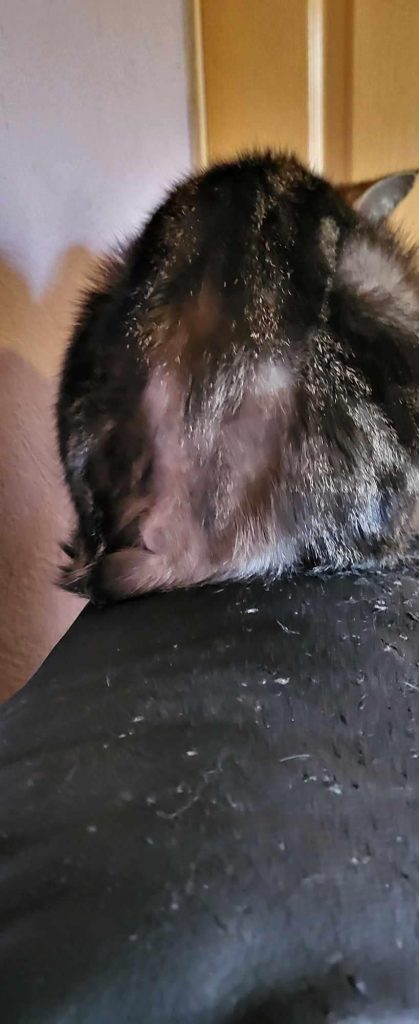
Is your cat constantly licking or biting their fur until it looks raw or patchy? Over grooming can be worrying for any pet owner, and you’re probably wondering how to help your furry friend feel comfortable again.
You’re not alone, and the good news is there are simple steps you can take to stop this behavior. You’ll discover why your cat is over grooming and what you can do right now to bring back their happy, healthy coat.
Keep reading to find out how to protect your cat and restore their well-being.
Credit: www.feliway.co.uk
Signs Of Over Grooming
Over grooming in cats can be a sign of stress or health problems. It is important to notice these signs early.
Knowing what to look for helps you protect your cat’s well-being and comfort.
Behavioral Indicators
Cats that groom too much often show changes in their behavior. You might see these signs:
- Restlessness or pacing
- Constant licking or biting of the same spots
- Hiding more than usual
- Increased irritability or aggression
- Loss of interest in playing or socializing
Physical Symptoms
Over grooming can cause visible damage to your cat’s skin and fur. Watch for these physical signs:
| Symptom | Description |
| Hair Loss | Bald patches on the body or tail |
| Redness | Irritated or inflamed skin |
| Scabs or sores | Open wounds or crusty areas |
| Thickened skin | Areas that feel rough or hardened |
| Excessive dandruff | Flaky skin or dry patches |

Credit: www.reddit.com
Common Causes
Over grooming in cats can be a sign of several problems. It is important to know what causes this behavior.
Understanding the common causes helps you find the right way to help your cat stop over grooming.
Stress And Anxiety
Stress and anxiety are common reasons cats groom too much. Changes in their environment can make them nervous.
Moving to a new home, loud noises, or new pets can cause stress. Cats groom to calm themselves down.
- New people or pets in the house
- Loud sounds or construction noise
- Changes in daily routine
- Lack of attention or playtime
Allergies And Skin Issues
Allergies can make your cat’s skin itchy. This leads to more grooming to try to relieve the itch.
Common allergens include certain foods, pollen, dust, and cleaning products used at home.
- Food allergies like chicken or fish
- Pollen from plants or flowers
- Dust mites in the house
- Irritating shampoos or soaps
Parasites And Infections
Fleas, mites, and infections can cause itching and discomfort. Cats will groom more to try to feel better.
Parasites are a common cause of over grooming, especially if your cat goes outside or meets other animals.
- Fleas and flea bites
- Mites under the skin
- Bacterial infections
- Fungal infections like ringworm
Veterinary Diagnosis
Over grooming in cats can signal health problems. A vet diagnosis helps find the cause.
Understanding the reason is key to stopping this behavior. The vet uses tests to check your cat’s health.
When To Visit The Vet
Take your cat to the vet if you see bald spots or wounds from over grooming. Also visit if your cat seems stressed or restless.
Early vet visits can prevent serious problems. The vet can spot allergies, infections, or other issues that cause over grooming.
- Hair loss or skin sores
- Changes in appetite or behavior
- Excessive licking or scratching
- Restlessness or anxiety signs
Diagnostic Tests
The vet uses tests to find why your cat is over grooming. These tests check skin health and overall condition.
Common tests include skin scrapings, allergy tests, and blood work. These help find infections, parasites, or allergies.
- Skin scraping:Checks for mites or infections.
- Allergy testing:Finds food or environmental allergies.
- Blood tests:Detects hormonal or internal problems.
- Fungal cultures:Checks for ringworm or other fungi.

Credit: www.reddit.com
Home Care Strategies
Over grooming in cats can cause skin problems and discomfort. It often happens due to stress or health issues.
Home care can help reduce your cat’s urge to over groom. Small changes in their routine and environment can make a big difference.
Environmental Enrichment
Cats need mental and physical stimulation to stay calm. Boredom or stress may cause over grooming. Adding toys and playtime helps keep them busy.
Try to provide a safe and quiet space for your cat to relax. New hiding spots or climbing areas also reduce stress.
- Provide puzzle feeders to challenge their mind
- Offer daily play sessions with interactive toys
- Place cat trees or shelves for climbing
- Create quiet resting spots away from noise
- Rotate toys to keep interest high
Diet And Nutrition
A balanced diet supports healthy skin and fur. Poor nutrition can cause itching and discomfort, leading to over grooming.
Include foods rich in omega-3 and omega-6 fatty acids. These help reduce skin inflammation and keep fur shiny.
- Feed high-quality cat food with essential nutrients
- Add omega fatty acid supplements if needed
- Ensure fresh water is always available
- Avoid foods your cat is allergic to
Grooming Alternatives
Provide grooming options to satisfy your cat’s need to lick and scratch. This can reduce over grooming in problem areas.
Regular brushing removes loose fur and calms your cat. Use soft brushes and groom gently to avoid irritation.
- Brush your cat daily to reduce fur buildup
- Use grooming gloves if your cat dislikes brushes
- Offer safe chew toys to reduce licking
- Try calming sprays or pheromone diffusers
Behavioral Techniques
Over grooming in cats can be a sign of stress or boredom. Behavioral techniques help reduce this habit.
These methods focus on changing your cat’s environment and reactions. This helps your cat feel calmer and less anxious.
Distraction Methods
Distracting your cat redirects its focus from over grooming. Use toys and activities to keep your cat busy.
- Offer puzzle feeders to challenge your cat’s mind.
- Play with interactive toys like feather wands or laser pointers.
- Provide climbing spaces and scratching posts for physical activity.
- Rotate toys regularly to keep your cat interested.
- Spend time petting and grooming your cat gently to reduce stress.
Positive Reinforcement
Reward your cat for calm behavior to encourage less grooming. Treats and praise work well.
| Action | Reward |
| Stops licking or biting fur | Small treat or petting |
| Uses toys instead of over grooming | Verbal praise and playtime |
| Remains calm in stressful situations | Extra affection or favorite snack |
Medical Treatments
Over grooming in cats can cause skin damage and discomfort. Medical treatments help reduce this behavior. Understanding the right treatment is important for your cat’s health.
Two main approaches include medications and managing allergies. These target the causes of over grooming to bring relief and prevent further harm.
Medications And Topicals
Medications can calm your cat’s itching and reduce over grooming. Vets may prescribe drugs to treat infections or inflammation.
- Anti-inflammatory drugs to reduce swelling
- Antibiotics for skin infections
- Anti-itch medications to relieve discomfort
- Topical creams or sprays applied to affected areas
- Medicated shampoos to soothe irritated skin
Topical treatments often include ingredients like corticosteroids or antiseptics. These help heal the skin and stop itching quickly.
Managing Allergies
Allergies cause itching that leads to over grooming. Managing allergies reduces this urge.
| Allergy Type | Treatment |
| Food Allergies | Special diet or hypoallergenic food |
| Flea Allergies | Regular flea control and prevention |
| Environmental Allergies | Allergy medications and cleaning home |
Work closely with your vet to identify allergies. This helps find the right treatment to stop over grooming.
Preventing Recurrence
Over grooming in cats can cause skin damage and stress. Preventing it from happening again is important for your cat’s health.
Keeping a close watch and reducing stress help stop over grooming from returning.
Routine Monitoring
Check your cat’s skin and fur daily for signs of over grooming. Look for redness, hair loss, or scabs. Early detection helps prevent serious issues.
| What to Watch For | Why It Matters |
| Redness or inflammation | May indicate irritation or allergies |
| Hair loss spots | Shows where over grooming happens |
| Scabs or sores | Can lead to infection if untreated |
| Behavior changes | May signal stress or discomfort |
Stress Reduction Tips
Stress often causes cats to over groom. Use these tips to keep your cat calm and relaxed.
- Provide a quiet, safe space for your cat to rest
- Keep feeding and playtime routines consistent
- Use calming pheromone diffusers or sprays
- Offer toys and scratching posts to keep your cat busy
- Spend quality time petting and playing with your cat
Frequently Asked Questions
What Causes Cats To Over Groom Excessively?
Cats over groom due to stress, allergies, pain, or skin issues. It can also be a behavioral problem or boredom. Identifying the cause helps in providing the right treatment or environment for your cat.
How Can I Reduce My Cat’s Over Grooming Behavior?
Reduce over grooming by providing mental stimulation, toys, and interactive play. Use calming products and ensure your cat’s health check-ups. Address any allergies or skin problems promptly to prevent further grooming.
When Should I See A Vet For Over Grooming?
Visit a vet if your cat’s skin is red, irritated, or has bald patches. Persistent over grooming or changes in behavior require professional evaluation and treatment to avoid serious health issues.
Can Diet Changes Help Stop Over Grooming In Cats?
Yes, a balanced diet can reduce skin allergies and improve coat health. Consult your vet to identify possible food sensitivities or nutritional deficiencies contributing to grooming habits.
Conclusion
Helping your cat stop over grooming takes patience. Focus on understanding their needs. Consult a vet for guidance if needed. Provide plenty of mental stimulation. Offer toys and playtime to distract them. Ensure their environment is stress-free and comfortable. Monitor their behavior for any changes.
Use positive reinforcement to encourage healthy habits. Consistency is key for success. Remember, each cat is unique. What works for one may not work for another. Be patient and attentive. Your love and care make a difference in their well-being.
Keep trying different strategies until you find what works best.