
Have you ever wondered what your cat is really trying to tell you? Those curious tail flicks, sudden pounces, or slow blinks are more than just random actions—they’re your cat’s way of communicating.
Understanding these signals can deepen your bond and make living together even more enjoyable. You’ll discover simple ways to read your cat’s behavior clearly. By the end, you’ll feel more connected and confident in responding to your furry friend’s needs.
Ready to unlock the secrets behind your cat’s actions? Let’s dive in.
Cat Body Language
Cats use their bodies to show how they feel. Watching their movements helps you understand them better.
Reading cat body language can improve your bond. Learn what their tail, ears, eyes, and posture say.
Tail Movements
A cat’s tail tells a lot about its mood. Different tail positions show if a cat is happy, scared, or angry.
A high tail usually means a confident cat. A low or tucked tail shows fear or submission.
- Tail straight up: friendly and happy
- Tail puffed up: scared or angry
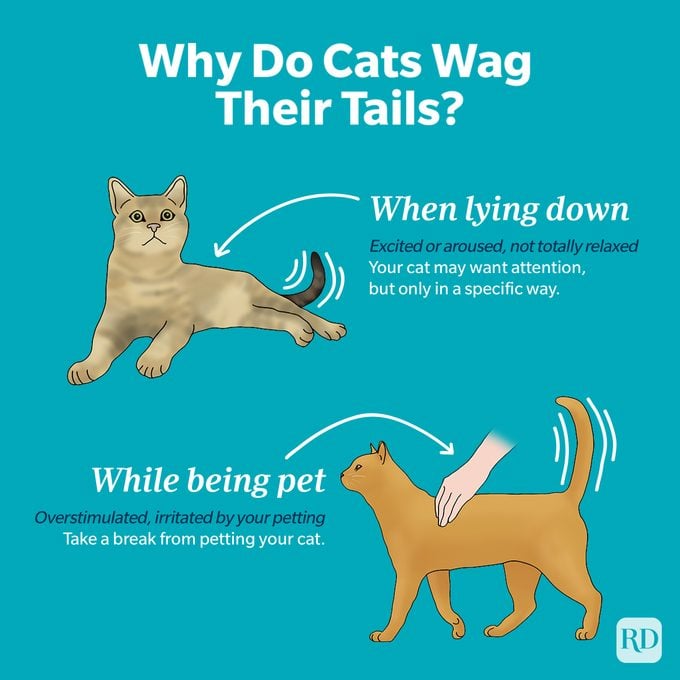
- Tail twitching: annoyed or focused
- Tail wrapped around another cat or person: feeling affectionate
- Tail low or between legs: scared or nervous
Ear Positions
Cat ears move to show feelings and focus. Their position helps you know what they want or feel.
Forward ears mean the cat is curious or happy. Flattened ears show fear or anger.
- Ears facing forward: alert and interested
- Ears turned sideways or backward: irritated or unsure
- Ears flat against the head: scared or angry
- One ear twitching: listening carefully
Eye Expressions
Cat eyes show many emotions. The size and movement of their pupils give clues about how they feel.
Slow blinking means a cat trusts you. Wide eyes can mean surprise or fear.
- Slow blink: relaxed and trusting
- Wide open eyes: excited or scared
- Half-closed eyes: calm and content
- Dilated pupils: scared or excited
- Small pupils: focused or angry
Posture Signals
A cat’s body posture shows its mood clearly. Relaxed bodies mean comfort, while tense bodies signal stress.
Arched backs with fur standing up show fear or aggression. A cat lying on its back feels safe.
- Relaxed body: calm and happy
- Arched back: scared or angry
- Rolling on back: trusting and playful
- Crouching low: scared or ready to pounce
- Stretching: comfortable and relaxed
Credit: catanddoghouse.com
Vocalizations And Sounds
Cats use different sounds to share their feelings and needs. Listening carefully helps you understand them better.
Each sound means something special. Knowing these meanings can improve your bond with your cat.
Meowing Patterns
Cats meow to talk to people, not other cats. The tone and length tell what they want or feel.
A short meow often means hello. A long meow can mean they want attention or food.
- Soft meow: greeting or request
- Loud meow: demand or frustration
- Repeated meows: urgent need
Purring Meanings
Purring is a common sound that shows a cat is calm and happy. It can also mean they feel safe.
Sometimes cats purr when they are scared or sick. It helps them feel better and calm down.
- Soft purr: contentment
- Louder purr: seeking comfort
- Mixed purr: pain or stress relief
Hissing And Growling
Hissing and growling warn others to stay away. Cats use these sounds when they feel scared or angry.
These sounds mean your cat feels threatened. It is best to give them space at this time.
- Hissing: fear or defense
- Growling: anger or warning
- Combined: high stress or danger
Chirps And Trills
Chirps and trills are soft sounds cats make to get your attention or talk to other cats.
These sounds show excitement or curiosity. Mother cats also use them to call kittens.
- Chirp: alert or greeting
- Trill: happy and friendly
- Repeated trills: invitation to play
Common Cat Behaviors
Cats show many behaviors to communicate how they feel. Watching these signs helps you understand your cat better.
Each cat has unique ways to express comfort, stress, or playfulness. Learning these habits builds a stronger bond.
Kneading And Purring
Kneading is when cats push their paws in and out on soft surfaces. This shows they feel safe and happy.
Purring is a soft, vibrating sound cats make. It often means they are content but can also signal pain or stress.
Scratching Habits
Scratching helps cats keep their claws sharp. It also marks their territory with scent glands in their paws.
Providing scratching posts can protect your furniture and satisfy your cat’s natural needs.
- Scratches on posts show normal behavior
- Scratching furniture may mean no suitable post
- Changes in scratching could signal stress or illness
Hunting And Play
Cats like to stalk and pounce, even indoors. This is part of their hunting instinct.
Playtime with toys helps cats stay active and mentally sharp. It also reduces boredom and stress.
- Chasing toys mimics hunting
- Interactive play strengthens your bond
- Regular play prevents behavior problems
Grooming Rituals
Cats groom themselves to stay clean and cool. It also helps spread natural oils across their fur.
Over-grooming or lack of grooming can indicate health problems or stress. Watch for changes in this habit.
Emotional States In Cats
Cats show their feelings in many ways. Understanding their emotions helps build a strong bond.
Watching their body language and sounds reveals how they feel inside.
Signs Of Happiness
Happy cats look relaxed and content. They often purr and knead with their paws.
They show trust by rubbing their head on you or closing their eyes slowly.
- Purring loudly or softly
- Slow blinking at you
- Relaxed body and tail held high
- Kneading with paws on soft surfaces
- Playful behavior and curiosity
Indicators Of Stress
Stressed cats may hide or avoid contact. Their body becomes tense and stiff.
They might lick themselves too much or stop eating. Watch for sudden changes in behavior.
- Hiding in quiet places
- Excessive grooming or licking
- Loss of appetite
- Tense muscles and stiff posture
- Restlessness or pacing
Fear And Anxiety Cues
Fear makes cats try to escape or hide quickly. Their ears may flatten back against their head.
They may hiss, growl, or show wide eyes with dilated pupils when scared.
- Flattened ears
- Wide, staring eyes
- Hissing or growling sounds
- Trying to hide or run away
- Trembling or shaking
Aggression Triggers
Aggressive cats show clear warnings before attacking. Their tail may twitch or lash.
They raise their fur and may swipe with claws out if they feel threatened.
- Tail lashing or twitching
- Raised fur along back
- Swatting or clawing
- Hissing and growling loudly
- Direct stare or narrowed eyes
Building A Strong Bond
Understanding your cat’s behavior helps you build a strong bond. Cats show feelings in many ways.
Learning to read these signals makes your relationship better and happier for both.
Effective Communication
Cats communicate with body language, sounds, and actions. Watch their tail, ears, and eyes.
Respond to their signals gently. Speak softly and move calmly to keep them relaxed.
Respecting Boundaries
Each cat has limits. Notice when your cat wants space or time alone.
Do not force touch or attention. Let them come to you when ready.
- Watch for signs of discomfort like hissing or tail flicking
- Give your cat a quiet spot to retreat
- Stop playing if your cat seems tired or annoyed
Encouraging Play
Play is important for cats’ health and happiness. Use toys to engage their hunting instincts.
Short, frequent play sessions work best. Let your cat catch the toy sometimes to feel successful.
- Use feather toys or small balls
- Move toys like real prey
- Keep sessions fun and safe
Providing Comfort
Comfort helps cats feel safe and loved. Provide soft bedding in quiet areas.
Offer warmth and gentle petting if your cat enjoys it. Watch their reaction to know what they like.

Credit: www.amazon.com
When To Seek Expert Help
Cats can show many behaviors, but some need expert advice. Knowing when to get help keeps your cat safe.
Experts like vets or behaviorists can find causes and offer solutions. Watch your cat closely for signs.
Behavioral Changes
If your cat suddenly acts very different, ask an expert. Changes can mean stress, illness, or pain.
Examples include hiding more, not eating, or using the litter box wrong. These may need professional help.
Health-related Issues
Health problems often change how cats behave. If your cat is sick or hurt, see a vet quickly.
Signs like vomiting, limping, or constant scratching show health troubles. Early care helps your cat heal.
Aggression Problems
Aggressive behavior can harm your cat or others. Seek help if your cat bites or scratches often.
- Sudden attacks without clear cause
- Growling or hissing often
- Defending territory aggressively
- Aggression toward family members
Experts can teach safe ways to reduce aggression and improve your cat’s comfort.
Anxiety And Phobias
Cats may feel scared or anxious without clear reasons. This can hurt their health and mood.
If your cat hides, trembles, or refuses to eat, consult an expert. They can suggest ways to calm your cat.
Credit: www.rd.com
Frequently Asked Questions
What Does A Cat’s Purring Really Mean?
A cat’s purring often signals contentment and relaxation. However, it can also indicate pain or stress. Observing other behaviors helps interpret the true meaning. Purring is a versatile communication tool in cat behavior.
Why Do Cats Knead With Their Paws?
Cats knead to mark territory using scent glands in their paws. It also shows comfort and affection. This behavior often originates from kittenhood when they kneaded their mother’s belly to stimulate milk flow.
How Can I Tell If My Cat Is Stressed?
Signs of stress include hiding, excessive grooming, and changes in appetite. Cats may also vocalize more or show aggression. Identifying stress early helps address the cause and maintain your cat’s well-being.
What Does A Cat’s Tail Position Indicate?
A raised tail usually means a happy, confident cat. A low or tucked tail can signal fear or submission. Tail twitching often shows excitement or irritation. Tail position is a key indicator of a cat’s mood.
Conclusion
Understanding cat behavior enriches your bond with your feline friend. Cats communicate through actions and sounds. Pay attention to their body language. Recognize signs of happiness or discomfort. Respond with care and patience. This strengthens trust. Every cat is unique.
Observe and learn from their actions. Respect their needs and boundaries. This fosters a harmonious relationship. Enjoy the companionship and love they offer. With knowledge and empathy, you’ll nurture a lasting connection. Cats appreciate understanding and kindness. Your efforts will be rewarded with affection.
Embrace the journey of learning and growing together.