Have you ever noticed your cat cleaning itself right after a meal? It might seem like a simple habit, but there’s more to this behavior than just staying tidy.
Understanding why your cat grooms itself after eating can help you connect better with your furry friend and even spot when something might be wrong. Keep reading to discover the surprising reasons behind this common cat ritual and what it means for your pet’s health and happiness.
Credit: pethelpful.com
Cats’ Grooming Habits
Cats spend a lot of time grooming themselves. Grooming helps them stay clean and healthy.
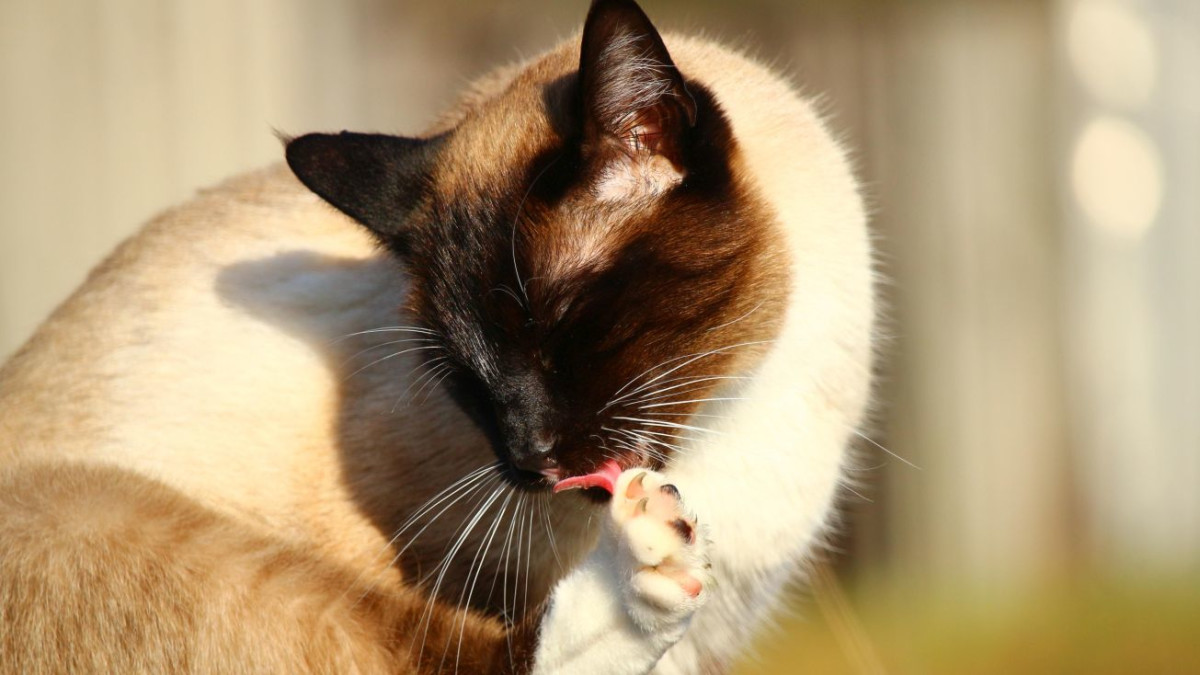
After eating, you might see a cat licking its fur. This behavior is part of their natural grooming habits.
Frequency And Patterns
Cats groom themselves several times a day. Grooming happens more often after meals. It helps them remove food smells and keeps their fur tidy.
- Cats usually groom for 30 to 50 minutes each day.
- They may groom immediately after eating to clean their face and paws.
- Grooming also helps cats calm down after a meal.
- Older cats might groom less often than younger ones.
Common Grooming Behaviors
Grooming includes several common actions. Cats lick their fur, nibble at knots, and clean their paws. Each action has a purpose.
| Behavior | Purpose |
|---|---|
| Licking Fur | Removes dirt and food particles |
| Nibbling or Biting | Fixes tangled fur or removes fleas |
| Cleaning Paws | Wipes face and eyes clean |
| Stretching During Grooming | Relaxes muscles and improves blood flow |
Connection Between Eating And Grooming
Cats often groom themselves right after eating. This behavior links eating and grooming closely.
Grooming helps cats stay clean and feel comfortable after a meal. It also supports their health in different ways.
Cleaning Food Residue
After eating, cats clean their fur to remove food bits and odors. This keeps their coat tidy and free from dirt.
- Food can stick to whiskers and face.
- Grooming removes crumbs and smells.
- Clean fur helps cats avoid attracting insects.
- It prevents food residue from causing skin problems.
Stimulating Digestion
Grooming after meals may also help cats digest food better. The licking action can relax their body and mind.
| Benefit | How Grooming Helps |
|---|---|
| Relaxation | Reduces stress, aiding digestion |
| Saliva Production | Saliva helps break down food |
| Body Temperature | Regulates temperature for comfort |
| Stimulates Nerves | Activates nerves linked to digestion |
Instinctual And Evolutionary Factors
Cats groom themselves after eating because of deep instinctual and evolutionary reasons. This behavior helps them survive in the wild and stay safe from danger.
Grooming after a meal is not just about cleanliness. It is linked to how cats protect themselves and keep their natural habits.
Survival Mechanisms
In the wild, cats need to stay alert to avoid predators. Grooming helps them remove food smells that could attract danger. It also keeps their fur clean and ready for quick movement.
- Removes food scents that predators can detect
- Keeps fur free of dirt and parasites
- Maintains agility by keeping fur smooth
- Helps regulate body temperature
Maintaining Scent And Safety
After eating, cats clean themselves to hide their presence from other animals. Their scent can show where they are and if they have just eaten. Grooming reduces this risk.
| Reason | Effect |
| Remove food odor | Prevents predators from tracking |
| Clean fur | Reduces parasite risk |
| Mask scent | Protects hunting advantage |
| Maintain fur condition | Improves body temperature control |
Emotional And Psychological Reasons
Cats often groom themselves after eating. This behavior helps them feel calm and safe. Grooming is not just about cleaning.
It also has emotional and psychological benefits. These reasons explain why cats like to lick their fur after a meal.
Stress Relief And Comfort
Grooming helps cats reduce stress after eating. It gives them a sense of comfort and calmness. The act of licking releases calming chemicals in their brain.
This helps cats feel less anxious. Grooming also distracts them from any worries or threats they may sense in their environment.
- Reduces anxiety and nervousness
- Provides a soothing routine
- Helps cats feel secure
Post-meal Satisfaction
After eating, cats feel content and relaxed. Grooming lets them enjoy this feeling longer. It is a way to mark a peaceful moment.
Cleaning themselves after a meal signals that they are safe and happy. This behavior also helps them prepare for rest or play.
Health Benefits Of Grooming After Meals
Cats often groom themselves right after eating. This behavior helps them stay healthy and clean. Grooming is more than just cleaning their fur.
When cats lick themselves after meals, they protect their bodies in many ways. It helps keep their skin and fur in good condition.
Preventing Illness
Grooming after eating removes food particles from a cat’s fur. This stops bacteria from growing near their mouth and face. Clean fur reduces the risk of infections.
By licking themselves, cats also remove any harmful substances from their fur. This helps keep their immune system strong and prevents illness.
Skin And Fur Maintenance
Grooming spreads natural oils across the cat’s skin and fur. These oils keep the fur shiny and soft. They also protect the skin from dryness and irritation.
Licking helps remove loose fur and dirt. This prevents matting and keeps the coat smooth. Healthy fur helps cats stay comfortable and warm.

Credit: www.youtube.com
Variations Among Different Cats
Cats groom themselves after eating for many reasons. This behavior can differ by age and breed. Understanding these variations helps explain why cats clean themselves.
Some cats groom more often, while others do it less. These differences depend on many factors, including their age and breed.
Age And Grooming Habits
Young cats usually groom themselves more after meals. They are active and keep clean to avoid dirt and food smells. Older cats may groom less due to health or energy levels.
- Kittens groom to learn hygiene and social skills.
- Adult cats have regular grooming routines.
- Senior cats may groom less because of arthritis or weakness.
- Older cats might need help from owners to stay clean.
Breed Differences
Different cat breeds show unique grooming behaviors. Some breeds have thick fur and need more cleaning. Others have short hair and groom less often.
| Breed | Fur Type | Grooming Needs |
| Persian | Long and thick | Grooms often, needs extra brushing |
| Sphynx | Hairless | Less grooming but skin cleaning needed |
| British Shorthair | Short and dense | Moderate grooming |
| Bengal | Short and soft | Grooms regularly, less fur matting |

Credit: www.youtube.com
Frequently Asked Questions
Why Do Cats Groom Themselves After Eating?
Cats groom themselves after eating to clean food residue from their fur. This behavior also helps remove odors that might attract predators. Grooming calms them and aids digestion by stimulating saliva production. It’s a natural, instinctive habit for hygiene and comfort.
Does Grooming After Eating Help Cats With Digestion?
Yes, grooming increases saliva production, which aids digestion. Saliva contains enzymes that help break down food. Grooming also relaxes cats, reducing stress that might hinder digestion. This routine supports overall digestive health by preparing the body for efficient nutrient absorption.
Is Post-meal Grooming A Sign Of Stress In Cats?
Not necessarily. Grooming after meals is usually a normal, comforting behavior. However, excessive grooming might indicate stress or health issues. If grooming seems compulsive or causes hair loss, consult a veterinarian for advice. Typically, it’s a healthy, calming routine for cats.
Do All Cats Groom After Eating?
Most cats groom after eating, but individual habits vary. Some cats may groom immediately, while others wait or skip it. Grooming is an instinctive behavior, but factors like personality, environment, and health can influence the frequency and timing of grooming sessions.
Conclusion
Cats groom after eating to stay clean and healthy. This behavior is natural. Their grooming helps remove food scent. It also maintains their fur. Cats feel relaxed when grooming. It’s their way to destress. Instinct drives this routine. They also bond with their humans by staying tidy.
Clean fur means a healthy cat. Understanding this behavior helps us care better. Our feline friends appreciate a clean environment. So, the next time your cat grooms after eating, know it’s perfectly normal. It’s part of their charm. And an important part of their daily life.