
Have you noticed your cat acting differently lately? Maybe they used to be calm and friendly, but now they seem distant or even aggressive.
A complete change in your cat’s behavior can be confusing and worrying. You might wonder what caused this sudden shift and how to help your furry friend feel like themselves again. You’ll discover the surprising reasons behind drastic changes in cat behavior and what steps you can take to understand and support your pet.
Keep reading—your cat’s happiness might depend on it.
Health Issues
A sudden change in your cat’s behavior can signal health problems. Cats often hide pain or sickness until it worsens.
Understanding health-related causes helps you act quickly to support your cat’s well-being.
Common Illnesses Affecting Behavior
Illnesses can make cats withdrawn, aggressive, or less active. Some common health issues are:
- Urinary tract infections
- Hyperthyroidism
- Kidney disease
- Dental problems
- Arthritis
Pain And Discomfort Signs
Pain changes how cats act. Watch for these signs:
| Sign | Description |
| Hiding | Stays in one place or avoids people |
| Aggression | Growling or biting when touched |
| Changes in Grooming | Stops cleaning or over-grooms a spot |
| Loss of Appetite | Eating less or not at all |
| Restlessness | Pacing or unable to get comfortable |
When To See A Veterinarian
Take your cat to the vet if you notice:
- Sudden behavior changes lasting more than a day
- Signs of pain or discomfort
- Loss of appetite or weight
- Difficulty moving or jumping
- Any unusual hiding or aggression
Environmental Changes
Cats can change their behavior due to changes in their environment. These changes may cause stress or confusion for your cat. Understanding what triggers these changes helps you support your pet better.
Environmental changes include moving to a new home, adding new pets, or altering daily routines. Each of these can affect a cat’s mood and actions in different ways.
New Home Or Moving
Moving to a new house is a big change for a cat. They lose familiar smells and places that make them feel safe. This can cause hiding, aggression, or loss of appetite.
- Unpack your cat’s belongings first to create a safe space.
- Keep their feeding and litter box areas consistent.
- Allow your cat to explore the new home slowly.
- Use calming sprays or diffusers if needed.
Introduction Of New Pets
Bringing a new pet into the house can confuse or scare your cat. Your cat may act withdrawn or show signs of aggression. Their behavior depends on how the new pet is introduced.
| Behavior Change | Possible Cause | What to Do |
| Hiding | Feeling threatened by new pet | Give your cat quiet time and space |
| Aggression | Protecting territory | Introduce pets slowly and supervise |
| Loss of Appetite | Stress from new pet | Maintain feeding routine and comfort |
Changes In Household Routine
Changes in daily routine can upset a cat’s sense of security. New schedules, visitors, or noise can cause anxiety and odd behavior.
Common routine changes that affect cats:
- Different feeding times
- More or less human activity
- Changes in cleaning or noise levels
- New sleeping places or furniture
Stress And Anxiety
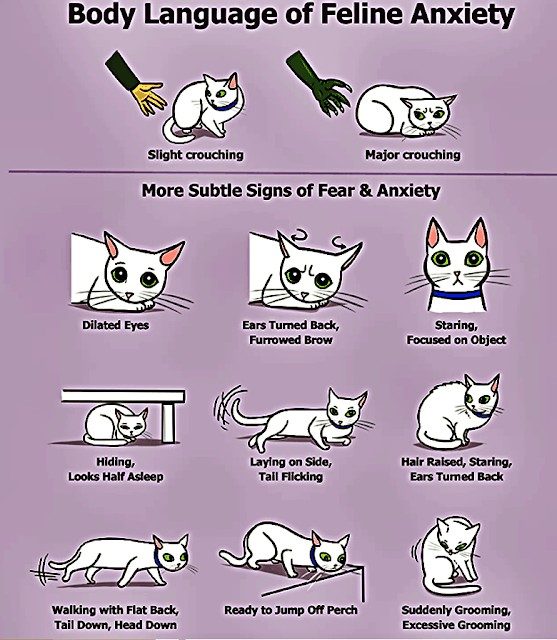
Cats can change their behavior due to stress and anxiety. These feelings make them act differently than usual.
Understanding what causes this stress helps owners support their cats better. It can improve the cat’s well-being.
Triggers Of Cat Stress
Many things can cause stress in cats. Some common triggers include changes in their environment or routine.
Other triggers are loud noises, new people, or other pets in the house.
- Moving to a new home
- New family members or pets
- Loud sounds like fireworks or thunderstorms
- Changes in feeding or playtime
- Visits to the vet
Behavioral Symptoms
Stress and anxiety cause clear changes in a cat’s behavior. Owners should watch for these signs.
Cats may hide more, stop eating, or become aggressive. They might also groom too much or too little.
- Hiding or avoiding people
- Losing appetite or overeating
- Excessive grooming or hair loss
- Increased aggression or irritability
- Unusual vocalizations like yowling
- Changes in litter box habits
Managing Anxiety In Cats
Helping a stressed cat means creating a calm and safe space. Routine and comfort reduce anxiety.
Toys, quiet areas, and gentle attention support a cat’s emotional health. Sometimes vets may suggest treatment.
- Keep a steady feeding and play schedule
- Provide hiding spots and quiet rooms
- Use calming products like pheromone diffusers
- Give gentle, patient attention
- Consult a vet for severe anxiety
Credit: www.webmd.com
Aging Effects
As cats grow older, their behavior can change in many ways. Aging affects their mind and body.
These changes often cause a complete shift in how cats act and interact with their owners.
Cognitive Decline
Older cats may experience cognitive decline, similar to dementia in humans. This affects their memory and learning.
They might forget familiar places or people and show confusion or anxiety.
- Loss of recognition of family members
- Increased anxiety or restlessness
- Changes in sleep patterns
- Difficulty learning new things
Physical Limitations
Older cats often face physical challenges. Their joints and muscles may become stiff or weak.
This can make them less active and more cautious in their movements.
- Reduced jumping ability
- Slower walking or movement
- Difficulty grooming
- Increased sensitivity to pain
Adjusting Care For Older Cats
Changing care routines helps older cats feel comfortable and safe. Adjustments support their new needs.
Simple changes can improve their quality of life and reduce stress caused by aging.
- Provide soft bedding in warm, quiet areas
- Offer easy-to-reach food and water bowls
- Use litter boxes with low sides for easy access
- Schedule regular vet check-ups for health monitoring
Diet And Nutrition
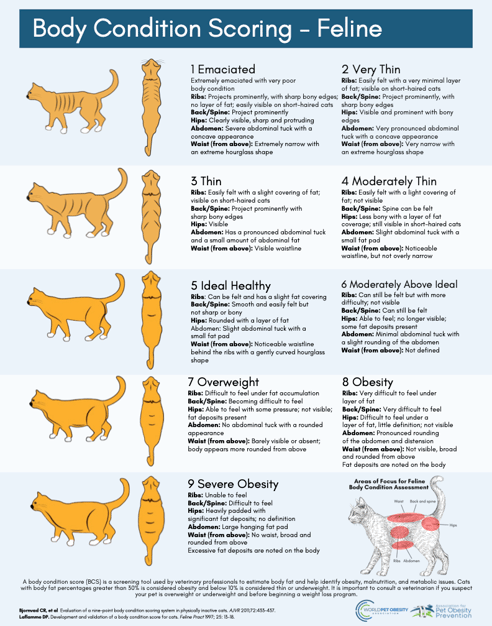
A cat’s diet plays a big role in its behavior. What a cat eats can affect its mood and actions.
Changes in diet or poor nutrition may cause a cat to act differently. Understanding these effects helps in caring for your pet.
Impact Of Poor Diet
Poor diet can make cats feel tired or irritable. Lack of essential nutrients may cause health problems that change behavior.
- Low protein intake can reduce energy levels.
- Insufficient vitamins can affect mood and activity.
- Too many fillers or carbs may lead to weight gain and sluggishness.
Food Allergies And Sensitivities
Some cats have allergies or sensitivities to certain foods. These can cause discomfort and behavior changes.
| Symptom | Possible Cause |
| Itching or scratching | Food allergy |
| Vomiting or diarrhea | Food sensitivity |
| Aggression or irritability | Discomfort from food |
Dietary Changes And Behavior
Changing a cat’s diet suddenly can stress it out. This stress can cause odd or new behaviors.
Tips for changing your cat’s diet safely:
- Switch foods slowly over 7-10 days.
- Watch for signs of upset stomach or mood changes.
- Keep fresh water available at all times.
- Consult a vet if unusual behaviors continue.
Credit: urbananimalveterinary.com
Lack Of Stimulation
Cats need mental and physical activity to stay healthy and happy. Without enough stimulation, they may change their behavior completely.
Understanding the effects of boredom and how to keep your cat engaged helps prevent these changes.
Boredom And Its Consequences
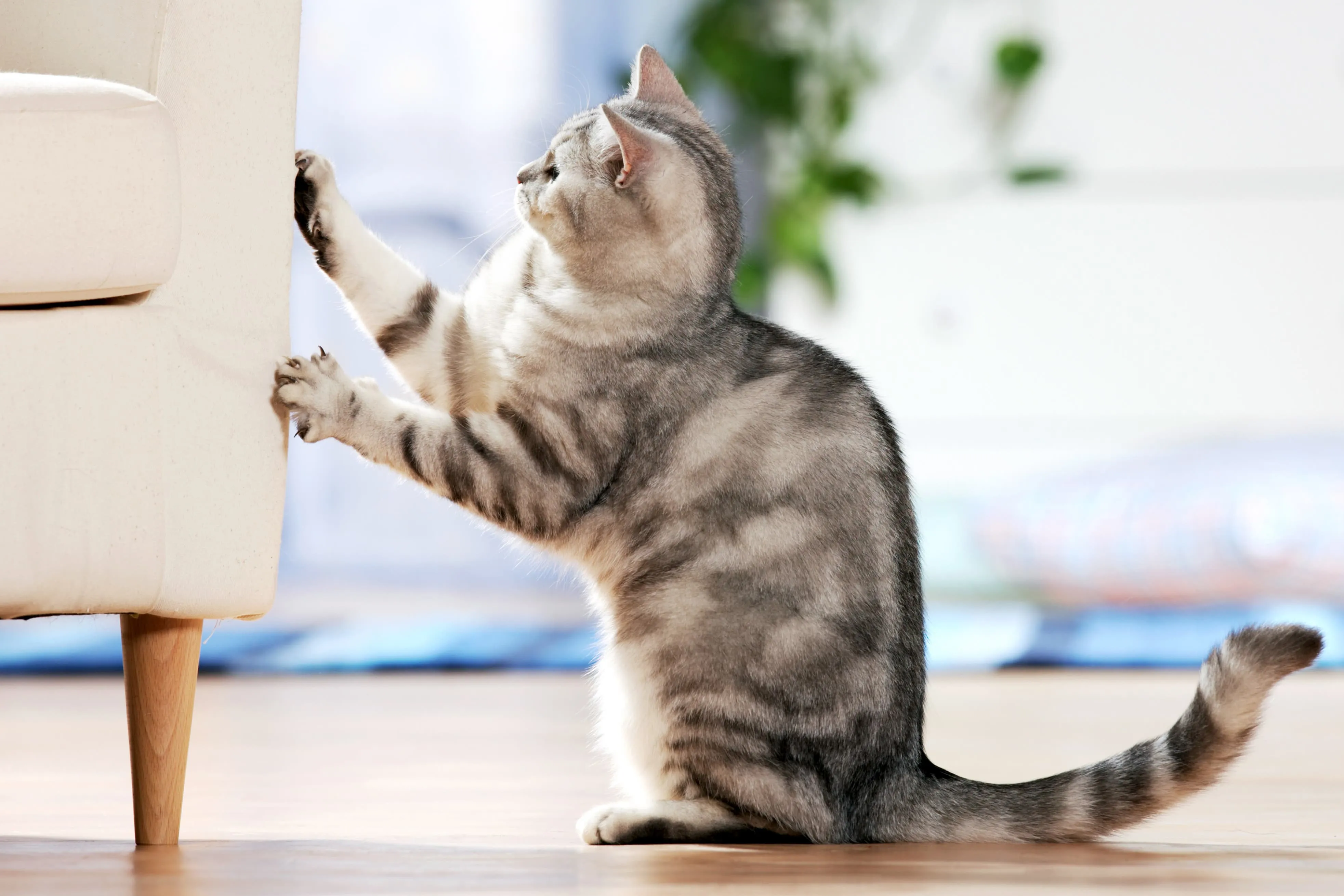
Boredom can cause cats to act out or become withdrawn. They may scratch furniture, meow loudly, or hide more than usual.
- Destructive behavior like scratching or chewing
- Excessive vocalization or crying
- Loss of appetite or overeating
- Withdrawal and hiding
- Increased aggression or irritability
Importance Of Play
Play helps cats use their energy and sharpens their senses. It also reduces stress and improves their mood.
Daily play sessions keep cats active and less likely to develop bad habits.
Environmental Enrichment Ideas
| Enrichment Idea | Description |
|---|---|
| Interactive Toys | Toys that move or make noise to catch your cat’s attention. |
| Cat Trees and Shelves | Provide places to climb and observe from high points. |
| Window Perches | Allow cats to watch birds and outside activity safely. |
| Food Puzzles | Stimulate their mind by making them work for treats. |
| Regular Playtime | Spend time each day playing with your cat. |
Trauma Or Abuse
Cats can change their behavior after trauma or abuse. These events affect their trust and feelings.
Understanding these changes helps owners support their cats better. Recognizing signs is very important.
Signs Of Past Trauma
Cats with past trauma may hide often or avoid contact. They might seem nervous or scared.
Other signs include sudden aggression or reluctance to eat. Some cats may overgroom or show fear.
- Hiding in safe spots frequently
- Startling easily at noises or movements
- Aggressive reactions without clear cause
- Changes in eating or grooming habits
- Avoiding people or other pets
Behavioral Changes Due To Abuse
Abuse can make cats fearful or defensive. They may hiss, scratch, or bite more often.
Some cats become very withdrawn and stop playing. Others might lose litter box habits or stop eating.
- Increased fear or anxiety around people
- Aggression when touched or approached
- Lack of interest in toys or activities
- Changes in sleeping or eating patterns
- Loss of litter box use
Helping A Traumatized Cat
Give your cat a quiet, safe space to feel secure. Use gentle voices and slow movements.
Be patient and let your cat approach you. Avoid forcing contact or quick changes in their routine.
- Provide hiding places and comfortable bedding
- Offer food and water in calm areas
- Use soft tones when speaking
- Give your cat time to trust again
- Consult a vet if behavior worsens
Credit: www.preventivevet.com
Frequently Asked Questions
What Causes Sudden Changes In Cat Behavior?
Sudden changes in cat behavior often result from illness, stress, or environmental shifts. Pain or discomfort can make cats act differently. New pets or moving homes also impact their behavior. Identifying triggers helps in providing proper care and consulting a vet if needed.
How Does Stress Affect A Cat’s Behavior?
Stress can make cats anxious, aggressive, or withdrawn. Changes in routine, loud noises, or unfamiliar people trigger stress. Cats may hide, vocalize more, or stop eating. Managing stress by creating a calm environment improves their well-being and behavior.
Can Health Issues Lead To Behavior Changes In Cats?
Yes, health problems like infections, pain, or neurological issues cause behavior shifts. Cats hide symptoms, so sudden changes are key signs. Regular vet check-ups and prompt treatment help address underlying health causes and restore normal behavior.
Why Do Cats Suddenly Become Aggressive?
Aggression can stem from fear, pain, or territorial instincts. Stressful events or illness can trigger sudden aggression. Understanding triggers and avoiding confrontations helps. Consult a vet or behaviorist for persistent aggressive behavior.
Conclusion
Understanding your cat’s behavior is essential for a happy home. Changes in behavior can signal important needs or health issues. Regular vet visits help catch problems early. Observe your cat’s environment and daily routine. Small adjustments can make a big difference.
Stress, new pets, or even a move can affect them. Always show patience and care. Your attention can make them feel secure. Remember, every cat is unique. Listen to what they are telling you through their actions. This builds a stronger bond.
Your love and understanding are key.