
Are you struggling with your cat’s tricky behavior? Maybe your furry friend scratches the furniture, hides all day, or refuses to use the litter box.
You want to enjoy a peaceful home and a happy pet, but these challenges can make that feel impossible. The good news is, you can change your cat’s behavior—and it’s easier than you think. You’ll discover simple, practical steps that help you understand your cat better and guide them toward positive habits.
Keep reading, because the solution to a calmer, more loving cat is right here.

Credit: animals.howstuffworks.com
Reasons Behind Cat Behavior
Cats show different behaviors for many reasons. Understanding these helps in caring for them better.
Some behaviors are normal, while others may signal problems. Knowing the causes can improve your cat’s life.
Common Behavioral Issues
Cats can have issues like scratching furniture or not using the litter box. These problems often come from confusion or fear.
- Scratching to mark territory or sharpen claws
- Aggression due to fear or pain
- Excessive meowing for attention or stress
- Hiding because of anxiety or illness
Environmental Triggers
Changes in a cat’s environment can cause stress and change behavior. Loud noises or new pets can upset cats.
| Trigger | Effect on Cat |
| New people or animals | Stress and hiding |
| Loud sounds | Fear and aggression |
| Moving furniture | Confusion and avoidance |
| Change in routine | Restlessness and meowing |
Health And Stress Factors
Health problems often cause behavior changes. Stress from illness or injury makes cats act differently.
Signs to watch for include:
- Loss of appetite
- Excessive grooming
- Sudden aggression
- Hiding or avoiding contact
Visit a vet if these signs appear to rule out medical issues.
Building Trust And Bonding
Changing a cat’s behavior takes time and patience. Building trust helps your cat feel safe and happy. When your cat trusts you, it will listen better and behave well.
Bonding creates a close connection. This connection makes your cat want to spend time with you. You can build this bond by learning how to interact in positive ways.
Positive Interaction Techniques
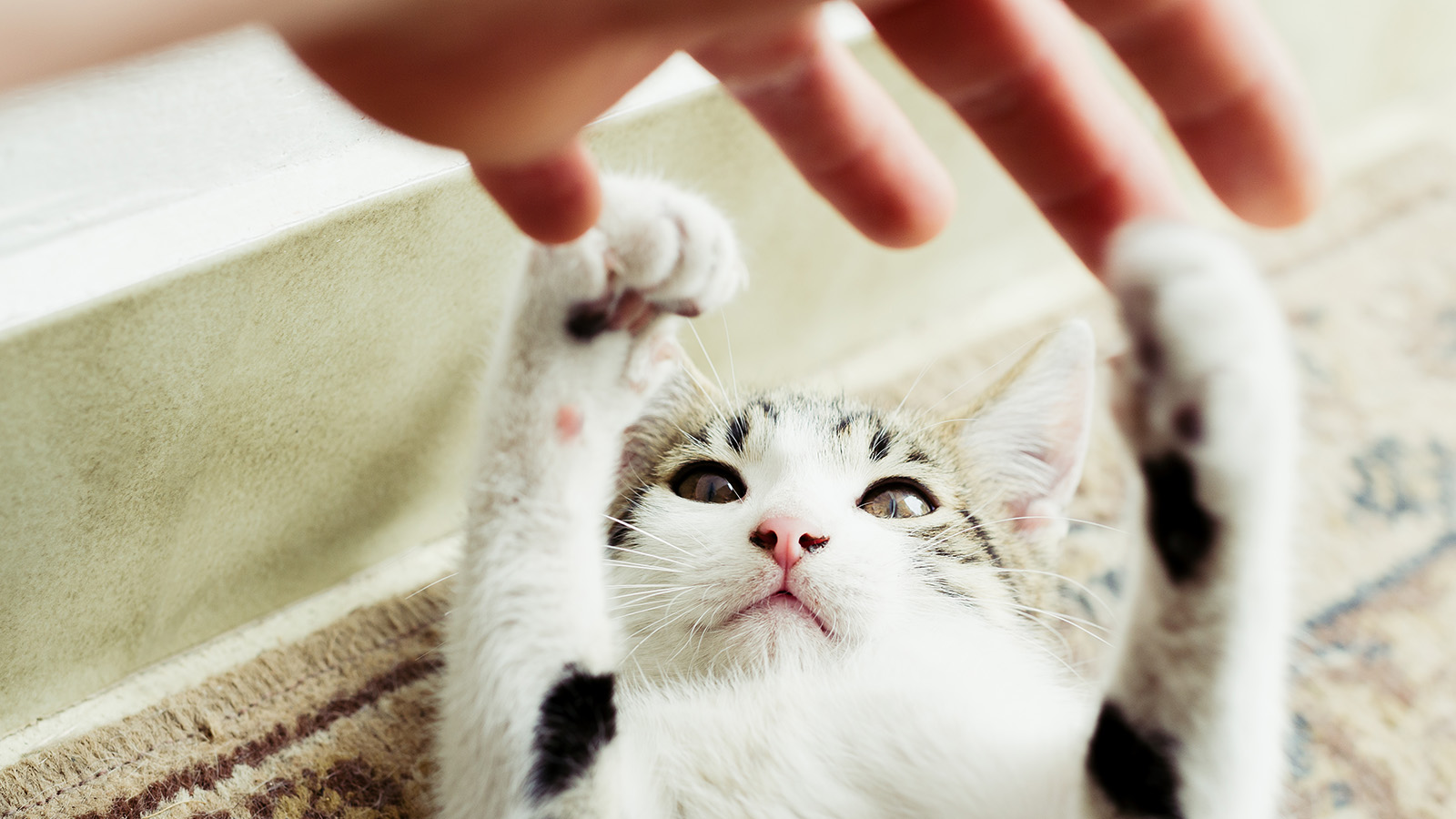
Speak softly and move slowly around your cat. Avoid loud noises or sudden actions. Use gentle petting to show you care. Let your cat come to you instead of forcing contact.
Give treats during calm moments to reward good behavior. Use a calm voice to praise your cat. These actions help your cat feel safe and loved.
Using Play To Encourage Good Behavior
Play helps your cat release energy in a good way. Use toys like feather wands or balls to keep your cat active. This lowers stress and reduces bad habits like scratching furniture.
Play time also strengthens your bond. Your cat will learn to associate you with fun and safety. Keep play sessions short and fun to keep your cat interested.
- Choose interactive toys
- Play for 10-15 minutes daily
- Stop play before your cat gets tired
Respecting Cat’s Space
Cats need their own space to feel safe. Do not force your cat to interact if it wants to be alone. Provide quiet areas where your cat can rest without disturbance.
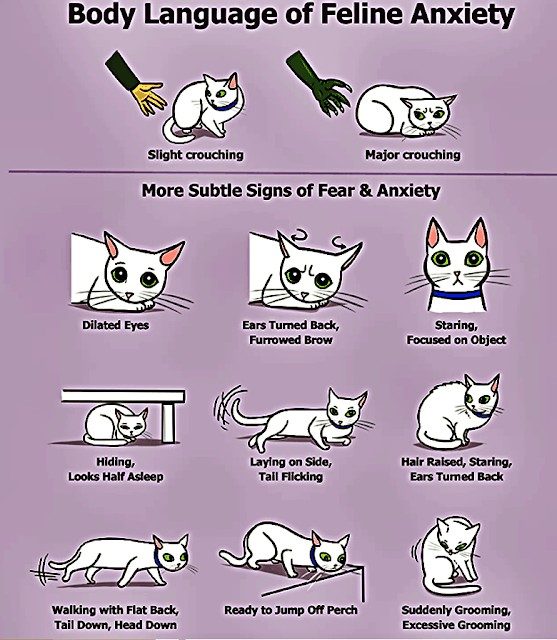
Watch your cat’s body language. Signs like tail flicking or ears back mean your cat needs space. Giving space reduces stress and helps your cat trust you more.
Training Basics For Cats
Changing your cat’s behavior takes time and understanding. Training helps your cat learn what is right and wrong.
This guide covers basic methods to train your cat gently and effectively.
Using Positive Reinforcement
Positive reinforcement means rewarding good behavior. It makes your cat want to repeat that behavior.
- Give treats when your cat listens or follows commands.
- Use gentle praise and petting as rewards.
- Reward immediately after good behavior to connect the action and the reward.
- Avoid punishment; it can cause fear and confusion.
Setting Clear Boundaries
Cats need to know which behaviors are allowed. Clear rules help them understand your expectations.
| Behavior | Allowed | Not Allowed |
| Scratching furniture | No | Use scratching posts |
| Jumping on counters | No | Stay on the floor |
| Using litter box | Yes | Bathroom floor |
Consistency And Patience
Training takes time. Be consistent with rules and rewards every day.
- Use the same commands and signals.
- Practice training sessions daily but keep them short.
- Stay calm if your cat makes mistakes.
- Repeat training often to reinforce good habits.
- Celebrate small progress to stay motivated.
Credit: animals.howstuffworks.com
Managing Unwanted Behaviors
Cats sometimes show behaviors that can be hard to handle. These actions may upset their owners or cause damage. Understanding how to change these behaviors helps both cats and owners live peacefully.
Focus on redirecting aggression, managing scratching and climbing, and fixing litter box problems. Each area needs patience and the right approach to improve your cat’s habits.
Redirecting Aggression
Aggression in cats can be scary and stressful. It can happen due to fear, pain, or stress. You can reduce aggression by giving your cat safe spaces and calm attention.
- Provide toys to distract your cat from aggressive behavior.
- Use gentle play to release energy without harm.
- Avoid sudden movements or loud noises near your cat.
- Watch for signs of stress and remove the cat from triggers.
- Consult a vet if aggression is sudden or severe.
Handling Scratching And Climbing
Scratching and climbing are normal for cats. They keep their claws sharp and stretch their muscles. But these actions can damage furniture or cause accidents.
| Behavior | How to Manage |
| Scratching furniture | Place scratching posts near favorite spots |
| Climbing on counters | Use double-sided tape or mats to discourage jumping |
| Scratching inappropriate areas | Trim claws regularly and offer toys |
| Climbing dangerous places | Keep windows closed and block access |
Addressing Litter Box Issues
Litter box problems can make life hard for cat owners. Cats may avoid the box due to cleanliness, location, or health issues. Fixing these issues helps keep your home clean and your cat happy.
Try these tips to solve litter box problems:
- Clean the box daily and change litter weekly.
- Place the box in a quiet, easy-to-reach area.
- Use unscented, clumping litter your cat prefers.
- Provide one box per cat plus one extra.
- Visit the vet to rule out health problems.
Creating A Cat-friendly Environment
Changing cat behavior starts with making your home safe and fun. Cats need places to play, rest, and eat. You can help them feel calm and happy by setting up a good space.
Here are key ways to create a cat-friendly environment. Focus on toys, hiding spots, and feeding times. These small changes make a big difference in cat behavior.
Enriching With Toys And Scratching Posts
Toys and scratching posts keep cats active and stop bad habits. Cats love to chase, scratch, and climb. Giving them these items helps them stay healthy and happy.
- Use a variety of toys like balls and feather wands
- Place scratching posts in places cats visit often
- Rotate toys to keep your cat interested
- Include vertical spaces like cat trees or shelves
Safe Spaces And Hiding Spots
Cats feel safe when they have quiet places to hide. These spots reduce stress and prevent fear-based behavior. Provide cozy beds or boxes in calm areas of your home.
| Safe Spot | Description | Best Location |
|---|---|---|
| Cat Bed | Soft and warm place to rest | Low traffic room |
| Cardboard Box | Small, enclosed hiding space | Quiet corner or shelf |
| Cat Tree Hideaway | Elevated space with cover | Near window or living room |
Routine And Feeding Schedules
Cats like routine. Feeding at the same times helps them feel secure. It also reduces begging and anxiety. Keep a regular schedule for meals and playtime.
- Feed your cat twice a day at set times
- Keep food and water bowls in the same place
- Play with your cat before feeding to use energy
- Watch for signs of hunger or fullness
Credit: urbananimalveterinary.com
When To Seek Professional Help
Changing your cat’s behavior can be a challenge. Sometimes, you may need help beyond home methods. Knowing when to seek professional advice is important for your cat’s health and happiness.
Professional help can guide you through difficult issues. It can also prevent problems from getting worse. Here are signs that show you might need expert support.
Behavioral Specialists
Behavioral specialists understand cat actions deeply. They can find root causes of problems like aggression or anxiety. These experts use training and therapy to help your cat.
- If your cat shows sudden aggression
- If your cat hides or avoids people often
- If your cat marks territory indoors
- If your cat’s behavior disrupts your home
Veterinary Advice
Some behavior problems come from health issues. Your veterinarian can check your cat for pain or illness. Treating medical problems may fix behavior too.
| Behavior | Possible Medical Cause | Action |
| Sudden aggression | Injury or pain | Visit vet for exam |
| Excessive licking | Skin allergy | Seek veterinary diagnosis |
| Loss of appetite | Dental problems | Get vet treatment |
| Frequent urination outside litter box | Urinary infection | Veterinary checkup needed |
Training Classes And Resources
Training classes teach you how to manage cat behavior. They offer tips on positive reinforcement and routine building. Classes can help both you and your cat stay calm and happy.
Look for classes that cover:
- Understanding cat body language
- Using rewards to encourage good habits
- Managing stress triggers in your home
- Safe ways to handle problem behaviors
Frequently Asked Questions
How Can I Stop My Cat From Scratching Furniture?
Provide scratching posts near favorite spots. Use deterrents like double-sided tape. Reward your cat for using posts consistently.
What Is The Best Way To Reduce Cat Aggression?
Identify triggers causing aggression. Avoid punishment and use positive reinforcement. Provide toys and playtime to redirect energy.
How Do I Train A Cat To Use The Litter Box?
Place the litter box in a quiet area. Keep it clean and accessible. Reward your cat immediately after use.
Why Does My Cat Suddenly Change Behavior?
Behavior changes may indicate stress, illness, or environmental shifts. Consult a vet if changes persist or worsen.
Conclusion
Transforming your cat’s behavior takes patience and understanding. Start with small changes. Consistency is key to success. Always use positive reinforcement. Celebrate their progress, no matter how small. Keep learning about your cat’s needs. Spend quality time together daily. Build trust through gentle interactions.
Every cat is unique, so adapt your approach. Stay patient and observant. A happier, well-behaved cat enriches your home. Enjoy the journey with your feline friend. It’s rewarding and worthwhile.