Have you ever wondered which domestic cat holds the title of the largest? If you’re a cat lover or just curious, this question might surprise you.
Knowing about the biggest house cats isn’t just fun—it can change how you see your own feline friend. You’ll discover what makes these cats so special, how big they really get, and why size matters. Keep reading to find out if your cat could be a contender or if you want to meet the gentle giants of the cat world.
Credit: uk.news.yahoo.com
Biggest Domestic Cat Breeds
Many cat lovers wonder about the biggest domestic cats. Some breeds grow larger than others.
This guide covers four of the largest domestic cat breeds. Learn what makes each one unique.
Maine Coon
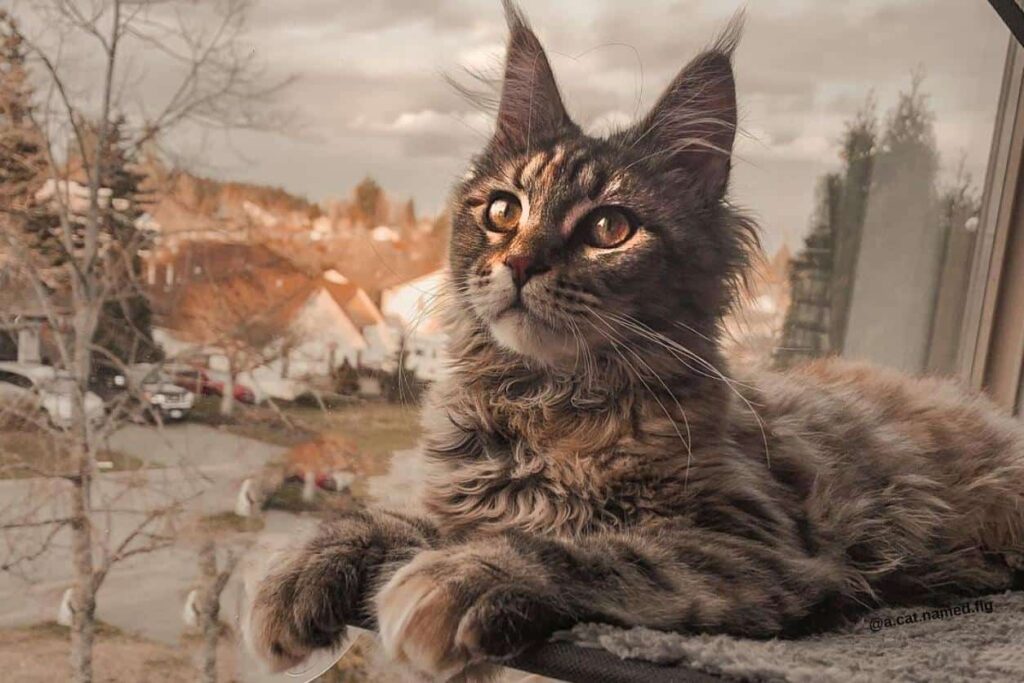
The Maine Coon is one of the largest domestic cat breeds. It has a long, thick coat and tufted ears.
Males can weigh up to 18 pounds or more. They are friendly, smart, and great with families.
Savannah Cat
The Savannah Cat is a mix between a domestic cat and a wild serval. It is tall and lean.
- Weight: 12 to 25 pounds
- Height: Up to 17 inches at the shoulder
- Appearance: Spotted coat, large ears
- Personality: Active and curious
Ragdoll
Ragdolls are large cats with blue eyes and soft fur. They are known for their relaxed nature.
Adult males can weigh up to 20 pounds. They often go limp when held, giving them their name.
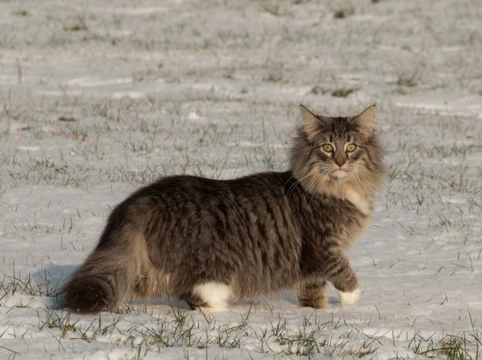
Norwegian Forest Cat
| Trait | Description |
|---|---|
| Weight | 12 to 16 pounds |
| Coat | Thick, water-resistant fur |
| Build | Strong and muscular |
| Origin | Norway |
These cats are good climbers and hunters. They have a friendly and calm personality.
Physical Traits Of Giant Cats
Giant domestic cats are known for their impressive size and unique physical features. These cats stand out with their large bodies and striking looks.
Understanding their traits helps to appreciate how they differ from regular cats. Their size, coat, and body shape make them special.
Size And Weight
The largest domestic cats can weigh between 15 to 25 pounds. Some can even reach up to 30 pounds or more. Their length from head to tail can be over 40 inches.
- Weight range: 15 to 30+ pounds
- Length: Up to 40 inches or more
- Height: Around 10 to 16 inches at the shoulder
Coat And Color Patterns
Giant cats have thick, dense coats that keep them warm. Their fur can come in many colors and patterns. These patterns include stripes, spots, and solid colors.
| Pattern | Description |
|---|---|
| Tabby | Striped or swirled patterns with an “M” shape on the forehead |
| Solid | One uniform color without markings |
| Spotted | Dots or spots scattered across the body |
| Bi-color | Two colors, often with white mixed in |
Body Structure
Giant cats have strong, muscular bodies. Their legs are thick and sturdy. They have large paws and long tails that help with balance.
- Broad chest for strength
- Wide head with prominent cheekbones
- Long, flexible spine for agility
- Thick neck supporting a large head
Behavior And Temperament
The largest domestic cat breeds have unique behaviors. Their temperament can differ from smaller cats. Understanding these traits helps owners provide better care.
This section explores personality traits, activity levels, and social interaction of these big cats.
Personality Traits
Large domestic cats are often gentle and calm. They show loyalty to their owners and enjoy quiet environments. These cats can also be curious and playful despite their size.
- Affectionate with family members
- Sometimes shy around strangers
- Intelligent and problem-solvers
- Strong hunting instincts
Activity Levels
Big domestic cats need regular exercise to stay healthy. They like climbing and exploring their space. Their activity varies by individual but often includes bursts of energy.
| Time of Day | Activity Type |
| Morning | Play and exploration |
| Afternoon | Rest and grooming |
| Evening | Active hunting play |
| Night | Quiet and sleep |
Social Interaction
These cats enjoy social time with humans and other pets. They may prefer gentle play and close contact. Socialization from a young age helps them adapt well.
Key social traits include:
- Enjoying petting and cuddles
- Playing well with children
- Sometimes needing alone time
- Responding to voice and commands

Credit: worldanimalfoundation.org
Care Tips For Large Cats
Large domestic cats need special care to stay healthy and happy. Their size affects how you feed, exercise, and watch their health.
Understanding their needs helps you give the best care. This guide covers diet, exercise, and health tips for big cats.
Diet And Nutrition
Large cats need more calories and protein than smaller cats. Good nutrition supports their muscle and bone health.
Feed high-quality cat food with balanced nutrients. Avoid overfeeding to prevent obesity, which is common in big cats.
- Choose food rich in animal protein
- Provide controlled portions twice daily
- Offer fresh water at all times
- Limit treats to avoid extra calories
Exercise Needs
Large cats need daily exercise to keep their muscles strong and joints flexible. Playtime helps prevent weight gain.
Use toys and climbing structures to encourage movement. Short, frequent play sessions work best for big cats.
- Use feather toys or laser pointers
- Provide cat trees for climbing
- Encourage interactive play daily
- Keep activity sessions short and fun
Health Considerations
Large cats can face health issues like arthritis and heart problems. Regular vet visits help catch problems early.
Watch for signs of pain or discomfort. Maintain a clean living area to reduce infection risks.
- Schedule vet checkups twice a year
- Monitor weight and body condition
- Check joints and mobility regularly
- Keep vaccinations up to date
Records And Famous Giant Cats
The world of domestic cats has some truly giant members. These cats break records for their size and weight. People are often surprised by how big some cats can grow.
This article looks at the largest cats in history and some famous owners of these giant cats. You will learn about the biggest cats ever recorded.
Largest Cats In History
Some domestic cats have grown to impressive sizes. The largest cats have set records for weight and length. Here are some of the biggest cats ever found.
| Name | Breed | Weight | Length |
| Himmy | Tabby | 21.3 kg (46.8 lbs) | Not recorded |
| Arcturus Aldebaran Powers | Maine Coon | 16 kg (35 lbs) | 118 cm (46 in) |
| Stewie | Maine Coon | 16.3 kg (36 lbs) | 123 cm (48.5 in) |
| Barivel | Maine Coon | 15 kg (33 lbs) | 120 cm (47.2 in) |
Notable Giant Cat Owners
Many people love to own giant cats. Some famous giant cats belong to well-known owners. These owners often share pictures and stories about their large pets.
- Arcturus Aldebaran Powers is owned by an Italian family and is famous on social media.
- Stewie was owned by a family in the United States and held a world record.
- Barivel lives in Italy and holds the record for the longest domestic cat.
- Himmy was from Australia and once held the record for the heaviest cat.
Credit: rawznaturalpetfood.com
Frequently Asked Questions
What Is The Largest Domestic Cat Breed?
The Maine Coon is the largest domestic cat breed. Males can weigh up to 18 pounds. They have long fur and a muscular build.
How Big Can The Largest Domestic Cats Grow?
Largest domestic cats can grow up to 40 inches long. They often weigh between 15 to 25 pounds. Size varies by breed and genetics.
Are Large Domestic Cats Healthy Pets?
Yes, large domestic cats like Maine Coons are generally healthy. Proper diet and regular vet checkups ensure their wellbeing. They are friendly and adaptable pets.
What Makes Maine Coon Cats So Large?
Maine Coons have a genetic advantage for size. Their large bone structure and thick fur help them grow bigger. They evolved in cold climates, aiding their size.
Conclusion
The largest domestic cat impresses with its majestic size and gentle nature. Owning such a pet offers a unique experience and a loyal companion. These cats require attention, love, and proper care to thrive. Their playful behavior and affectionate demeanor make them beloved family members.
When choosing a large cat, consider space and resources. Remember, each cat has its own personality and needs. Research and preparation ensure a happy home for both you and your feline friend. Embrace the joy and companionship these magnificent creatures bring into your life.