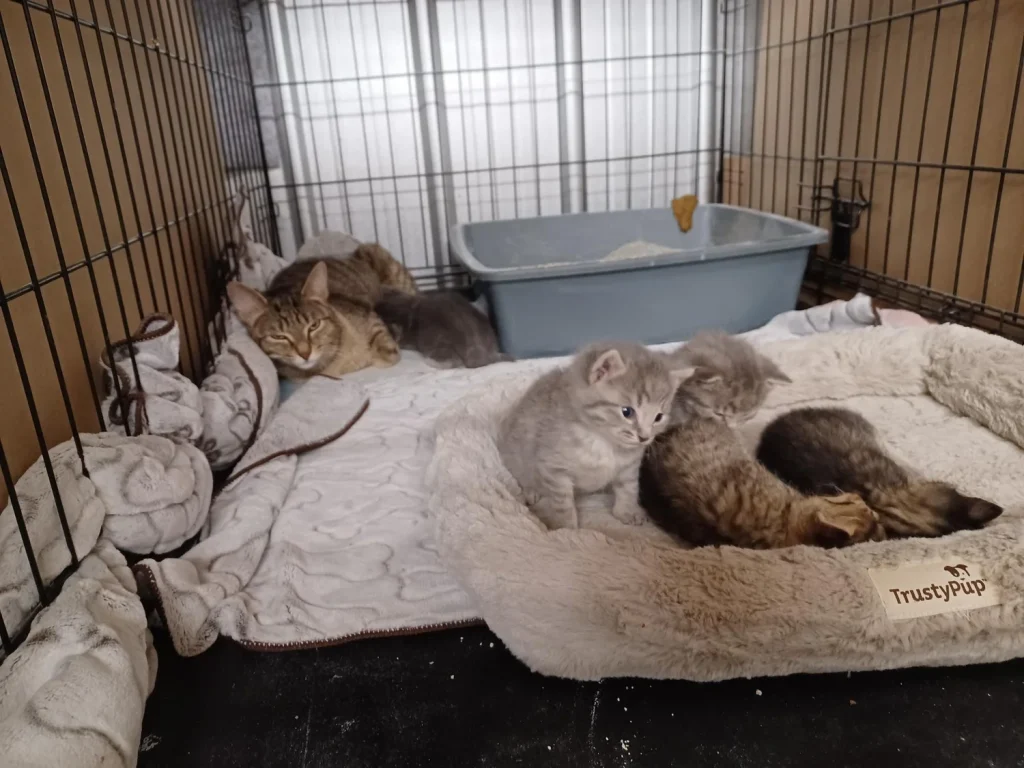
Are you passionate about helping cats in need? Starting a cat rescue shelter can be one of the most rewarding ways to make a real difference.
But where do you begin? You might feel overwhelmed by the steps involved, the costs, or the time commitment. Don’t worry—this guide will walk you through everything you need to know. By the end, you’ll have a clear plan to create a safe haven for cats and give them the second chance they deserve.
Ready to turn your love for cats into action? Let’s dive in.
Credit: www.catcaresociety.org
Planning Your Shelter
Starting a cat rescue shelter needs careful planning. You must think about many important details. Planning helps you create a safe and welcoming place for cats.
This guide covers key parts of planning your shelter. It focuses on location, mission, and legal rules. These steps build a strong foundation for your shelter.
Choosing A Location
Select a place that is easy to find and safe for cats. The location should have enough space for cages, play areas, and storage. Quiet neighborhoods reduce stress for cats.
- Check if the area allows animal shelters
- Consider access to veterinary clinics
- Look for good ventilation and natural light
- Ensure there is space for outdoor cat areas
- Find a location with parking for volunteers
Setting Goals And Mission
Your shelter needs clear goals and a mission. This helps guide your work and show others why your shelter exists. Your mission should focus on rescue, care, and adoption of cats.
Goals can include:
- Rescuing stray and abandoned cats
- Providing medical care and shelter
- Finding loving homes for cats
- Educating the community about cat care
- Promoting spaying and neutering
Legal Requirements And Permits
Follow local laws to run your shelter legally. You will need permits and licenses. These protect your shelter and the cats.
| Requirement | Description | Where to Obtain |
| Business License | Allows legal operation of the shelter | Local government office |
| Animal Care Permit | Approves care of animals on site | Animal control department |
| Health and Safety Inspection | Ensures shelter meets safety rules | Health department |
| Zoning Approval | Confirms shelter is allowed in the location | Zoning board |
| Nonprofit Status (if applicable) | Tax-exempt status for donations | IRS or local tax authority |

Credit: sg.news.yahoo.com
Funding Your Rescue
Starting a cat rescue shelter needs money to cover many costs. You must plan carefully to keep the shelter running well.
Finding funds means understanding your budget, trying different ways to raise money, and looking for support from grants and donations.
Budgeting Essentials
Make a clear budget to know how much money you need. Include costs like food, medical care, shelter space, and staff or volunteer support.
| Expense | Estimated Monthly Cost |
| Food and Supplies | $300 |
| Veterinary Care | $500 |
| Utilities and Rent | $600 |
| Staff and Volunteers | $400 |
| Miscellaneous | $200 |
Fundraising Strategies
Raising money helps cover your costs and grow your shelter. Use many ways to get support from your community and online.
- Host local events like bake sales or pet fairs
- Use social media to share your story and ask for help
- Create a website with donation options
- Sell merchandise with your shelter’s logo
- Partner with local businesses for sponsorships
Grants And Donations
Apply for grants from animal welfare groups and local government. Donations from individuals can also add steady support.
Tips for getting grants and donations:
- Write clear and honest requests
- Show how funds will help cats directly
- Keep donors updated with shelter news
- Thank donors personally and publicly
Building The Facility
Starting a cat rescue shelter needs a well-planned facility. The building must keep cats safe and comfortable. Careful design helps cats feel at home and stay healthy.
This guide covers key parts of building the shelter. It focuses on spaces for cats, safety rules, and needed equipment.
Designing Cat-friendly Spaces
Cat spaces should be quiet and cozy. Cats need places to hide and rest. Rooms need good light and air flow. Separate areas help reduce stress.
- Use soft bedding and hiding spots
- Create vertical spaces like shelves or cat trees
- Divide rooms for different cat groups
- Include windows for natural light
- Provide scratching posts and toys
Safety And Sanitation
Safety keeps cats and workers healthy. Cleanliness stops germs from spreading. Use materials that are easy to clean. Plan good waste disposal.
| Safety Feature | Description |
| Secure doors and windows | Prevent escapes and intruders |
| Non-toxic paint and flooring | Safe if cats lick or scratch |
| Separate litter areas | Reduce disease risk |
| Ventilation system | Keep air fresh and dry |
| Regular cleaning schedule | Maintain hygiene |
Essential Equipment
Good equipment supports care and comfort. Choose sturdy and easy-to-clean items. Prepare feeding and cleaning tools ahead.
- Cat beds and blankets
- Food and water bowls
- Litter boxes and scoops
- Cleaning supplies and disinfectants
- Cat carriers for transport
- First aid kit for emergencies

Credit: www.petscare.com
Staffing And Volunteers
Starting a cat rescue shelter needs good staffing and volunteers. They help care for cats and run daily tasks.
Finding the right people creates a safe and loving place for cats. This section explains how to hire and manage them.
Hiring Qualified Staff
Hire staff with experience in animal care or shelter work. They should love cats and know basic health needs.
Look for people with skills in cleaning, feeding, and handling cats. Good communication is also important.
- Check resumes for animal care experience
- Interview for passion and reliability
- Verify references from past employers
- Consider part-time or full-time roles
Recruiting Volunteers
Volunteers help with many tasks like socializing cats and cleaning shelters. They bring extra hands and care.
Find volunteers through local ads, social media, or community groups. Clear roles attract more helpers.
- Create volunteer job descriptions
- Offer flexible hours and duties
- Host open days for interested people
- Use online sign-up forms for ease
Training And Management
Training staff and volunteers ensures they know safe cat care and shelter rules. Good training improves work quality.
Manage the team with clear schedules and regular meetings. Praise good work and address issues quickly.
- Provide basic cat care workshops
- Teach cleaning and feeding routines
- Explain emergency procedures
- Schedule regular check-ins and feedback
Cat Care And Management
Starting a cat rescue shelter requires a strong focus on cat care and management. Proper care helps keep cats healthy and happy. It also makes them more adoptable.
Understanding their needs in health, behavior, and adoption is key. This guide covers the basics to help you care for rescued cats well.
Health And Nutrition
Healthy cats need good food and regular check-ups. Feeding balanced meals supports their growth and energy. Regular vet visits prevent diseases and catch problems early.
- Provide fresh water at all times
- Feed high-quality cat food suited to their age
- Keep a vaccination schedule for each cat
- Monitor for signs of illness like lethargy or loss of appetite
- Maintain clean living spaces to avoid infections
Behavioral Assessment
Assessing cat behavior helps match them with the right homes. Observe how cats react to people and other animals. Note any signs of fear or aggression.
| Behavior | Description | Care Tip |
| Friendly | Approaches humans easily | Encourage socialization |
| Shy | Hides or avoids contact | Provide quiet spaces |
| Aggressive | Hisses or swats when touched | Use gentle handling |
| Playful | Active and curious | Offer toys and enrichment |
Adoption Process
The adoption process must be clear and safe for cats and adopters. Screen potential adopters to ensure good homes. Explain care needs and responsibilities.
- Meet and greet the cat with the adopter
- Complete an adoption application form
- Check the adopter’s home environment
- Discuss cat care and health requirements
- Sign an adoption agreement
- Follow up after adoption for support
Community Engagement
Starting a cat rescue shelter needs strong community support. Engaging your local community helps save more cats.
Community engagement builds trust and creates a network of helpers and donors. This support is key for shelter success.
Building Partnerships
Partner with local vets, pet stores, and animal groups. These partnerships bring resources and expertise to your shelter.
Work with schools and businesses to spread awareness. Joint efforts create a stronger rescue community.
- Collaborate with veterinarians for medical care
- Ask pet stores to display flyers and donations
- Join local animal welfare groups
- Invite schools for educational visits
- Partner with businesses for sponsorships
Education And Outreach
Teach the public about cat care and rescue importance. Education helps reduce cat abandonment and improves adoption rates.
Host workshops, talks, and events. Share tips on feeding, health, and spaying/neutering cats.
- Organize community talks on cat health
- Create flyers about responsible pet ownership
- Offer school programs about animal care
- Run spay/neuter awareness campaigns
Social Media And Marketing
Use social media to share stories and updates. It helps attract volunteers and adopters quickly.
Post photos of cats, shelter news, and upcoming events. Consistent posts keep your audience interested.
- Share cat adoption success stories
- Post daily or weekly updates
- Use clear photos and short videos
- Engage followers by answering questions
- Promote fundraisers and events online
Sustainability And Growth
Starting a cat rescue shelter is a big job that needs care and planning. To keep it running well, focus on sustainability and growth.
Good management helps your shelter help more cats and last a long time. Here are ways to track progress, add services, and plan ahead.
Monitoring Progress
Track how many cats you rescue and care for each month. Watch your budget to avoid running out of money. Ask volunteers for feedback on daily work.
- Count cats rescued and adopted
- Check expenses and donations monthly
- Survey volunteers and staff
- Review health and safety reports
Expanding Services
Offer more services to help cats and support your community. These can include medical care, spay and neuter programs, and adoption events.
| Service | Benefit |
| Veterinary Care | Improves cat health |
| Spay/Neuter | Controls cat population |
| Adoption Events | Finds cats new homes |
| Volunteer Training | Builds skilled helpers |
Long-term Planning
Plan for the future to keep your shelter strong. Set goals, make budgets, and find new funding sources. Build partnerships with local vets and community groups.
Key Planning Tips
- Set clear yearly goals
- Create a detailed budget
- Develop fundraising plans
- Build community partnerships
- Prepare for emergencies
Frequently Asked Questions
How Do I Start A Cat Rescue Shelter?
To start a cat rescue shelter, create a business plan, secure funding, find a suitable location, and obtain necessary permits. Build partnerships with vets and volunteers, and develop adoption and care protocols for the cats.
What Permits Are Needed For A Cat Rescue Shelter?
You typically need a business license, animal welfare permits, and zoning approval. Requirements vary by location, so check local regulations to ensure full compliance before opening.
How Can I Fund A Cat Rescue Shelter?
Fund your shelter through donations, grants, fundraising events, and sponsorships. Consider crowdfunding platforms and partnerships with local businesses to increase financial support.
What Supplies Are Essential For A Cat Rescue Shelter?
Essential supplies include cages, food, litter boxes, cleaning products, medical supplies, and bedding. Prioritize cat safety and comfort when selecting these items.
Conclusion
Starting a cat rescue shelter is a rewarding journey. It helps save lives and offers homes to needy cats. Focus on planning and community support. Build a dedicated team to share responsibilities. Secure funding through donations and events. Promote your shelter through social media and local networks.
Ensure a safe and loving environment for every cat. Your passion makes a difference in the feline world. Celebrate each success, and learn from challenges. With perseverance, your shelter will thrive, bringing joy to cats and humans alike. Keep making the world a kinder place for our furry friends.