
Is your cat suddenly biting more than usual? It can be confusing and even painful when your furry friend turns those sharp teeth on you.
But don’t worry—understanding why your cat bites is the first step to stopping it. You’ll discover simple, effective ways to handle biting behavior. By learning a few key tricks, you’ll improve your bond with your cat and make your home a happier, safer place for both of you.
Keep reading to find out how to turn biting into loving play.
Credit: littlevictories.org
Why Cats Bite
Cats bite for many reasons. It is a natural way for them to communicate.
Understanding why your cat bites helps you handle the behavior better.
Common Triggers
Cats bite when they feel scared, threatened, or excited. Sudden movements can startle them.
Touching certain spots on a cat’s body may cause biting. Some cats do not like their tail or belly touched.
- Loud noises or quick gestures
- Overstimulation from petting
- Feeling cornered or trapped
- Protecting their territory
Play Vs Aggression
Sometimes cats bite during play. This is normal but should be controlled. Play bites are usually gentle.
Aggressive bites are harder and may cause injury. Aggression can come from fear or pain.
- Play bites: light pressure, no harm
- Aggressive bites: strong, often with growling
- Watch your cat’s body language
- Stop play if biting gets too hard
Stress And Anxiety
Stress makes cats more likely to bite. Changes in their environment can cause anxiety.
Cats may bite to protect themselves when they feel unsafe or nervous.
- New pets or people in the home
- Moving to a new house
- Loud sounds like fireworks
- Changes in routine or schedule
Recognizing Warning Signs
Understanding your cat’s behavior is key to stopping biting. Cats show signs before they bite.
Watch carefully for these warning signals. They help you know when your cat feels upset or scared.
Body Language Cues
Cats use their bodies to send messages. Look for stiff tails, flattened ears, or raised fur. These signs show your cat may bite soon.
- Tail twitching or flicking
- Ears pinned back against the head
- Wide eyes with dilated pupils
- Hunched body or lowered posture
- Swatting with paws without claws out
Vocal Signals
Cats also use sounds to warn you. Listen for hissing, growling, or loud meows. These sounds tell you to stop what you are doing.
| Sound | Meaning |
| Hissing | Fear or anger |
| Growling | Threat or warning |
| Loud Meowing | Discomfort or annoyance |
| Chirping | Alert or frustration |
Situational Triggers
Certain situations can make cats bite. These triggers often happen before biting starts. Knowing them helps you avoid trouble.
- Sudden loud noises
- Being touched in a sensitive area
- Feeling trapped or cornered
- Overstimulation from petting
- Introduction of new pets or people
Preventing Biting Episodes
Cats bite for different reasons. Understanding how to stop biting helps keep your cat calm and happy.
Use simple methods to prevent biting before it starts. This guide explains safe play, enrichment, and avoiding too much excitement.
Safe Play Techniques
Use toys to play, not your hands. This teaches your cat what is safe to bite and what is not.
- Choose wand toys or balls for playtime.
- Stop play if your cat bites your skin.
- Give treats for gentle play.
- Keep play sessions short and calm.
Environmental Enrichment
A busy cat is less likely to bite. Offer new things to explore and play with at home.
| Type | Example | Benefit |
| Toys | Feather wands, balls | Keeps cat active and happy |
| Climbing | Cat trees, shelves | Helps use energy safely |
| Puzzles | Food puzzles | Stimulates cat’s mind |
| Rest spots | Soft beds, quiet areas | Gives calm places to relax |
Avoiding Overstimulation
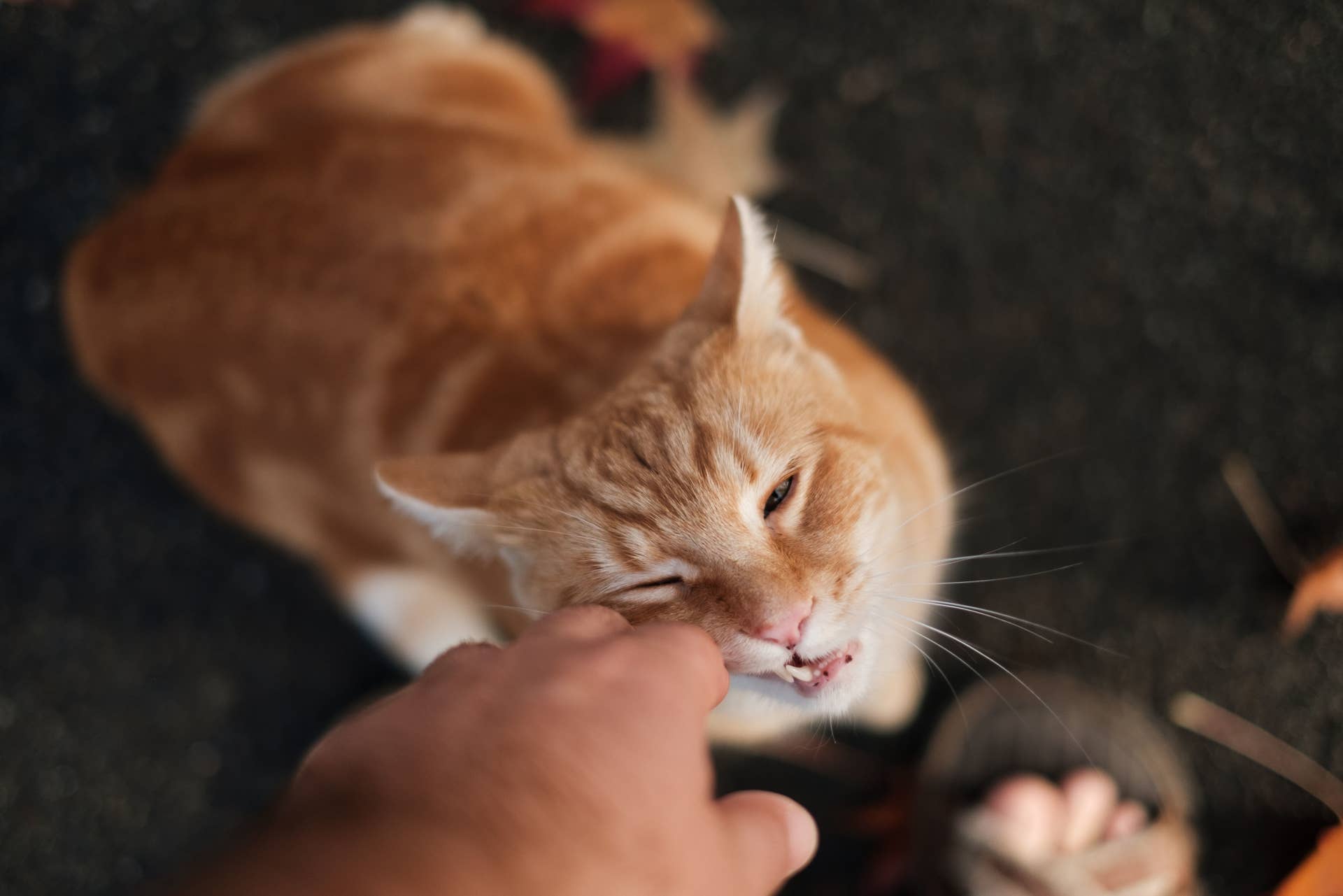
Too much petting or play can make cats bite. Watch for signs your cat wants a break.
Signs of overstimulation:
- Tail flicking
- Ears flattening
- Sudden restlessness
- Quick head turns
Stop touching your cat if you see these signs. Let your cat calm down before petting again.
Credit: pethelpful.com
Training Strategies To Reduce Biting
Cats may bite for many reasons, like play or fear. Training can help reduce biting and keep your cat calm.
Using clear strategies makes it easier to teach your cat good behavior. Patience and consistency are key.
Positive Reinforcement
Reward your cat when it plays gently without biting. Use treats or praise to show good behavior.
This helps your cat learn that gentle play brings rewards. Avoid punishing your cat for biting.
- Give treats after gentle play
- Use soft voices to praise
- Offer toys to distract attention
Redirecting Behavior
When your cat tries to bite, give it a toy to chew instead. This teaches what is okay to bite.
Use toys like wand toys or soft balls to keep your cat’s mouth busy. Avoid using your hands.
- Offer a toy during playtime
- Replace your hand with a toy quickly
- Provide different toys to keep interest
Consistent Boundaries
Set clear rules for your cat about biting. Everyone in the house should follow the same rules.
Say “no” firmly and stop playing if your cat bites. This shows biting is not allowed.
- Use the same words to stop biting
- Stop all attention when biting happens
- Reward calm and gentle behavior
When To Seek Professional Help
Cat biting can be a normal behavior, but sometimes it signals a bigger problem. Knowing when to get help is important for your cat’s well-being.
Professional help can guide you to handle biting safely and improve your cat’s behavior.
Behavioral Specialists
Behavioral specialists study cat actions and find causes of biting. They help change unwanted habits with training and advice.
Seek a specialist if your cat bites often or shows aggression without clear reasons.
- Biting that causes injury
- Sudden changes in behavior
- Fear or stress triggers biting
- Repeated biting despite your efforts
Veterinary Assessment
Veterinarians check for health issues that cause biting. Pain or illness can make cats irritable and bite more.
Visit a vet if your cat’s biting is new or comes with other symptoms like hiding or loss of appetite.
- Sudden aggression or biting
- Signs of pain or discomfort
- Changes in eating or sleeping
- Unexplained wounds or injuries
Therapeutic Options
Therapy can include training, medication, or environmental changes. A professional helps pick the best plan for your cat.
Therapy works well when biting is linked to anxiety or stress.
- Behavioral training to reduce biting
- Medications for anxiety or pain
- Changes to home to lower stress
- Regular follow-up with specialists

Credit: www.goodrx.com
Frequently Asked Questions
Why Do Cats Bite During Playtime?
Cats bite during play to mimic hunting behavior. It’s natural but can be controlled with toys. Redirect biting to appropriate objects to avoid harm. Consistent training helps cats understand boundaries and reduces biting incidents over time.
How Can I Stop My Cat From Biting?
Use positive reinforcement to reward gentle behavior. Avoid using hands as toys to prevent biting. Provide plenty of interactive toys for energy release. Consistency and patience are key to modifying biting habits effectively.
When Should I Worry About Cat Biting?
Seek advice if biting causes injury or increases suddenly. Aggressive biting might indicate stress, pain, or illness. Consult a veterinarian or behaviorist for persistent or severe biting. Early intervention prevents escalation and ensures your cat’s well-being.
Can Teething Cause Kitten Biting?
Yes, teething kittens bite more due to gum discomfort. Provide safe chew toys to soothe their gums. Redirect biting to toys and avoid encouraging rough play. Teething behavior usually decreases as the kitten grows older.
Conclusion
Tackling cat biting issues can feel tough. Yet, patience and understanding help. Observe your cat’s behavior closely. Identify what triggers the biting. Positive reinforcement works wonders. Reward good behavior with treats or affection. Consistency is key in training. Use toys to redirect their energy.
Ensure your cat gets enough play and exercise daily. Consider consulting a vet if problems persist. They can offer helpful insights. Remember, every cat is unique. Tailor your approach to fit their needs. With time, your bond will strengthen. Harmony between you and your feline friend is possible.