If you’ve ever dealt with the endless cycle of trying to keep your cat flea-free, you’re not alone. Fleas can be incredibly persistent and frustrating.
Thankfully, flea collars offer a convenient solution, but a common question arises: “How long do cat flea collars last? ” Understanding the lifespan of these collars is crucial for maintaining your cat’s health and comfort. Imagine the peace of mind you’ll have knowing exactly when to replace your cat’s collar to keep those pesky fleas at bay.
You’ll discover everything you need to know about the duration and effectiveness of flea collars. Get ready to gain insights that will simplify your life and make your furry friend happier and healthier.
Credit: www.canadapetcare.com
Flea Collar Basics
Flea collars protect cats from fleas and ticks. They release chemicals that kill pests.
Knowing how long a flea collar lasts helps keep your cat safe and comfortable.
Types Of Flea Collars
There are different flea collars made for cats. Some use natural ingredients. Others use chemicals.
- Waterproof collars that last longer even if your cat swims or bathes.
- Natural collars with essential oils for gentle flea control.
- Chemical collars that release insecticides over weeks.
- Combination collars that protect against fleas and ticks.
How Flea Collars Work
Flea collars slowly spread active ingredients around your cat’s neck. These chemicals kill or repel fleas.
| Action | Description |
| Repelling | Keeps fleas away from your cat |
| Killing | Stops fleas from biting and laying eggs |
| Duration | Usually lasts 6 to 8 weeks |
| Release Method | Slow release of ingredients into fur and skin oils |

Credit: www.hartz.com
Duration Of Protection
Cat flea collars help protect pets from fleas for a certain time. Knowing how long they last is important for your cat’s health.
The duration of protection depends on the collar type and how your cat uses it.
Average Lifespan Of Flea Collars
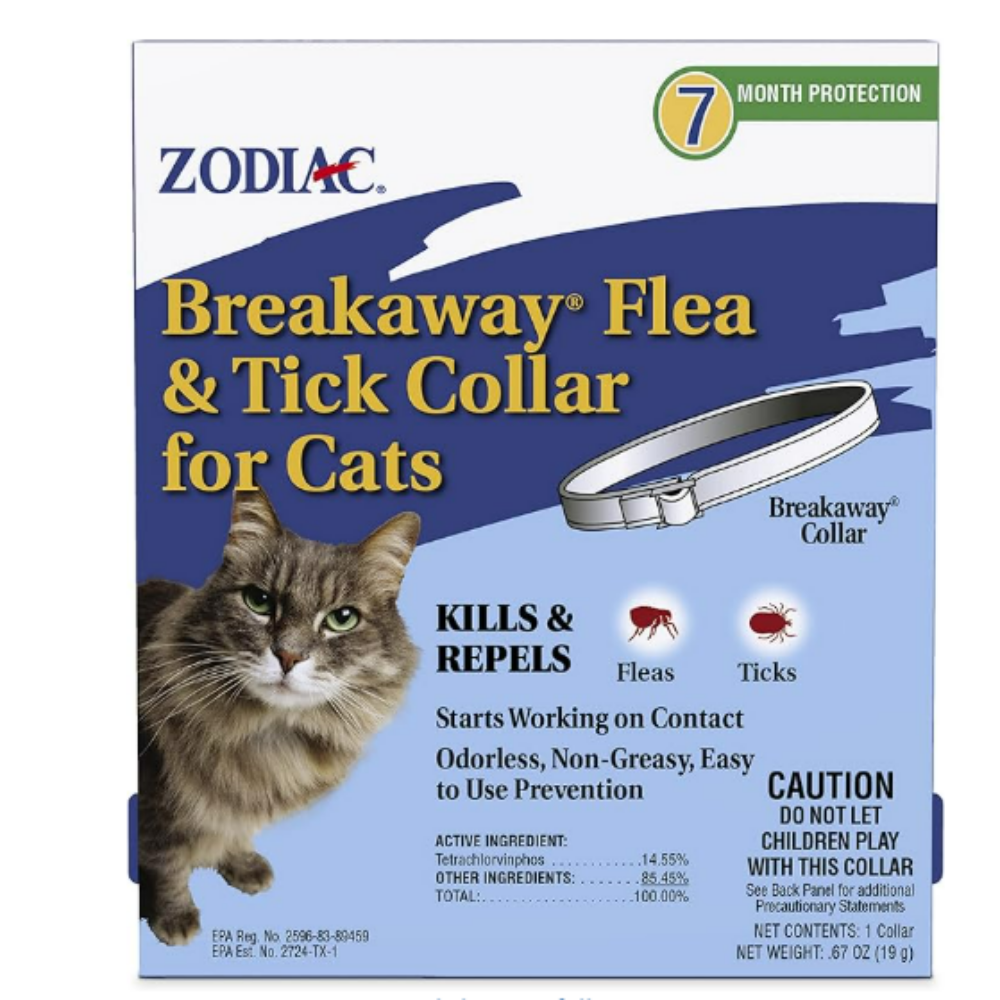
Most flea collars provide protection for several weeks to months. The usual lifespan ranges from one to eight months.
Some collars release chemicals slowly to keep working longer. Others may lose effectiveness faster if worn continuously.
- Basic collars last about 4 to 6 weeks
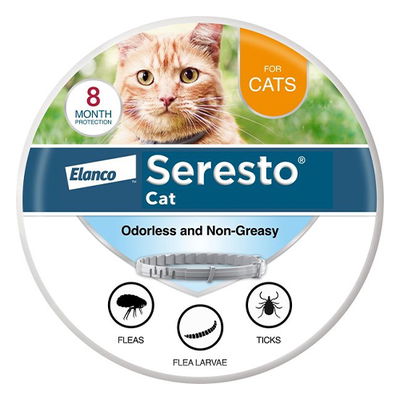
- Advanced collars can protect up to 8 months
- Water-resistant collars hold up better when wet
Factors Affecting Collar Longevity
The time a flea collar works depends on many things. These include your cat’s behavior and the collar’s material.
Some collars wear out faster if exposed to water or dirt. Your cat’s skin type can also change how well the collar works.
- Exposure to water can reduce collar life
- Active cats may damage the collar sooner
- Oils and dirt can affect chemical release
- Proper fit ensures consistent protection
Choosing The Right Collar
Cat flea collars help protect your pet from fleas for weeks or months. Picking the right collar matters for your cat’s safety and comfort.
Think about your cat’s needs and lifestyle when choosing a flea collar. This guide covers key factors to consider.
Material And Comfort
Choose collars made from soft materials that do not irritate your cat’s skin. Comfortable collars prevent your cat from scratching or trying to remove it.
Look for collars that are lightweight and adjustable. This helps fit the collar correctly without being too tight or loose.
- Soft nylon or fabric is gentle on skin
- Adjustable straps fit different neck sizes
- Lightweight collars keep cats comfortable
- Breakaway clasps improve safety
Active Ingredients
Flea collars contain chemicals that kill or repel fleas. Check which active ingredients the collar uses before buying.
Some collars last longer because of stronger or slow-release ingredients. Make sure the ingredients suit your cat’s health.
- Common ingredients: imidacloprid, flumethrin, or pyrethroids
- Long-lasting collars may protect for 8 months
- Some ingredients are better for sensitive cats
- Check ingredient labels for allergies or reactions
Safety Considerations
Safety is very important when using flea collars. Choose collars with safety features to avoid harm to your cat.
Make sure the collar fits well but is not too tight. Look for collars with breakaway clasps that release if caught on something.
- Use collars designed for cats, not dogs
- Check for a breakaway or quick-release clasp
- Remove collar if skin irritation occurs
- Keep collars away from kittens under 12 weeks
Proper Usage Tips
Cat flea collars help protect your pet from fleas for a certain time. Using the collar correctly makes it work better and longer.
Follow these tips to keep your cat safe and flea-free with the collar.
Correct Placement
Place the flea collar snugly around your cat’s neck. It should fit tight enough so your cat cannot easily slip it off.
Make sure the collar touches your cat’s skin for the medicine to spread well.
- Measure your cat’s neck before buying the collar
- Adjust the collar to fit comfortably but firmly
- Position the collar under the chin or at the back of the neck
- Remove any extra length so your cat can’t chew it
Maintaining Collar Effectiveness
Keep the collar clean to maintain its flea-fighting power. Dirt and moisture can reduce its effectiveness.
Check the collar regularly for damage or wear. Replace it if it looks broken or worn out.
- Avoid bathing your cat often while using the collar
- Wipe the collar gently if it gets dirty
- Do not remove the collar for long periods
- Watch your cat to ensure it does not chew or bite the collar
When To Replace
Most cat flea collars last between 6 to 8 months. Replace the collar after this time to keep your cat protected.
If you see fleas on your cat before this time, check the collar’s fit and condition. Replace it if needed.
- Replace collar if it is damaged or worn
- Follow manufacturer’s instructions on replacement time
- Use a new collar after bathing your cat
- Replace collar immediately if you notice skin irritation
Common Issues And Solutions
Cat flea collars can protect your pet for weeks. Still, some collars may stop working early. Knowing common problems helps you keep your cat safe.
This guide covers signs of collar failure, allergic reactions, and how to handle fleas that stay despite the collar.
Signs Of Collar Failure
Your cat’s flea collar might fail if fleas keep biting. The collar may lose its scent or chemicals over time. Dirt, water, or oil can reduce its effect.
Watch for fleas on your cat or constant scratching. These signs show the collar is not working well.
- Fleas seen on your cat after weeks
- Cat scratching or biting itself often
- Collar looks worn or damaged
- Collar smells less strong or different
Allergic Reactions
Some cats may get skin allergies from flea collars. Redness, swelling, or hair loss near the collar are common signs. Your cat may also lick or scratch the area a lot.
If you notice these signs, remove the collar at once. Clean the skin gently and watch your cat closely. Consult a vet if reactions continue.
- Red or swollen skin around collar
- Hair loss near collar area
- Itching or licking collar spot
- Rash or bumps on neck
Dealing With Persistent Fleas
Sometimes fleas stay on your cat even with a collar. Fleas can hide in your home or on other pets. A collar alone may not be enough.
Use extra steps to stop fleas. Clean your cat’s bedding and vacuum your home often. Check other pets for fleas too.
- Wash and dry your cat’s bedding weekly
- Vacuum floors, carpets, and furniture
- Check and treat other pets for fleas
- Use vet-recommended flea treatments if needed
Alternatives To Flea Collars
Flea collars work for many cats, but some pet owners seek other options. There are different ways to keep fleas away from cats safely.
These alternatives include treatments applied on the skin, pills, and natural methods. Each choice has benefits and suits different cats.
Topical Treatments
Topical treatments are liquids placed on a cat’s skin, usually between the shoulder blades. They kill fleas and prevent new ones from growing.
- Easy to apply and quick to work
- Usually last about one month
- Can protect against ticks and other parasites
Oral Medications
Oral flea medications come as pills or chewables. Cats swallow them, and the medicine works from inside the body to kill fleas.
| Medication Type | Effect Duration | Notes |
| Monthly Pills | 30 days | Fast action, easy to give |
| Single Dose | Up to 3 months | Long-lasting but less common |
| Chewables | 1 month | Tasty and simple to feed |
Natural Remedies
Some cat owners prefer natural ways to fight fleas. These methods use safe ingredients and avoid chemicals.
- Regular brushing and bathing with mild soap
- Using apple cider vinegar sprays on fur
- Keeping the home clean and vacuumed often
- Adding diatomaceous earth to carpets and bedding
Preventing Flea Infestations
Cat flea collars help protect your pet from fleas. Knowing how long they last is key to keeping fleas away.
Flea prevention also needs cleaning your home, grooming your pet, and controlling outdoor areas.
Home Cleaning Strategies
Clean your home regularly to stop fleas from spreading. Vacuum carpets, floors, and furniture often.
Wash pet bedding and blankets in hot water every week. This kills flea eggs and larvae.
- Vacuum daily during flea season
- Dispose of vacuum bags outside
- Wash all pet fabrics weekly
- Use flea sprays for carpets if needed
Regular Pet Grooming
Brush your cat often to spot fleas early. Flea combs help remove adult fleas and eggs.
Give your cat a bath with flea shampoo if you see many fleas. This helps reduce flea numbers quickly.
- Comb your cat daily in flea season
- Use flea shampoo as needed
- Check for flea dirt and bites
- Keep your cat’s coat clean and dry
Outdoor Flea Control
Fleas often live outside in grass and soil. Keep your yard tidy to reduce flea habitats.
Trim bushes and mow the lawn regularly. Remove leaf piles and debris where fleas hide.
- Mow your lawn weekly
- Clear leaves and debris
- Use pet-safe outdoor flea sprays
- Keep pet play areas clean
Credit: www.hartz.com
Frequently Asked Questions
How Long Do Cat Flea Collars Typically Last?
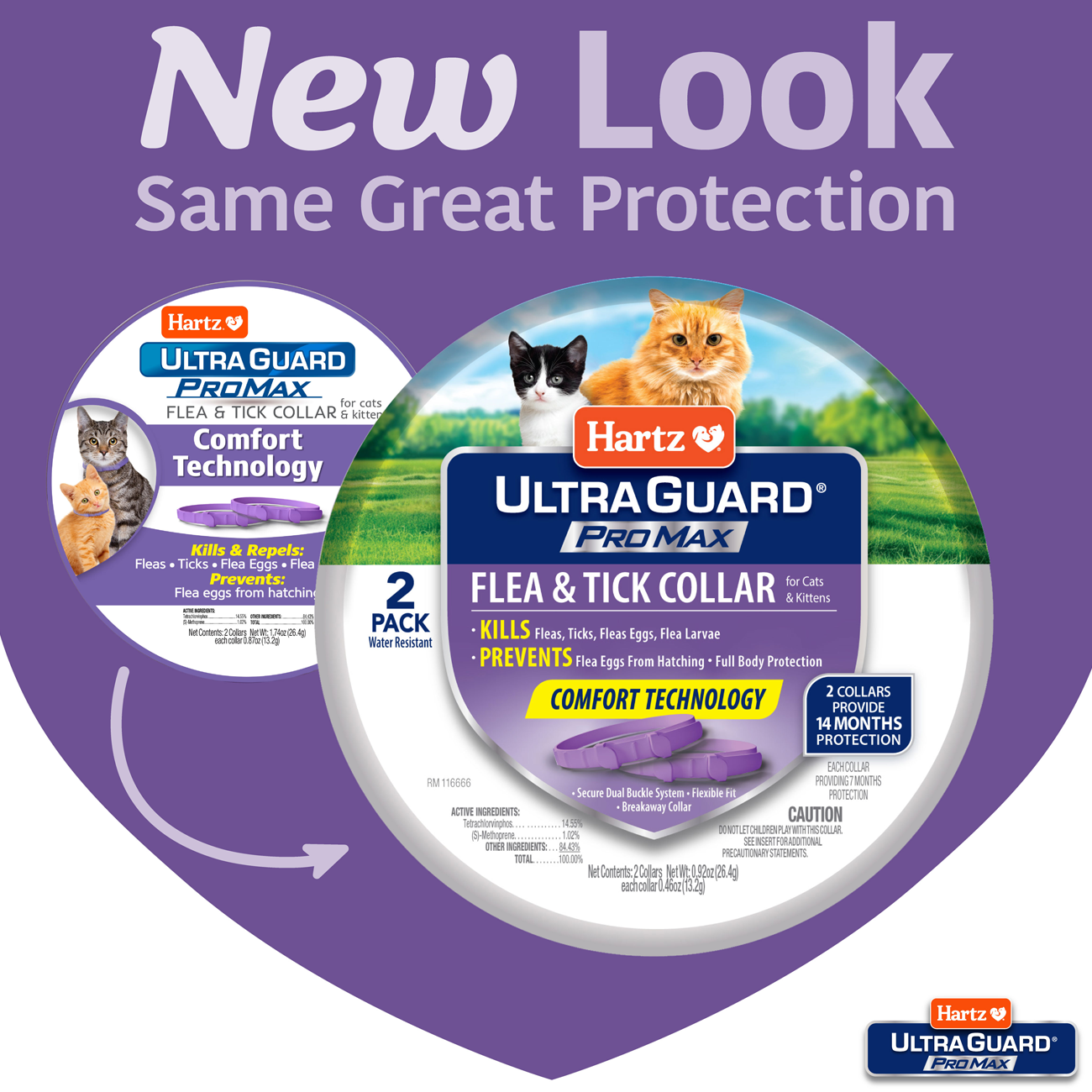
Cat flea collars usually last between 8 to 12 weeks. Some brands offer up to 7 months of protection. Always check the product label for exact duration details.
Can Flea Collars Lose Effectiveness Over Time?
Yes, flea collars can lose effectiveness after their active ingredients deplete. Exposure to water, dirt, and friction may reduce their lifespan. Replace the collar as recommended by the manufacturer.
Are Flea Collars Safe For All Cats?
Most flea collars are safe for healthy cats, but always check for age and weight guidelines. Consult your vet if your cat has allergies or skin sensitivities before using a collar.
How Do I Know When To Replace A Flea Collar?
Replace your cat’s flea collar when the protection period ends or if it shows signs of wear. If fleas reappear, it’s time for a new collar or alternative treatment.
Conclusion
Cat flea collars usually last between one to eight months. The exact time depends on the brand and type you choose. Always check the product label for specific details. Replace the collar once its effectiveness ends to keep your cat safe.
Regular checks help spot fleas early and prevent problems. A well-fitted collar works best and stays comfortable. Keep your cat flea-free for a happier, healthier life. Simple care makes a big difference.