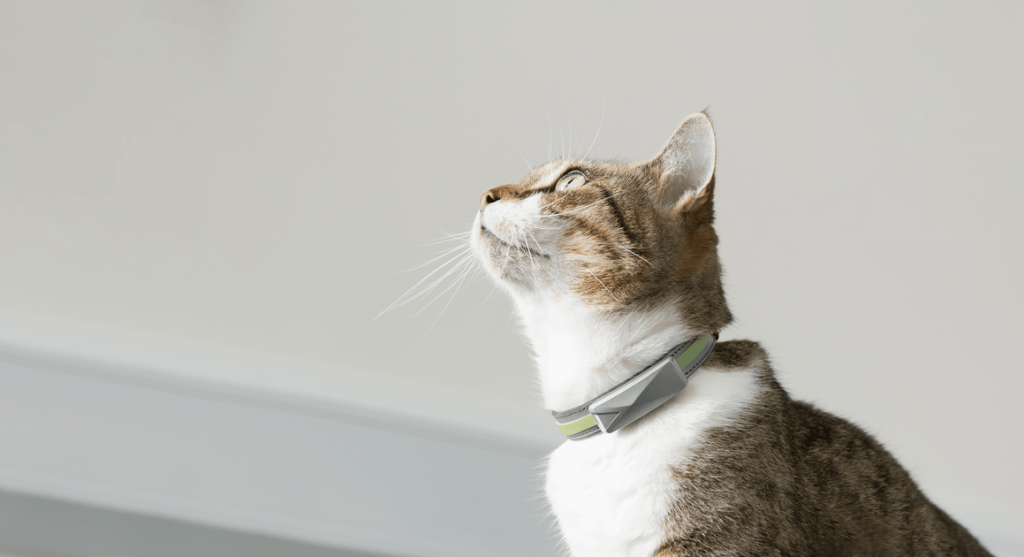
Have you ever wondered if your indoor cat really needs to wear a collar? It might seem unnecessary since they don’t roam outside, but there’s more to this question than meets the eye.
Your cat’s safety, comfort, and even your peace of mind could all depend on the answer. Keep reading to discover the surprising benefits and potential risks of collars for indoor cats—and find out what’s best for your furry friend.
Benefits Of Collars For Indoor Cats
Indoor cats usually stay inside the house. But wearing a collar has many benefits for them. Collars can keep cats safe and help owners find them quickly.
Even indoor cats can slip out by accident. A collar helps protect them in case they get lost or find danger.
Identification And Contact Info
A collar with an ID tag shows the cat’s name and owner’s contact info. This helps people return lost cats fast. It is important for indoor cats that may escape outdoors.
Tags usually have a phone number and address. This simple step can save a cat’s life if it gets lost.
Bell Attachment And Noise
Some collars come with bells. Bells warn birds and small animals nearby. This reduces the chances of the cat hunting wildlife.
The bell sound also helps owners hear where their cat is. It is useful for indoor cats that hide a lot in the house.
- Protects wildlife from hunting
- Helps track the cat inside the home
- Alerts owners if the cat is nearby
Flea And Tick Prevention
Some collars protect cats from fleas and ticks. These collars release safe chemicals that kill pests. This keeps indoor cats healthy even if pests enter the home.
Flea and tick collars reduce itching and skin problems. They can also stop pests from spreading to humans or other pets.
- Prevents flea infestations
- Reduces tick bites
- Keeps cats and humans safer
Potential Risks Of Collars
Indoor cats often wear collars for identification or style. But collars can bring some risks. It is important to know these risks before putting a collar on your cat.
This guide explains the possible dangers and safety tips about collars for indoor cats. Careful choices keep your cat safe and comfortable.
Choking Hazards
Collars can cause choking if they get stuck on furniture or other objects. Cats may panic and try to pull free, which can tighten the collar around their neck.
- Collars without breakaway features increase choking risks.
- Tags or bells can get caught and cause injury.
- Loose collars may slip off and get lost.
- Tight collars can restrict breathing or movement.
Allergic Reactions
Some cats develop allergies to the materials used in collars. This can cause skin irritation or hair loss around the neck.
| Material | Possible Reaction |
| Nylon | Redness, itchiness |
| Leather | Dry skin, flaking |
| Metal parts | Rashes, swelling |
| Plastic buckles | Contact dermatitis |
Collar Safety Features
Some collars have special safety features to reduce risks. Choosing the right collar helps protect your cat.
- Breakaway collars:These release under pressure to prevent choking.
- Adjustable sizing:Helps ensure the collar is not too tight or loose.
- Soft materials:Reduce skin irritation and improve comfort.
- Lightweight tags:Minimize noise and avoid snagging.
Choosing The Right Collar
Picking the right collar for your indoor cat is important. It keeps your cat safe and comfortable. There are many options to consider.
Think about materials, size, and safety features. This guide will help you choose the best collar for your cat.
Material Options
Collars come in different materials. Some are soft, others are strong. The material affects comfort and durability.
- Nylon: Lightweight and easy to clean
- Leather: Durable but can be stiff
- Cotton: Soft and gentle on fur
- Neoprene: Water-resistant and flexible
Proper Fit And Size
A collar should fit snugly but not tight. Too loose means it can slip off. Too tight can cause discomfort or injury.
| Fit Check | What to Do |
|---|---|
| Two fingers fit under collar | Good fit |
| Less than two fingers | Too tight, loosen collar |
| More than two fingers | Too loose, tighten collar |
Breakaway Collars
Breakaway collars open if pulled hard. They help prevent choking or injury. They are safer for indoor cats.
Look for these features in breakaway collars:
- Strong but quick-release clasp
- Lightweight design
- Visible color or reflective strip

Credit: www.reddit.com
Alternative Safety Measures
Many cat owners wonder if indoor cats should wear collars. There are other ways to keep cats safe without collars. These methods help identify your cat and keep them secure.
Using alternative safety measures can protect your cat and give you peace of mind. Let’s look at some good options for indoor cats.
Microchipping
Microchipping is a simple procedure that implants a tiny chip under your cat’s skin. This chip holds your contact information.
If your cat gets lost, a vet or shelter can scan the chip to find you. Microchips do not fall off or cause discomfort like collars might.
Indoor Identification Tags
Identification tags can be placed inside your cat’s collar or attached to a harness. These tags show your cat’s name and your phone number.
For indoor cats, soft breakaway collars with tags are safer. They reduce the risk of choking while still showing important info.
Harnesses And Leashes
Using a harness and leash helps keep your indoor cat safe during outdoor trips. It stops your cat from running away or getting lost.
Choose a comfortable harness that fits well. Always supervise your cat when using a leash to avoid accidents.
Collar Maintenance Tips
Indoor cats can wear collars safely if you keep them well maintained. Proper care helps avoid discomfort or injury.
Follow these tips to keep your cat’s collar clean and safe for daily use.
Regular Inspection
Check your cat’s collar every day. Look for signs of wear or damage like frayed edges or broken parts.
Make sure the collar fits well. It should be snug but allow two fingers to fit underneath.
- Look for loose or missing parts
- Ensure the collar is not too tight
- Check that the breakaway feature works
Cleaning And Replacement
Clean collars regularly to prevent dirt and bacteria build-up. Use mild soap and warm water.
Replace collars if they become worn out or damaged. Old collars can hurt your cat or fail to function.
- Wash fabric collars weekly
- Air dry completely before putting back
- Replace every 6 to 12 months or sooner
Monitoring Cat Behavior
Watch how your cat reacts to the collar. Look for signs of discomfort or irritation.
If your cat scratches or bites the collar often, check the fit or material. Remove the collar if needed.
- Notice if your cat tries to remove the collar
- Observe any skin redness or hair loss
- Check for changes in behavior or mood

Credit: www.catschool.co

Credit: www.familyhandyman.com
Frequently Asked Questions
Should Indoor Cats Wear Collars For Safety?
Indoor cats can benefit from collars with ID tags for identification. Collars help locate lost cats and alert others to their ownership. Choose breakaway collars to ensure safety and prevent choking hazards.
What Type Of Collar Is Best For Indoor Cats?
Breakaway collars are best for indoor cats. They release under pressure to prevent accidents. Soft, lightweight materials increase comfort and reduce irritation for your cat.
Can Collars Harm Indoor Cats?
Improper collars can cause discomfort or injury. Always use breakaway collars to avoid choking risks. Regularly check the collar’s fit and condition for your cat’s safety.
Do Indoor Cats Need Id Tags On Collars?
Yes, ID tags on collars help identify indoor cats if they escape. Tags should include your contact information for quick reunions. This is a simple, effective safety measure.
Conclusion
Choosing whether indoor cats should wear collars depends on individual needs. Some owners find collars useful for identification. Others feel collars are unnecessary or uncomfortable for cats. Safety features like breakaway clasps can prevent accidents. Always prioritize your cat’s comfort and safety.
Consider your cat’s lifestyle and behavior. Try a collar and observe your cat’s reaction. Make adjustments if needed. Discuss options with your veterinarian if unsure. Every cat is unique, and what works for one may not work for another. Keep your cat’s well-being a top priority.