
Are you tired of seeing your beloved cat endlessly scratching and looking uncomfortable? Fleas can be a nightmare for both you and your feline friend.
You’ve probably heard about flea collars as a potential solution, but do they really work for cats? This is a question many cat owners like you have. Understanding how flea collars function and whether they can effectively protect your pet is crucial.
We will uncover the truth about flea collars for cats, helping you make an informed decision to ensure your furry companion stays happy and itch-free. Dive in to discover everything you need to know about flea collars and their effectiveness.
Credit: www.hartz.com
How Flea Collars Work
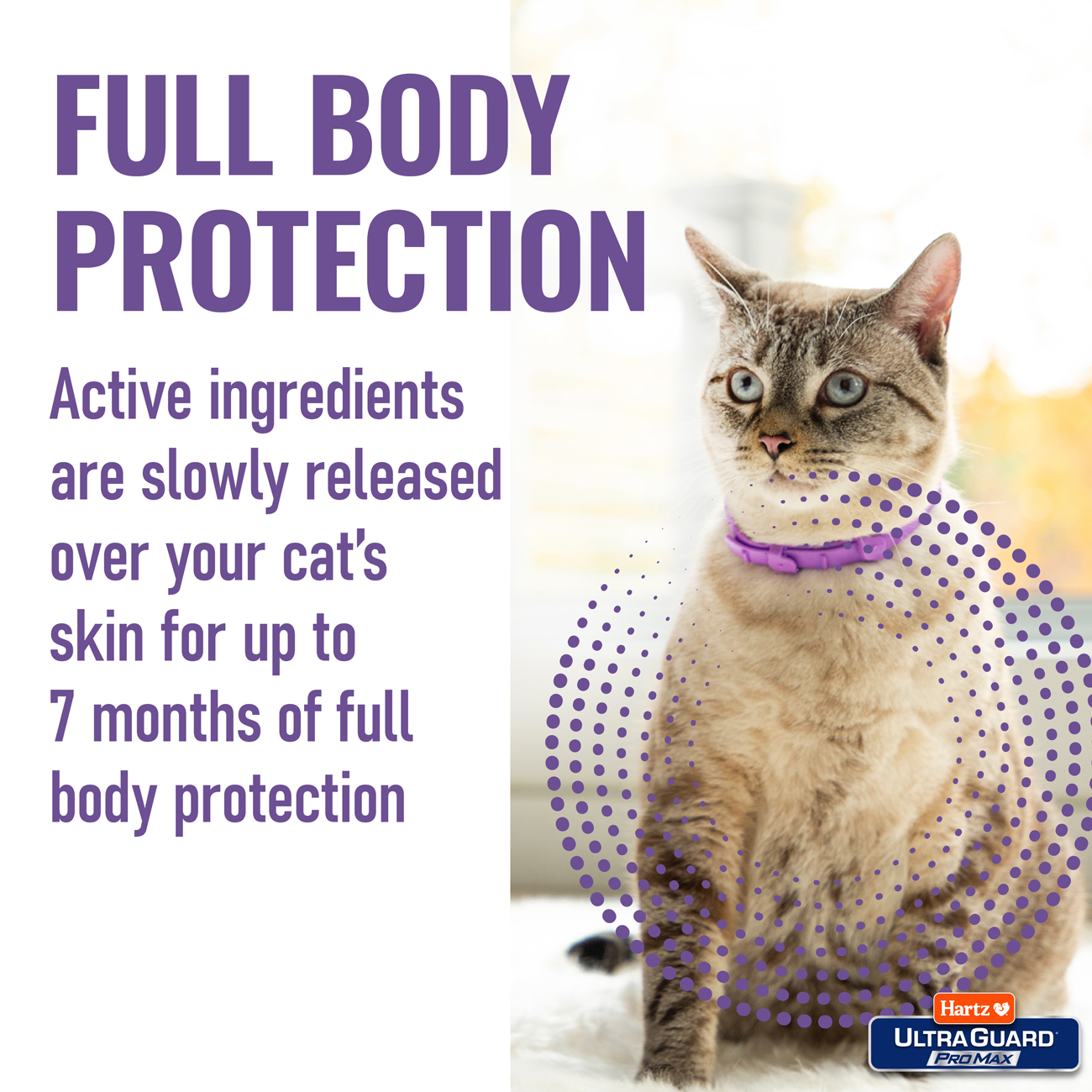
Flea collars help protect cats from fleas. They slowly release chemicals that kill or repel fleas.
The collar works by spreading these chemicals on your cat’s skin and fur. This keeps fleas away for weeks.
Active Ingredients In Flea Collars
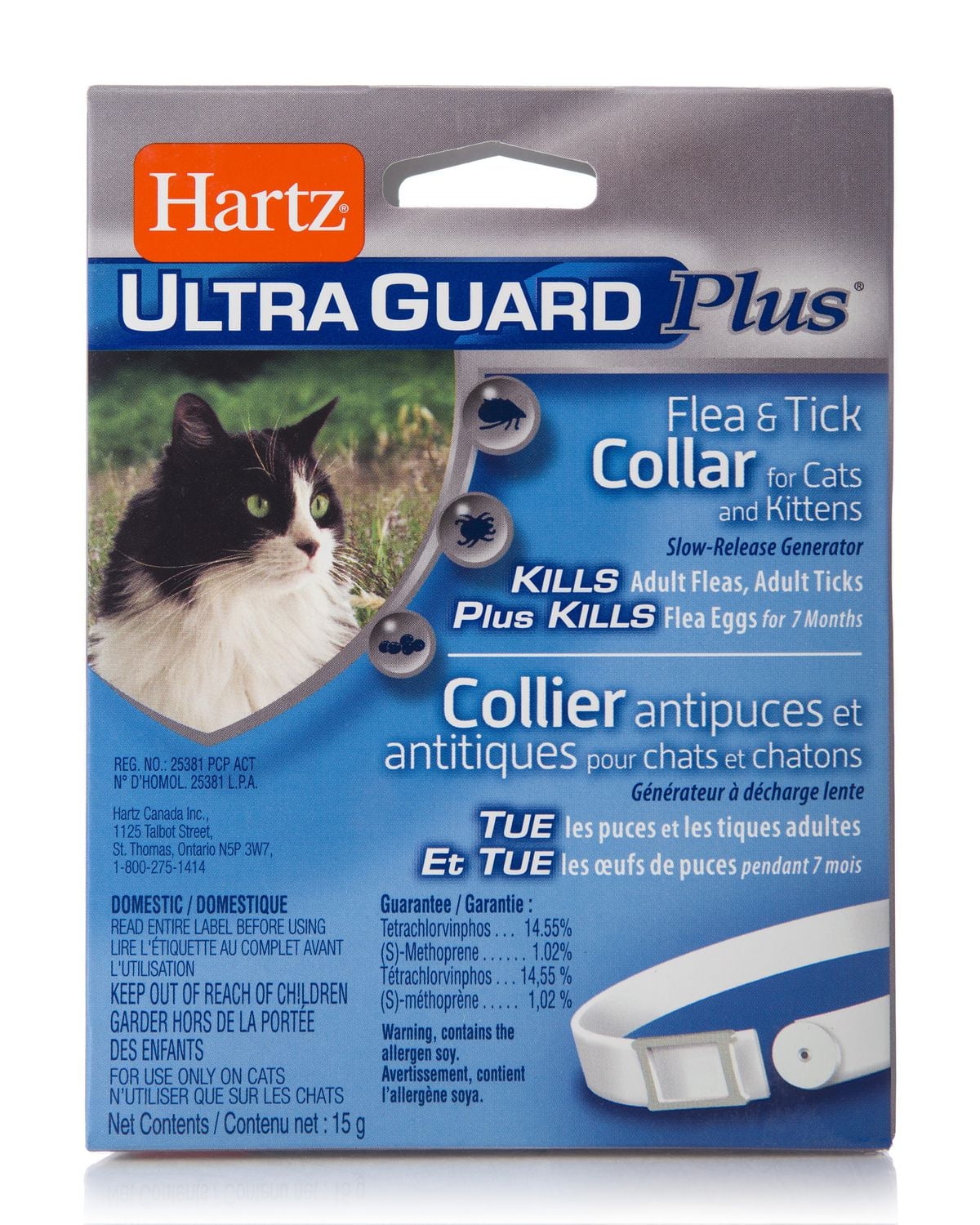
Flea collars contain special chemicals that fight fleas. These ingredients target fleas at different stages.
Common active ingredients include:
- Imidacloprid
- Flumethrin
- Permethrin (not for cats)
- Propoxur
- Pyriproxyfen
Mechanism Of Action On Fleas
These ingredients affect fleas by attacking their nervous system. This causes paralysis and death.
Some ingredients also stop flea eggs from hatching. This breaks the flea life cycle and reduces fleas over time.
- Imidacloprid kills adult fleas quickly.
- Flumethrin repels and kills fleas and ticks.
- Pyriproxyfen stops flea eggs from growing.
Duration Of Effectiveness
Flea collars can work for several weeks. Most last from one to eight months, depending on the brand.
It is important to check the collar regularly. Replace it if it gets loose or after the recommended time.
- Some collars protect for 30 days.
- Others provide up to 8 months of protection.
- Water exposure can reduce collar effectiveness.
Types Of Flea Collars For Cats
Flea collars help protect cats from fleas. There are different types of flea collars available. Each type works in a unique way to keep fleas away or kill them.
Understanding these types can help you choose the best collar for your cat’s needs and safety.
Chemical-based Collars
Chemical flea collars use insecticides to kill fleas. These collars release small amounts of chemicals that spread over your cat’s fur. They target fleas and other pests quickly.
These collars often provide long-lasting protection, usually for several months. Some chemicals may cause side effects in sensitive cats, so use them with care.
Natural And Organic Options
Natural flea collars use plant-based ingredients. These ingredients repel fleas without harsh chemicals. Many owners prefer these collars for cats with sensitive skin.
- Essential oils like lavender and citronella
- Herbs such as neem and rosemary
- Non-toxic materials safe for cats
While these collars are safer, they may not kill fleas. They mainly stop fleas from coming near your cat.
Collars With Repellent Vs. Killing Effects
| Type | Effect | Duration | Safety |
| Repellent Collars | Keep fleas away without killing | Usually 1-3 months | Gentle, good for sensitive cats |
| Killing Collars | Kill fleas on contact or over time | Up to 8 months | May cause side effects |
Effectiveness Of Flea Collars
Flea collars are a popular choice to protect cats from fleas. They are easy to use and claim to kill or repel fleas. People often wonder if flea collars really work well for cats.
This article looks at how effective flea collars are. It covers scientific studies, user reviews, and some limits of these collars.
Scientific Studies And Evidence
Research shows that some flea collars can kill fleas on cats. They release chemicals that stop fleas from biting or growing. Some collars work for several months.
Scientists test collars by measuring flea counts before and after use. Many studies find flea collars reduce flea numbers. But some collars are less effective than others.
- Active ingredients like imidacloprid and flumethrin often work well
- Collars may protect cats for 6 to 8 months
- Effectiveness depends on the flea population and environment
- Some collars fail if they lose contact with the cat’s skin
User Experiences And Reviews
Many cat owners share mixed results with flea collars. Some say collars stopped flea problems quickly. Others report no change or skin irritation.
Users often notice flea collars work better when combined with cleaning the house. Some cats dislike wearing collars and try to remove them.
- Some cats show fewer fleas after wearing a collar
- Others have mild skin reactions or discomfort
- Collars are easy to use and last long
- Not all cats tolerate collars well
Limitations And Challenges
Flea collars do not work for all cats or all flea problems. Some fleas become resistant to collar chemicals. Collars may not cover the whole cat evenly.
Collars can lose effectiveness if they get wet or dirty. Some cats may have allergic reactions. Flea collars alone may not control severe infestations.
- Resistance reduces collar effectiveness
- Collar must stay close to the skin
- Wet conditions can lower performance
- Possible allergic reactions in some cats
- Severe flea infestations need extra treatment
Credit: vettoday.com
Safety Concerns And Precautions
Flea collars can help keep cats free from fleas. But some safety concerns need attention. Using flea collars the right way keeps your cat safe and healthy.
It is important to know the possible side effects and how to use flea collars properly. Also, learn when you should avoid using them on your cat.
Potential Side Effects
Flea collars may cause skin irritation or allergic reactions in some cats. Watch for redness, itching, or hair loss around the collar area. Some cats might show signs of discomfort or restlessness.
- Skin redness or rash
- Excessive scratching or licking
- Hair loss near the collar
- Vomiting or drooling (rare cases)
- Breathing difficulty (seek vet help immediately)
Proper Usage Guidelines
Follow these guidelines to use flea collars safely on your cat. Proper use reduces risks and improves effectiveness.
- Choose a flea collar made for cats, not dogs.
- Measure your cat’s neck before buying the collar.
- Remove the collar if your cat shows any side effects.
- Do not use more than one flea collar at the same time.
- Check the collar regularly and replace it as the label directs.
- Keep the collar loose enough to fit two fingers underneath.
When To Avoid Flea Collars
| Condition | Reason to Avoid |
| Kittens under 8 weeks | Collars may be too strong and cause harm |
| Cats with skin wounds | May worsen irritation or infection |
| Cats allergic to collar ingredients | Risk of severe allergic reaction |
| Cats with breathing problems | Collar chemicals may cause breathing issues |
| Cats already on flea medication | Risk of overdose or harmful interactions |
Alternative Flea Prevention Methods
Flea collars do not always stop fleas on cats. There are other ways to keep fleas away. These methods can work well to protect your cat.
Using different flea prevention options can help keep your cat comfortable. You can choose what fits best for your pet and home.
Topical Treatments
Topical treatments are liquids you put on your cat’s skin. Usually, you apply them on the back of the neck. This helps stop fleas from growing and spreading.
These treatments work fast and last for weeks. They kill fleas and sometimes ticks, too. It is important to follow the instructions on the package.
Oral Medications
Oral medications come as pills or chewables. Your cat eats them, and the medicine works inside the body. These medicines stop fleas from growing and biting.
Some oral medicines protect your cat for a whole month. They are easy to give but need a vet’s advice to choose the right one.
Environmental Control
Fleas can live in your home, not just on your cat. Cleaning your house helps stop fleas from coming back. Vacuum floors, carpets, and furniture often.
You can also wash your cat’s bedding in hot water. Using special sprays or foggers for your home can kill flea eggs and larvae.
- Vacuum carpets and furniture weekly
- Wash pet bedding in hot water
- Use flea sprays or foggers safely
- Keep your yard clean and trimmed
Tips For Choosing The Right Flea Collar
Flea collars help protect cats from fleas and ticks. Choosing the right one keeps your cat safe and healthy.
Not all flea collars work the same way. Some are better for certain cats based on age and health.
Matching Collar To Cat’s Age And Health
Young kittens and older cats need gentle flea collars. Some collars are strong and can harm sensitive cats.
Look for collars made for your cat’s specific age group. Consider any health problems before choosing.
- Kittens under 8 weeks usually cannot wear flea collars
- Older cats may need collars without harsh chemicals
- Check if your cat has skin allergies or sensitivities
Checking Expiry And Quality
Always check the expiry date on flea collars. Expired collars may not kill fleas well.
Choose collars from trusted brands. Good quality collars last longer and are safer for cats.
- Look for clear expiry dates on the packaging
- Inspect the collar for damage or unusual smell
- Read product labels to understand ingredients
Consulting Your Veterinarian
Your vet knows what flea collars work best for your cat. They can suggest the safest options.
Tell your vet about your cat’s age, health, and any allergies. This helps choose the right collar.
- Ask if the collar is safe with other medicines
- Check if your cat needs special flea treatments
- Follow vet advice on how to use the collar properly
Maintaining Flea-free Environment
Flea collars can help control fleas on cats. Still, keeping your home flea-free is important. Fleas live in many places, not just on pets.
To stop fleas, clean your home and yard well. This helps reduce flea eggs and larvae around your cat.
Regular Cleaning And Vacuuming
Vacuum your floors, carpets, and furniture often. This removes flea eggs and larvae from your home.
Empty the vacuum bag or canister outside. Fleas can hatch and return if you do not remove them.
- Vacuum at least twice a week
- Focus on places your cat likes
- Clean under furniture and rugs
- Dispose of vacuum contents outside
Washing Bedding And Toys
Wash your cat’s bedding and toys regularly in hot water. This kills fleas and their eggs on these items.
Dry items in the sun or on a hot setting. Heat helps kill any remaining fleas.
- Wash bedding weekly
- Use hot water and detergent
- Dry thoroughly on high heat
- Clean toys often, especially soft ones
Outdoor Flea Control Strategies
Fleas live outside in grass and soil. Keep your yard clean to lower flea numbers near your home.
Trim tall grass and remove leaf piles. This makes it harder for fleas to hide and breed.
- Keep grass short and neat
- Remove leaf and brush piles
- Use pet-safe outdoor flea sprays if needed
- Limit your cat’s outdoor time in flea-prone areas
Credit: www.walmart.ca
Frequently Asked Questions
Do Flea Collars Effectively Protect Cats From Fleas?
Flea collars can work, but their effectiveness varies by brand. They release chemicals that repel or kill fleas. Some collars provide long-lasting protection, while others may be less reliable. Always choose a collar made specifically for cats and follow usage instructions carefully.
Are Flea Collars Safe For Cats To Wear Daily?
Most flea collars designed for cats are safe for daily use. However, some cats may have skin sensitivities or allergies. Monitor your cat for irritation or unusual behavior. Consult your vet before using a flea collar, especially for kittens or cats with health issues.
How Long Does A Flea Collar Last On A Cat?
Flea collars typically last between one to eight months. Duration depends on the product’s brand and formula. Check the packaging for exact time frames. Replace the collar promptly after its effectiveness period to ensure continuous flea protection.
Can Flea Collars Prevent Flea Infestations Completely?
Flea collars help reduce flea infestations but may not eliminate them entirely. Combining collars with other flea control methods increases protection. Regular cleaning of your cat’s environment is also essential to prevent flea reinfestation.
Conclusion
Flea collars can help protect cats from fleas, but results vary. Some cats respond well, while others may need extra care. Always check the collar fits properly and watch for any skin irritation. Regular cleaning and grooming also reduce flea problems.
Combining collars with other treatments often gives better results. Keep your cat comfortable and safe. Flea control takes time and patience. Choose what works best for your cat’s health and happiness.